
Category Archives: Uncategorized
- Home
- Archive by category "Uncategorized"

loading...


‘CPanel’ Update Status
After close of business on Tuesday (February 16) our content management theme — after having provided fairly reliable service for 15 years — will undergo a major upgrade. This upgrade will enable instant updates across all time zones and across all our social media platforms. We will still be on the job, hosting our Daily Colloquia at the usual hour, our topics will remain as posted on our CALENDAR, but content presentation may look a little janky until the transition stabilizes.
Much like hardware in ICT, software must also be maintained.


Gingerbread Cookies
Blue and Gray Education | Standards Illinois
University of Michigan Abraham Lincoln Collection
"Lincoln the Railsplitter" 1964 | Norman Rockwellhttps://t.co/gud3D79Zuy@NRockwellMuseumhttps://t.co/B62jeA4KyJhttps://t.co/HjKBblcz8d pic.twitter.com/Tyq3Qzql8w
— Standards Michigan (@StandardsMich) February 16, 2026

Nourriture Hiver
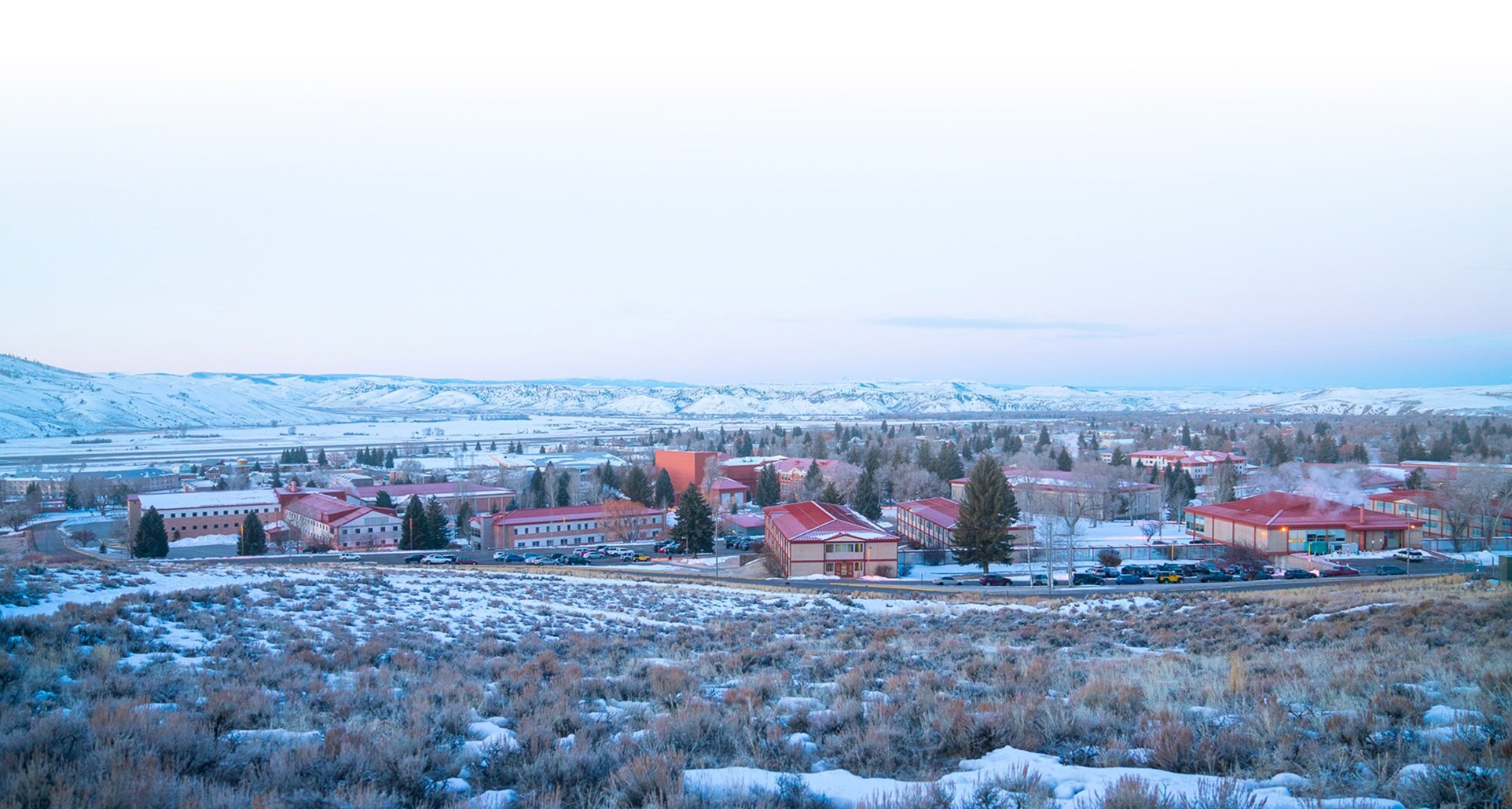
Western Colorado University Center for Cold Climate Food Security

Today we break down the catalog for food safety in education communities; with primary attention to consultations from private standard developing organizations and federal agencies charged with food safety. We do so with sensitivity to animals and plants and sustainability of the global food supply chain. Many schools are the communal cafeterias for the communities that own and operate them and run at commercial scale.
We prepare responses to public consultations released by standards developing organizations which, in many cases, have significant conformance enterprises.
ANSI Standards Action | Current Weekly Edition
Note the call for public comment on proposed WTO Agriculture, Sanitary and Phytosanitary (SPS) measures (Page 48)

Core titles are published by the ANSI accredited organizations listed below:
The ASHRAE catalog is the most cross-cutting and fastest moving catalog in the land. If you claim ownership of the United States energy domain you pretty much capture everything related campus safety and sustainability. Best to deal with it on a day-by-day basis as we usually do according to daily topics shown on our CALENDAR.
Association for Packaging and Processing Technologies
American Society of Agricultural and Biological Engineers
Institute of Electrical and Electronic Engineers
National Electrical Safety Code (Our particular interest lies in the safety and reliability of off-campus agricultural and research facilities that receive power from regulated utilities)
Kitchen Safety and Security System for Children
TupperwareEarth: Bringing Intelligent User Assistance to the “Internet of Kitchen Things”
Designing an IoT based Kitchen Monitoring and Automation System for Gas and Fire Detection
Re-Inventing the Food Supply Chain with IoT: A Data-Driven Solution to Reduce Food Loss
International Code Council
International Building Code Assembly Group A-2
International Building Code Group U Section 312 Agricultural Buildings
International Building Code Moderate Hazard Factory Industrial Group F-1 (Food Processing)
National Fire Protection Association
National Electrical Code Article 210 (Branch Circuits)
National Electrical Code Article 547 (Agricultural Buildings)
Standard for the Installation of Air-Conditioning and Ventilating Systems
Public Input Report for the 2024 Revision
Standard for Ventilation Control and Fire Protection of Commercial Cooking Operations
Public Input Report for the 2024 Revision
Food Equipment
Commercial Warewashing Equipment
Commercial Refrigerators and Freezers
Commercial Cooking, Rethermalization and Powered Hot Food Holding and Transport Equipment
Commercial Powered Food Preparation Equipment
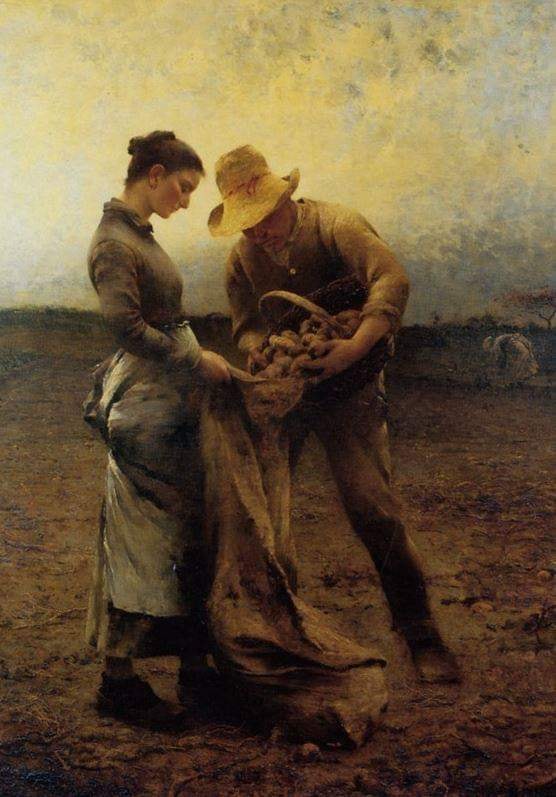
US Federal Government:
US Department of Agriculture
Food & Drug Administration (HACCP)
State Governments:
Lorem ipsum @StandardsState
Global:
International Organization for Standardization
International Electrotechnical Commission
Codex Alimentarius
Food safety and sustainability standards populate are of the largest domains we track so if we need a break0-out session, let’s do it. Use the login credentials at the upper right of our home page.


University of Kentucky College of Agriculture, Food and Environment
More
Standards supporting vertical farming
STANDARDS SUPPORT SOPHISTICATED FARMING METHODS THAT BRING PRODUCE TO YOUR TABLE
US Food & Drug Administration: Food Facility Registration Statistics (as of January 11, 2021)
National Grange of the Order of Patrons of Husbandry
The U.S. Land-Grant University System: An Overview
American Society of Agricultural and Biological Engineers Standards Development
The origin of the Land grant act of 1862
International Electrotechnical Commission: Keeping food safe from farm to plate
Council for the Advancement of Standards in Higher Education: Dining Services Programs
Science and Our Food Supply: A Teacher’s Guide for High School Classrooms

Floor & Pathway Safety
— Charles Louis de Secondat, Baron de La Brède et de Montesquieu
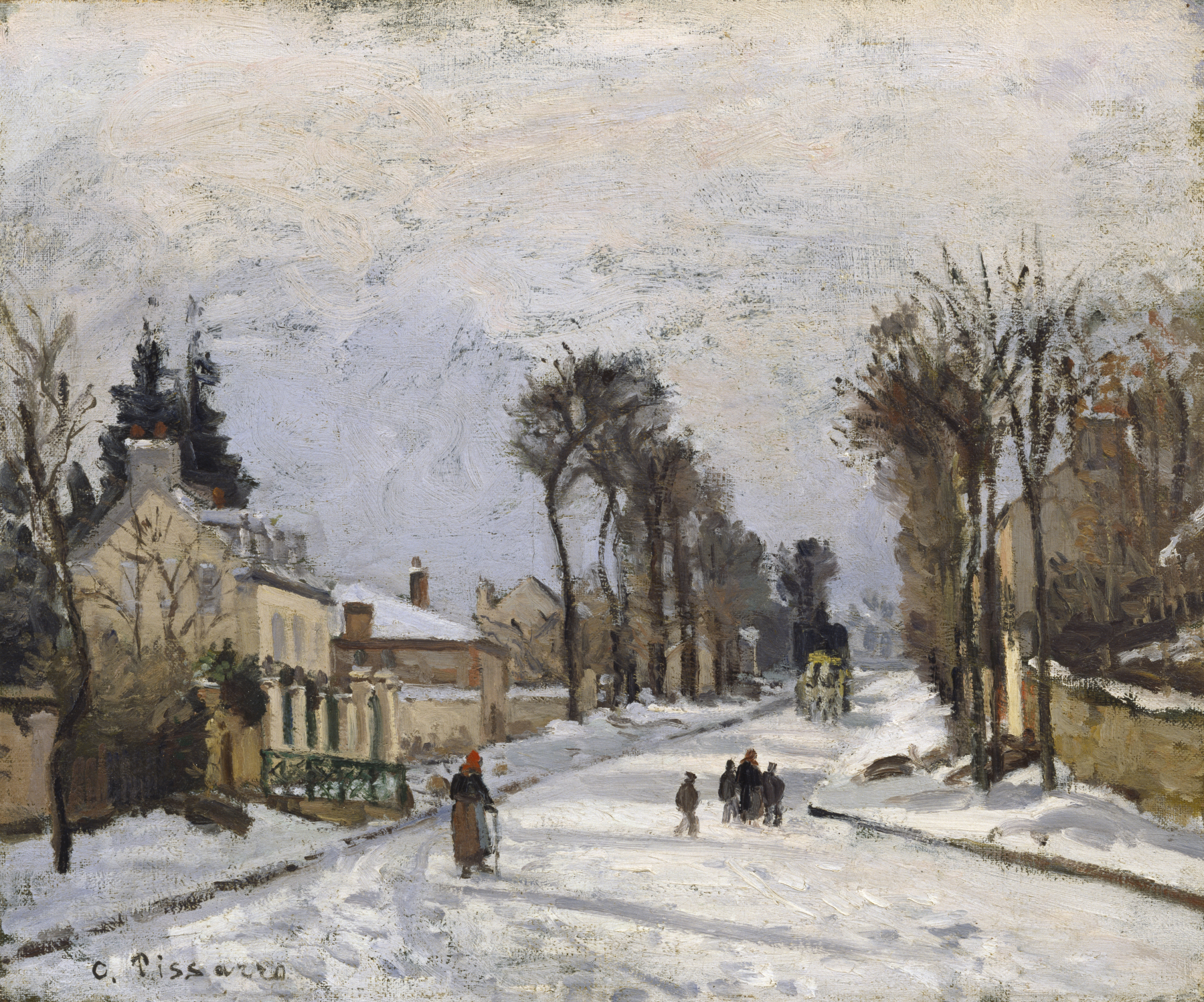
“Road to Versailles at Louveciennes” 1869 Camille Pissarro
Today and its Slip and Fall season everywhere. Accordingly, at the usual hour, we review best practice literature for the safety and sustainability of the surfaces beneath our feet; with special focus on the risk aggregation in educational estates.
Bates v. State Bar of Arizona, 433 U.S. 350 (1977)
Related coverage:
Heat tracing is a process used to maintain or raise the temperature of pipes and vessels in order to prevent freezing, maintain process temperature, or ensure that products remain fluid and flow through the system properly.
Heat tracing works by using an electric heating cable or tape that is wrapped around the pipe or vessel, and then insulated to help retain the heat. The heating cable is connected to a power source and temperature control system that maintains the desired temperature by regulating the amount of heat output from the cable. Heat tracing is commonly used in industrial applications where temperature control is critical, such as in chemical plants, refineries, and oil and gas facilities.
There are several types of heat tracing, including electric heat tracing, steam tracing, and hot water tracing, each of which have their own unique advantages and disadvantages. The selection of the appropriate type of heat tracing depends on the specific application and the required temperature range, as well as factors such as cost, maintenance, and safety considerations.

The literature for snow and ice management (and enjoyment) produced by these standards-setting organizations:
Accredited Snow Contractors Association
American Society of Civil Engineers
American Society of Mechanical Engineers
ASTM International
Destructive Deep Freeze Strikes Cold and Hot Regions Alike
Institute of Electrical & Electronic Engineers
Electrical Heat Tracing: International Harmonization — Now and in the Future
Indiana University.
The most beautiful college campus in the country covered in snow. pic.twitter.com/Tp33cQgKuq
— Alex Paul Photo (@alexpaulphoto) January 11, 2025
International Code Council
International Building Code: Chapter 15 Roof Assemblies and Rooftop Structures
National Electrical Contractors Association
National Fire Protection Association
Winter is Coming: Is Your Facility Protected? (Holly Burgess, November 2022)
National Electrical Code: Articles 426-427
National Floor Safety Institute
Snow and Ice Management Association
Underwriters Laboratories
Manufacturers:
Chromalox Electrical Heat Tracing Systems Design Guide
It is a surprisingly large domain with market-makers in every dimension of safety and sustainability; all of whom are bound by state and federal regulations.
Join us at 16:00 UTC with the login credentials at the upper right of our home page.
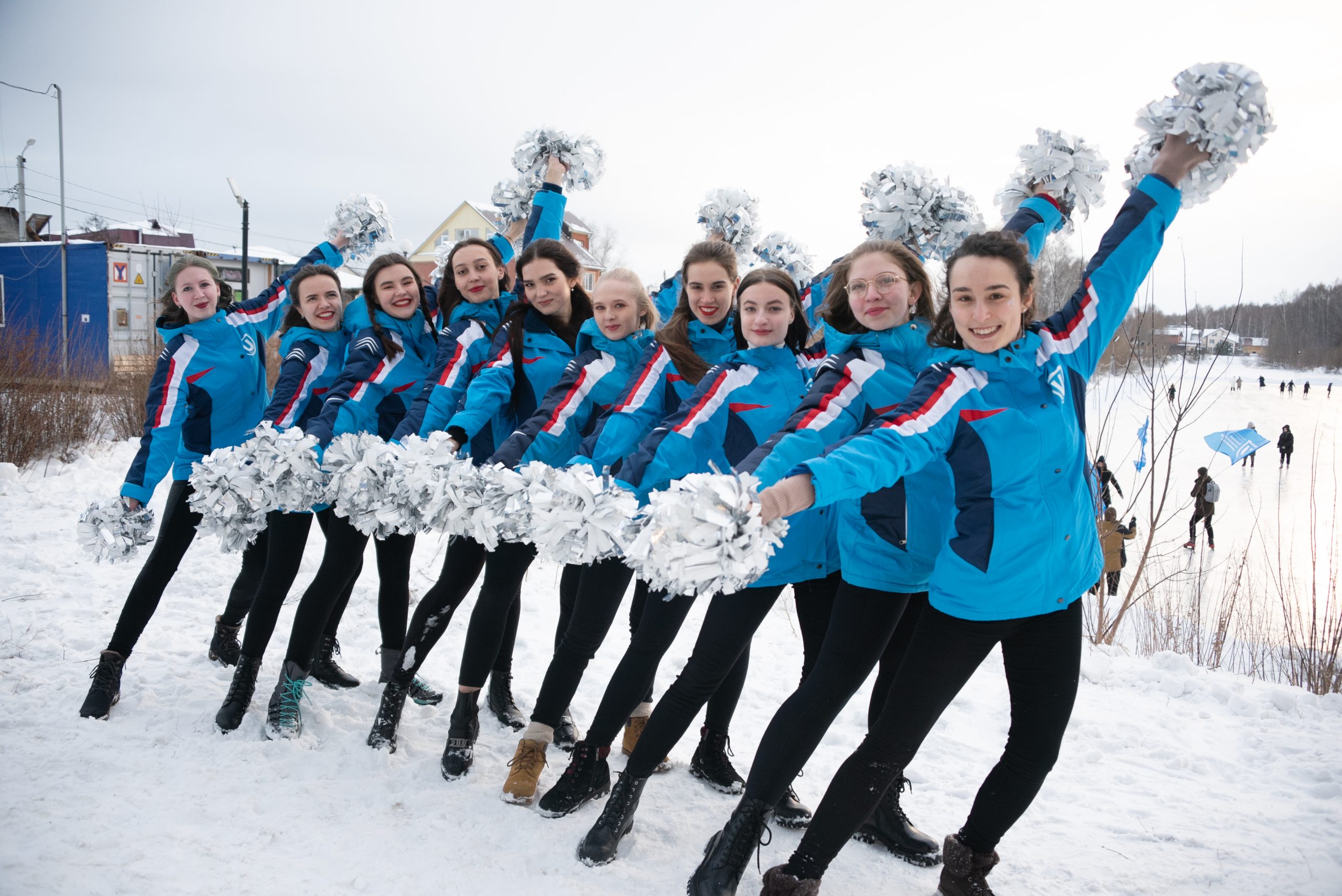
Red surely made the most of his snow day! 🛷 ☃️
Who’s team snow on campus? ❄️ pic.twitter.com/F03KX1XyaR
— The Catholic University of America (@CatholicUniv) January 14, 2025
There have been several recent innovations that have made it possible for construction activity to continue through cold winter months. Some of the most notable ones include:
- Heated Job Site Trailers: These trailers are equipped with heating systems that keep workers warm and comfortable while they take breaks or work on plans. This helps to keep morale up and prevent cold-related health issues.
- Insulated Concrete Forms (ICFs): ICFs are prefabricated blocks made of foam insulation that are stacked together to form the walls of a building. The foam insulation provides an extra layer of insulation to keep the building warm during cold winter months.
- Warm-Mix Asphalt (WMA): WMA is a type of asphalt that is designed to be used in colder temperatures than traditional hot-mix asphalt. This allows road construction crews to work through the winter months without having to worry about the asphalt cooling and becoming unusable.
- Pneumatic Heaters: These heaters are used to warm up the ground before concrete is poured. This helps to prevent the concrete from freezing and becoming damaged during the winter months.
- Electrically Heated Mats: These mats are placed on the ground to prevent snow and ice from accumulating. This helps to make the job site safer and easier to work on during the winter months.
Overall, these innovations have made it possible for construction crews to work through the winter months more comfortably and safely, which has helped to keep projects on schedule and minimize delays.
Somewhat related:
Capturing snow flakes as the fall out of the sky
[📹 Dmitry Dotsenko / dots_foto]pic.twitter.com/e3rwNUGLmK
— Massimo (@Rainmaker1973) January 29, 2025
Beautiful Building Entrances
ICC Means of Egress | NFPA Means of Egress
Classical architects, drawing from ancient Greek and Roman traditions (as codified by Vitruvius), regarded building entrances as the primary expression of venustas (beauty), alongside strength and utility. Entrances served as grand thresholds, symbolizing transition from the profane exterior to the ordered interior.They achieved beauty through harmonious proportion, symmetry, and the golden ratio, ensuring visual delight.
Porticos with elegant columns (Doric, Ionic, or Corinthian), entablatures, and pediments framed doorways, creating majestic first impressions. These elements conveyed prestige, invited reverence, and embodied ideal order, making the entrance the façade’s focal point of timeless elegance and civic or domestic dignity.
We present improvements that are possible on the University of Michigan Ann Arbor campus. We acknowledge that interior design and functionality may have to change.
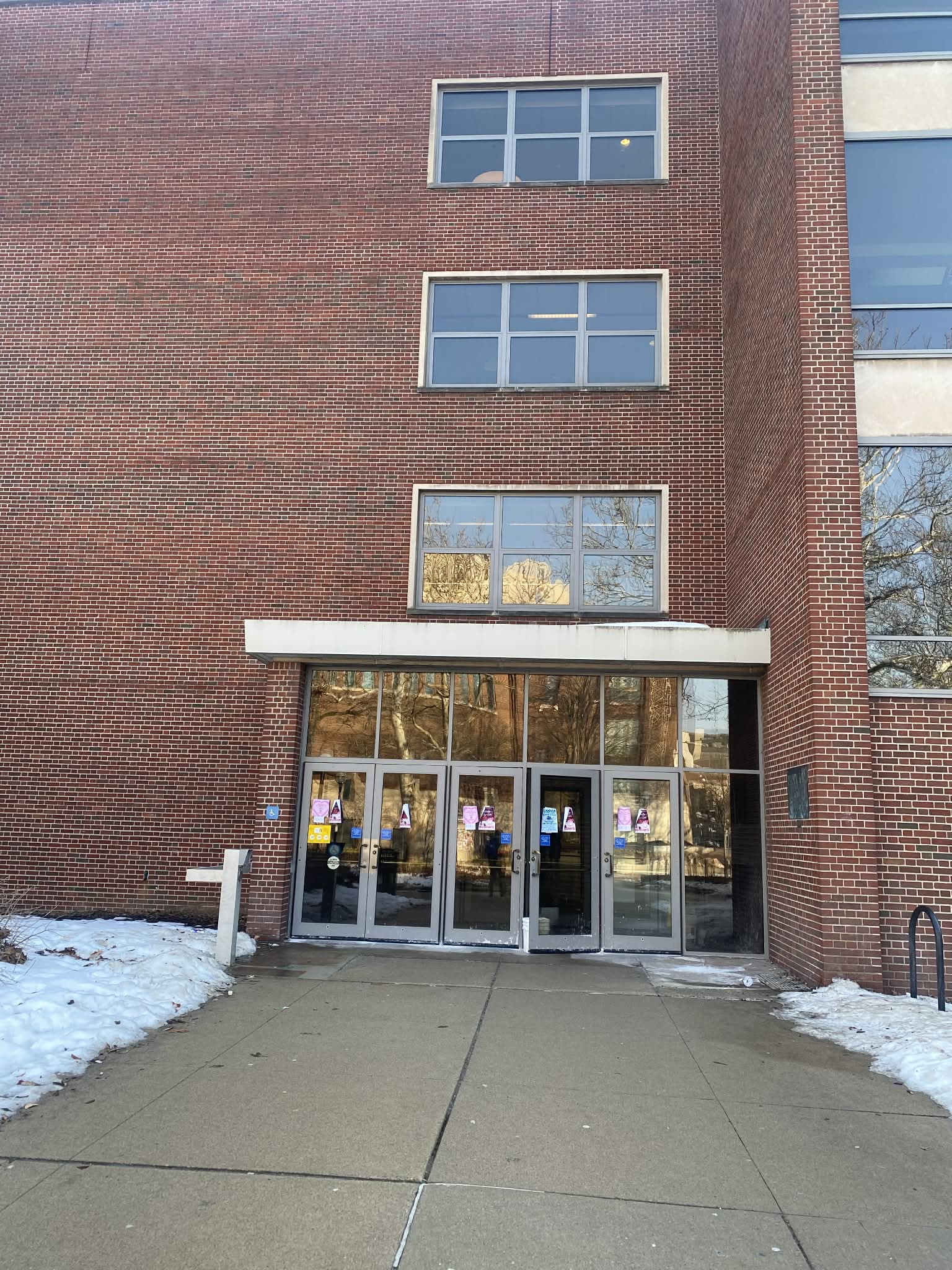
Mason Hall South Entrance NOW | University of Michigan
Standards of beauty for building entrances in architecture emphasize creating a welcoming, harmonious, and memorable first impression. Core principles draw from timeless design tenets like proportion, scale, balance, and emphasis, ensuring the entrance feels appropriately sized relative to the overall structure and surroundings—neither overwhelming nor insignificant.
A beautiful entrance often features symmetry or thoughtful asymmetry for visual harmony, grand yet human-scaled elements like arches, columns, porticos, or recessed doorways that add depth and shelter. Materials matter: high-quality doors (glass for transparency, wood for warmth, or metal for modernity) combined with textures that complement the building’s style create tactile and visual appeal.
Ultimately, beauty arises from blending functionality (accessibility, security, weather protection) with emotional impact: an entrance that feels inviting, ordered, and reflective of the building’s purpose or cultural context.

Mason Hall South Entrance IMPROVED | University of Michigan
Means of egress rules, primarily from the International Building Code (IBC) and NFPA 101, dictate the number and sizes of exit doors to ensure safe evacuation.
Number of exits: Most spaces require at least two exits when the occupant load exceeds 49 (for many occupancies like assembly, business, or mercantile). Loads of 501–1,000 need three exits, and over 1,000 require four or more. Single exits are allowed for low-occupant areas (often ≤49 people) with limited travel distances.
Sizes: Exit doors must provide a minimum clear opening width of 32 inches (813 mm). Required total egress width is calculated from occupant load (typically 0.2 inches per person for nonsprinklered buildings or 0.15 inches for sprinklered), distributed across exits. Doors swing in the egress direction for loads over 50 and must remain operable without keys or special effort.
These ensure adequate capacity and redundancy during emergencies. We treat security standards separately. See our CALENDAR
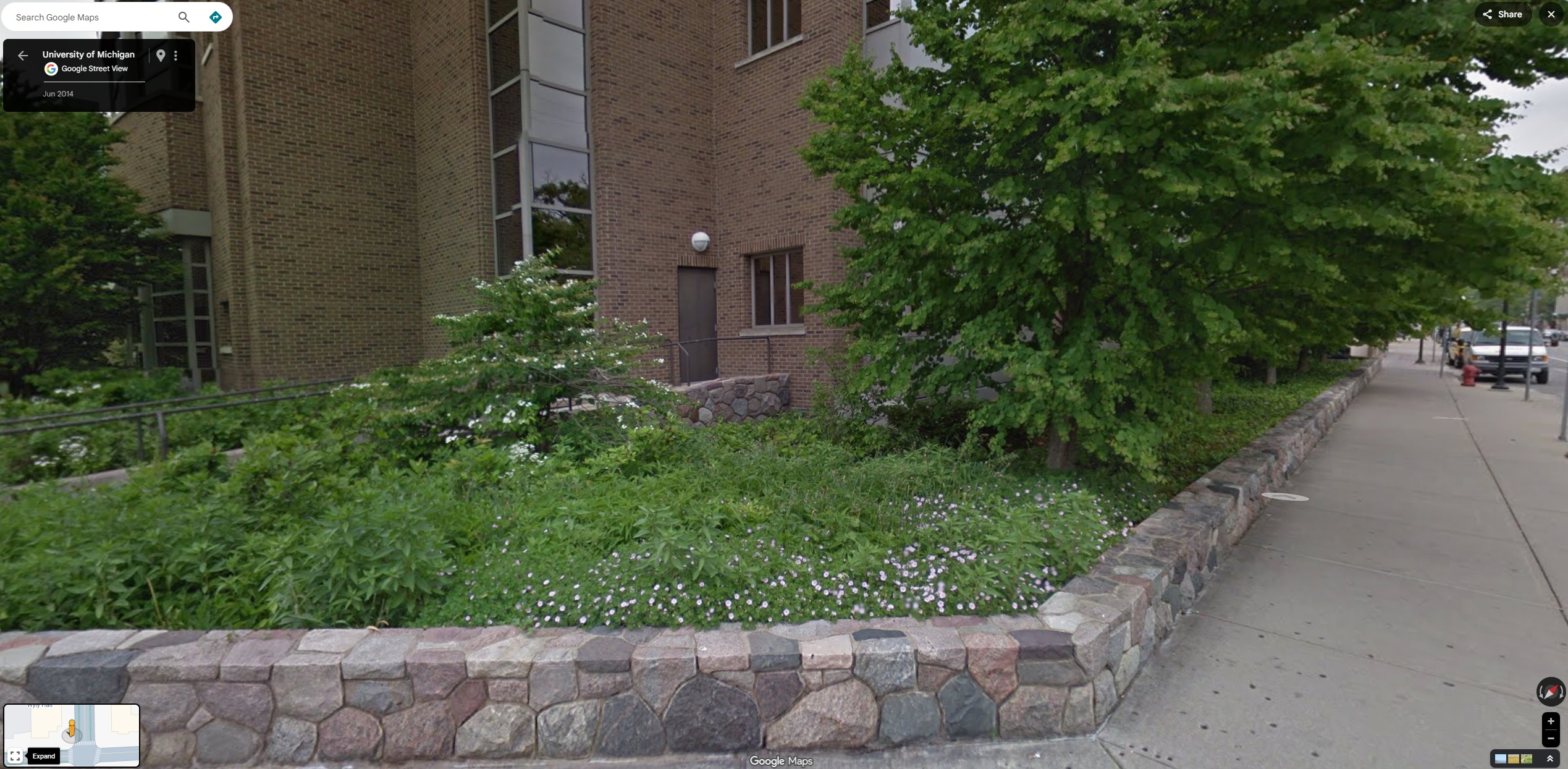
Existing Southeast corner of Wyly Hall
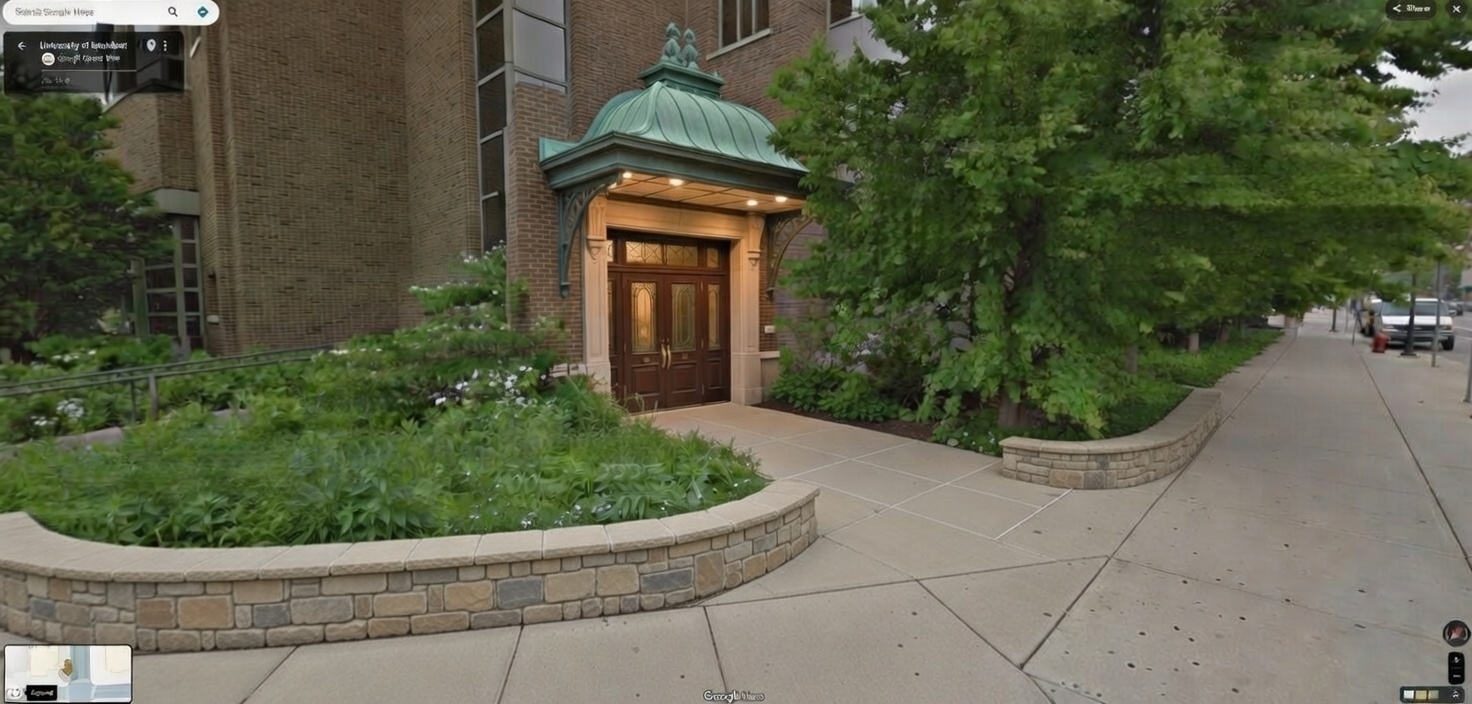
Improved Southeast corner of Wyly Hall

What is a standard?
A standard is a common solution to a recurring problem. The purpose of standards is to create uniform and transparent procedures that we can agree on. It is in everyone’s interest to increase quality, avoid misunderstandings and avoid reinventing the wheel every time.
Standards pave the way for more efficient and resource-efficient production. They also make it easier to procure and sign contracts, as they ensure that buyers and suppliers speak the same language.
Advantages of using standards:
- Creates cost-effective processes
- Establishes a high minimum level
- Increases safety and quality
- Ensures compatibility
- Provides credibility both locally and globally
- Facilitates procurement
- Promotes trade and exports.

Illumination 400
IEEE Education & Healthcare Facilities Committee
NEC Section 226.6 Conductor Size and Support (B) Festoon Lighting
EC&M Article 225: Outside Branch Circuits
Electrical Time: Definition of Festoon Lighting

“Starry Night Over the Rhône” 1888 Vincent van Gogh
Today we refresh our understanding of the moment in illumination technologies for outdoor lighting systems— related but different from our exploration of building interior illumination systems in Illumination 200. Later in 2024 we will roll out Illumination 400 (Holiday illumination) and Illumination 500 which explores litigation related to public illumination technology. As cities-within-cities the shared perimeter of a campus with the host municipality has proven rich in legal controversy and action.
Illumination technology was the original inspiration for the electric utility industry; providing night-time security and transforming every sector of every economy on earth. Lighting load remains the largest component of any building’s electric load — about 35 percent– making it a large target for energy regulations.
Our inquiry begins with selections from the following documents…
International Electrotechnical Commission TC 34 Lighting
IEC 60364 Electrical Installations in Buildings
2023 National Electrical Safety Code
2023 National Electrical Code: Article 410 (While the bulk of the NEC concerns indoor wiring fire hazards, there are passages that inform outdoor lighting wiring safety)
2019 ASHRAE 90.1: Chapter 9 Lighting
Illumination Engineering Society: Various titles
Salt Water River Project: Outdoor Lighting Standards
US DOE-EERE Building Energy Codes Program
…and about 20 other accredited, consortia or ad hoc standards developers and publishers aligned principally with vertical incumbents. Illumination was the original inspiration (i.e. the first “killer app”) for the electrical power industry in every nation. Its best practice literature reflects a fast-moving, shape-changing domain.
Click in today with the login credentials at the upper right of our home page.
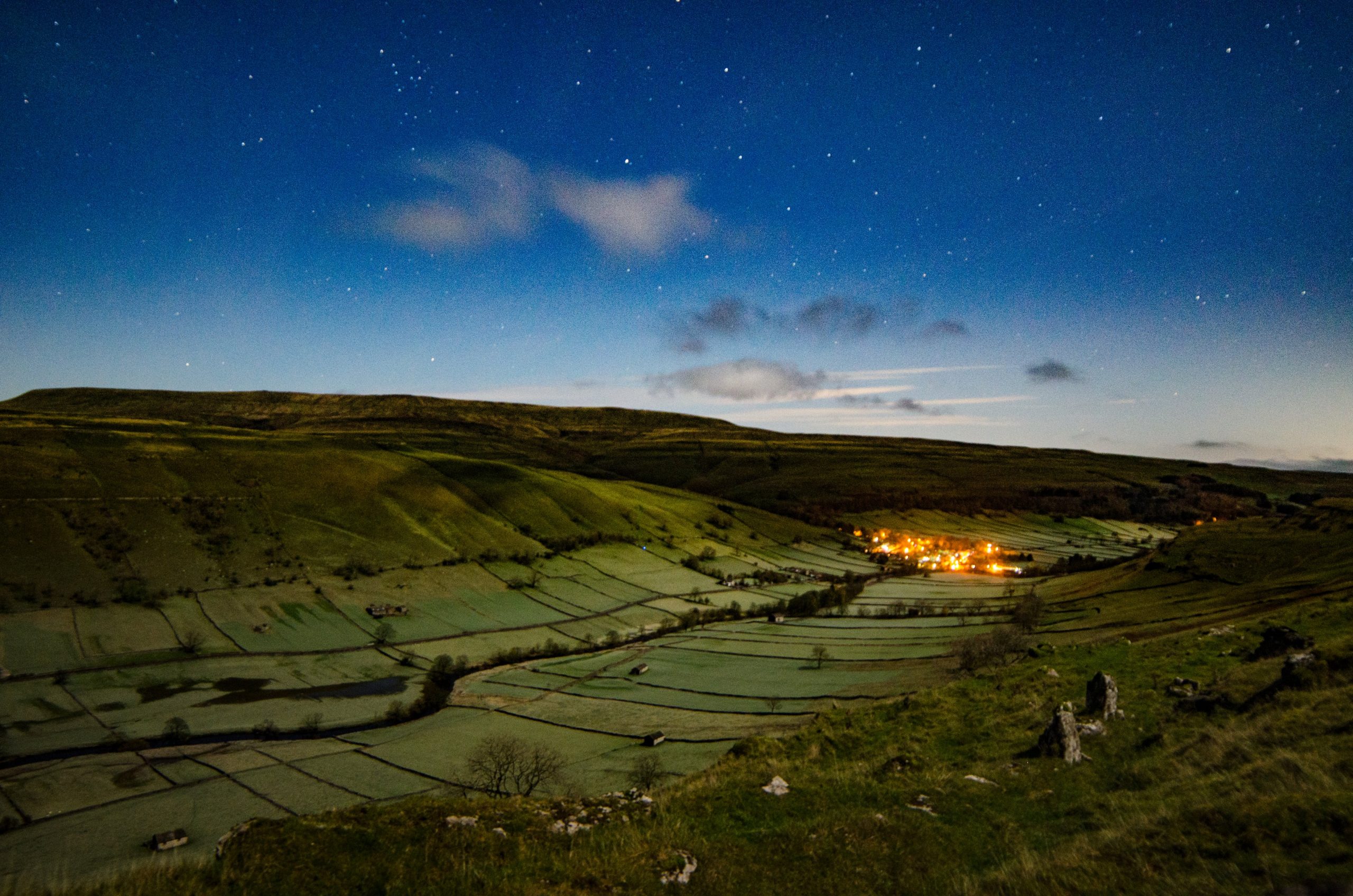
Upper Wharfedale Primary Federation School District Yorkshire Dales
McGill University: Before electricity, streets were filled with gas lights
Outdoor lighting systems can be owned and maintained by different entities depending on the context and location. Here are some examples of ownership regimes for outdoor lighting systems:
- Public ownership: In this case, outdoor lighting systems are owned and maintained by the local government or municipal authority. The lighting may be installed in public spaces such as parks, streets, and other outdoor areas for the safety and convenience of the public.
- Private ownership: Outdoor lighting systems may be owned by private individuals or organizations. For example, a business owner may install outdoor lighting for security or aesthetic reasons, or a homeowner may install outdoor lighting in their garden or yard.
- Co-owned: Outdoor lighting systems may be owned jointly by multiple entities. For example, a residential community may jointly own and maintain outdoor lighting in their shared spaces such as parking areas, community parks, or recreational facilities.
- Utility ownership: Outdoor lighting systems may be owned and maintained by utility companies such as electric or energy companies. These companies may install and maintain street lights or other lighting systems for the public good.
- Third-party ownership: In some cases, a third-party entity may own and maintain outdoor lighting systems on behalf of a public or private entity. For example, a lighting contractor may install and maintain lighting in a public park on behalf of a local government.
The ownership regime of an outdoor lighting system can have implications for issues such as installation, maintenance, and cost-sharing. It is important to consider ownership when designing and implementing outdoor lighting systems to ensure their long-term effectiveness and sustainability.
More
International Commission on Illumination
National Electrical Manufacturers Association
National Electrical Contractors Association
Representative Specifications
Sam Houston State University | Division 26500 Interior and Exterior Lighting
University of Delaware | Division 265100 Interior Lighting
Cal Poly University San Luis Obispo | Division 265100 Interior Lighting
Relevant Research
Enhancing the Sustainability of Outdoor Floodlighting for Cultural Heritage Buildings
Christian Wiman ✨ pic.twitter.com/r95fWwZZmP
— Dr. Maya C. Popa (@MayaCPopa) May 28, 2023

National Electrical Code CMP-8 & 9
Transcripts for Today:
CMP-8 Public Input Report: Wiring Methods and Materials Heavy product standard changes, largely administrative
CMP-9 Public Input Report: Overcurrent Protection…et. al
Use the login credentials at the upper right of our home page.

Photo by a friend of Mike Anthony (Thalassa Raasch, Harvard 2010)
New update alert! The 2022 update to the Trademark Assignment Dataset is now available online. Find 1.29 million trademark assignments, involving 2.28 million unique trademark properties issued by the USPTO between March 1952 and January 2023: https://t.co/njrDAbSpwB pic.twitter.com/GkAXrHoQ9T
— USPTO (@uspto) July 13, 2023
Welcome
Standards Michigan Group, LLC
2723 South State Street | Suite 150
Ann Arbor, MI 48104 USA
888-746-3670
DIRECTIONS
 |
 |
|
 |
 |
|
 |
 |
Layout mode
Predefined Skins
Custom Colors
Choose your skin color
Patterns Background
Images Background
error: Content is protected !!
Skip to content