Category Archives: Transportation/Parking/Mobility

Loading
loading...

Transport & Parking

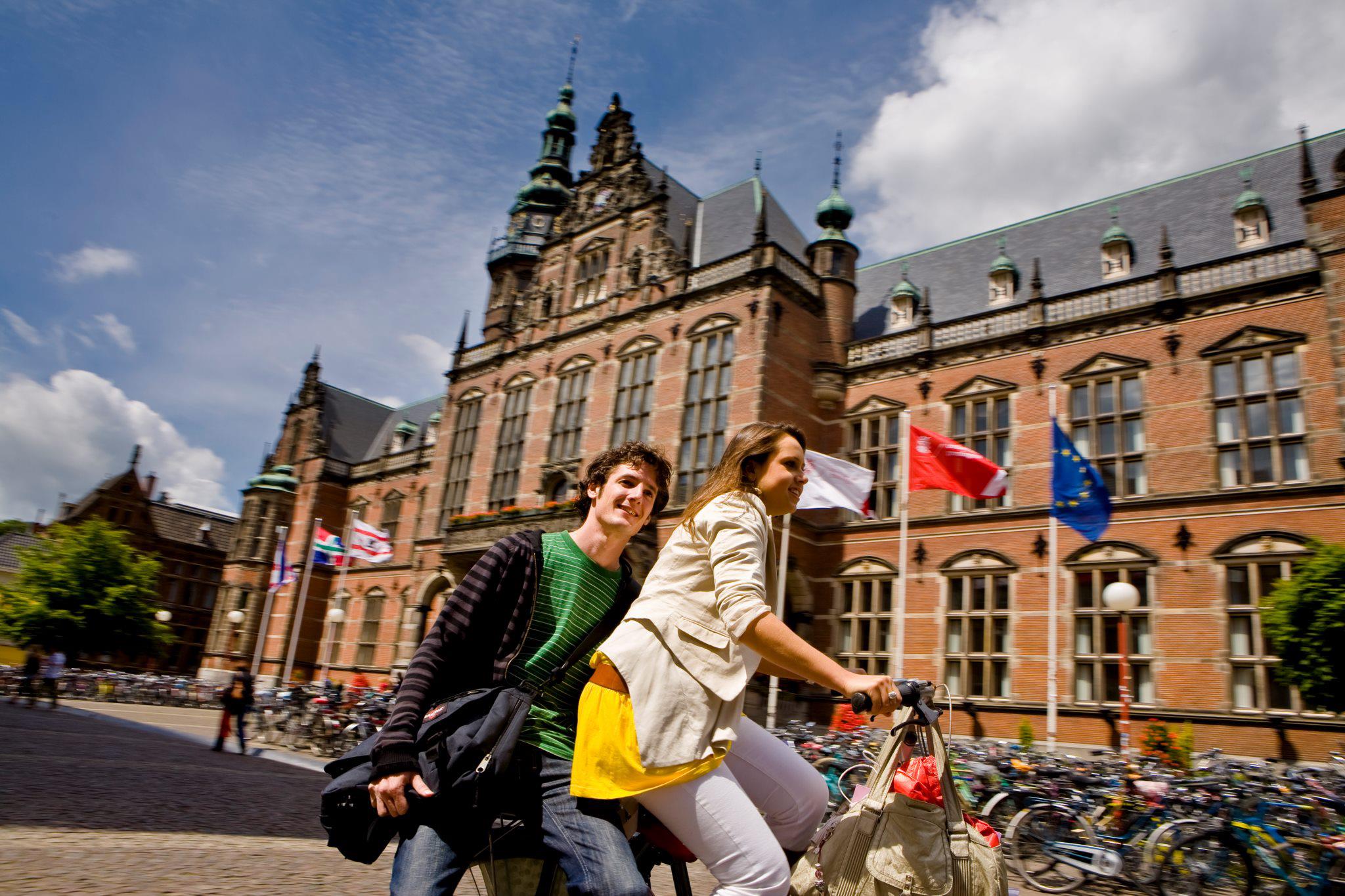
Rijksuniversiteit Groningen

We continue the re-scale and re-organize our approach to the mobility topic generally — responsive to most best practice discovery results — as recorded in technical literature and landing in regulations at all levels of government.  The size of the domain has expanded beyond our means.  We need to approach the topic from more angles — distinguishing among land, air and space mobility — following market acceptance and integration.

Throughout 2024 our inquiries will track relevant titles in the following standards catalogs:

Institute of Electrical and Electronic Engineers

International Code Council

National Fire Protection Association

ASHRAE International

We will maintain priority wherever we find  user-interest issues in product-oriented standards setting catalogs (ASTM International, SAE International and Underwriters Laboratories, for example).  Agricultural equipment standards (were Michigan-based ASABE is the first name) will be place on the periodic Food (Nourriture) and Water standards agenda.  Each organization contributes mightily to the “regulatory state” where we are, frankly, outnumbered.  When their titles appear in interoperability standards that affect the physical infrastructure of campuses we will explore their meaning to our safer, simpler, lower-cost and longer-lasting priority.  (See our ABOUT)

Join us today at the usual time.  Use the login credentials at the upper right of our home page.
 

Drivers facing the yellow-light-dilemma

Electric Vehicle Open Charge Point Protocol


EV Charging Stations Integration into Public Lighting Infrastructure

Connected & Automated Vehicles

Economics of Electric Vehicle Charging Infrastructure in a Campus Setting

Electric Vehicle Charging Infrastructure for Long Distance Travel in Sweden

Collision Resistant Hash Function for Blockchain in V2V Communication

“Waiting for the School Bus in Snow” 1947 John Phillip Falter


Electric Vehicle Charging

International Zoning Code

International Energy Conservation Code

International Existing Building Code

Electric Vehicle Power Transfer System

Gallery: Electric Vehicle Fire Risk

Standard for Parking Structures

Energy Standard for *Sites* and Buildings

High-Performance Green Buildings

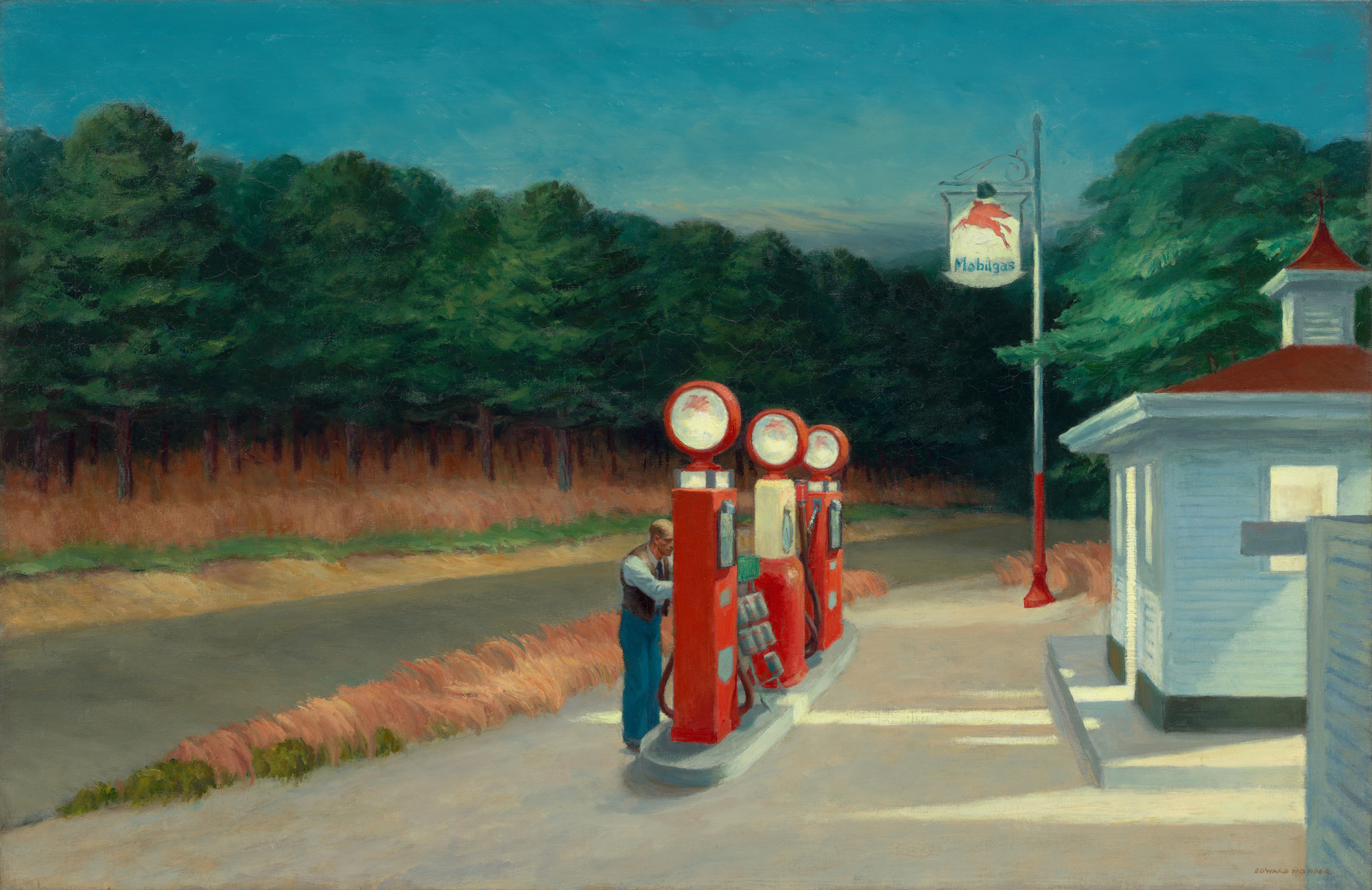
“Gas” 1940 Edward Hopper
Top Deck View

Grand Pump Room

University of Bath: Department of Estates

BSI Group Standards Catalog

BSI Group Standards Catalog

*After the Roman period, Bath remained a small town until the 18th century, when it became a fashionable spa destination for the wealthy. The architect John Wood the Elder designed much of the city’s Georgian architecture, including the famous Royal Crescent and the Circus. Bath also played an important role in the English literary scene, as several famous authors, including Jane Austen, lived and wrote in the city.   During the 19th century, Bath’s popularity declined as other spa towns became fashionable. In the 20th century, the city experienced significant redevelopment and preservation efforts, including the restoration of its Roman baths and the construction of a new spa complex.

Today, Bath is a UNESCO World Heritage Site and a popular tourist destination known for its historical and cultural significance.

Drivers facing the yellow-light-dilemma

Center for Digital Education | University of Michigan


Stochastic hybrid models for predicting the behavior of drivers facing the yellow-light-dilemma

Paul A. Green | University of Michigan

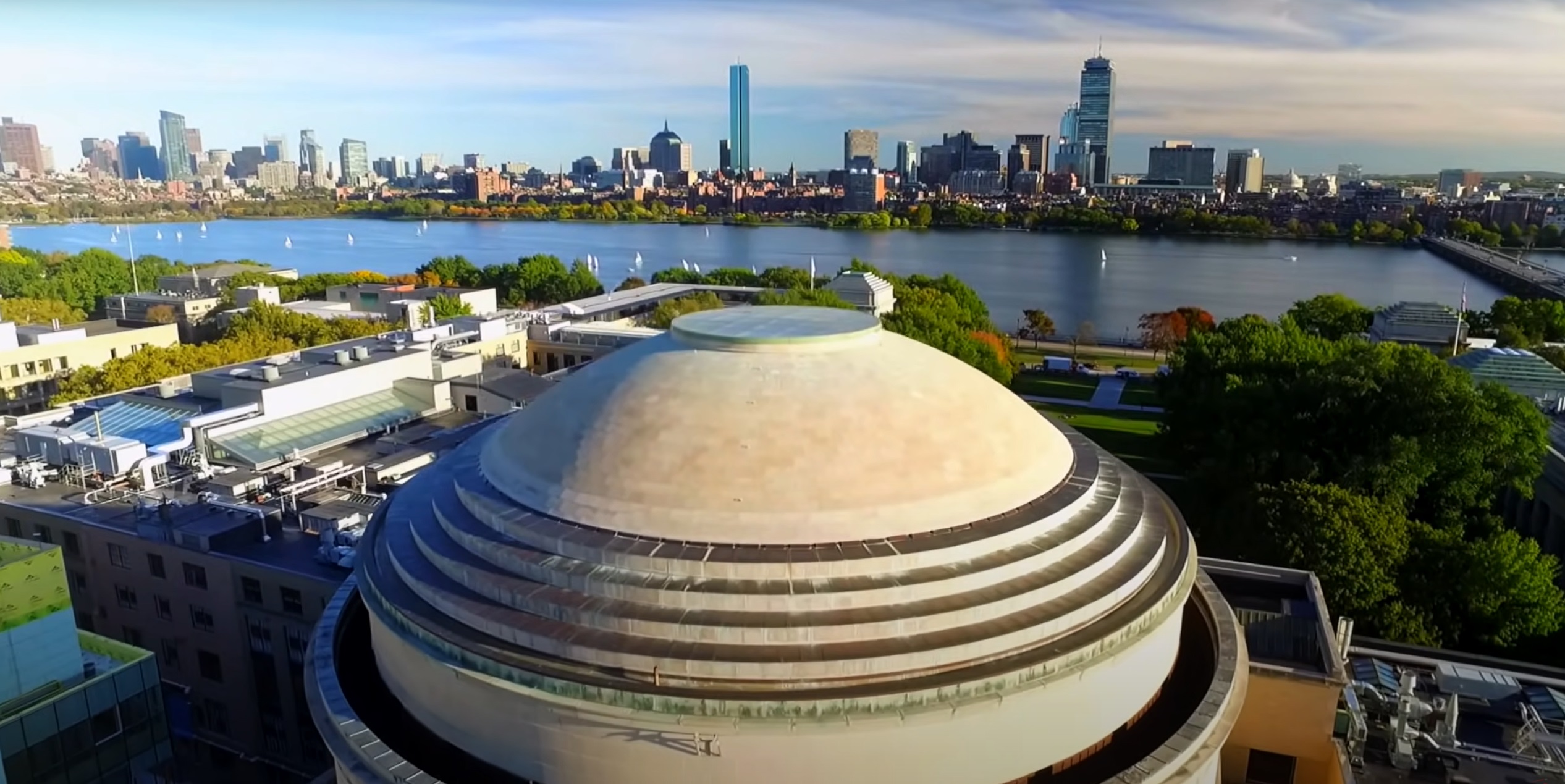
 Daniel Hoehener & Domitilla Del Vecchio | Massachusetts Institute of Technology


Abstract:  We address the problem of predicting whether a driver facing the yellow-light-dilemma will cross the intersection with the red light. Based on driving simulator data, we propose a stochastic hybrid system model for driver behavior. Using this model combined with Gaussian process estimation and Monte Carlo simulations, we obtain an upper bound for the probability of crossing with the red light. This upper bound has a prescribed confidence level and can be calculated quickly on-line in a recursive fashion as more data become available. Calculating also a lower bound we can show that the upper bound is on average less than 3% higher than the true probability. Moreover, tests on driving simulator data show that 99% of the actual red light violations, are predicted to cross on red with probability greater than 0.95 while less than 5% of the compliant trajectories are predicted to have an equally high probability of crossing. Determining the probability of crossing with the red light will be important for the development of warning systems that prevent red light violations.

CLICK HERE to order complete article

Standard for Parking Structures

Tallinna Ülikool | University of Estonia | Parking place art


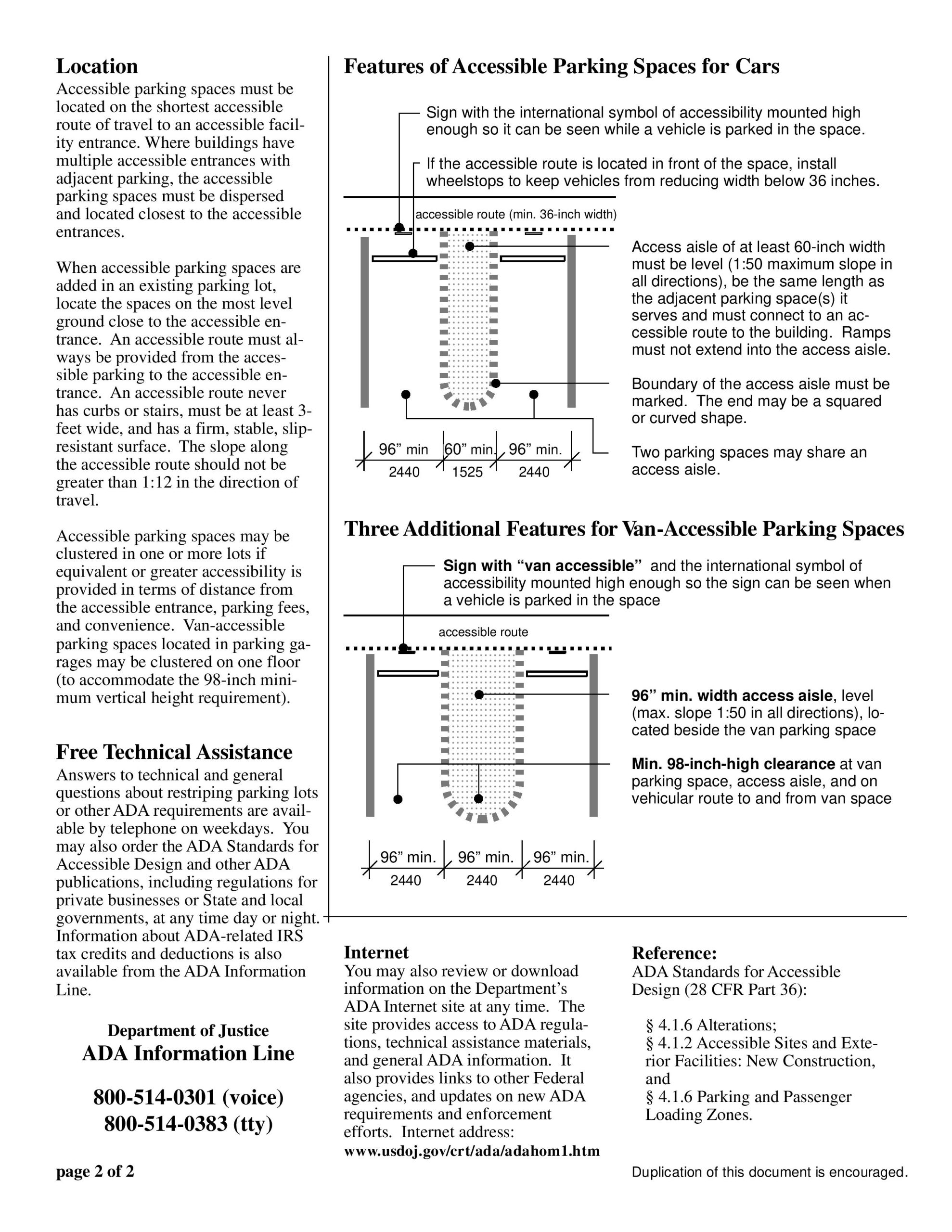
Parking — the lack of it, the cost of it — has always been a sensitive issue in education communities.  Into the mix add the expansion of electric vehicle charging stations, ride sharing, and micromobility.   Their construction characteristics make them ideal locations for storage enterprises and emergency generators.  NFPA 88A Standard for Parking Structures asserts best practice of a small but important part of it; the construction and protection of, as well as the control of hazards in, open and enclosed parking structures. Things get complicated with other occupancy classes merge with it; especially so when electric vehicle battery fires present another order of magnitude of risk.

The 2023 Edition (recently released) can be read in the link below:

FREE ACCESS: Standard for Parking Structures

Insight into the ideas that are in play can be tracked in the transcripts linked below:

First Draft Meeting Agenda

Second Draft Meeting Agenda

Note the concern for the overlap and space between this title and passages in International Code Council catalog.  We limit our concern for fire safety and more education communities build high rise student accommodation with integral parking structures.   The bibliography is extensive (References Pages 92 – 99):

The 2027 edition of this standard is open for public input until June 4, 2024.  CLICK HERE to get started on your own.

We hold this title on the standing agenda of our Prometheus and Mobility colloquium.  See our CALENDAR for the next online meeting; open to everyone.


Issue: [17-235]

Category: Parking & Transportation, Space Planning, Facility Asset Management

Colleagues: Mike Anthony, Josh Elvove. Joe DeRosier

Gallery: Electric Vehicle Fire Risk

Campus Rail Transit

The West Virginia University PRT (Personal Rapid Transit) system is a unique and innovative form of public transportation that serves the WVU campus and the city of Morgantown, West Virginia. The PRT system consists of a series of automated, driverless vehicles that operate on an elevated track network, providing fast and convenient transportation to key destinations on and around the WVU campus.

The PRT system was first developed in the 1970s as a solution to the growing traffic congestion and parking demand on the WVU campus. The system was designed to be efficient, reliable, and environmentally friendly, and to provide a high-tech, futuristic mode of transportation that would appeal to students and visitors.

The PRT system currently operates five different stations, with stops at key campus locations such as the Mountainlair Student Union, the Engineering Research Building, and the Health Sciences Center. The system is free for all WVU students, faculty, and staff, and also offers a low-cost fare for members of the general public.

The PRT system has been recognized as one of the most advanced and innovative public transportation systems in the world, and has won numerous awards for its design, efficiency, and environmental sustainability. It has also become an iconic symbol of the WVU campus, and is often featured in promotional materials and advertising campaigns for the university.

Standards West Virginia

More

Federal Transit Administration

West Virginia Department of Education: School Transportation

“Evaluation of the West Virginia University Personal Rapid Transit System” | A. Katz and A. Finkelstein (Journal of Transportation Engineering, 1987) This paper evaluates the technical and operational performance of the WVU PRT system based on data collected over a six-year period. The authors identify several issues with the system, including maintenance problems, limited capacity, and difficulties with vehicle docking and undocking.

“Modeling of the West Virginia University Personal Rapid Transit System” by J. Schroeder and C. Wilson (Transportation Research Record, 2002) This paper presents a mathematical model of the WVU PRT system that can be used to analyze its performance and identify potential improvements. The authors use the model to evaluate the impact of various factors, such as station dwell time and vehicle capacity, on the system’s overall performance.

“Evaluating the Effectiveness of Personal Rapid Transit: A Case Study of the West Virginia University System” by K. Fitzpatrick, M. Montufar, and K. Schreffler (Journal of Transportation Technologies, 2013) This paper analyzes the effectiveness of the WVU PRT system based on a survey of users and non-users. The authors identify several challenges facing the system, including low ridership, reliability issues, and high operating costs.

Association for Commuter Transportation: Accreditation Standards


Push-Cart Cold Brew

Standards Indiana | Indiana University Total Net Position: $5.223B

The Science of Food Standards

Poutine

Standard Poutine

Health Canada: Food safety standards and guidelines

A poutine pilgrimage: What one professor learned by digging into the origins of the iconic Canadian dish

Dalhousie University researcher Sylvain Charlebois, known as “the food professor,” enjoys a poutine at a restaurant in Brisbane, Australia.


Emerging Transportation Technology

“Little Children on a Bicycle” mural on Armenian Street, George Town, Penang by Lithuanian artist Ernest Zacharevic as part of the George Town Festival 2012


The school bus system is the largest mass transportation system in the United States*

and has eluded the “gales of creative destruction”**  found in other industries.


In April the US Department of Transportation (DOT) created the Non-Traditional and Emerging Transportation Technology (NETT) Council to identify and resolve jurisdictional and regulatory gaps associated with non-traditional and emerging transportation projects pending before DOT, including with respect to safety oversight, environmental review, and funding issues. The Office of the Secretary of Transportation invites comments on projects, issues, or topics that DOT should consider through the NETT Council, including regulatory models and other alternative approaches for non-traditional and emerging transportation technologies.

The Federal Register Notice is linked below:

DEPARTMENT OF TRANSPORTATION / Office of the Secretary / Docket No. DOT–OST–2019–0165

Comments directly to the DOT are due January 10, 2020.

Apart from inter- and intra- campus travel issues, there are three reasons for Standards Michigan interest in the DOT inquiry:

  • According to DOT statistics the American school bus system is the largest public transportation operation in the United States; with nearly 500,000 vehicles moving 26 million children to school every day.
  • A great deal of federal funding is allocated to transportation research.
  • Academic programs in engineering and urban planning must include an understanding of public and private transportation issues.   

For the education facility industry, Standards Michigan prefers privately developed consensus products; preferably by accredited or open-source standard developers with robust outreach toward the user-interest.   The American National Standards Institute — the not-for-profit organization that supports the voluntary standards and conformity assessment system — is planning to develop a response to the Request for Information, and strongly encourages its members and constituents to either respond directly to the RFI or to contribute to the ANSI’s response.

Contributions to ANSI’s response are due December 20th.

We place this commenting opportunity on the agenda of our monthly Transportation & Parking teleconference.  See our CALENDAR for the next online meeting; open to everyone.

The St. Mary's River is a binational "Area of Concern" under the Great Lakes Water Quality Agreement

Campuses are “cities-within-cities” and perfect study units for cities of the future

Issue: [19-152]

Category: Transportation & Parking

Colleagues: Mike Anthony, Paul Green. Richard Robben

* America’s Largest Transit System

** Joseph Schumpeter: Schöpferische Zerstörung


LEARN MORE:

Bureau of Transportation Statistics

The Yellow School Bus Industry

ANSI Announcement / November 27, 2019

Layout mode
Predefined Skins
Custom Colors
Choose your skin color
Patterns Background
Images Background
Standards Michigan
error: Content is protected !!
Skip to content