Category Archives: @STDMI

Loading
loading...

Standards February: Discovery & Invention

“Science advances one funeral at a time”
— Max Planck
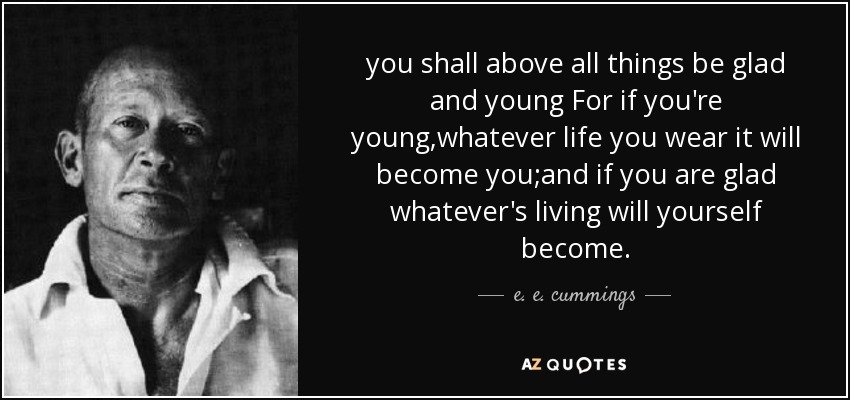
you shall above all things be glad and young For if you're young,whatever life you wear it will become you;and if you are glad whatever's living will yourself become. - e. e. cummingsCareer & Technical Education Month | #CTEMonth

Philosophiæ Naturalis Principia Mathematica | 1686 Sir Issaac Newton

A Mathematical Theory of Communication | 1948 Claude E. Shannon (University of Michigan)

“White People Didn’t Invent Slavery They Ended It!? | Veli Xtreme – Candice Owens

Image: Christopher Newport University

1955 Polio Vaccine: Jonas Salk (University of Michigan)

Reflections / John Nash

The Future of Cosmology | Roger Penrose

A Structure for Deoxyribose Nucleic Acid | James Watson & Francis Crick

Quantum Information Science


Sir Isaac Newton’s Principia: Mathematical Principles of Natural Philosophy

“One teacher even failed me in Chemistry” Tomas Lindahl

Discovery of Receptors for Temperature and Touch

Speculative Prices, Inflation & Behavioral Economics


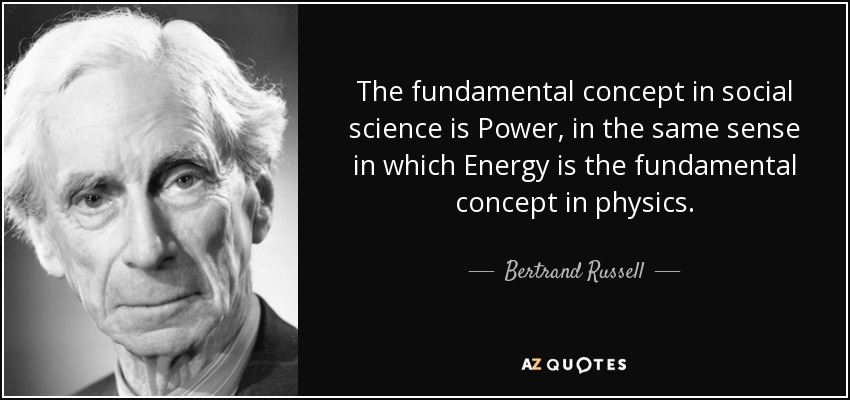
The fundamental concept in social science is Power, in the same sense in which Energy is the fundamental concept in physics. - Bertrand Russell

Time Series Analysis, Cointegration and Applications


The Steam Engine: The invention of the steam engine in the 18th century by pioneers like James Watt revolutionized industry, transportation, and agriculture, powering factories, locomotives, and ships and driving the Industrial Revolution.

The Internal Combustion Engine: The development of the internal combustion engine in the 19th century revolutionized transportation and manufacturing, leading to the proliferation of automobiles, airplanes, and machinery that powered economic growth and globalization.

The Internet: Originating from research projects in the late 20th century, the internet has become a fundamental infrastructure for communication, commerce, education, and entertainment, connecting billions of people worldwide and enabling unprecedented access to information and resources.

Semiconductors and Integrated Circuits: The invention of semiconductors and integrated circuits in the mid-20th century paved the way for the digital revolution, enabling the miniaturization and mass production of electronic devices such as computers, smartphones, and microprocessors.

Agriculture: The transition from a hunter-gatherer lifestyle to settled agriculture marked the beginning of civilization and allowed for the development of permanent settlements, leading to population growth, specialization of labor, and the emergence of complex societies.

The Wheel: Invented around 3500 BCE, the wheel revolutionized transportation, enabling the movement of goods and people over long distances and laying the foundation for subsequent advancements in engineering and machinery.

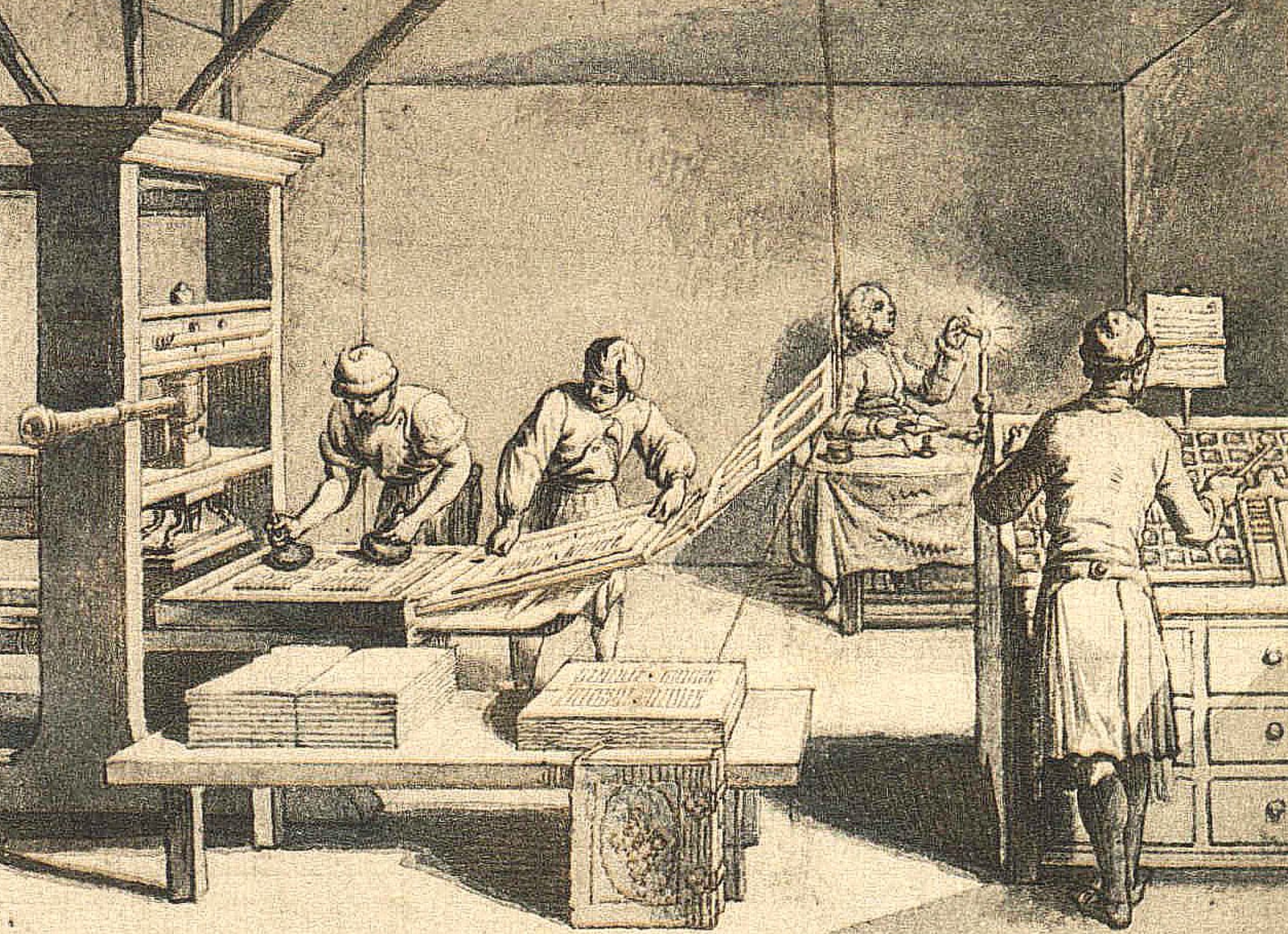
Writing: The development of writing systems, such as cuneiform in Mesopotamia and hieroglyphs in Egypt, facilitated the recording and dissemination of information, contributing to the preservation of knowledge, governance, and cultural expression.

Martingale Representation Theorem

Elevators & Lifts

The first elevator in the United States was installed at Harvard University in 1874. It was not a passenger elevator as we typically think of today, but rather a freight elevator used to move heavy items within a building. The installation of this elevator marked an important development in building technology and transportation within multi-story structures. It was based on the design of Elisha Otis, who is famous for inventing the safety elevator with a safety brake system that prevents the elevator from falling if the hoisting cable fails. Otis’ innovation played a pivotal role in making elevators safe and practical for everyday use, leading to their widespread adoption in buildings around the world.

Elevator design by the German engineer Konrad Kyeser (1405)
Education communities are stewards of 100’s of lifts, elevators and moving walks.  At the University of Michigan, there are the better part of 1000 of them; with 19 of them in Michigan Stadium alone.   The cost of building them — on the order of $50,000 to $150,000 per floor depending upon architectural styling — and the highly trained staff needed to operate, maintain and program interoperability software is another cost that requires attention.   All building design and construction disciplines — architectural, mechanical and electrical have a hand in making this technology safe and sustainabile.

We start with international and nationally developed best practice literature and work our way to state level adaptations.  Labor for this technology is heavily regulated.

Its a rarefied and crazy domain for the user-interest.  Expertise is passionate about safety and idiosyncratic but needs to be given the life safety hazard.  Today we review o pull together public consultation notices on relevant codes, standards and regulations today  11 AM/EDT.

Московский государственный университет имени

Elevators 500

More

NFPA 70 Article 620 Elevators, etc.

NEC Article 620 | David Herres

Elevator U

International Building Code Chapter 30: Elevators and Conveying Systems

Inside Higher Ed: Tragedy in an Elevator

Jimlielevators

University of Michigan Elevator Recall Control Wiring Schematic

University of Michigan Elevator Shaft Lighting Schematic


archive

print (“Hello World!”)
Data Points (2023 Estimates for 193 countable nations):

Global Gross Domestic Product (GGDP) ~ $106.17T

Anglosphere (United States, United Kingdom, Canada, Australia, New Zealand) ~ $31T (or ~32% of GGDP)

United States GDP $27T (or about 1/3rd of GGDP)


“Livres des Merveilles du Monde” 1300 | Marco Polo | Bodleian Libraries, University of Oxford

Today we break down consultations on titles relevant to the technology and management of the real assets of education communities in the United States specifically; but with sensitivity to the global education markets where thousands of like-minded organizations also provide credentialing, instruction, research, a home for local fine arts and sport.

We steer away from broad policy issues and steer toward technical specifics of public consultations presented by national member bodies of the International Electrotechnical Commission, the International Organization for Standardization, the International Telecommunications Union and the American National Standards Institute.  If there is a likelihood that the titles published by these workgroups will be incorporated by reference into public safety or sustainability legislation; or integrated into the cost structure of education communities in any other way, we will listen carefully and contribute meaningfully where we can.

Vienna Convention on Diplomatic Relations | 1961 

 
“Even apart from the instability due to speculation, there is the instability due to the characteristic of human nature that a large proportion of our positive activities depend on spontaneous optimism rather than on a mathematical expectation, whether moral or hedonistic or economic. Most, probably, of our decisions to do something positive, the full consequences of which will be drawn out over many days to come, can only be taken as the result of animal spirits — a spontaneous urge to action rather than inaction, and not as the outcome of a weighted average of quantitative benefits multiplied by quantitative probabilities. Enterprise only pretends to itself to be mainly actuated by the statements in its own prospectus, however candid and sincere that prospectus may be. Only a little more than an expedition to the South Pole is it based on an exact calculation of benefits to come. Thus if the animal spirits are dimmed and the spontaneous optimism falters, leaving us to depend on nothing but a mathematical expectation, enterprise will fade and die; — though fears of loss may have a basis no more reasonable than hopes of profit had before.”

“The General Theory of Employment, Interest, and Money” 

— John Maynard Keynes, 1936

International Standard Classification of Education

American National Standards Institute

2026 World Standards Week TBD.  NEMA will host

World Standards Week 2023

Setting the standard: Grange members can be voice of rural users in standardization system

ISO/IEC/ITU coordination – Listing of New Work Items (New: Passwords Required)

New ANSI Education Initiative Supports the Next Generation of Standardization Leaders

International Code Council

2024/2025/2026 ICC CODE DEVELOPMENT SCHEDULE (3/17/2023)

International Zoning Code

International Electrotechnical Commission

International Electrotechnical Commission | CDV Consultations

IEC Open Consultations: 20 December

USNC/IEC  Current Winter 2023

IEC 87th General Meeting | Cairo, 22 – 26 October

Results from IEC General Assembly 2022 | San Francisco

Going All-Electric

Extended Versions  Certain standards are required to be read in tandem with another standard, which is known as a reference (or parent) document. The extended version (EXV) of an IEC Standard facilitates the user to be able to consult both IEC standards simultaneously in a single, easy-to-use document.

Elettrotecnico Lingua Franca

International Telecommunications Union

The case for standardizing homomorphic encryption

Outcomes of the ITU Plenipotentiary Conference

World Radiocommunication Conference

International Standardization Organization

How ISO codes connect the world

New partnership for ISO and ICC

Must-have skills for the green economy

Building Environment Design

A partial list of projects with which we have been engaged as an active participant; starting with the original University of Michigan enterprise in the late 1990’s and related collaborations with IEEE and others: (In BOLD font we identify committees with open consultations requiring a response from US stakeholders before next month’s Hello World! colloquium)

IEC/TC 8, et al System aspects of electrical energy supply

IEC/TC 22 Power electronic systems and equipment

IEC/TC 34 Lighting

IEC/TC 62 Electrical equipment in medical practice

IEC/TC 64 Electrical installations and protection against electric shock

IEC/TC 82 Solar photovoltaic energy systems

IEC/SYC Electrotechnical Aspects of Smart Cities

SyC Smart Energy


Standards Michigan Workspace for IEC/ITU Consultations


ISO/IEC JTC 1 Information Technology, et. al

ISO/TC 205 Building environmental design

ISO/TC 215 Health Informatics

ISO/TC 229 Nanotechnologies

ISO/TC 232 Education and Learning Services

ISO/TC 251 Asset Management

ISO/TC 260 Human Resource Management

ISO/TC 267 Facility Management

ISO/TC 268 Sustainable cities and communities

ISO/TC 274 Light and Lighting

ISO/TC 276 Biotechnology

ISO/TC 301 Energy management and energy savings

ISO/TC 304 Healthcare organization management

ISO/TC 336 Laboratory Design

We collaborate with the appropriate ANSI US TAG; or others elsewhere in academia.   We have begun tracking ITU titles with special attention to ITU Radio Communication Sector.

main( ) {
        printf("hello, world\n");
}

We have collaborations with Rijksuniversiteit Groningen, Sapienza – Università di Roma, Universität Zürich, Universität Potsdam, Université de Toulouse. Universidade Federal de Itajubá, University of Windsor, the University of Alberta, to name a few — most of whom collaborate with us on electrotechnology issues.  Standards Michigan and its 50-state affiliates are (obviously) domiciled in the United States.  However, and for most issues, we defer to the International Standards expertise at the American National Standards Institute

ANSI INTERACTIVE MAP: INTERNATIONAL TRADE & DEVELOPMENT

Use the login credentials at the upper right of our home page.


These three regions make up 50% of world GDP


More

Data Point: Global Construction Market is Expected to Reach $11 trillion by 2031

General Public Participation in ANSI ISO Activities

March 2021 edition of the TMB Communiqué.

ISO/IEC Directives, Part 1

ISO/IEC Directives, Part 1, Consolidated ISO Supplement

International Electrotechnical Commission Annual Report 2019

ISO Update  2021-02-09

ANSI Education & Training Overview

ANSI Guide for US Delegates

ITU Digital Technical Standards


* A “Hello, World!” program generally is a computer program that outputs or displays the message “Hello, World!”. Such a program is very simple in most programming languages (such as Python and Javascript) and is often used to illustrate the basic syntax of a programming language. It is often the first program written by people learning to code. It can also be used as a sanity test to make sure that a computer language is correctly installed, and that the operator understands how to use it.


Ædificare & Utilization

New Construction Release Schedule: https://www.census.gov/construction/c30/release.html

The next report will be released February 27th; possibly the result of government shutdowns.  Given that the regular monthly cadence has been interrupted we will continue placing it on our first day of the month custom.


There’s been a significant redesign of the look and feel of the monthly Census Bureau reports construction activity. Today we sort through the rather more granular statistics that inform our recommendations for facility spend.


December 1, 2025

It has been 20 years since we began tracking educational settlement facility spend.  Starting this month we will examine federal government data together with the best available data about space utilization to enlighten our response to the perfectly reasonable question: “Are we over-building or under-building or building ineffectively”.  Use the login credentials at the upper right of our home page.

United States: Schools of Architecture

The Society for College and University Planning (Ann Arbor, Michigan)

National Center for Education Statistics

The Financial Impact of Architectural Design: Balancing Aesthetics and Budget in Modern Construction


Homeschooling

2022 International Existing Building Code 

  • University College London

As reported by the US Department of Commerce Census Bureau the value of construction put in place by August 2025 by the US education industry proceeded at a seasonally adjusted annual rate of $137.604 billion.  This number does not include renovation for projects under 50,000 square feet and new construction in university-affiliated health care delivery enterprises.   Reports are released two months after calendar month.  The complete report is available at the link below:

MONTHLY CONSTRUCTION SPENDING August 2025 (released two months after calendar month)


This spend makes the US education facilities industry (which includes colleges, universities, technical/vocational and K-12 schools, most university-affiliated medical research and healthcare delivery enterprises, etc.) the largest non-residential building construction market in the United States after commercial property; and fairly close.  For perspective consider total public + private construction ranked according to the tabulation most recently released:

$137.604 billion| Education Facilities

$155.728 billion | Power

$69.625 billion | Healthcare

Keep in mind that inflation figures into the elevated dollar figures.  Overall — including construction, energy, custodial services, furnishings, security. etc., — the non-instructional spend plus the construction spend of the US education facilities is running at a rate of about $300 – $500 billion per year.

LIVE: A selection of construction cameras at  US schools, colleges and universities

Architectural Billings

We typically pick through the new data set; looking for clues relevant to real asset spend decisions.  Finally, we encourage the education facilities industry to contribute to the accuracy of these monthly reports by responding the US Census Bureau’s data gathering contractors.

Reconstruction of Ancient Agora


As surely as people are born, grow wealthy and die with extra cash,

there will be a home for that cash to sustain their memory and to steer

the cultural heritage of the next generation in beautiful settings.

More

National Center for Educational Statistics

AIA: Billings Index shows but remains strong May 2022

National Center for Education Statistics

Sightlines: Capital Investment College Facilities

OxBlue: Time-Lapse Construction Cameras for Education

Architectural Billing Index

IBISWorld Education Sector

US Census Bureau Form F-33 Survey of School System Finances

American School & University

Global Consistency in Presenting Construction & Life Cycle Costs

Carnegie Classifications

Sacred Spaces

“We need the sense of the sacred, and the sense that things transcend our grasp.

We need to know that we are dependent on others,

and that the condition of our existence is the existence of others.”

— Sir Roger Scruton

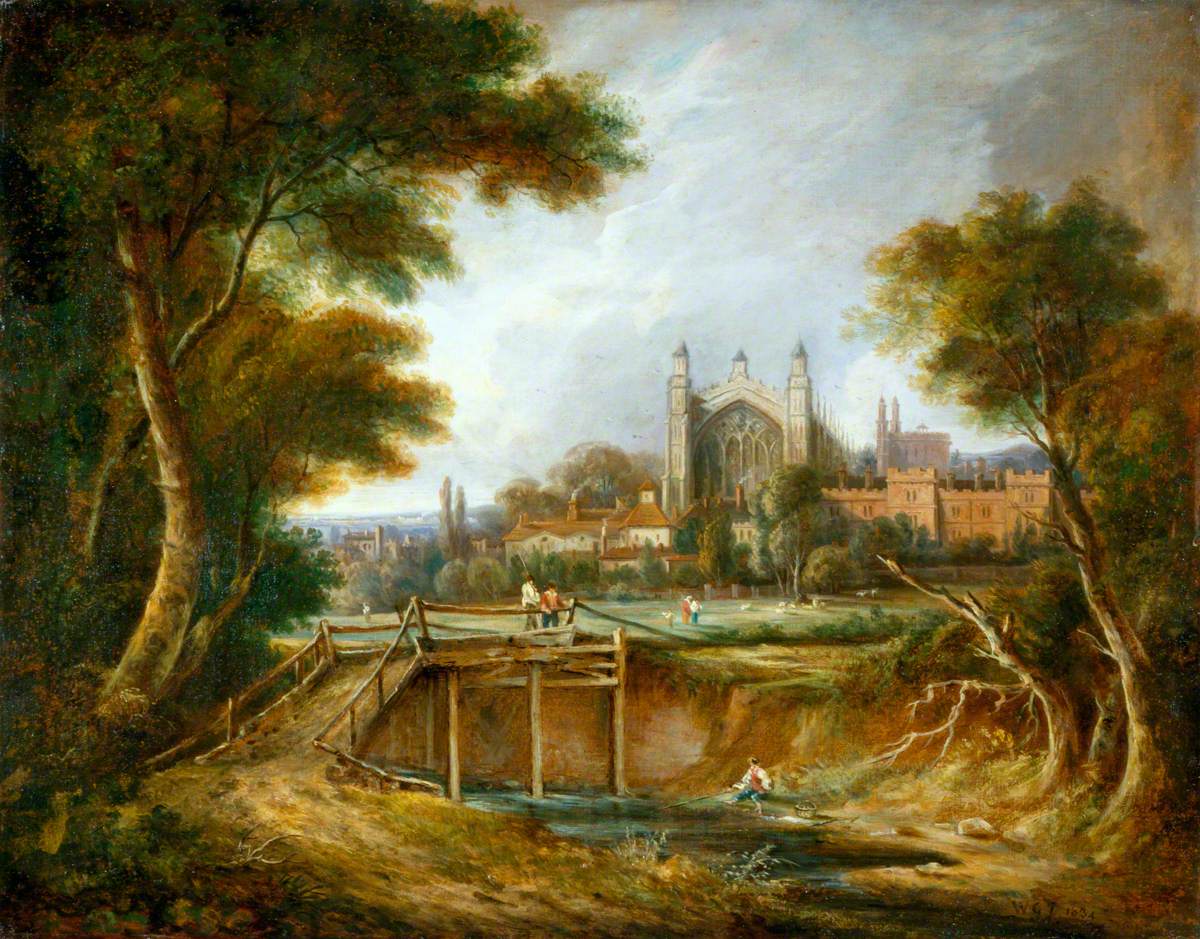
“View of Eton College Chapel” 1834 William Ingalton

Natural Religion

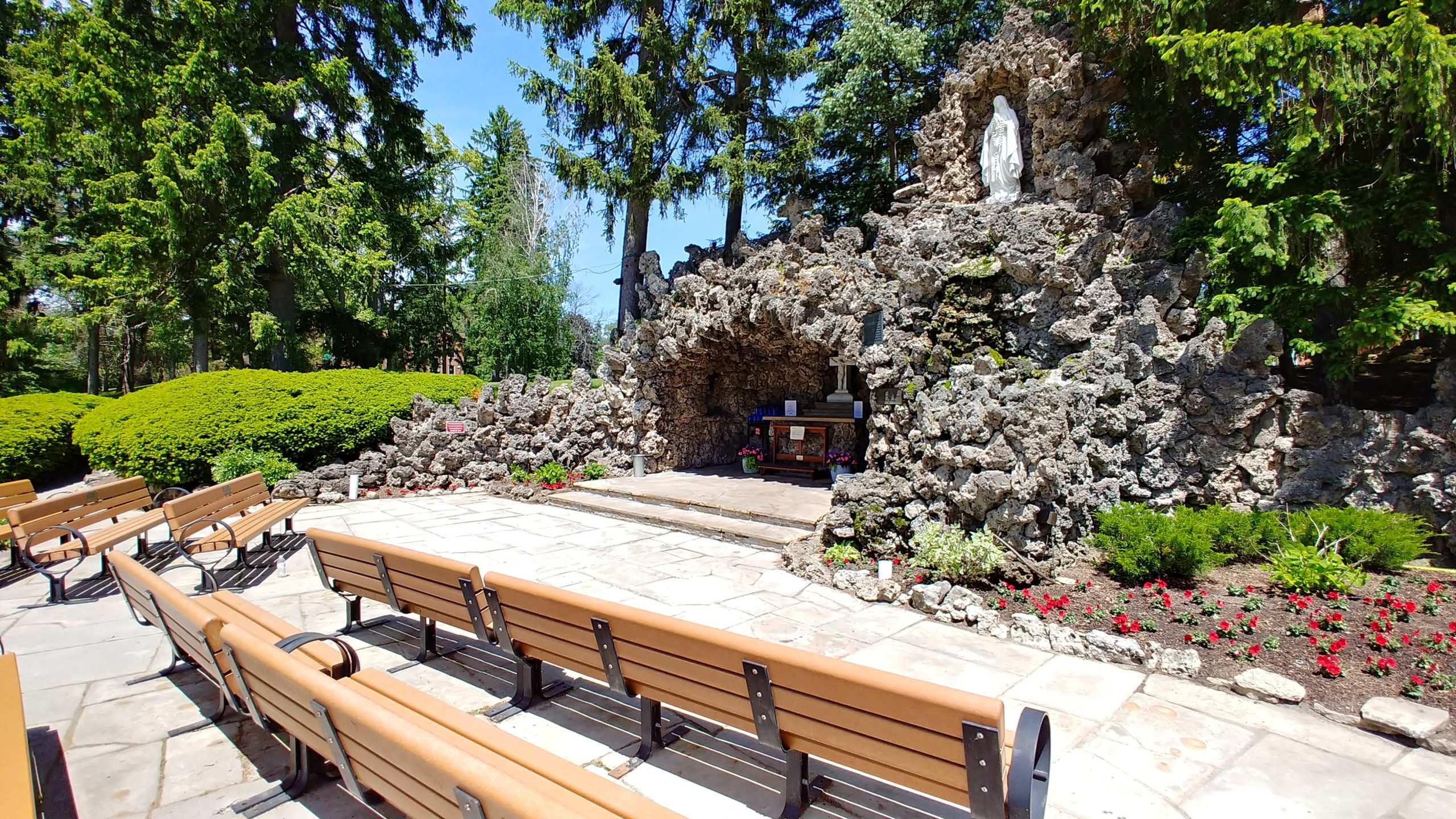
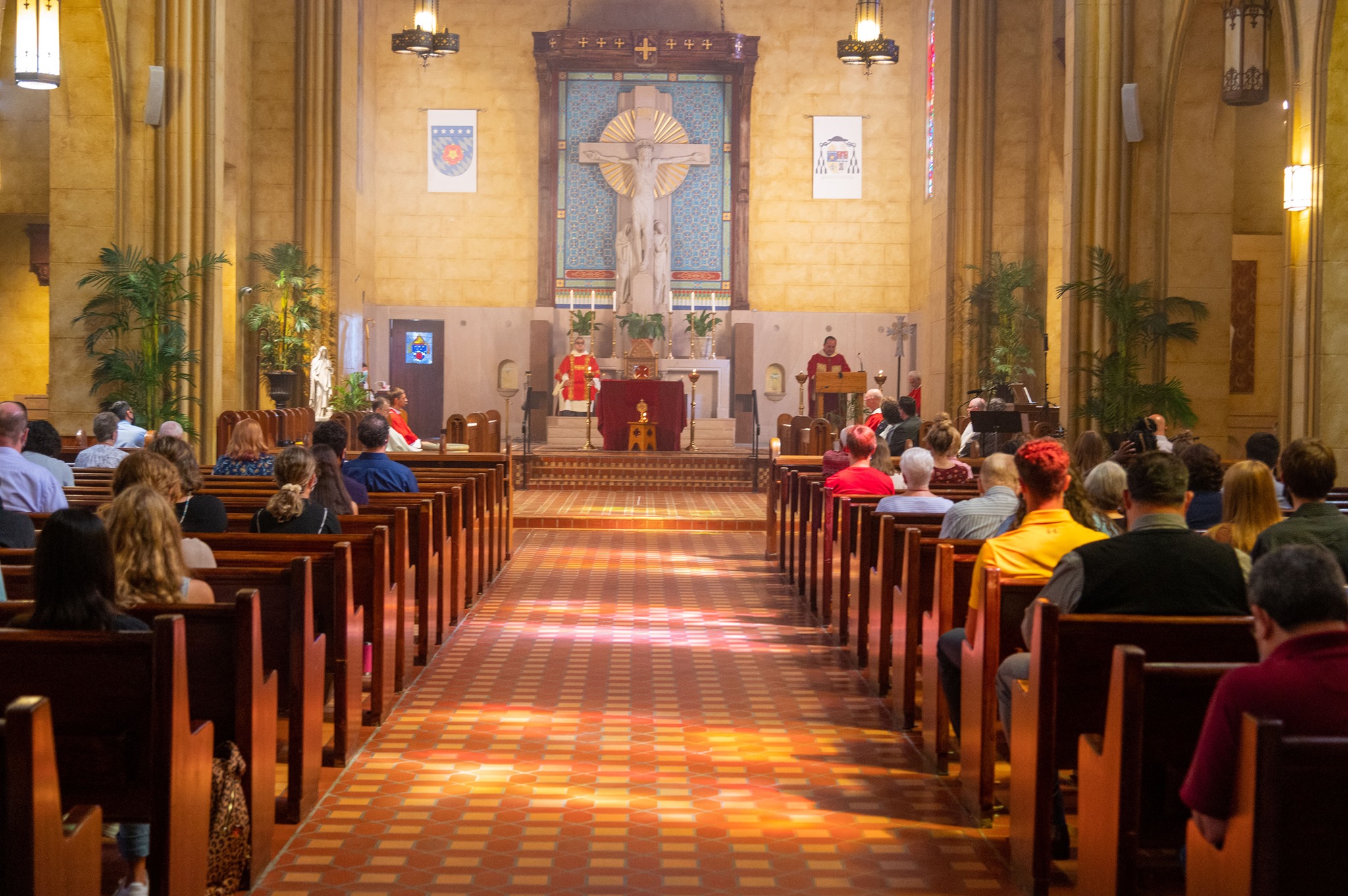
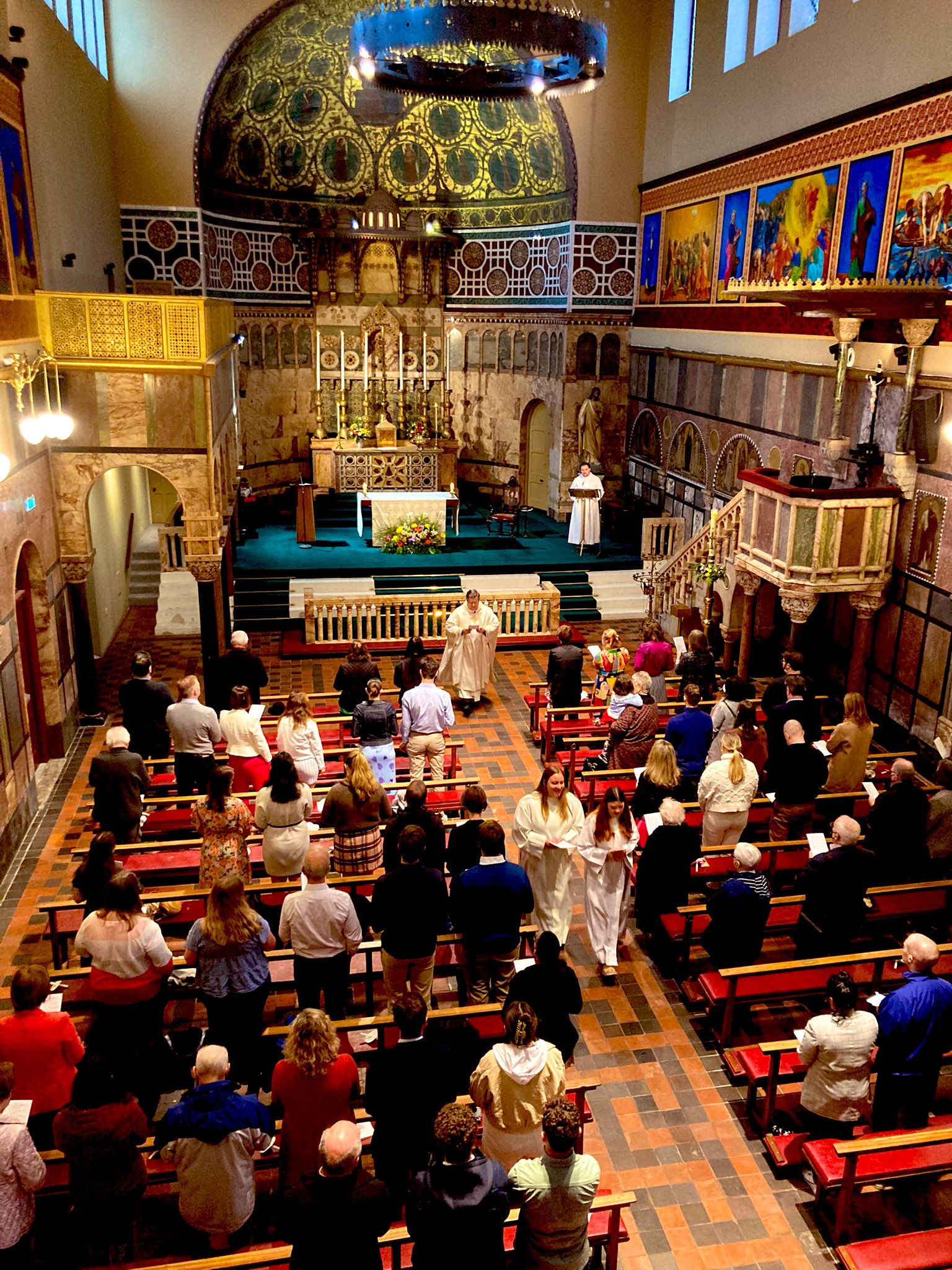
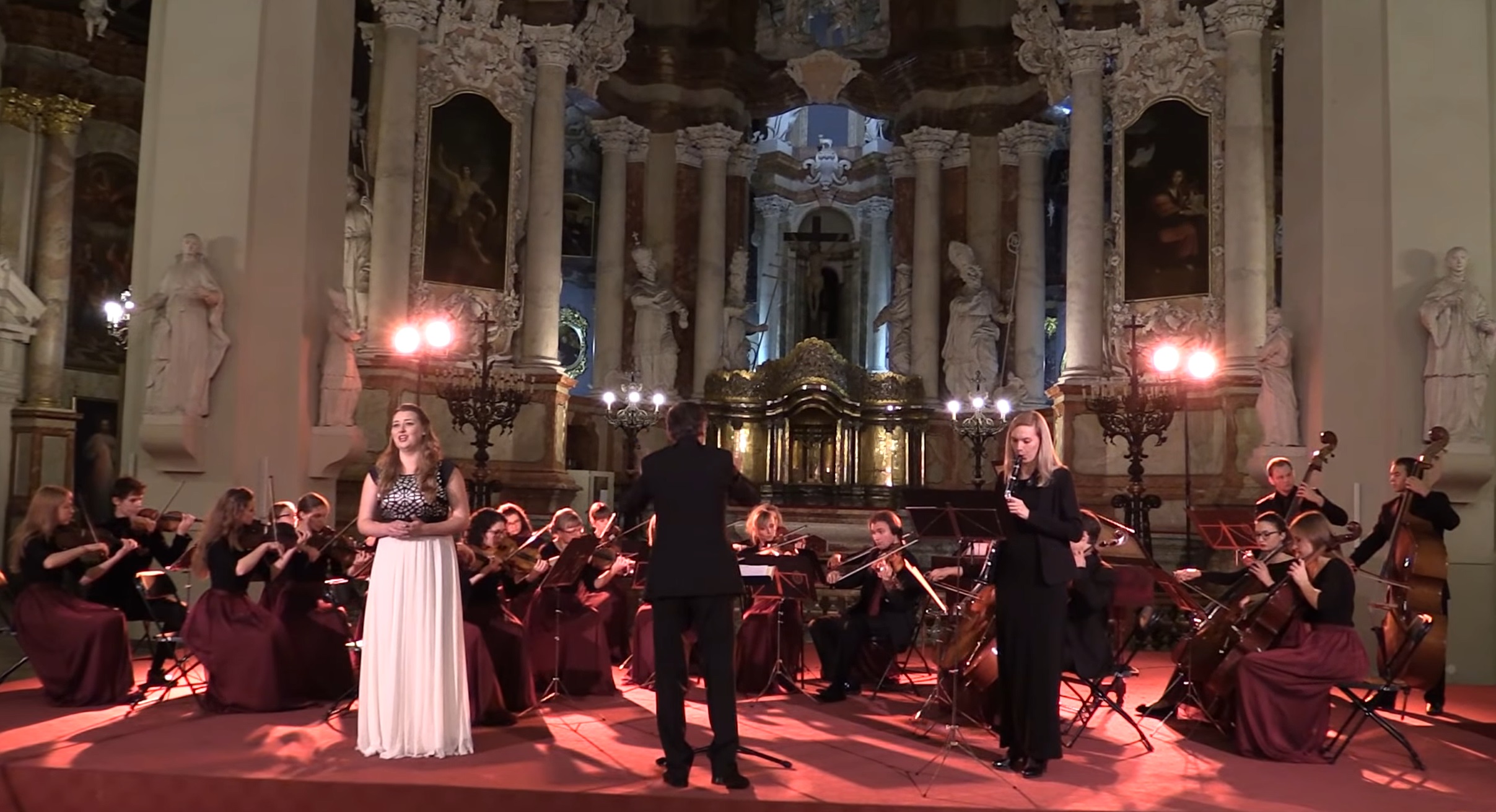
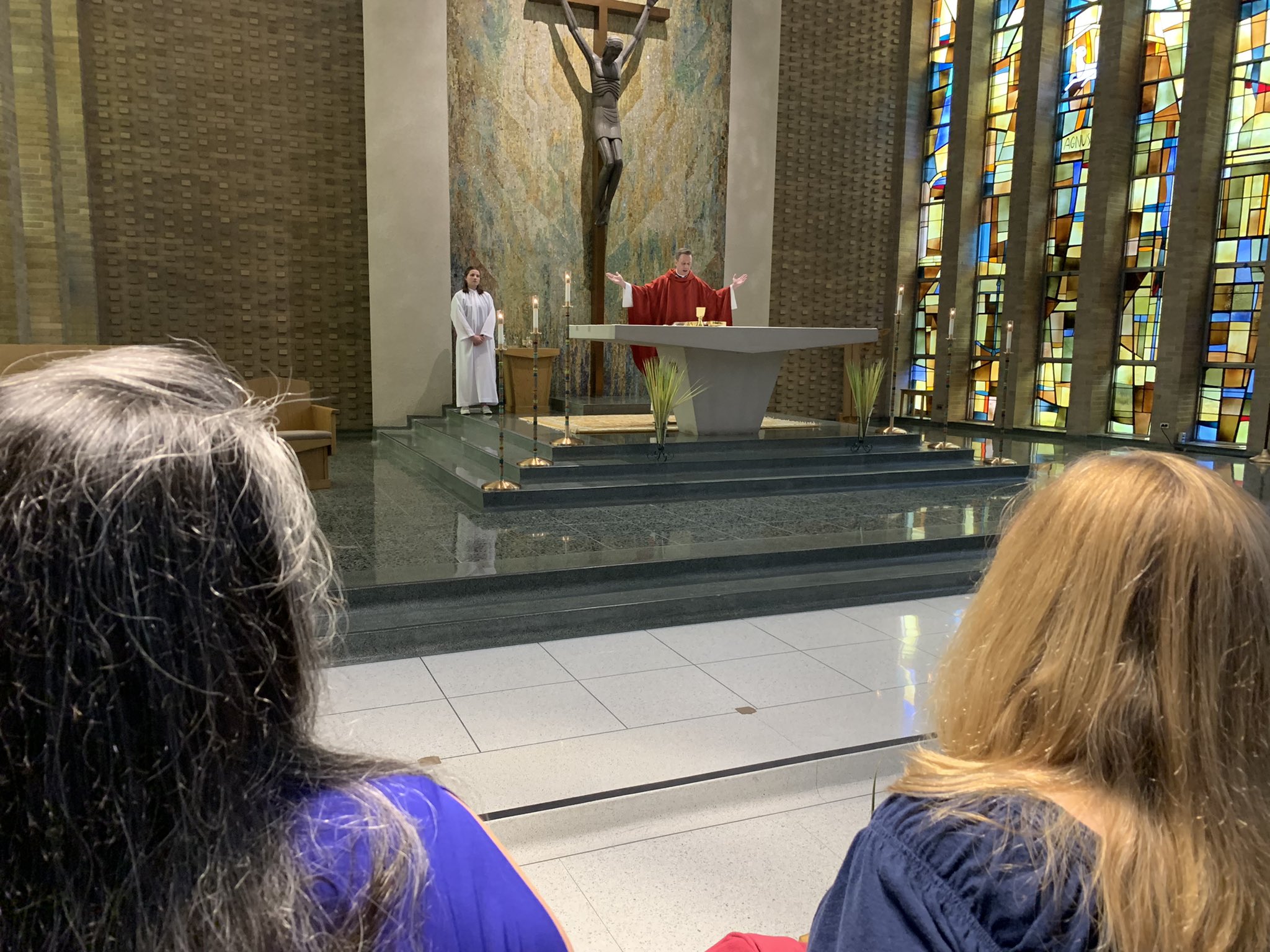
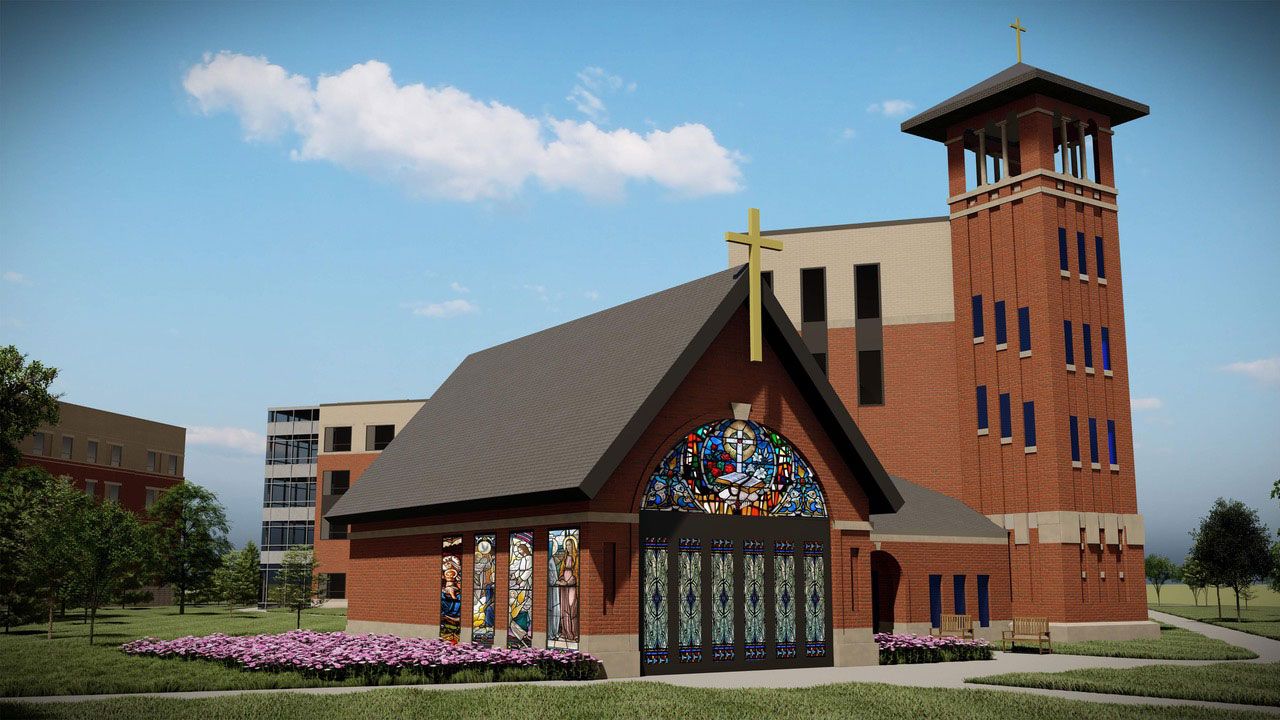
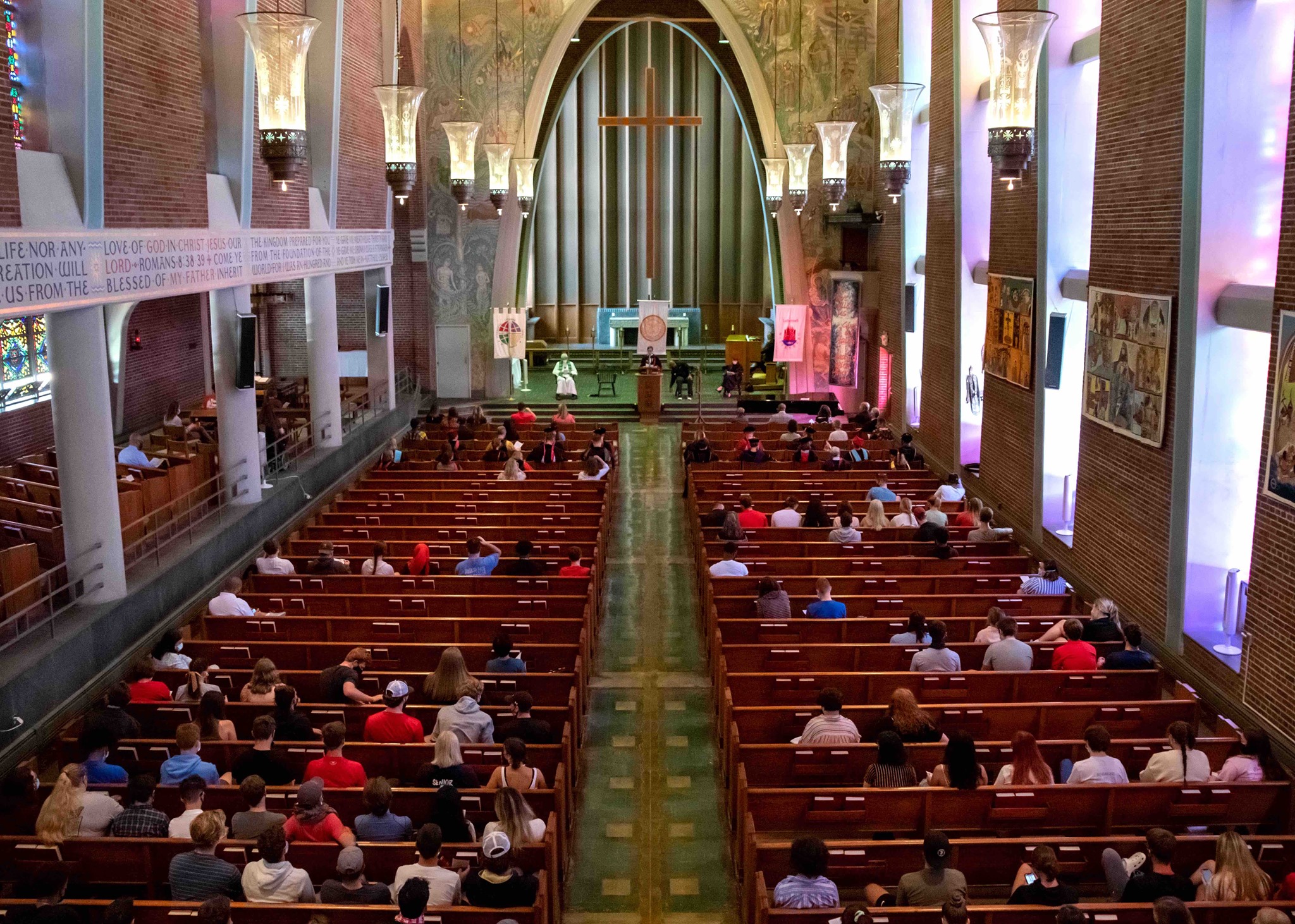
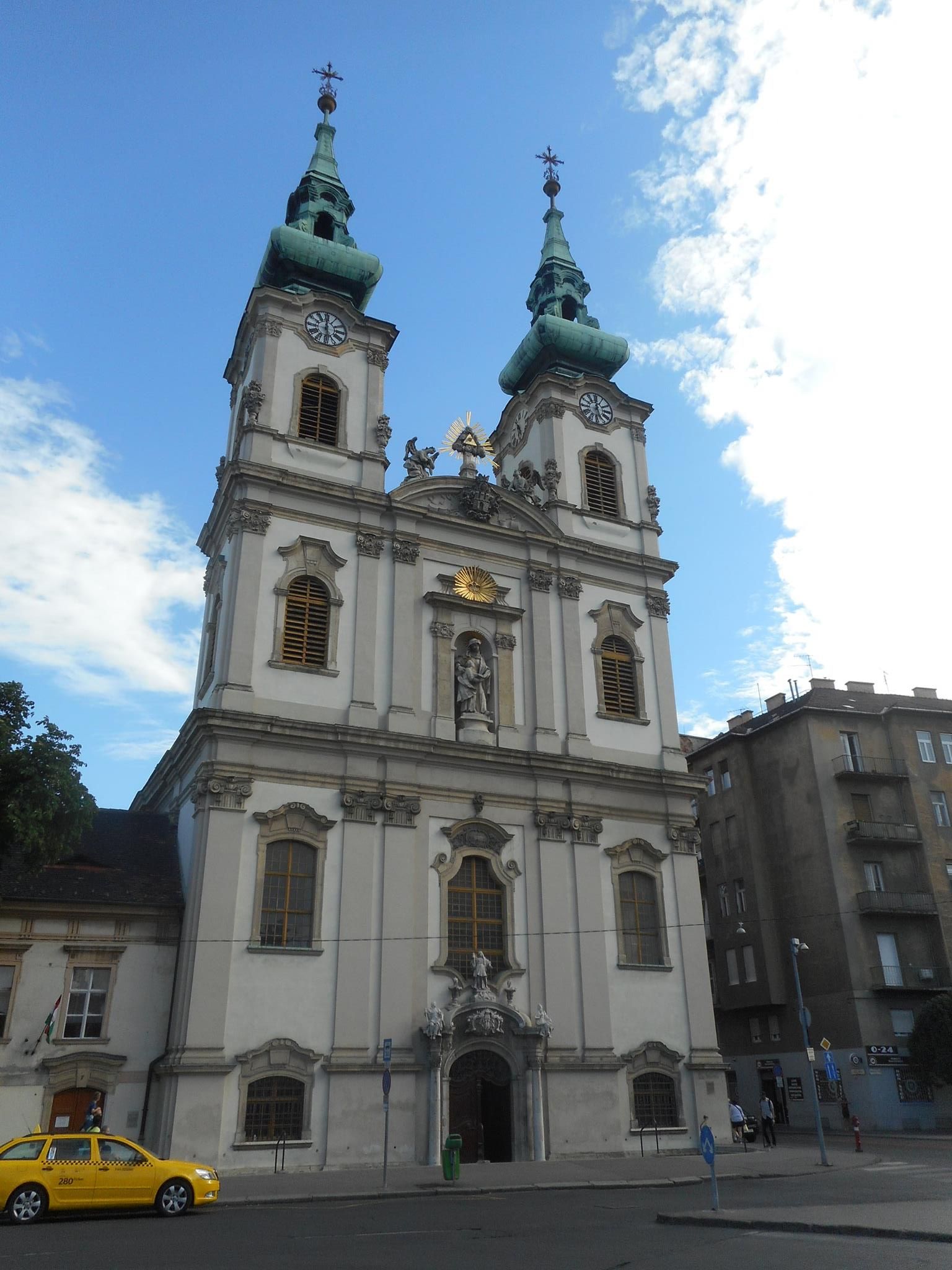
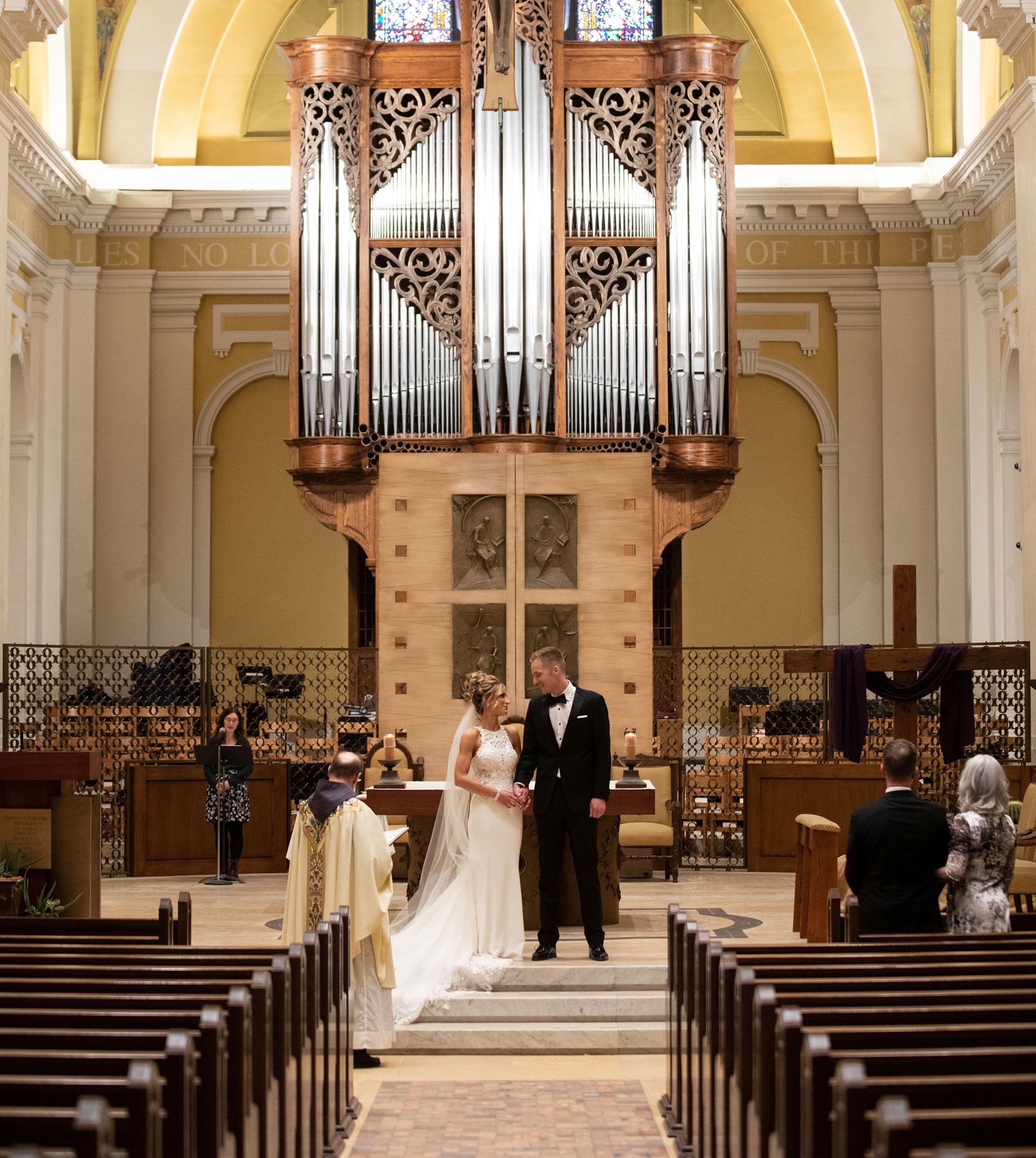
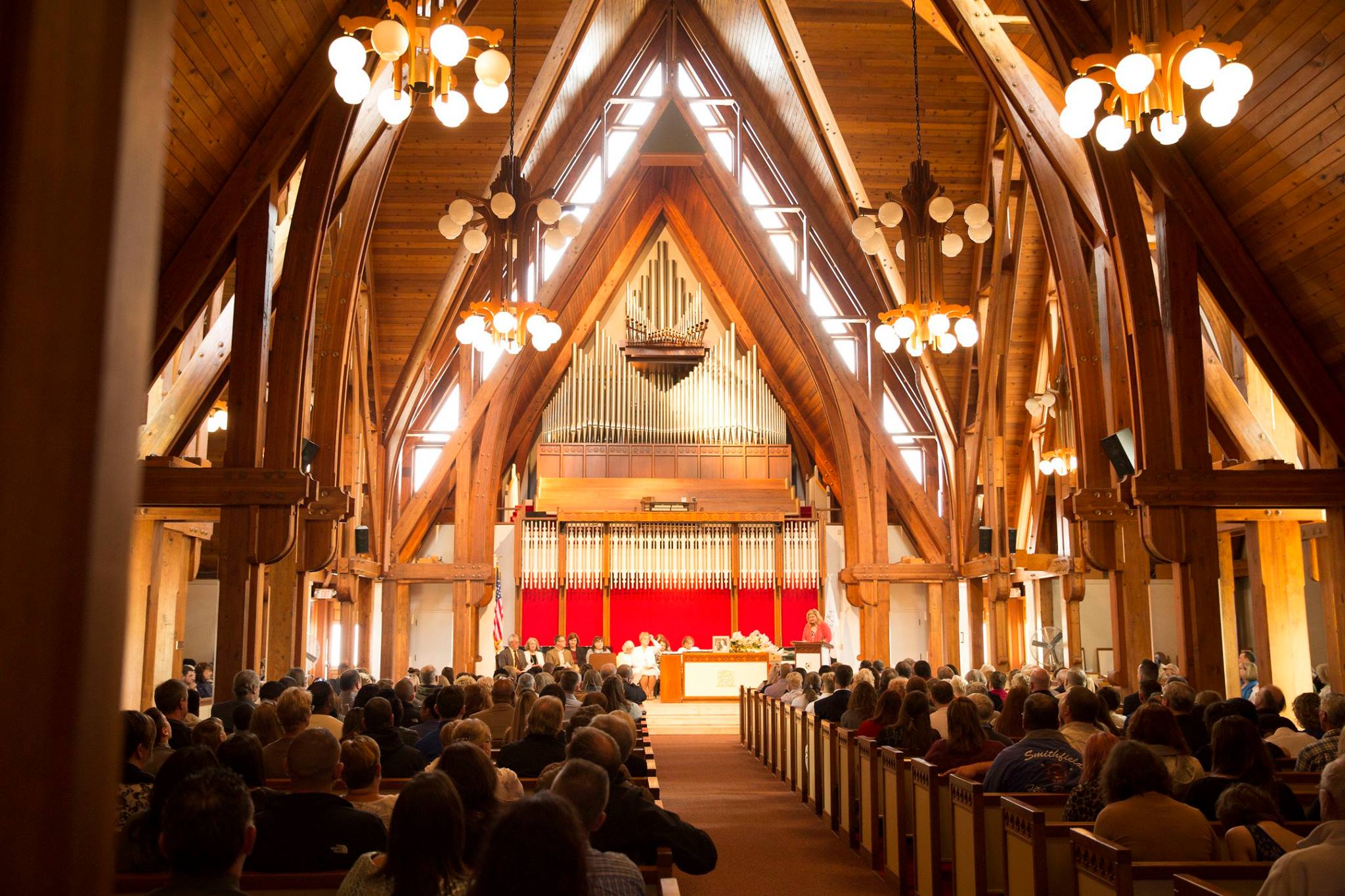
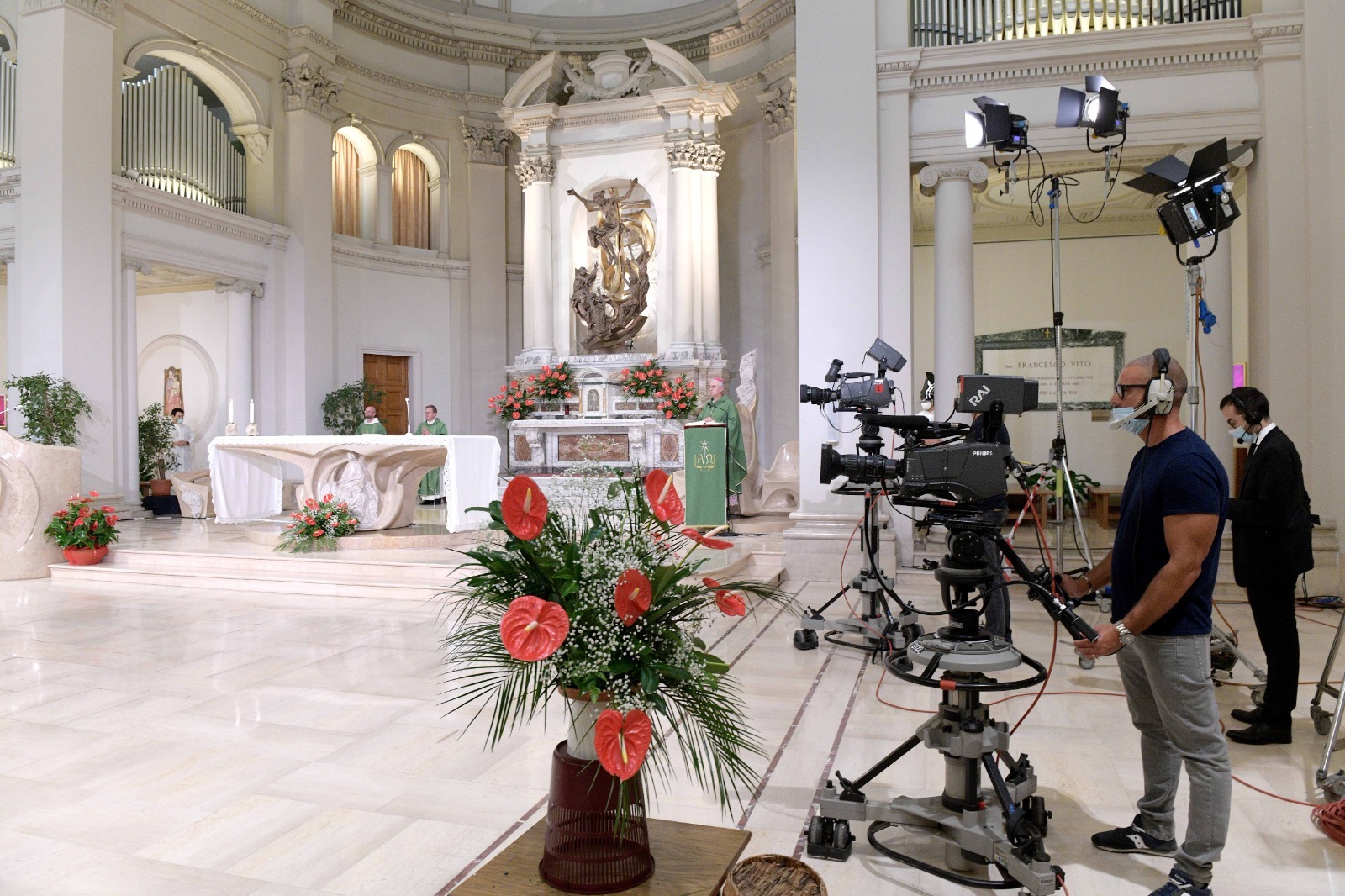
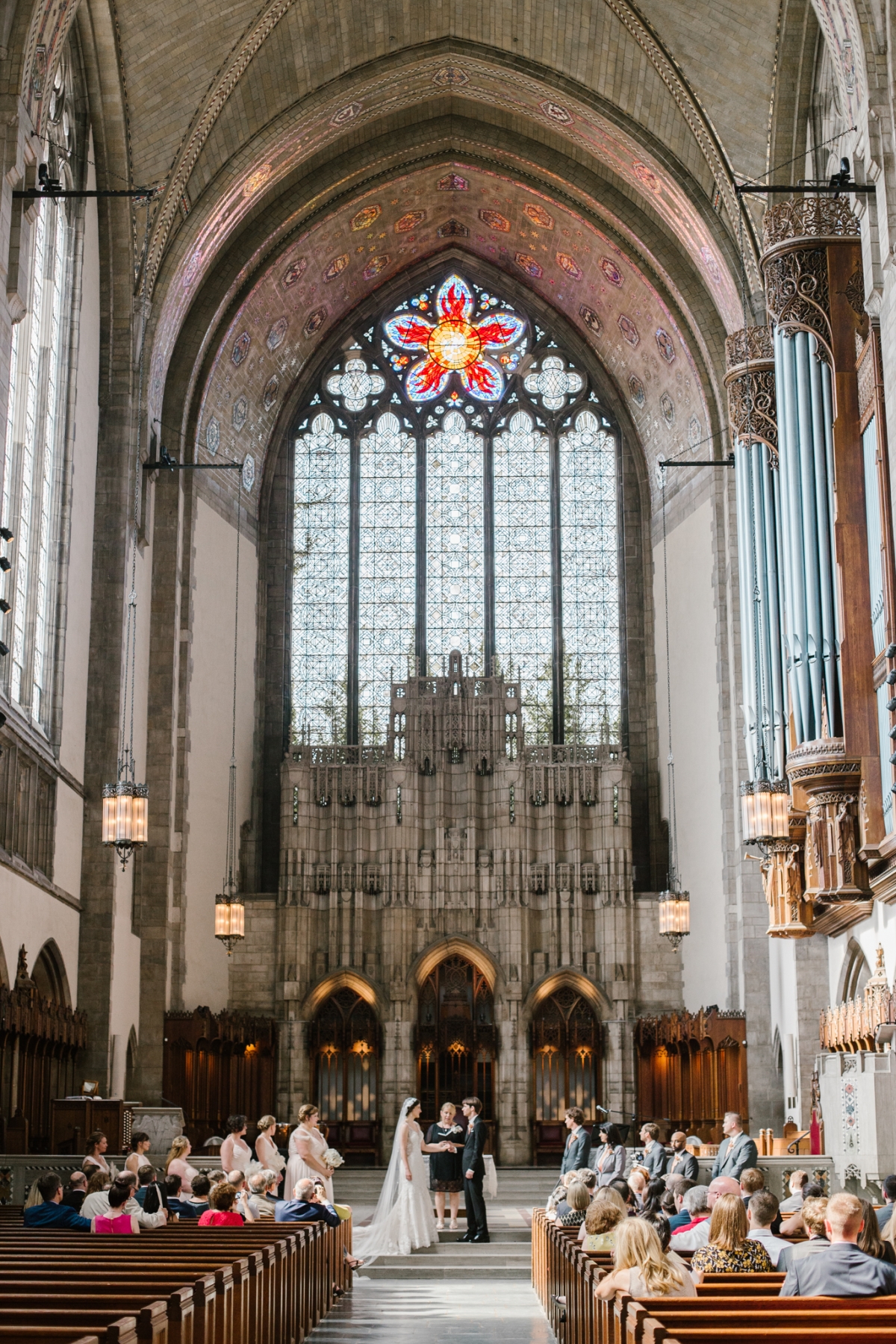
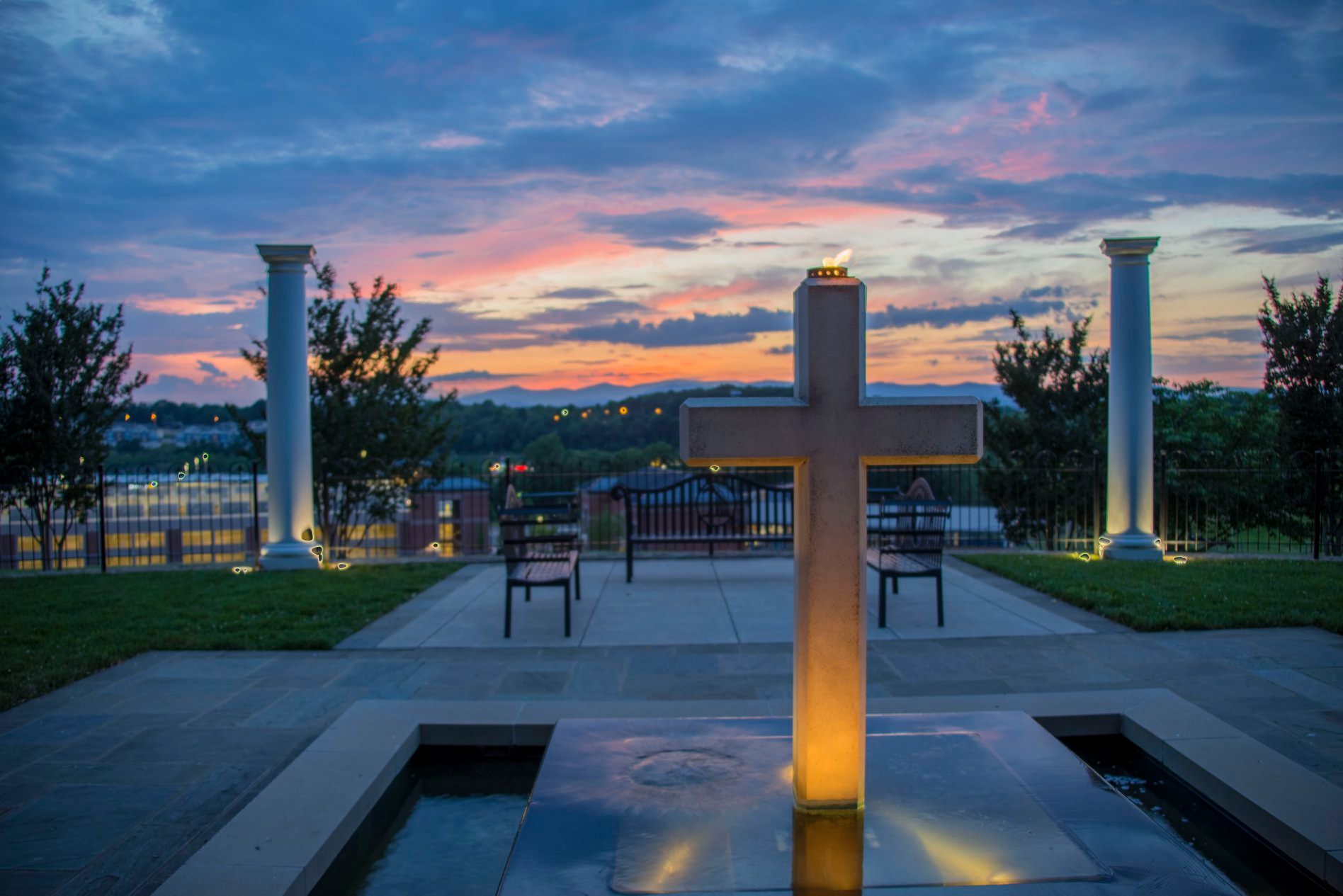
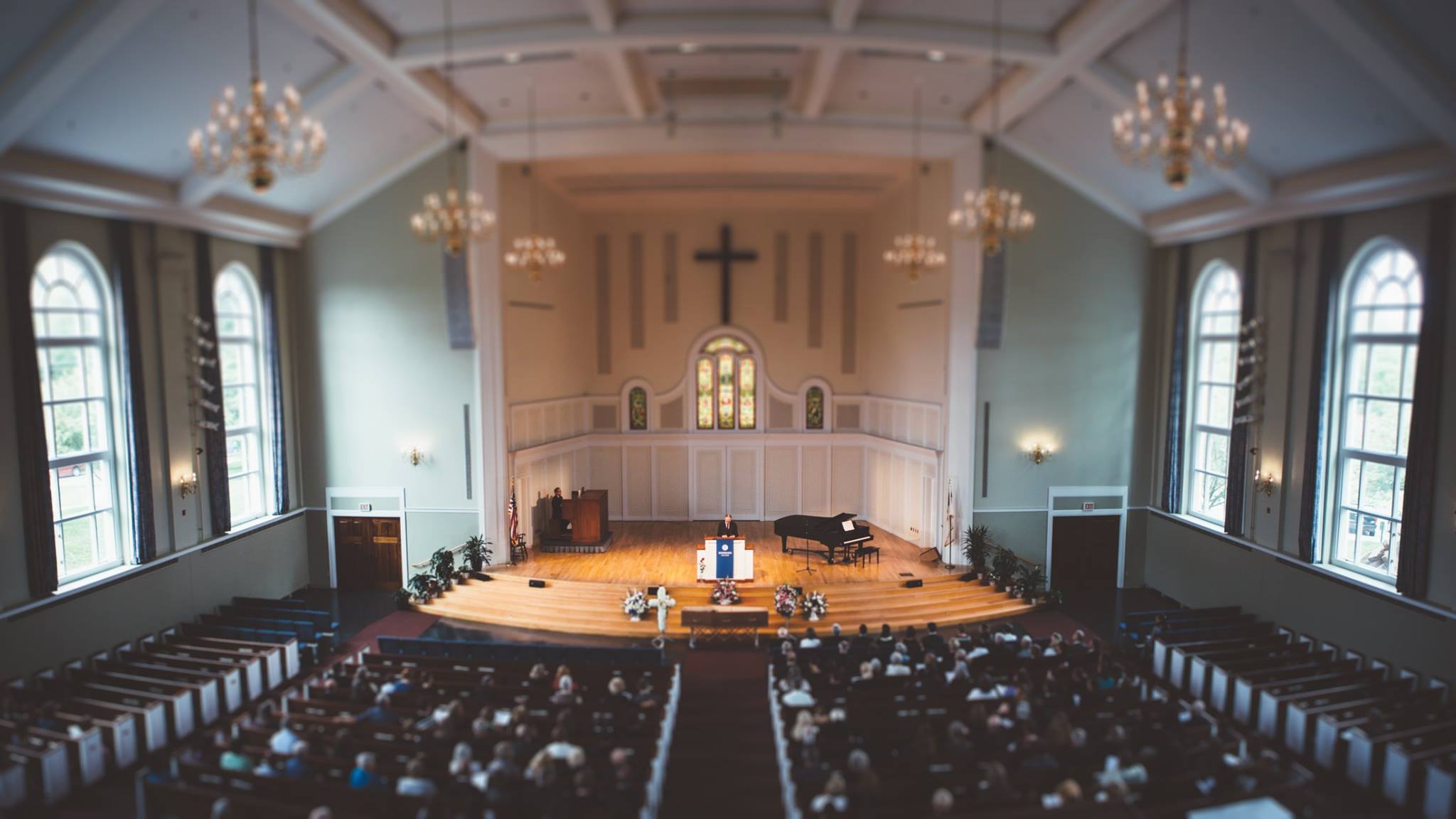
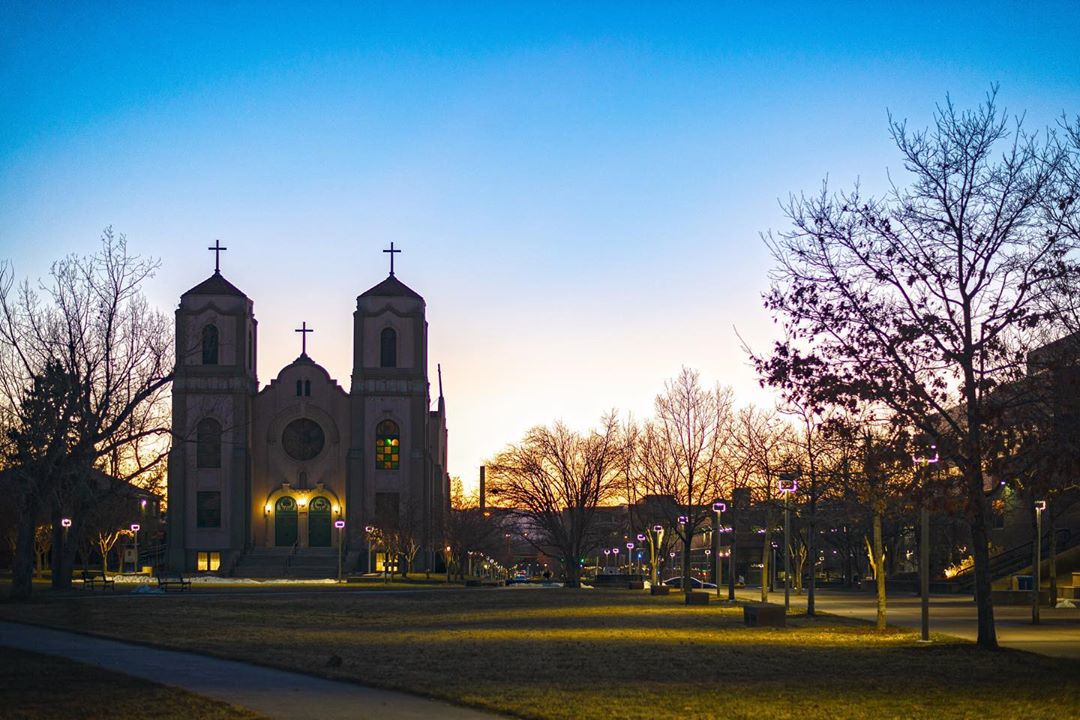
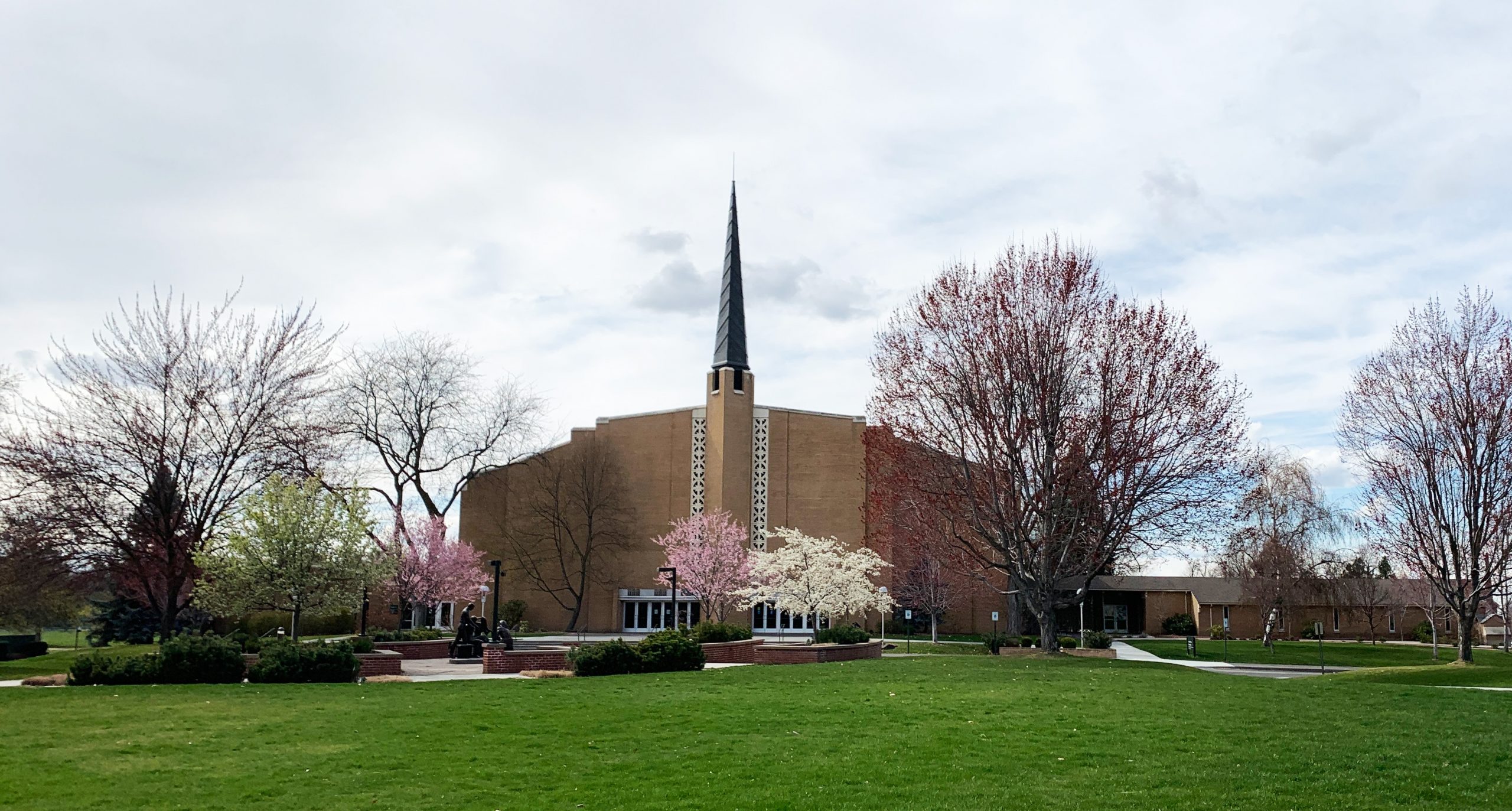
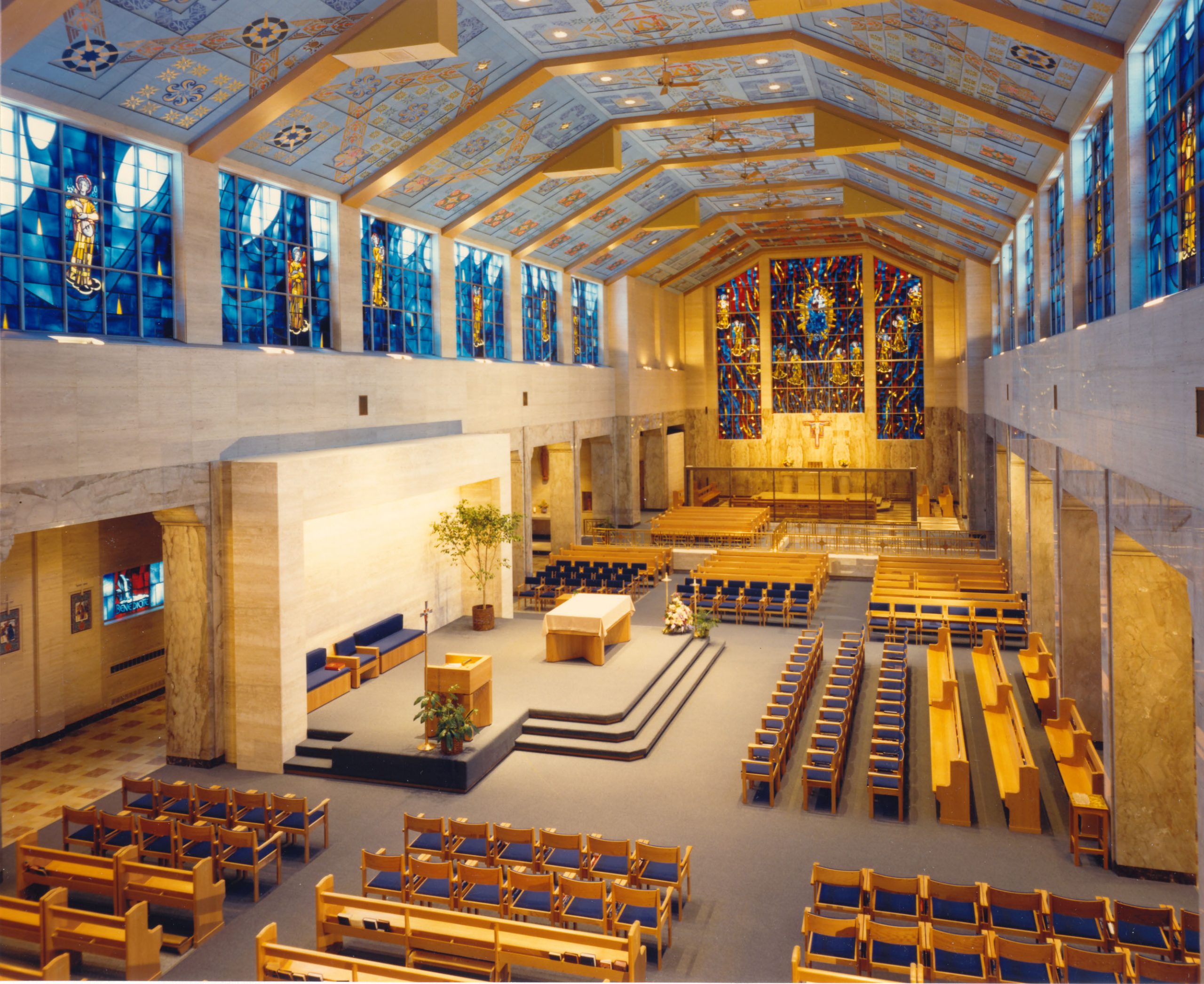
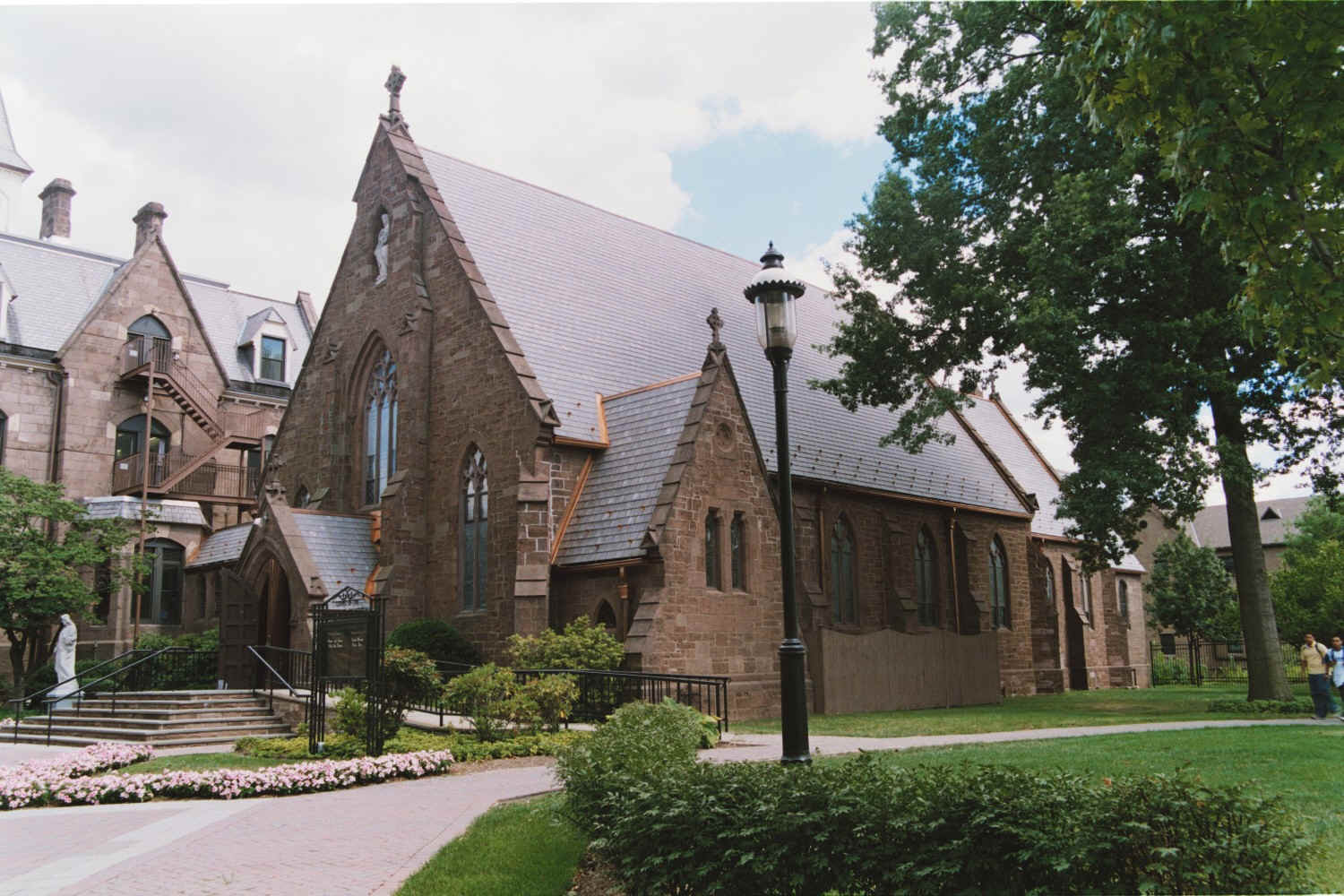
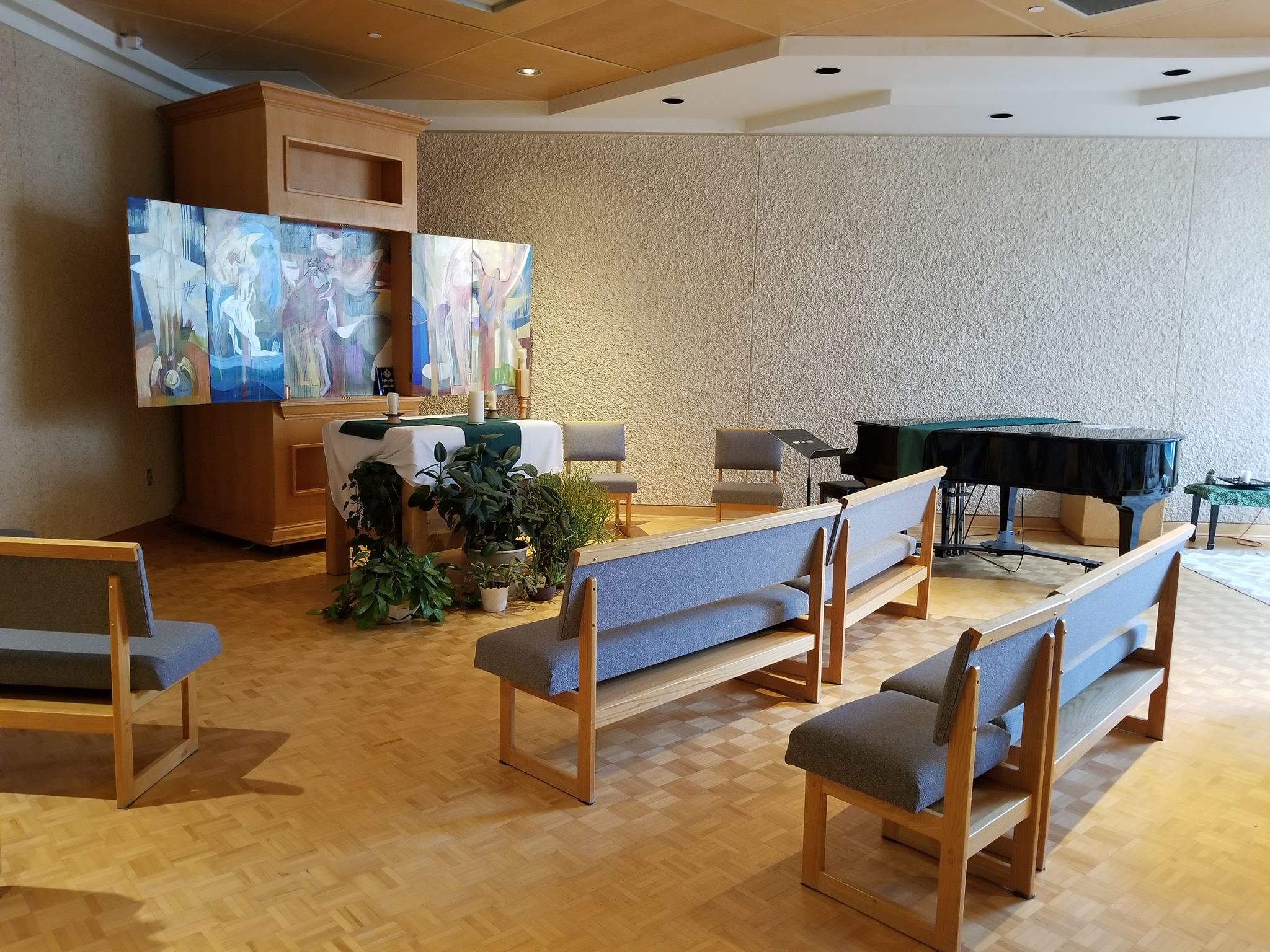
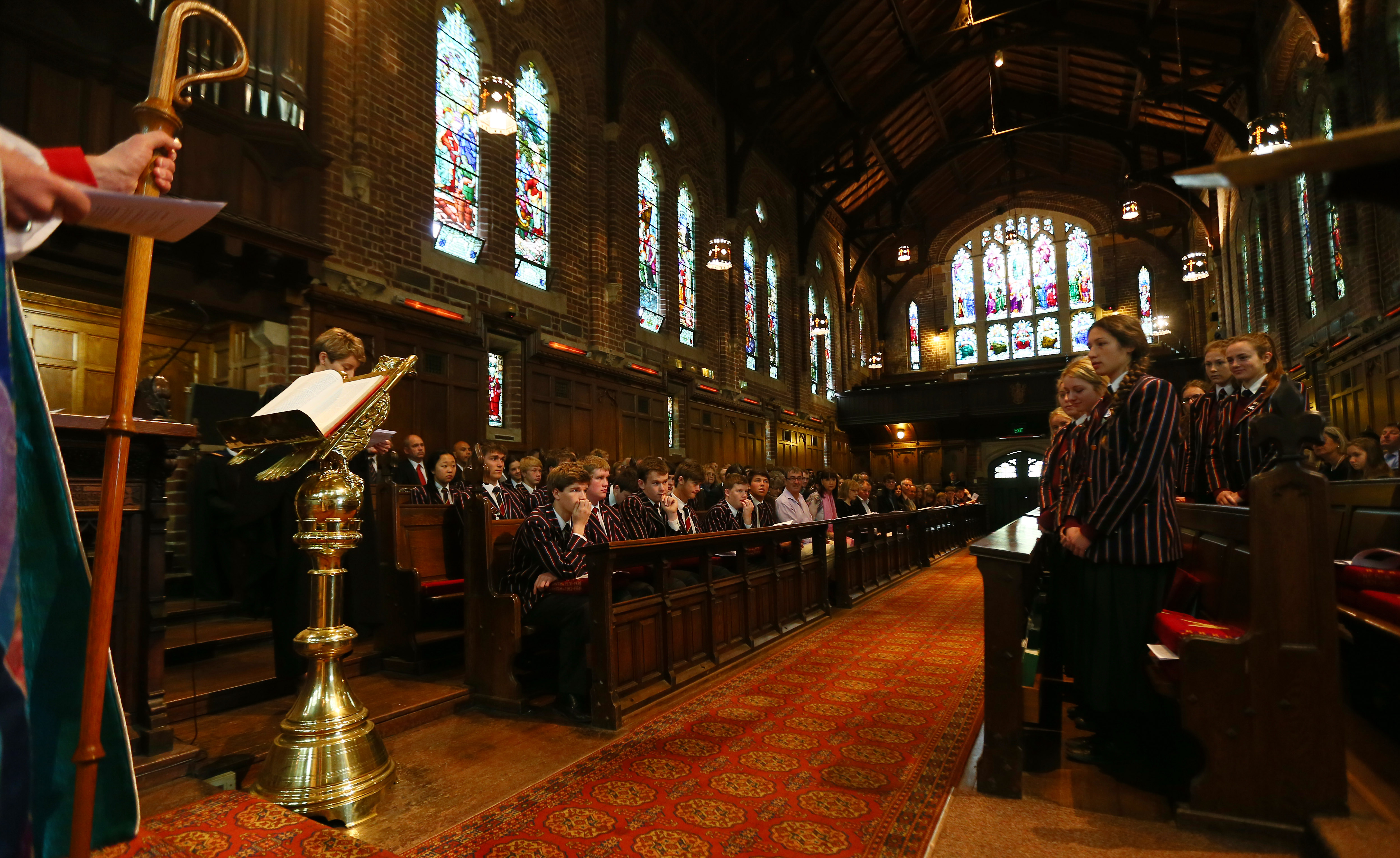
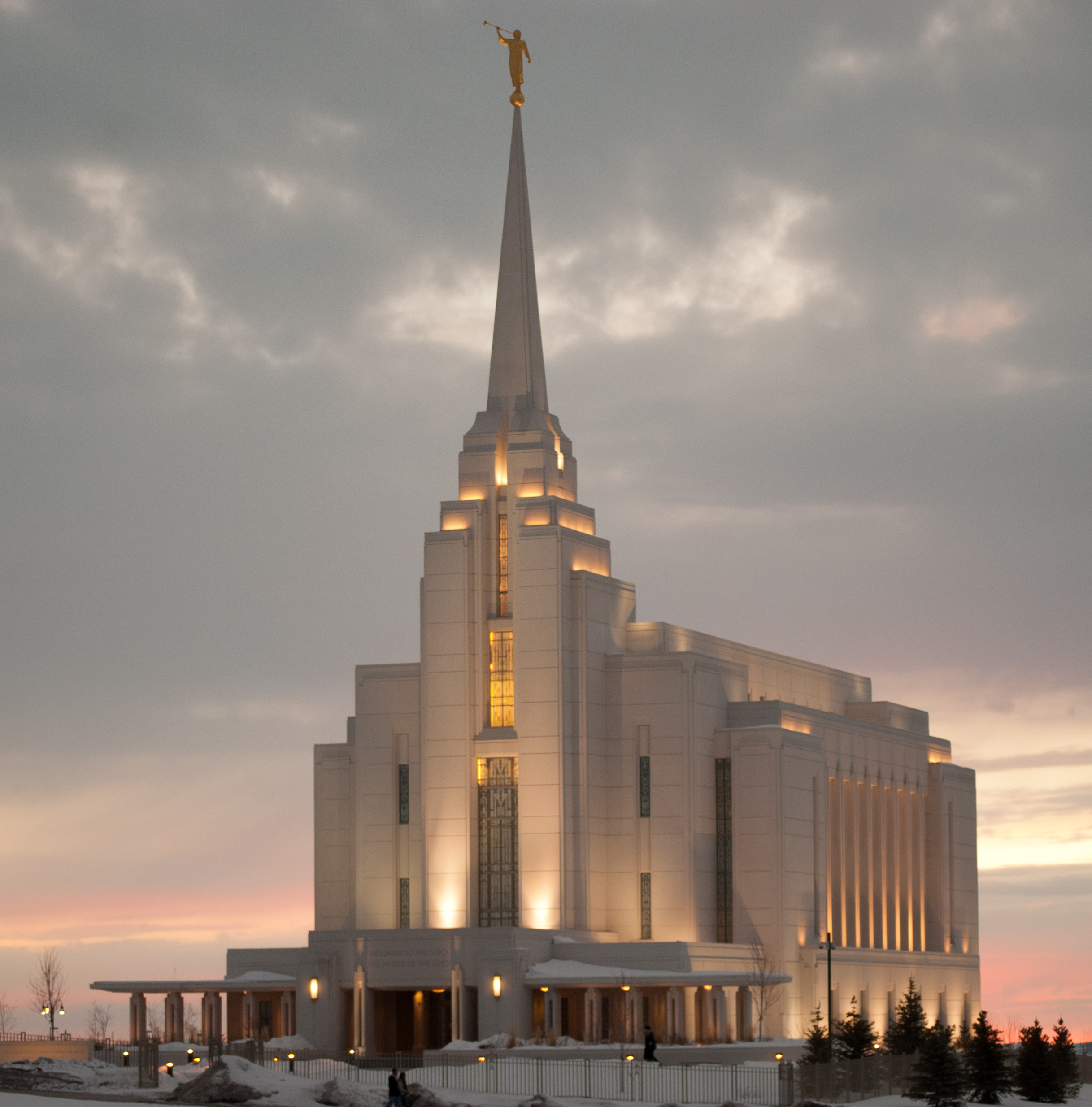
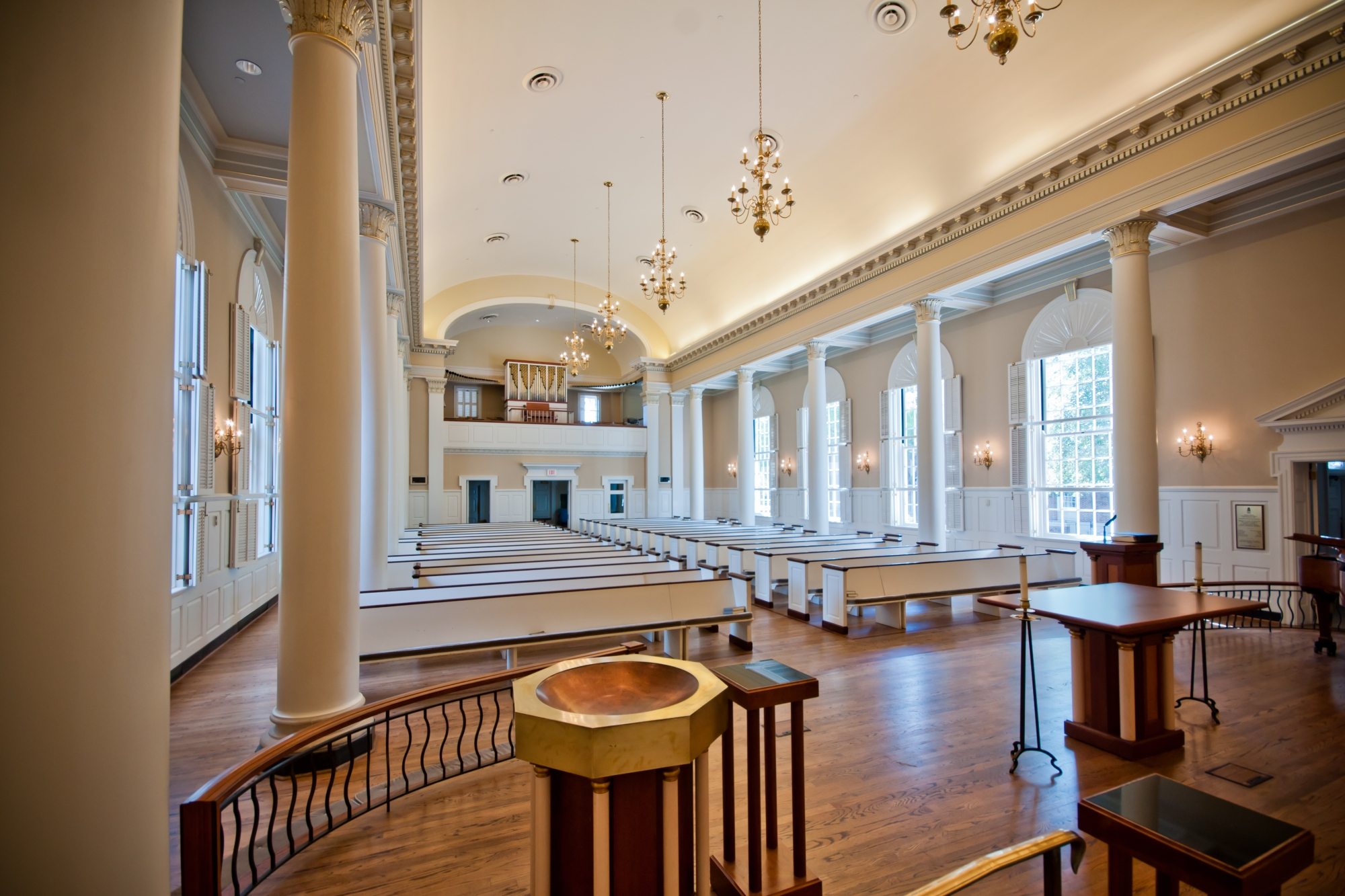
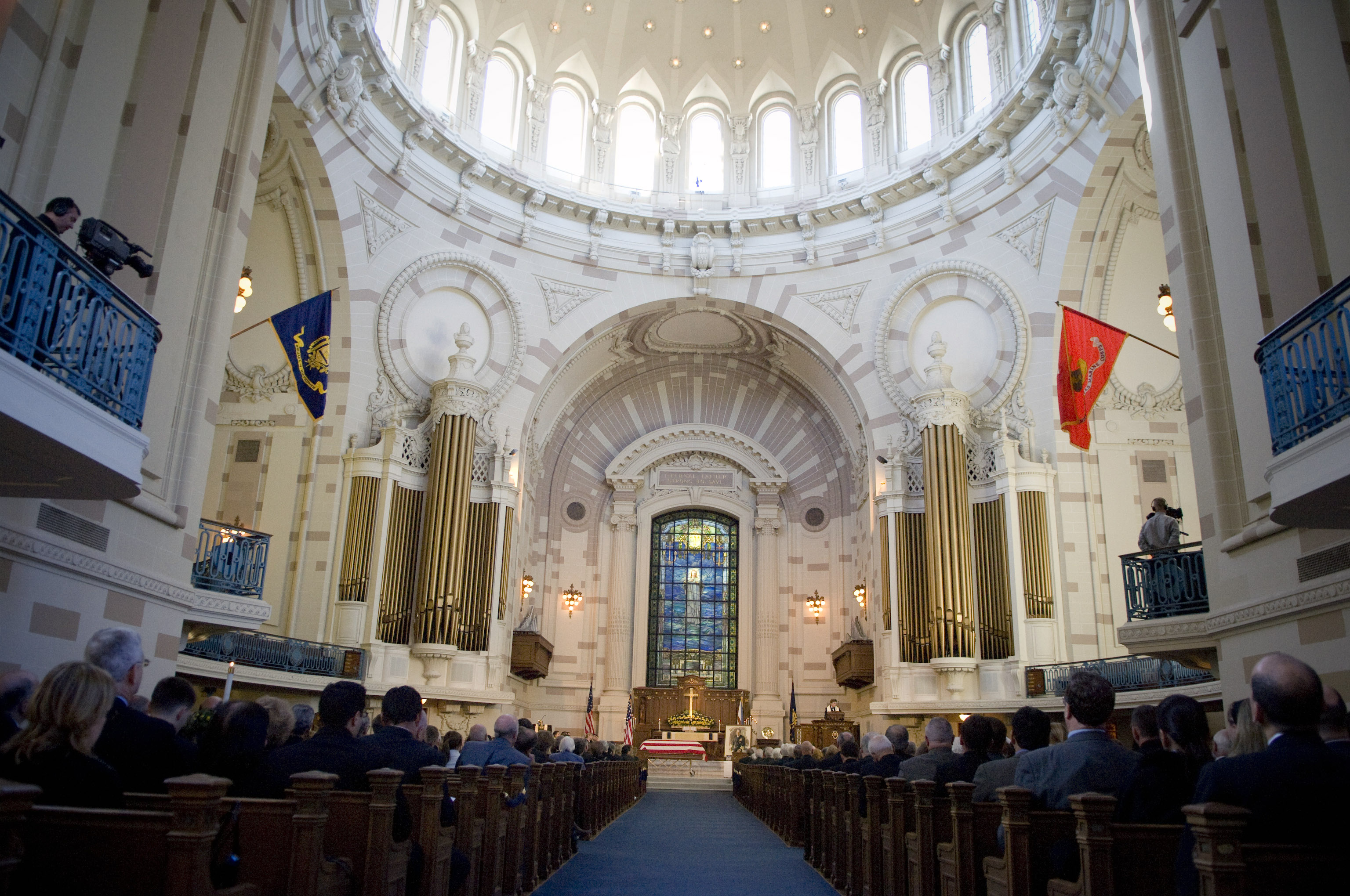
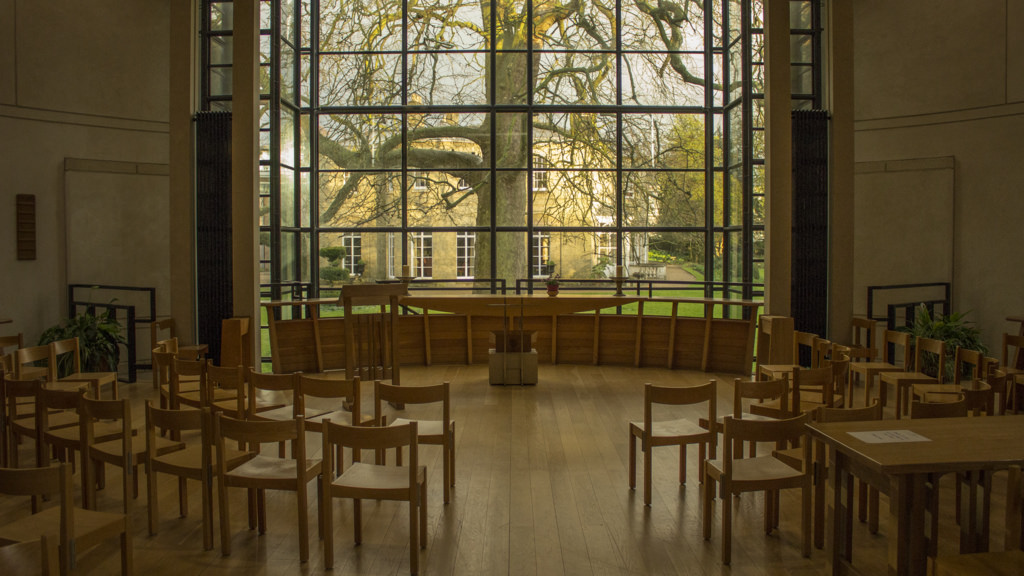
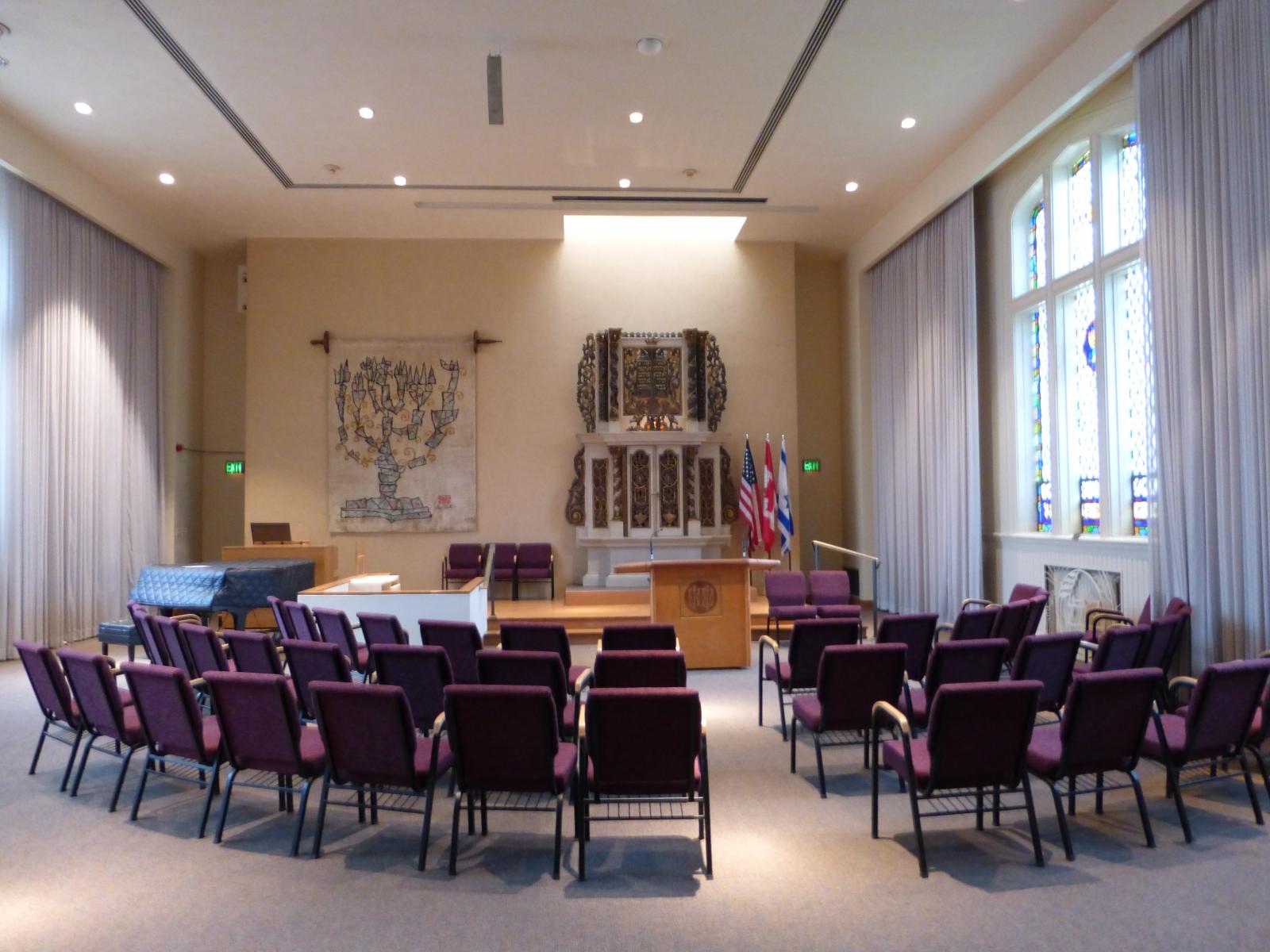
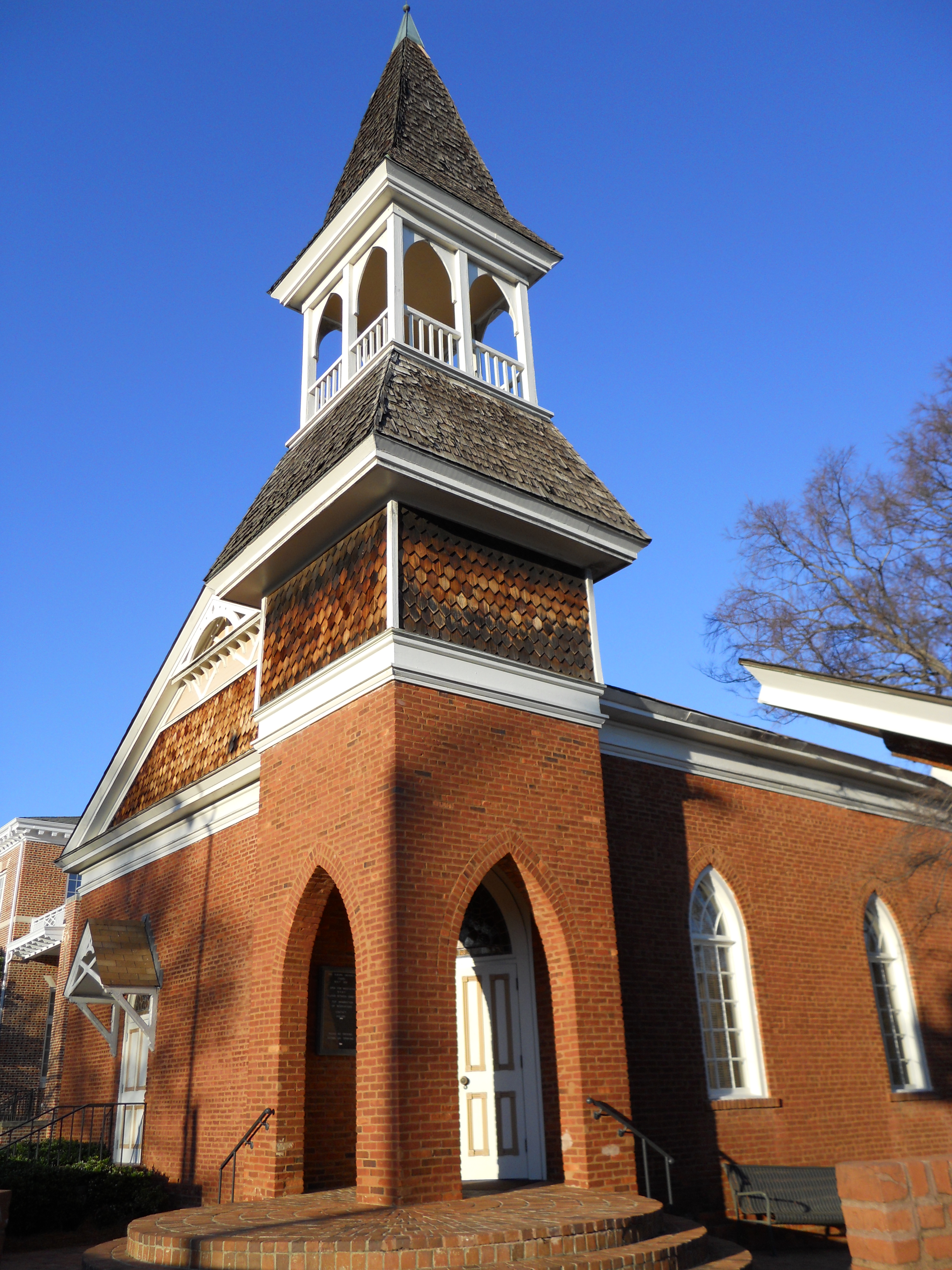
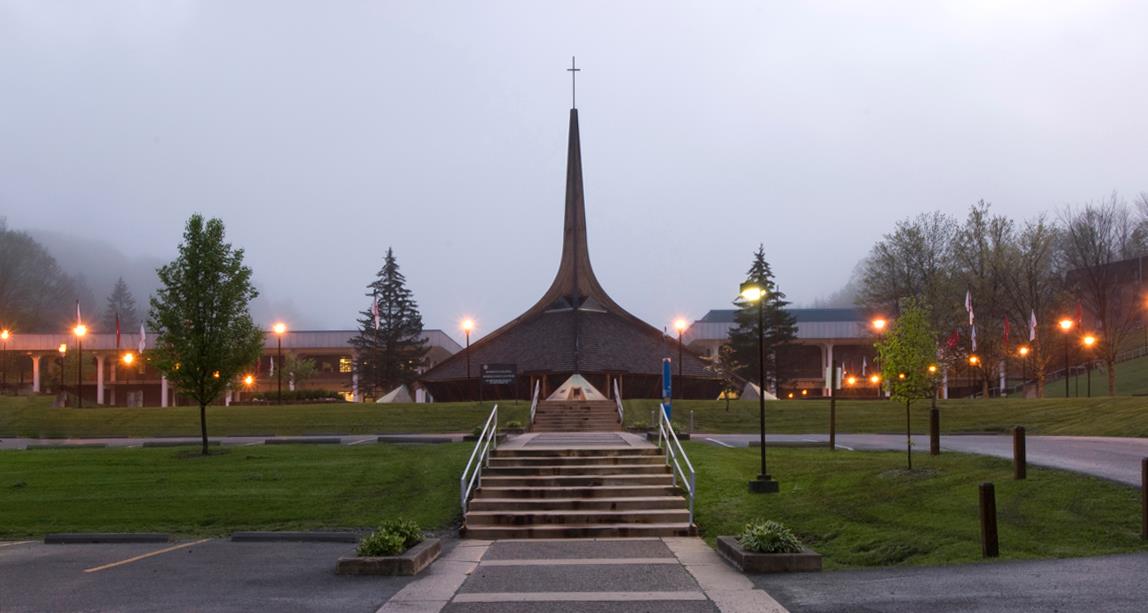
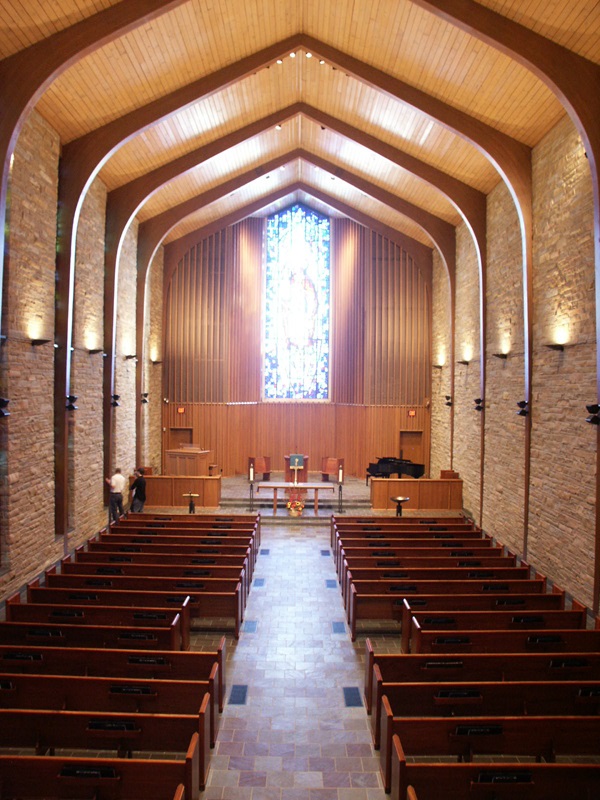
The founding of many education communities is inspired by faith communities.   In many of them the place of worship was the very first building.   College and university chapels are central places of worship for students, staff and faculty, and provide a space for solitude and reflection.  A place for feeling at home in the world.

International Building Code | Section 303.4 Assembly Group A-3

There are several hundred technical standards, or parts of standards,  that govern how churches and chapels are made safe and sustainable.  Owing to innovations in construction, operation and management methods, those standards move, ever so slightly, on a near-daily basis.  They are highly interdependent; confounded by county-level adaptations; and impossible to harmonize by adoption cycle.  That movement tracked here as best we can within the limit of our resources and priorities.  That’s why it’s best to simply click into our daily colloquia if you have a question or need guidance.

Sacred Spaces


Richard Miniter observes that the United States was founded as four distinct religious utopias, each originating from different regions and historical periods in England (and the broader British Isles). These groups, shaped by conflicts like the English Civil War, brought competing visions of society, governance, and faith that continue to influence American culture and politics today.1. New England Puritans (from East Anglia): Strict, communal Calvinists seeking a “city upon a hill” with moral oversight and collective piety.
2. Cavalier culture in Virginia and the South (from southwest England): Hierarchical, Anglican/Royalist tradition emphasizing order, honor, and aristocratic values.
3. Middle States (influenced by the West Midlands): More tolerant, pluralistic Quaker and other nonconformist approaches fostering commerce and individual liberty.
4. Appalachian borderlands (from the English-Scottish border): Scots-Irish Presbyterian folkways stressing independence, martial honor, and anti-authoritarian egalitarianism.These enduring subcultures create ongoing tensions over freedom, authority, and religion in America.

Maps of Meaning: The Architecture of Belief | Jordan Peterson, Douglas Murray, Sam Harris

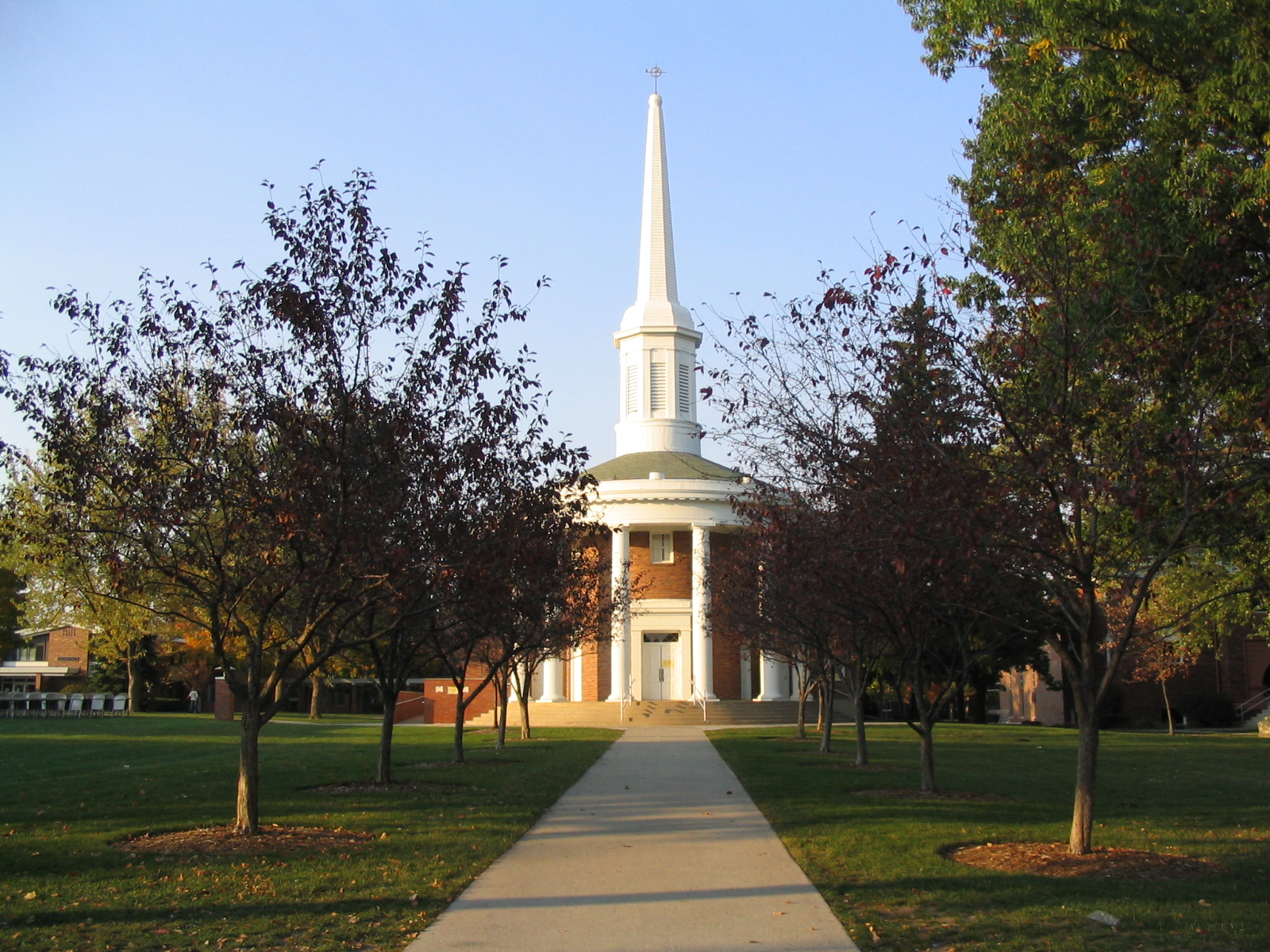
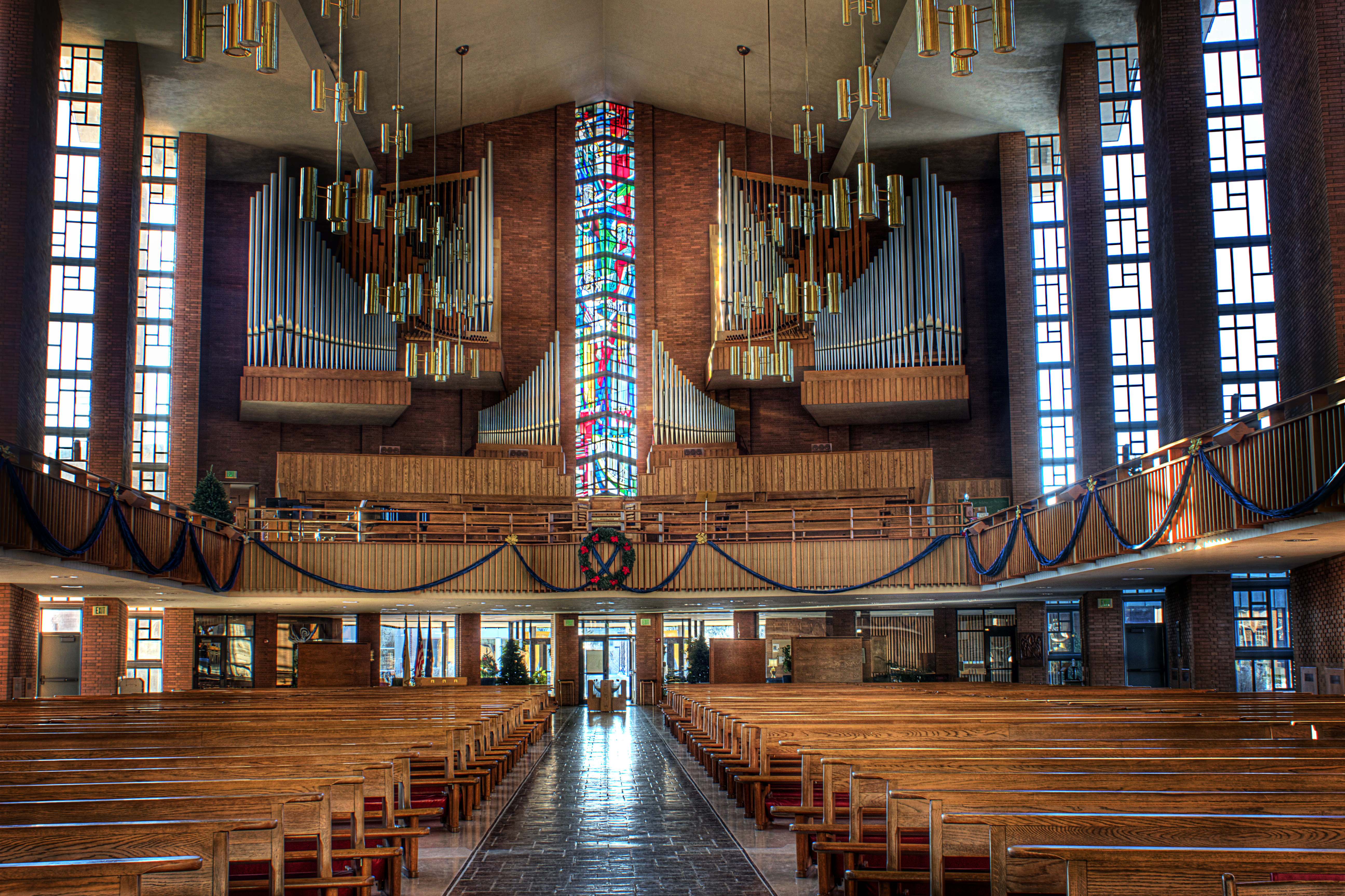
Taylor University | Grant County Indiana

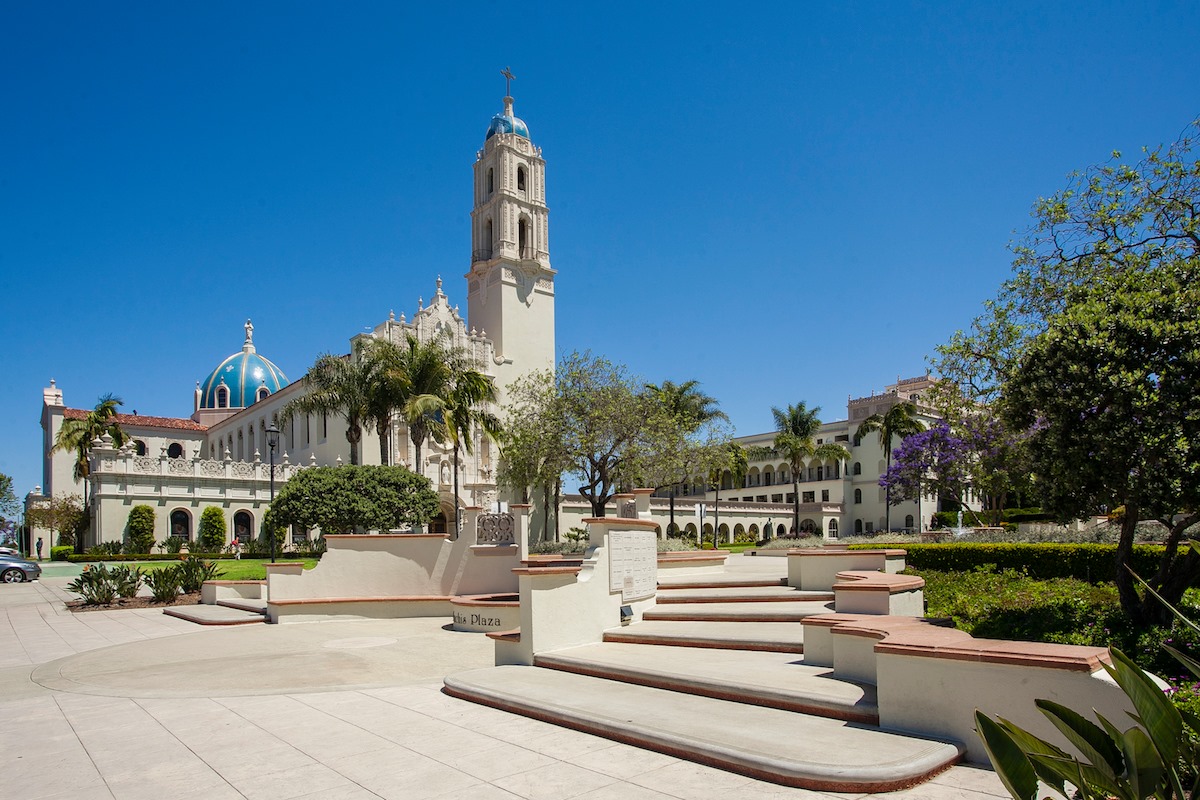
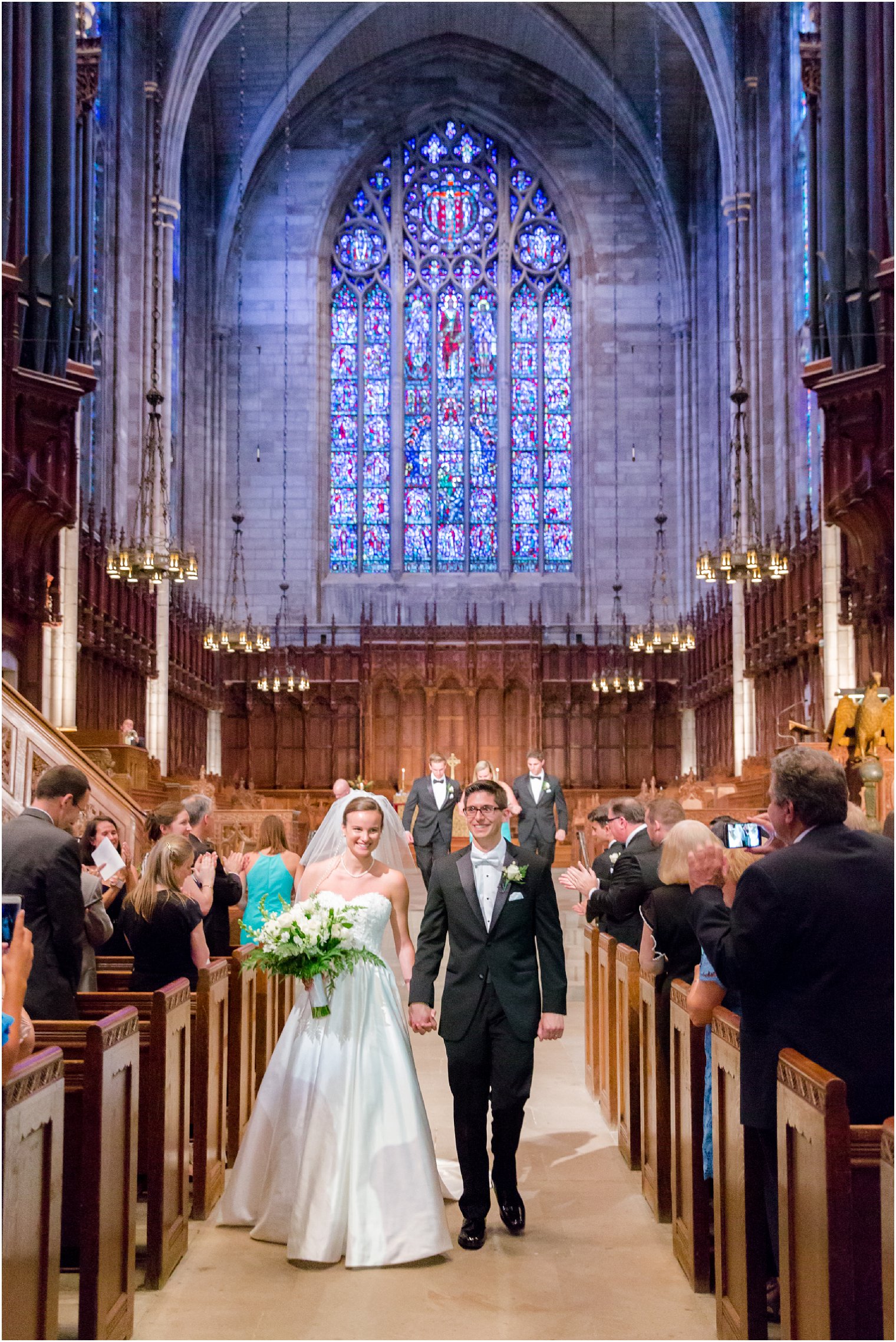
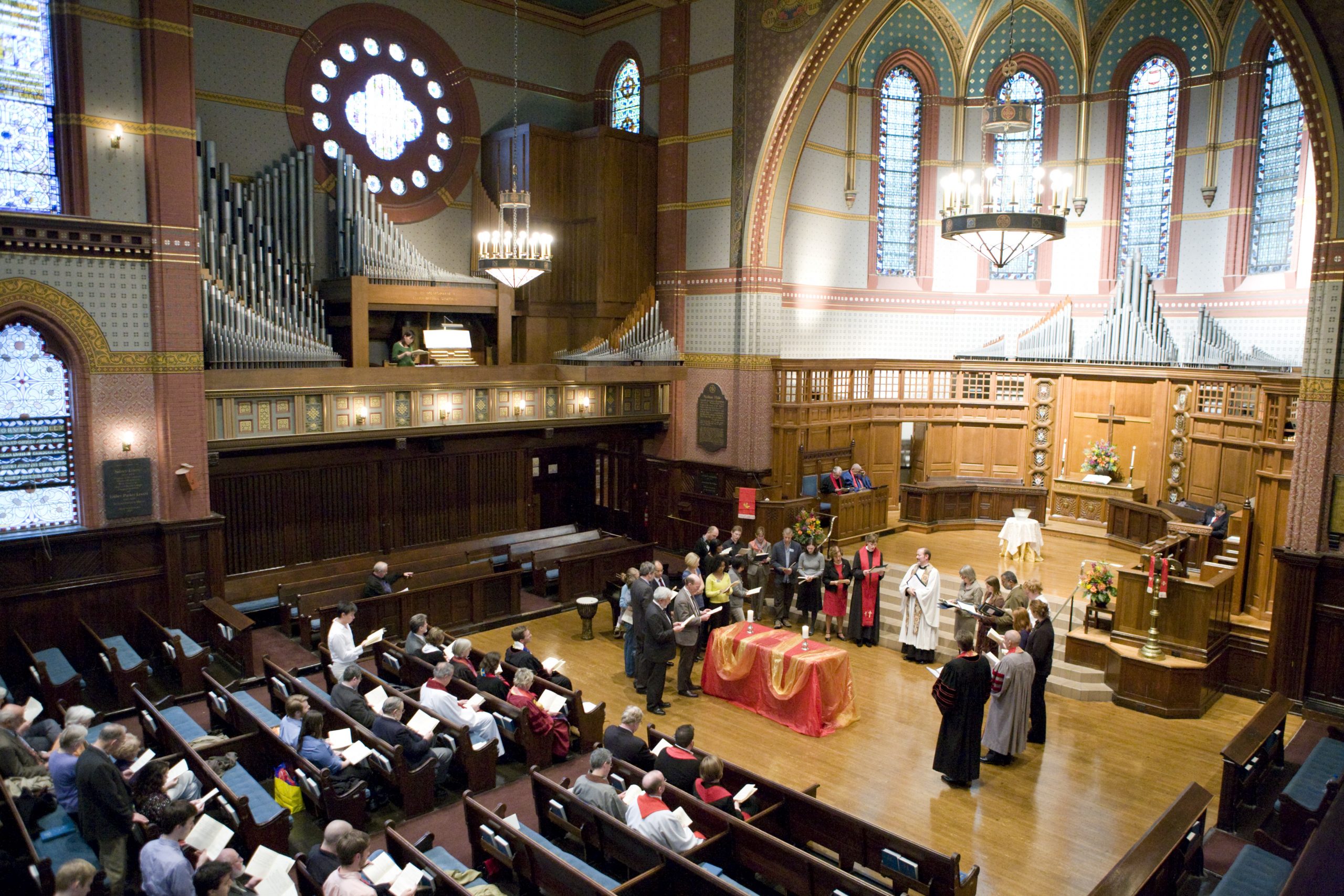
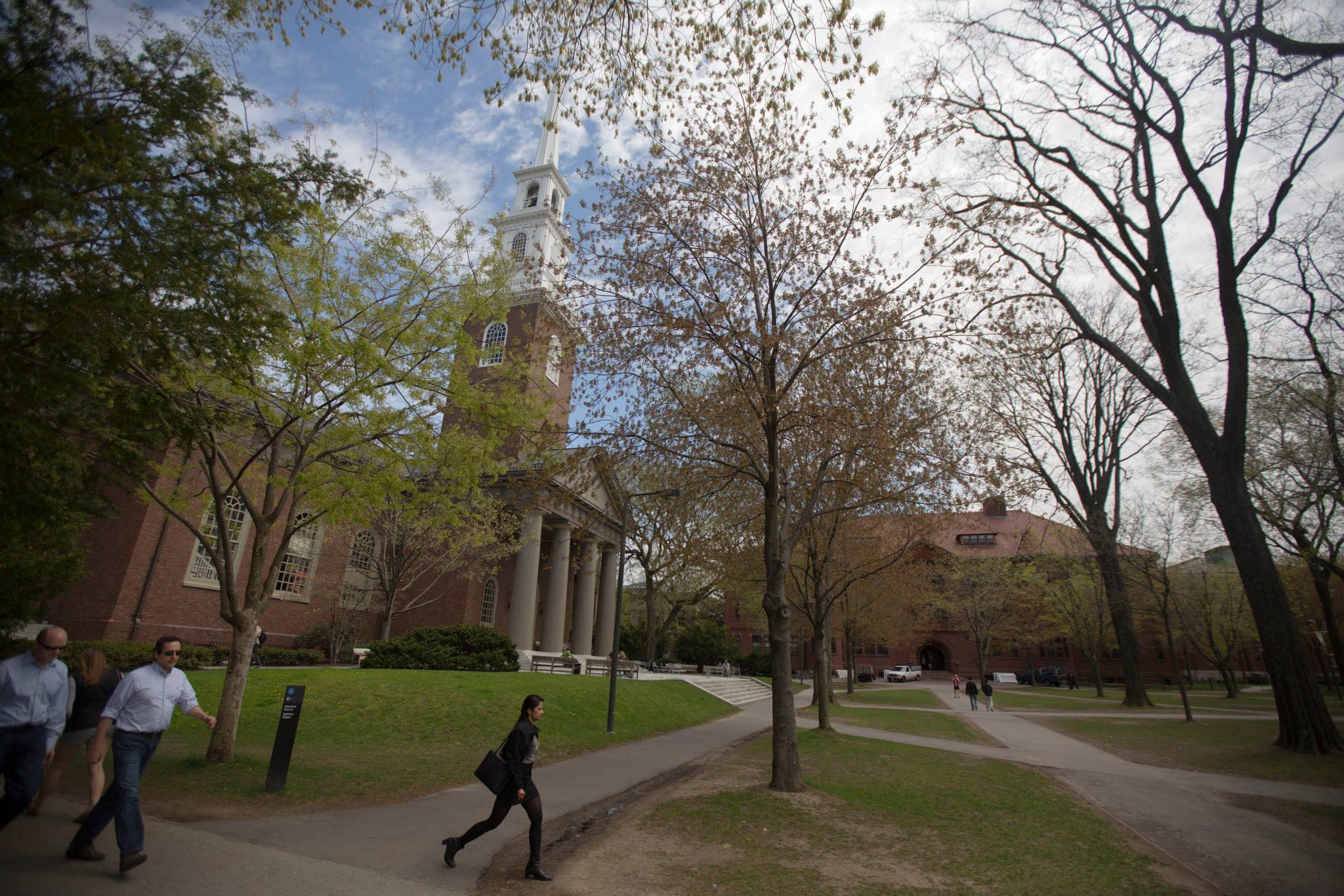
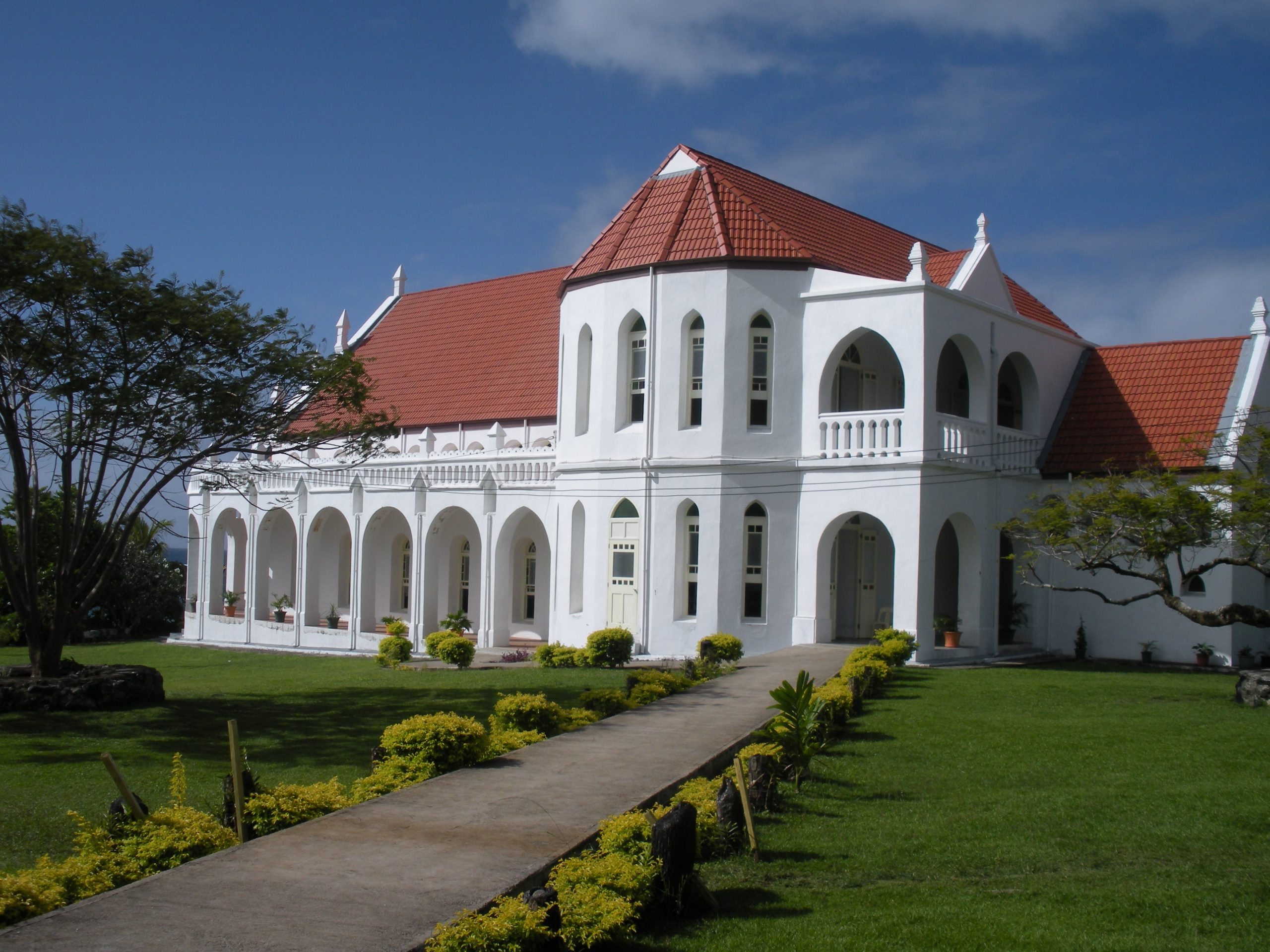
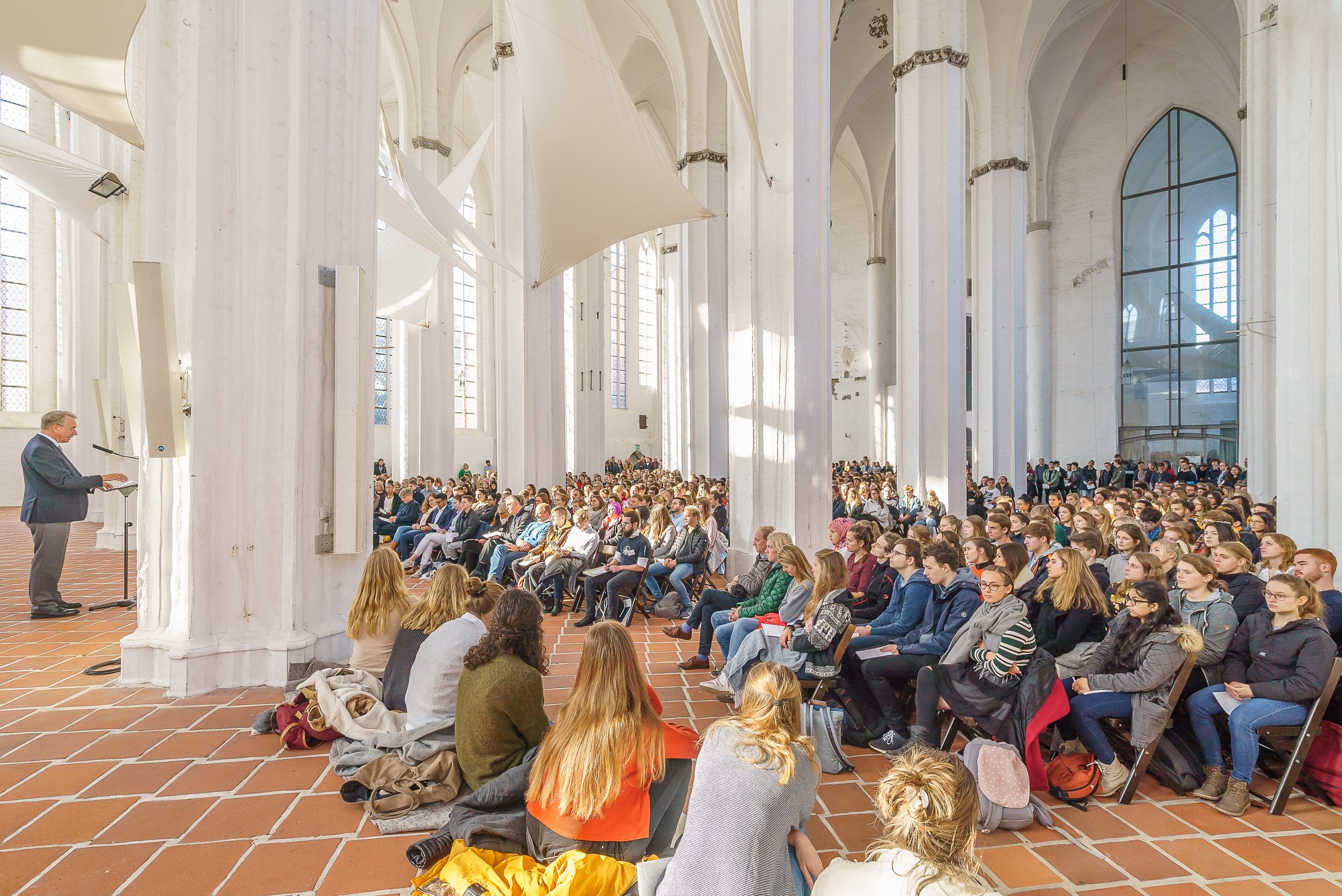
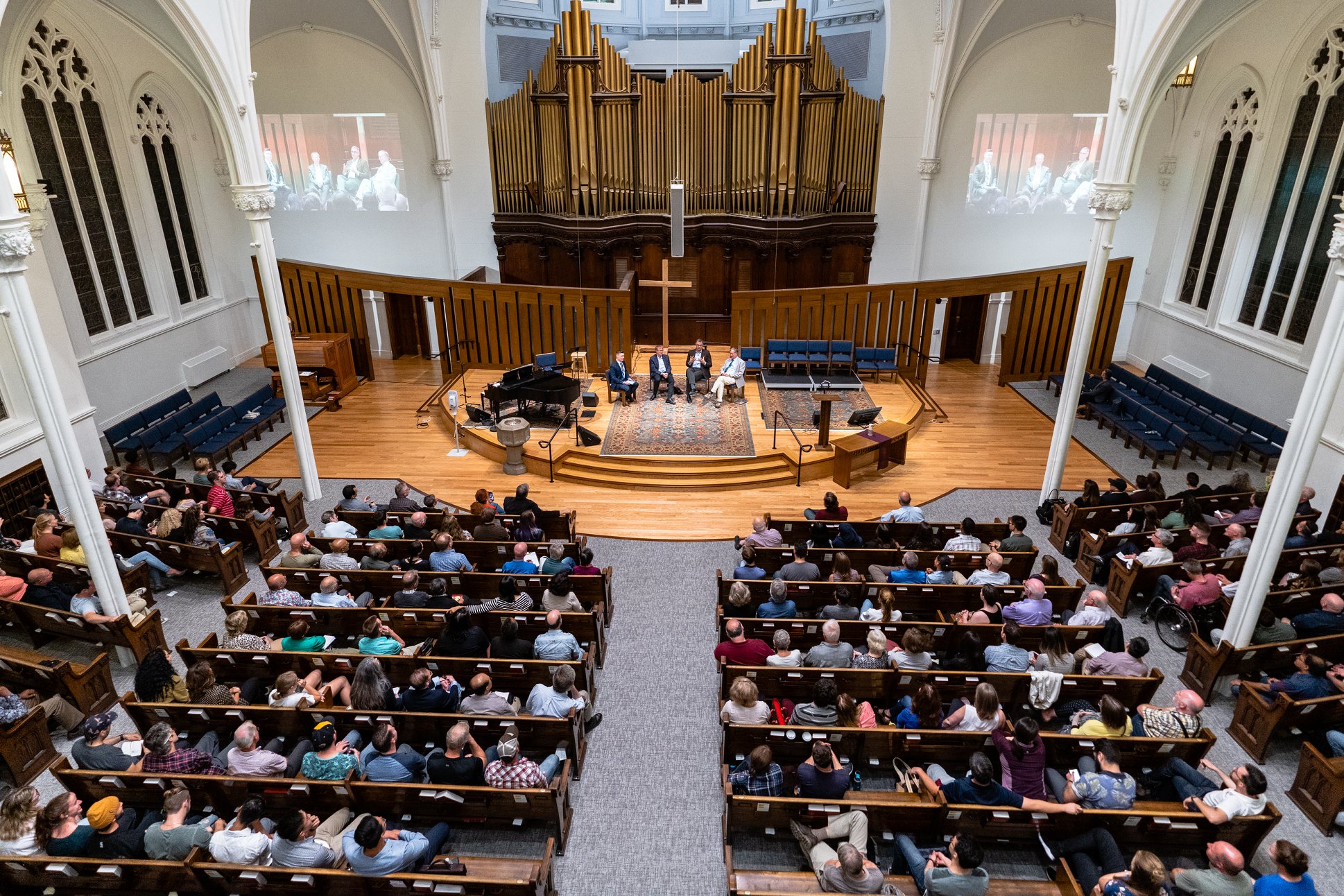
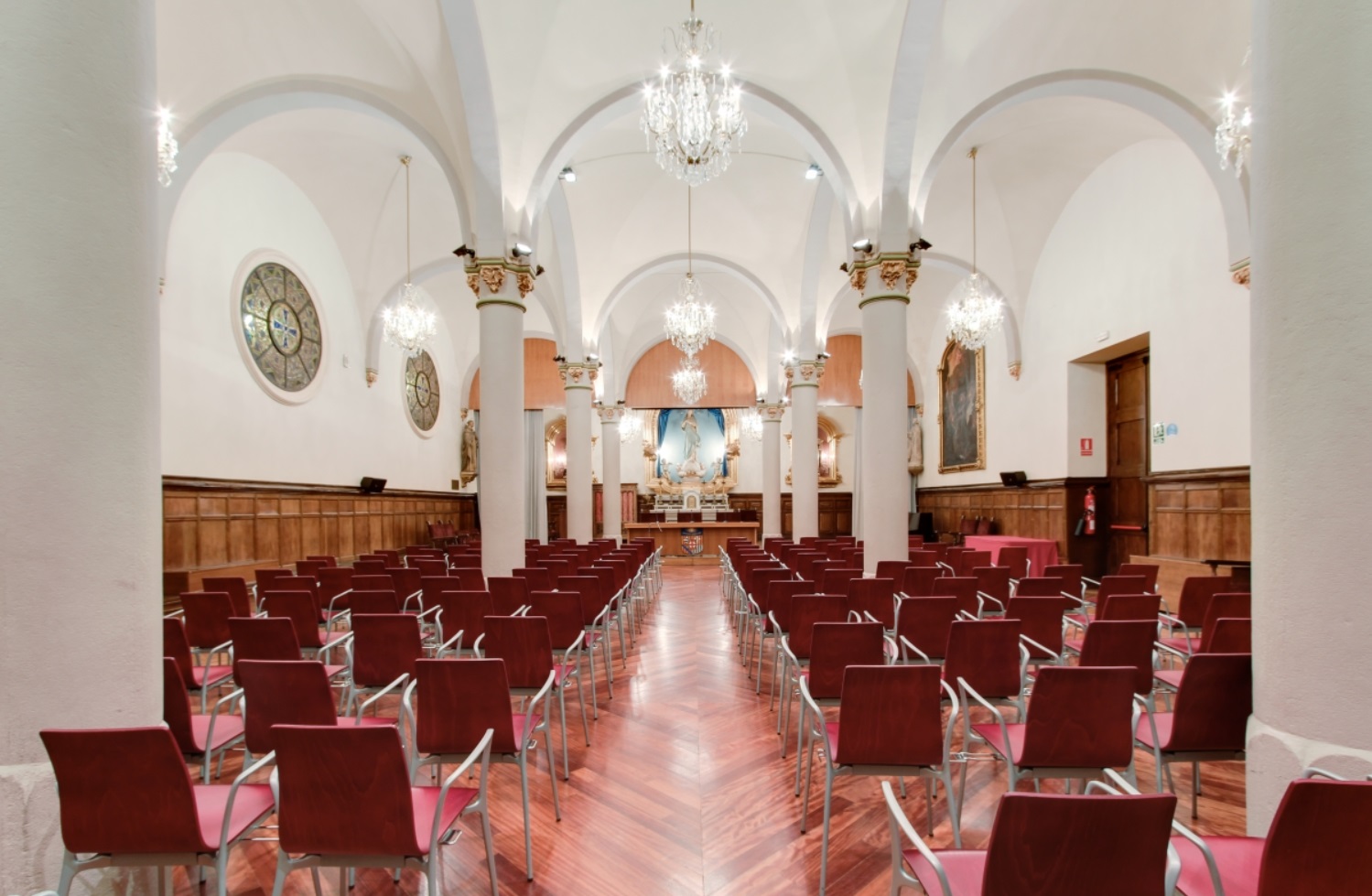
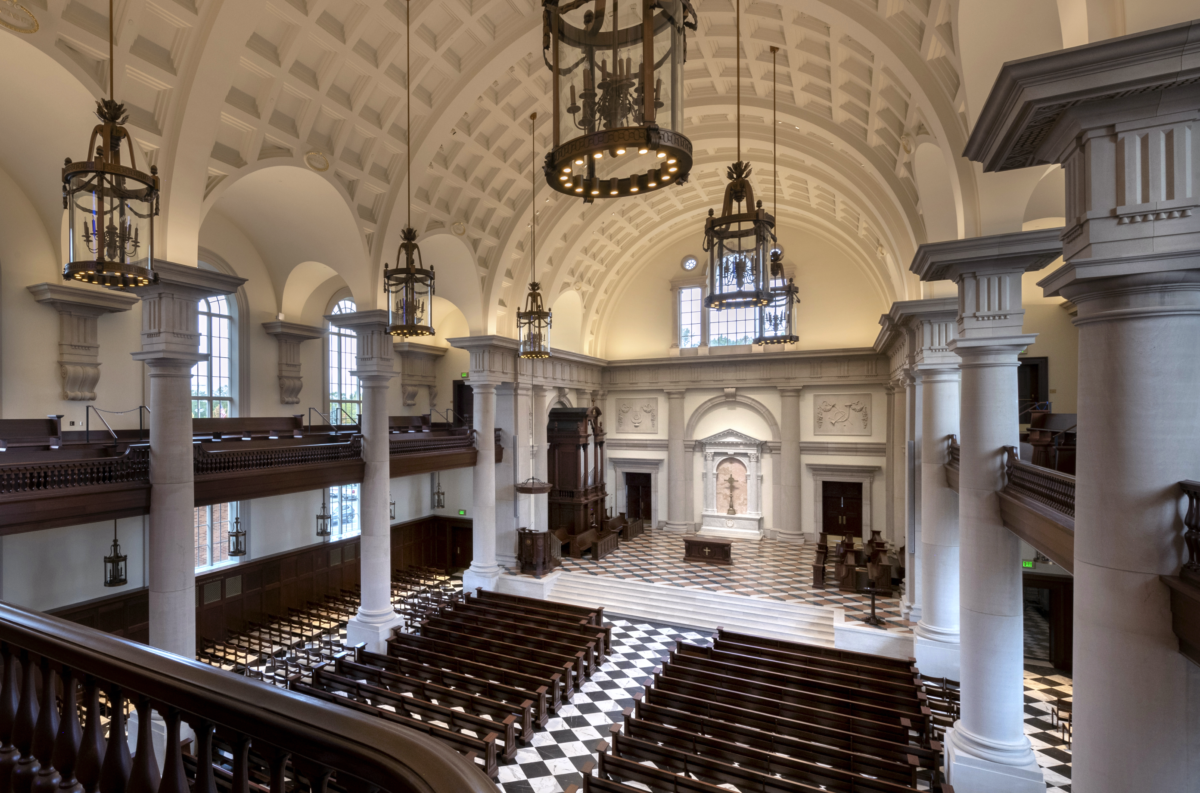
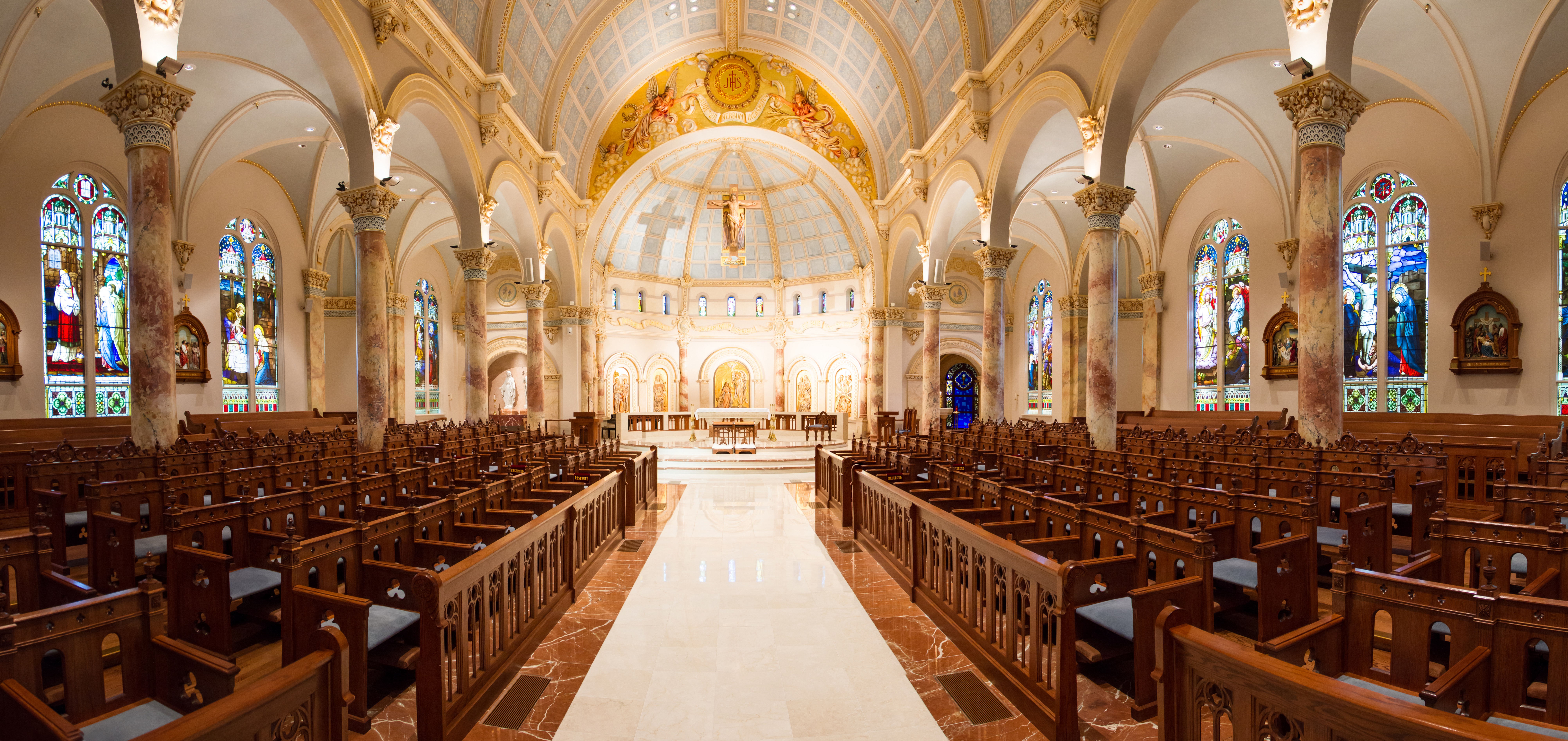
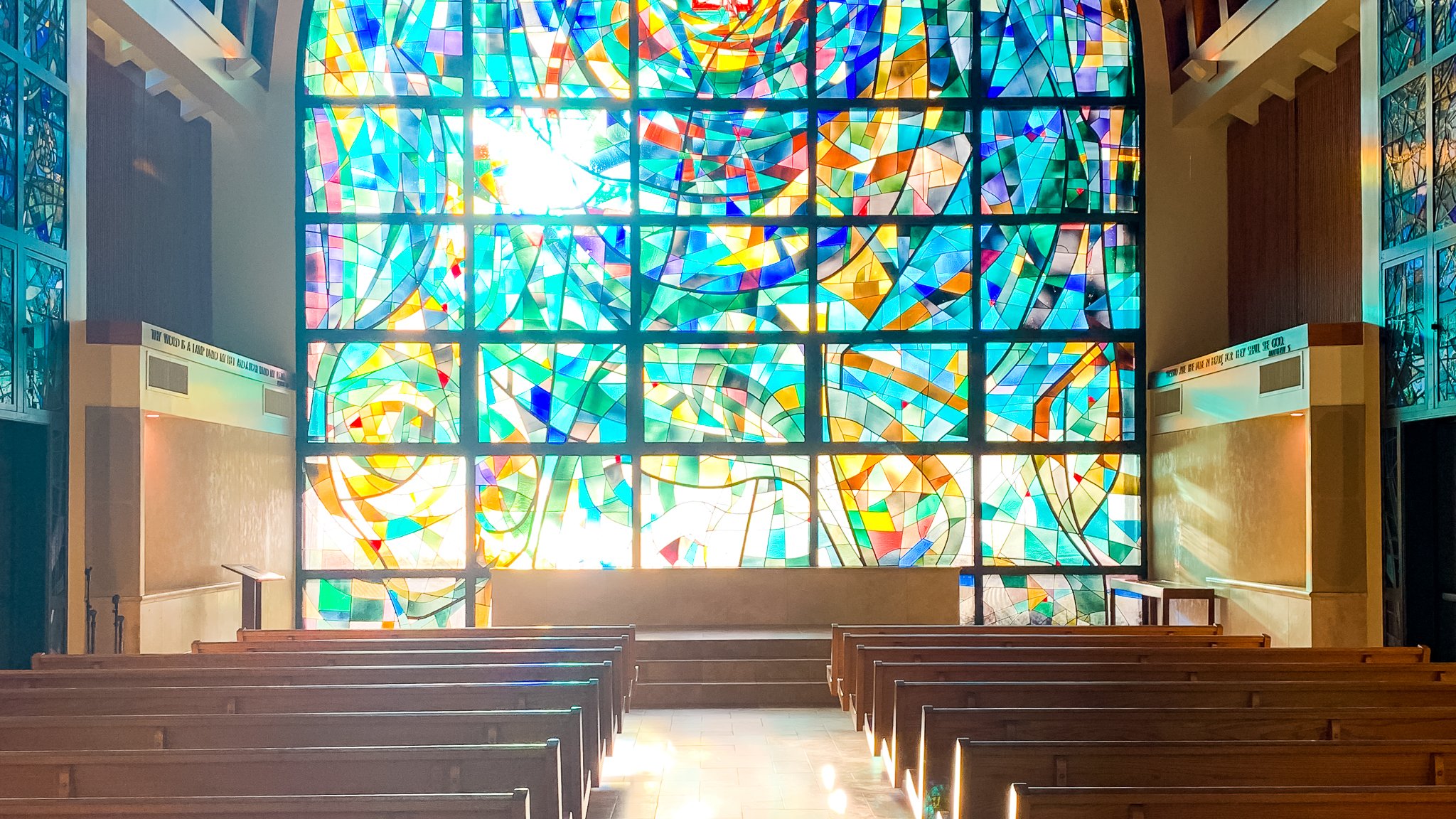
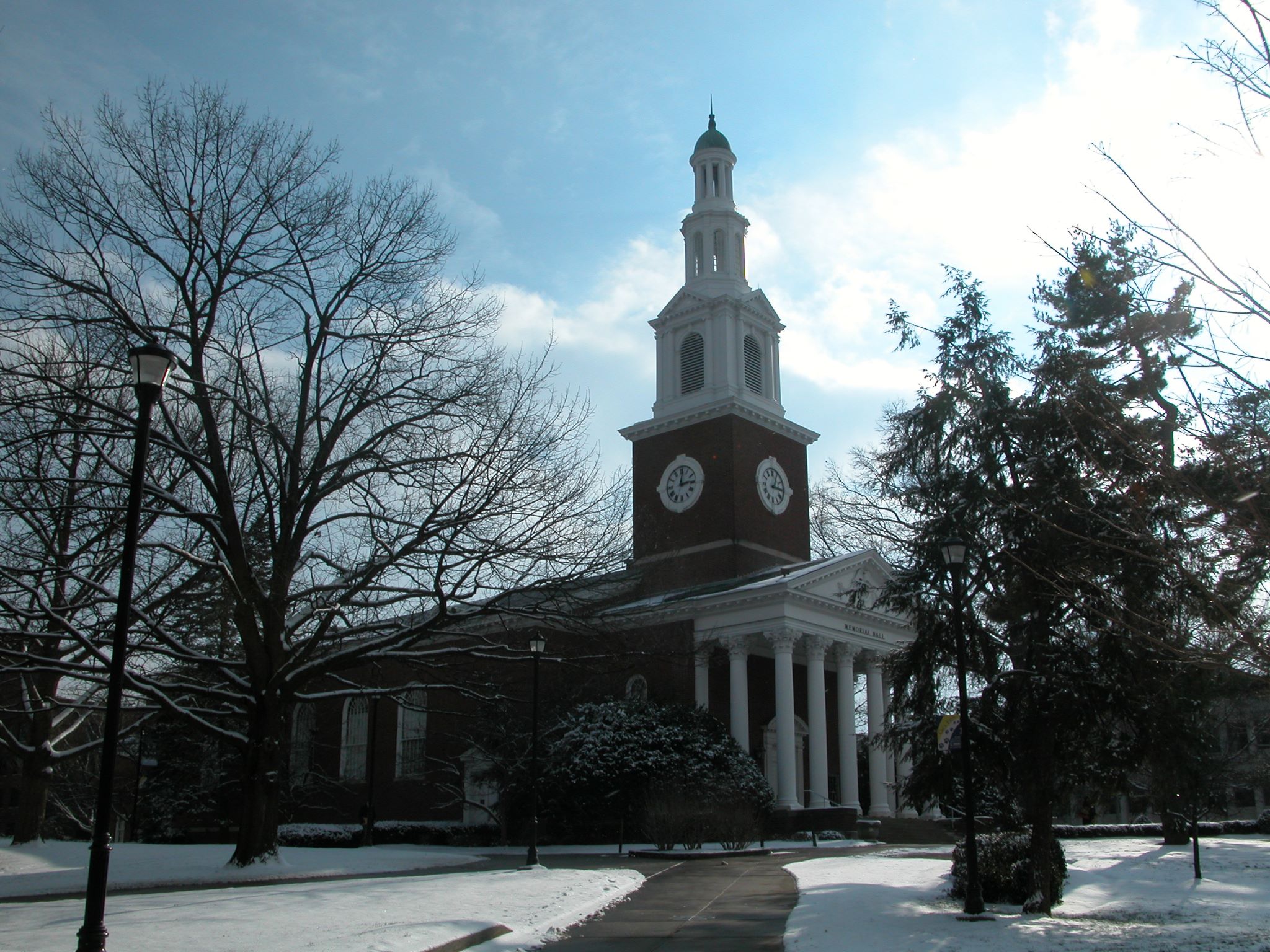
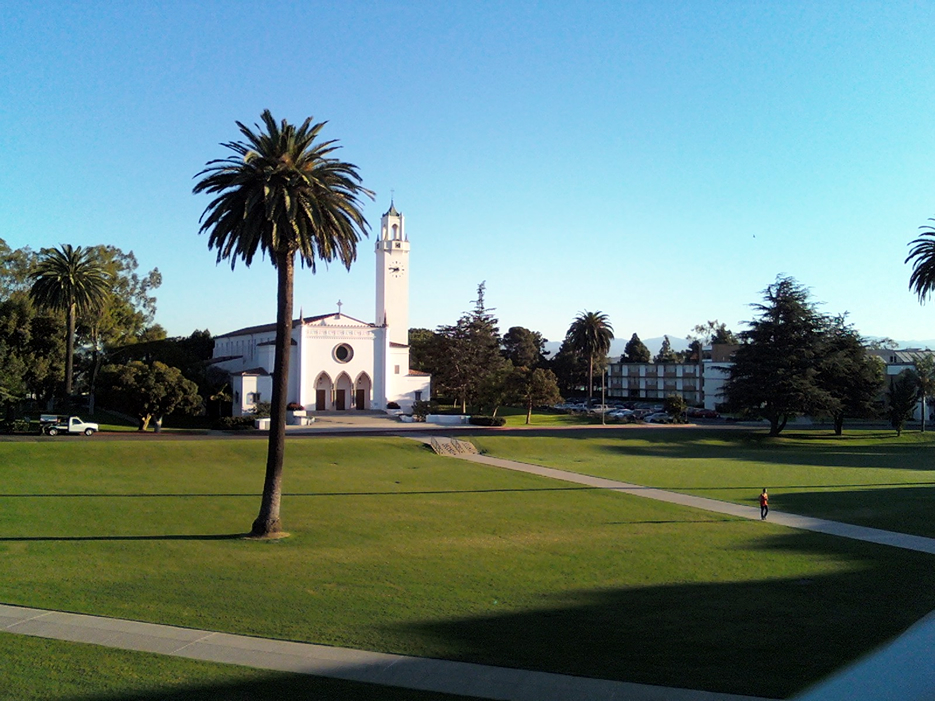
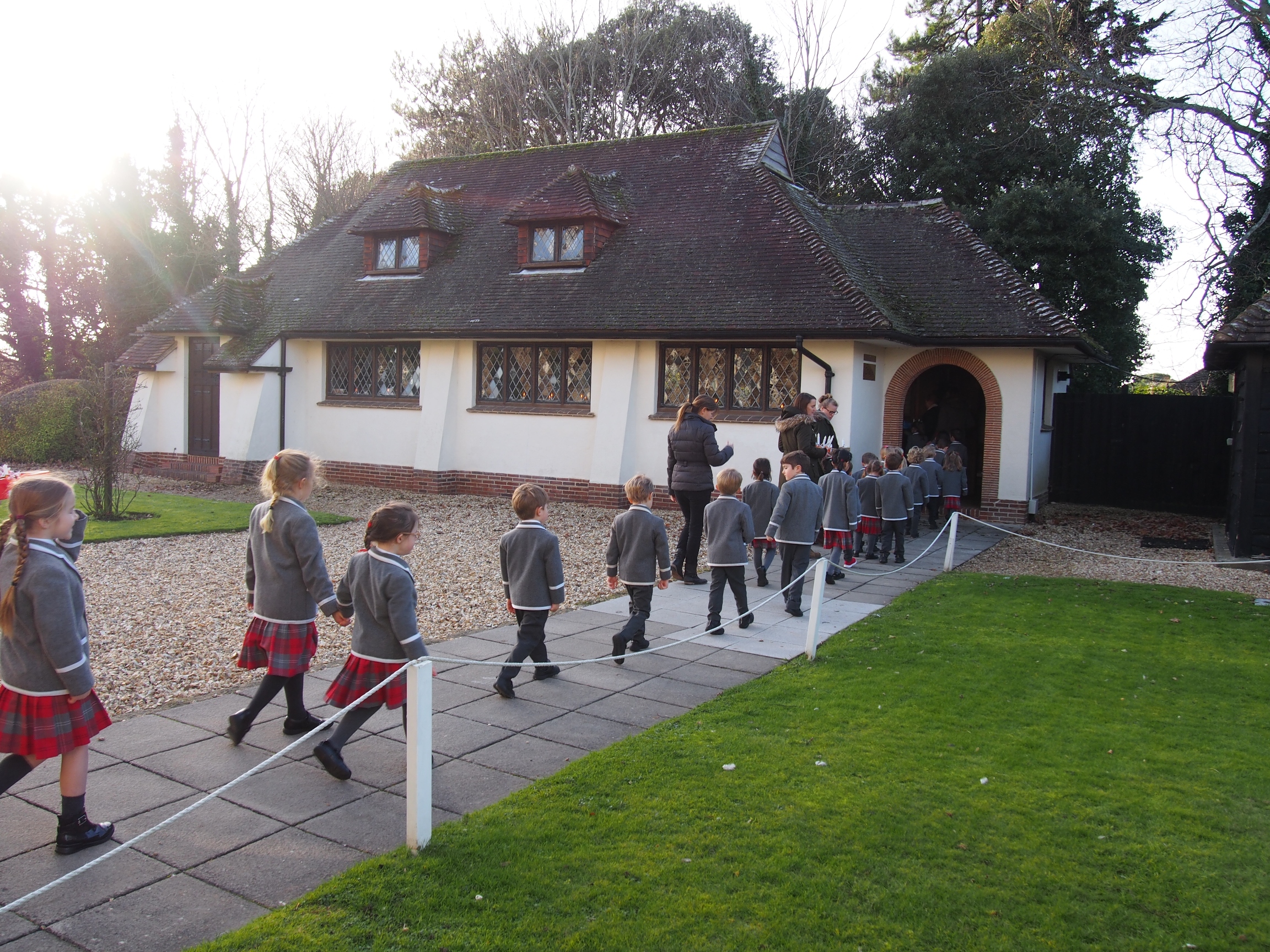
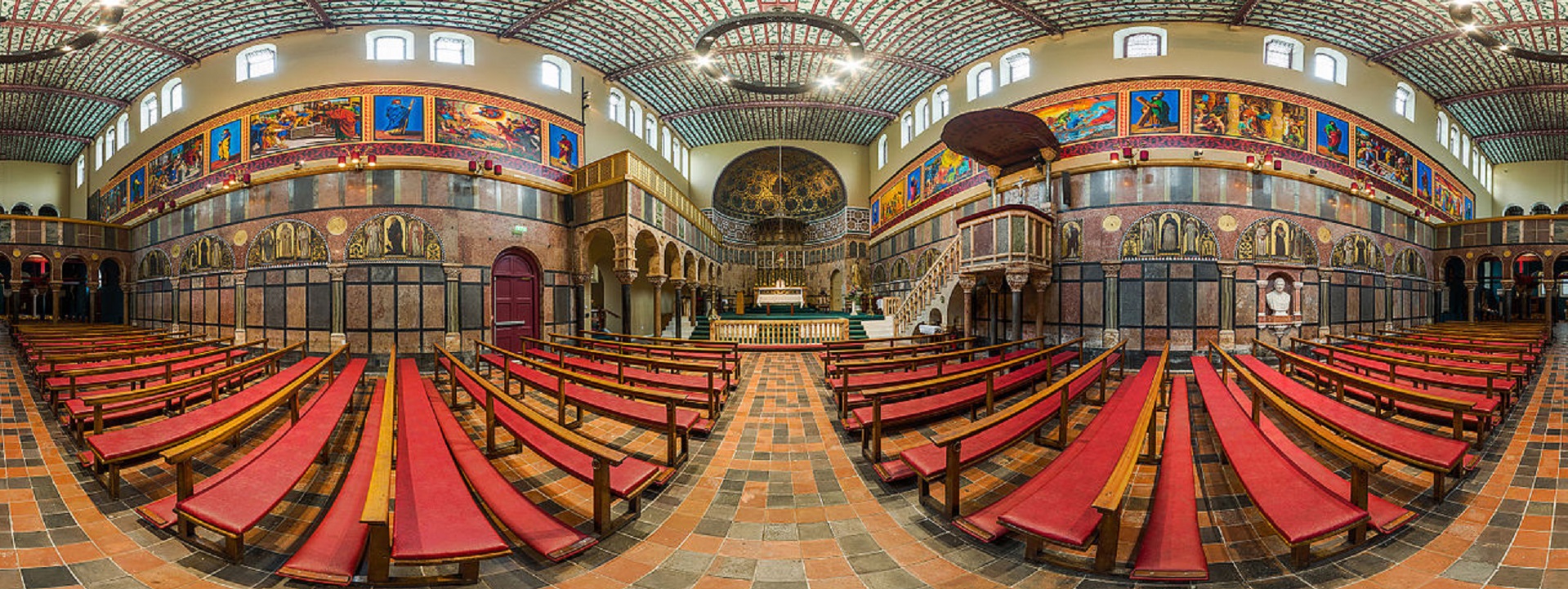
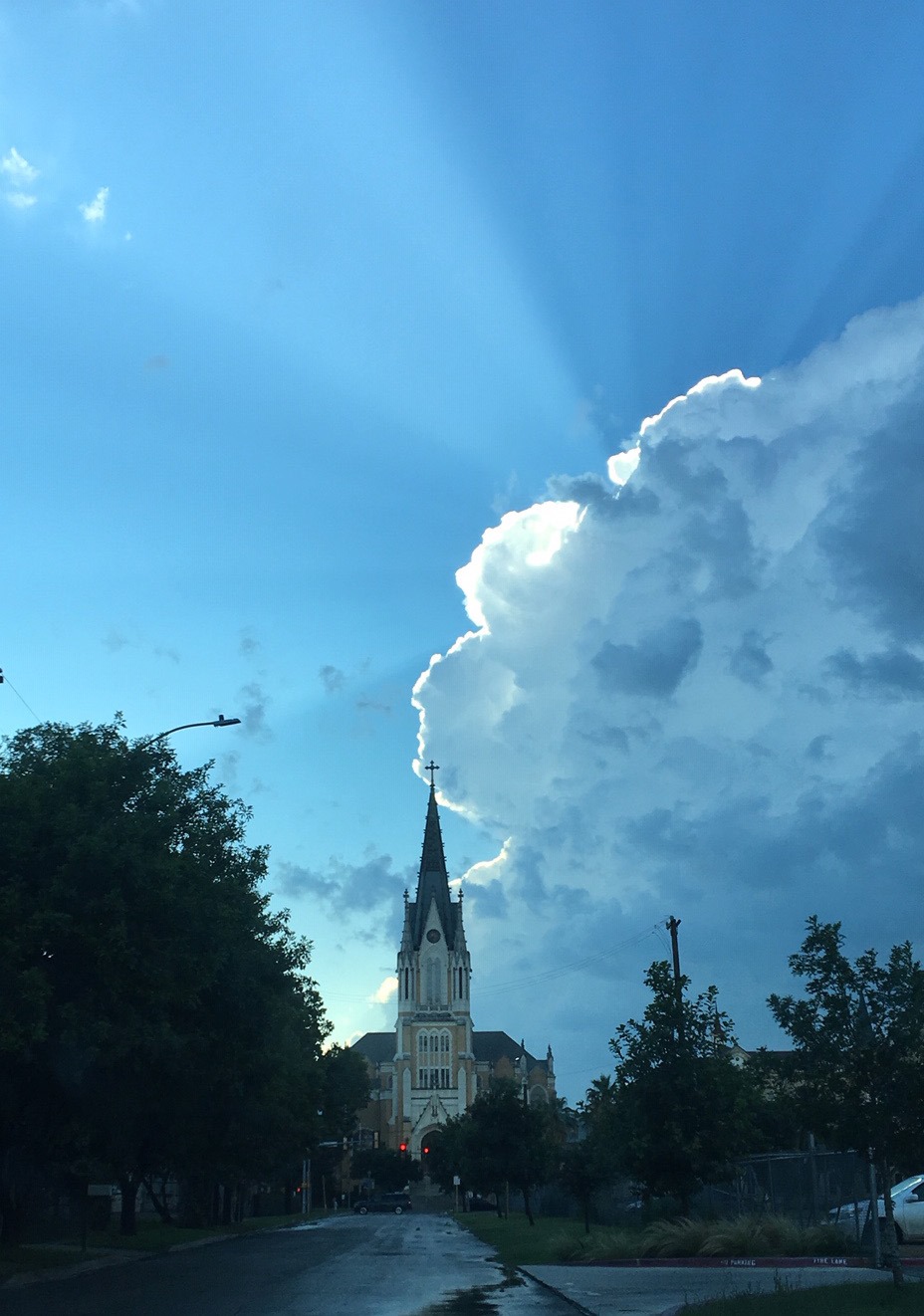
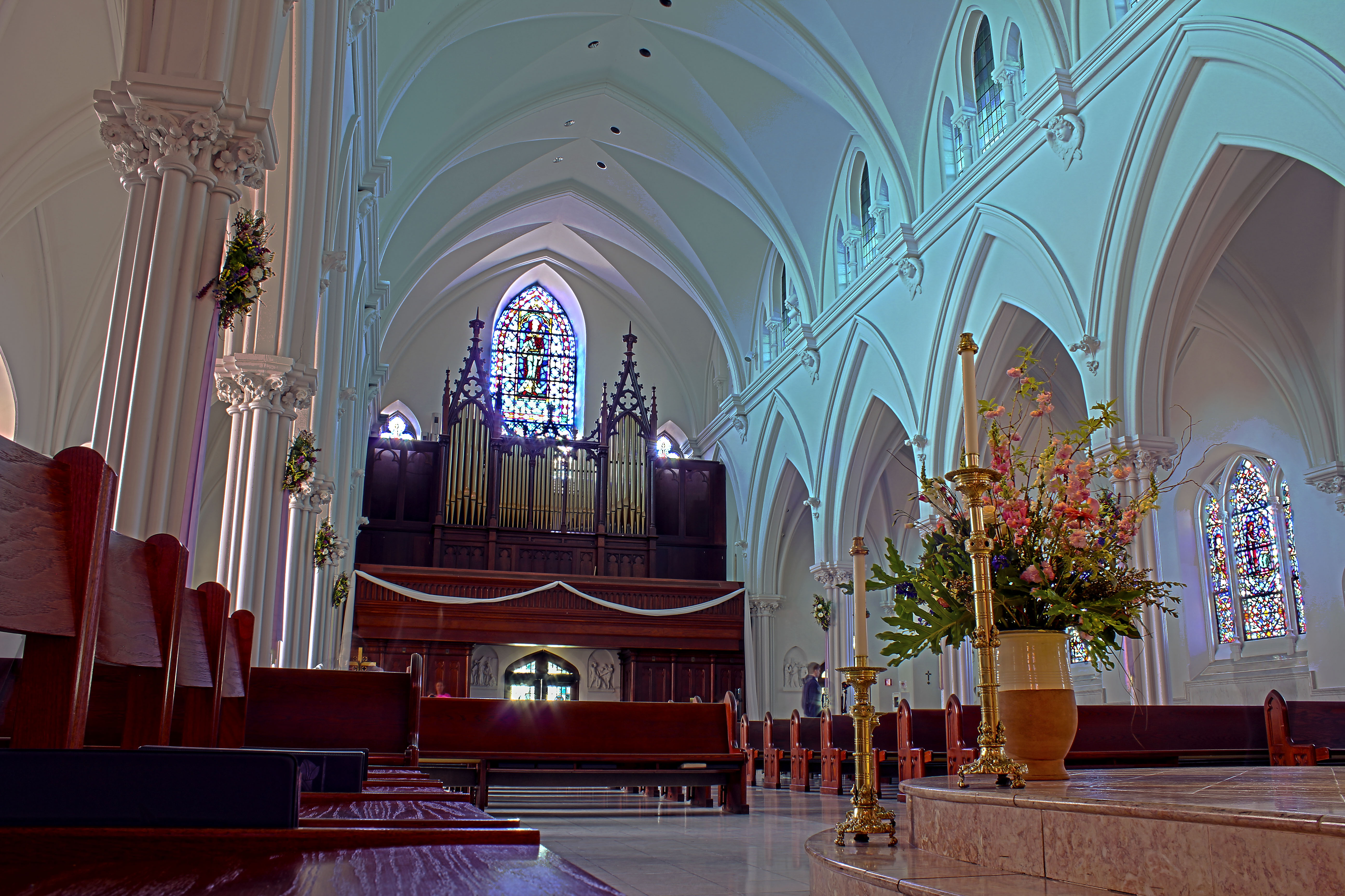
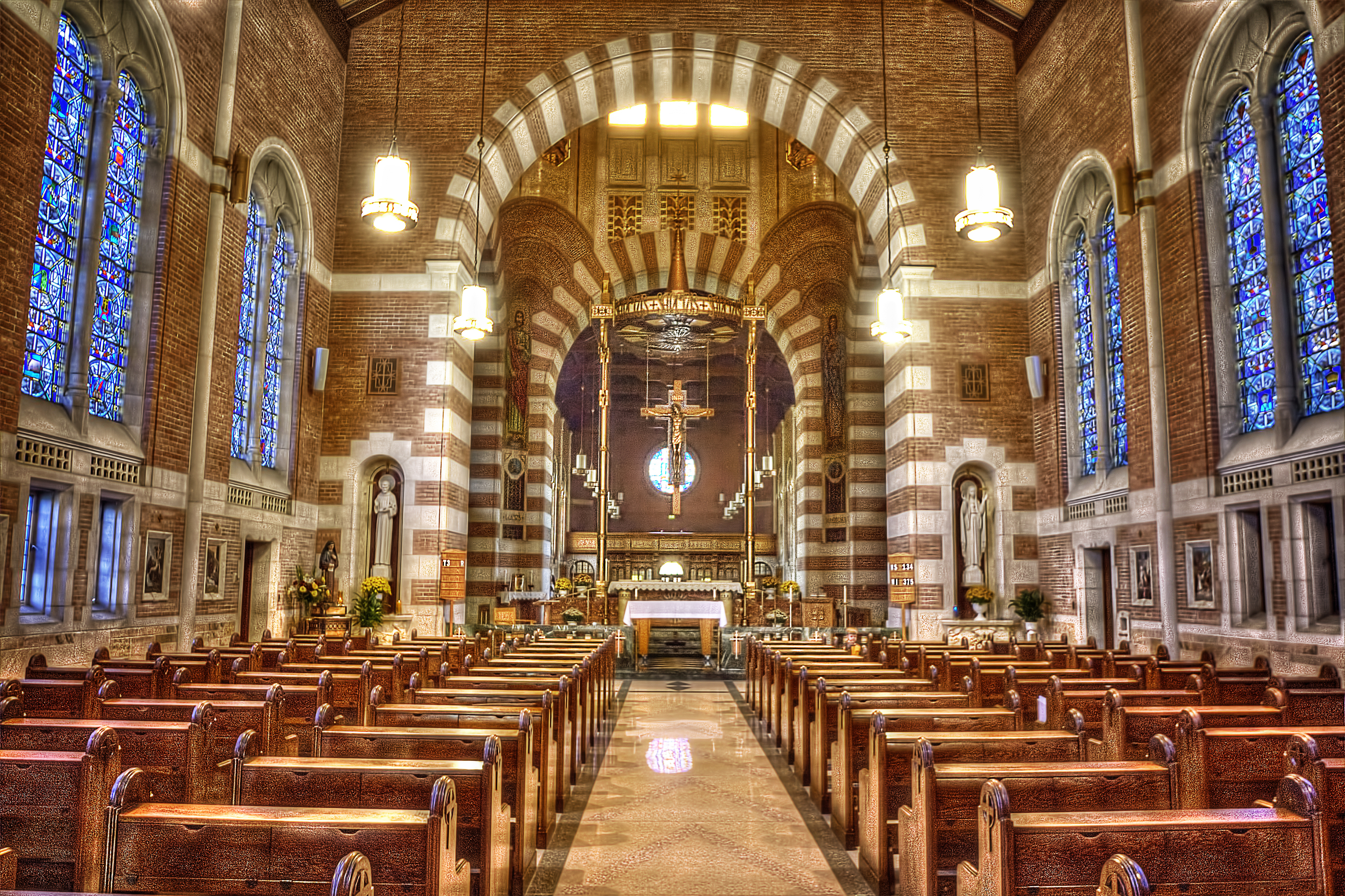
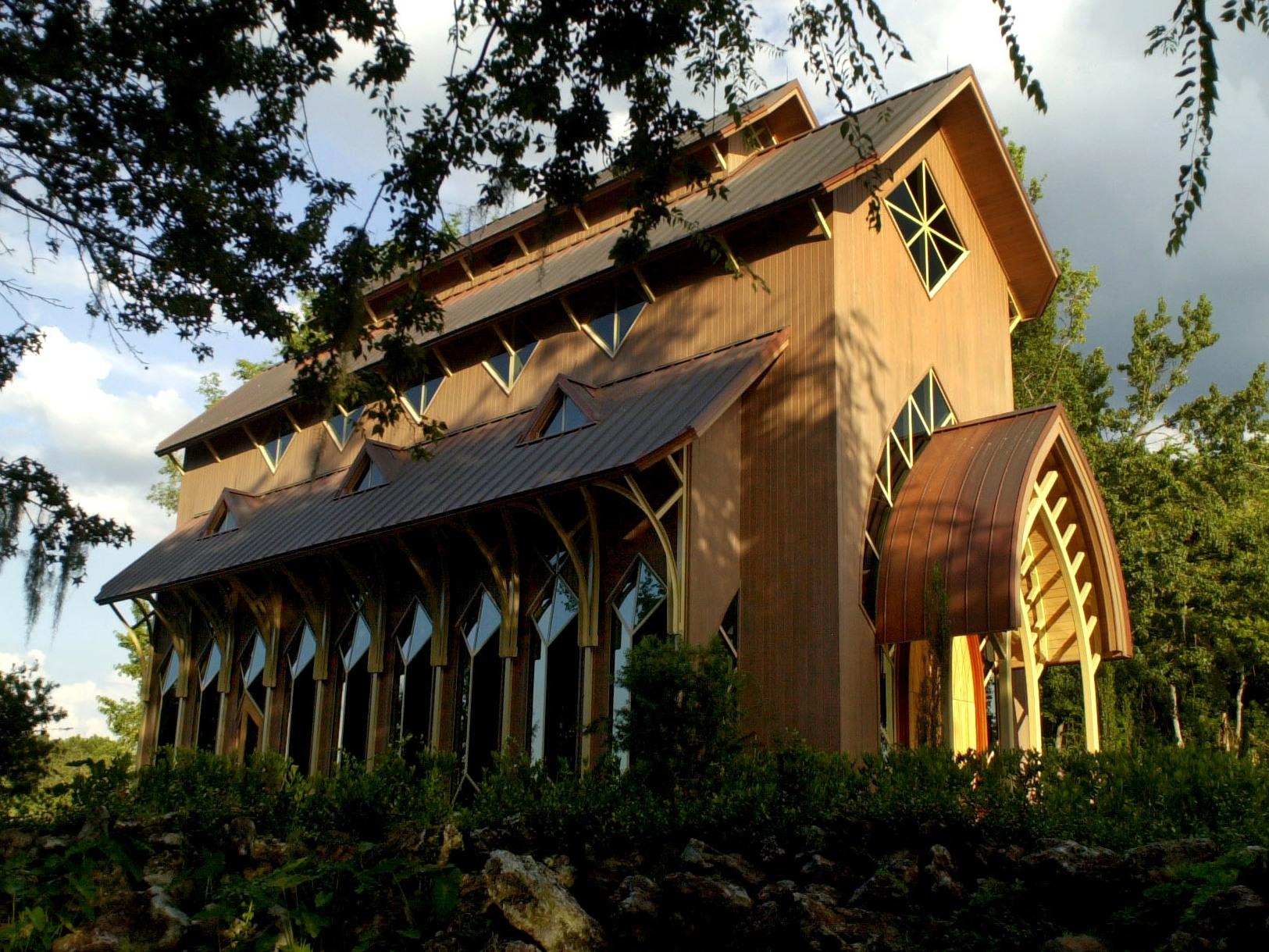
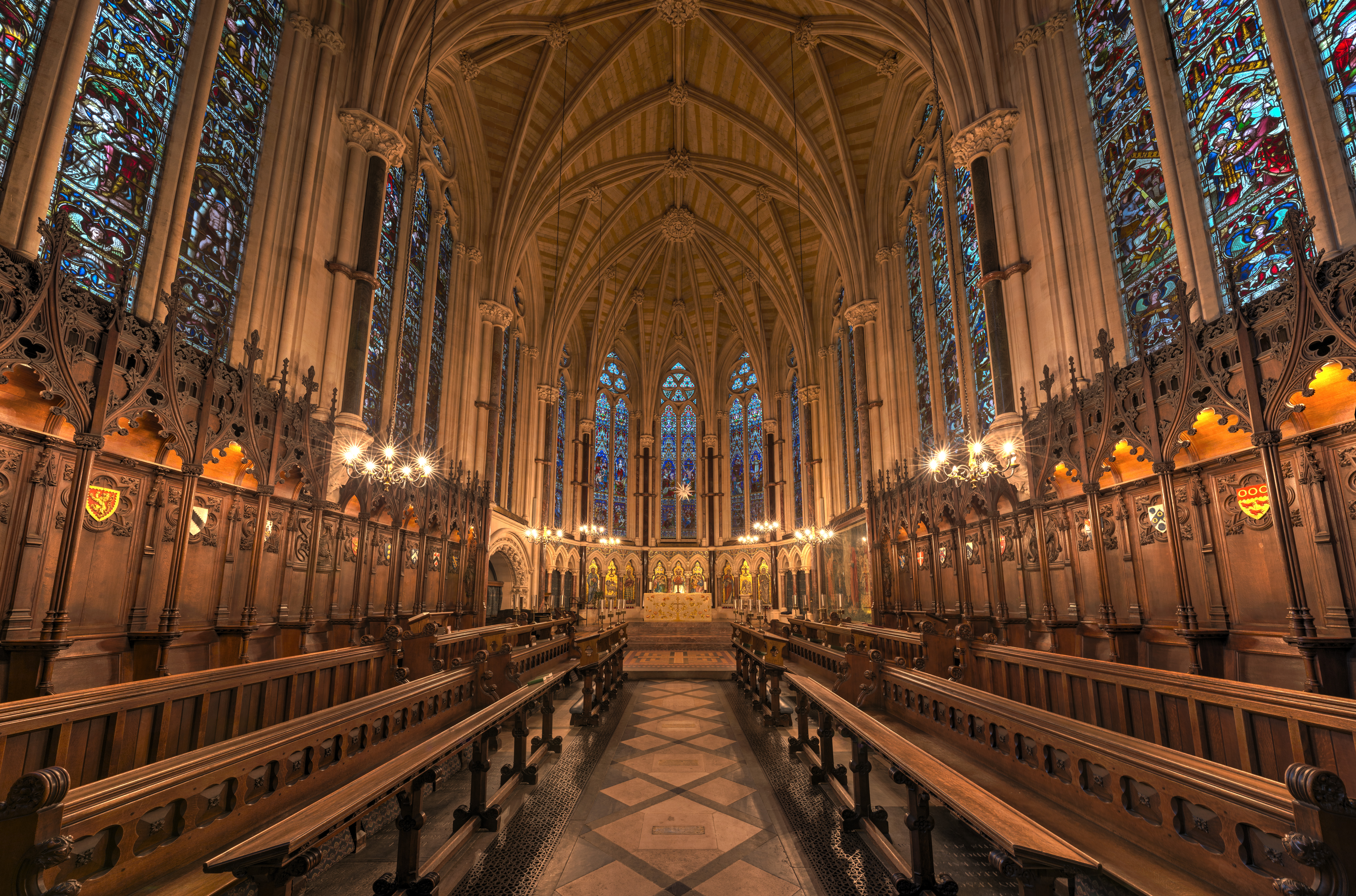
The image criteria of our WordPress theme does not permit many images of college and university chapels to be shown fully-dimensioned on sliders or widget galleries.  We reproduce a few of the outsized images here and leave the complexities of financing, designing, building and maintaining of them in a safe and sustainable manner for another day.  CLICK HERE for the links to our Sacred Space Standards workspace.

Click on any image for author attribution, photo credit or other information*.

Orchard Lake Schools | Oakland County Michigan

Saint Leo University | Pasco County Florida

Newman University Chapel Dublin

I believe in Christianity as I believe that the sun has risen:

not only because I see it, but because by it I see everything else.

— C.S. Lewis

Vilnius University

Mount St. Joseph University | Hamilton County Ohio

Sainte-Chapelle:pic.twitter.com/B2lPLtWEVx

— Culture Critic (@Culture_Crit) February 12, 2024

Marian University Indianapolis

Wittenberg University

Károli Gáspár Református Egyetem

University of San Diego

Augustana University | Minnehaha County South Dakota

Bucknell University Pennsylvania

Carroll College All Saints Chapel Montana


Marquette University Wisconsin

Saint Louis University Missouri

University of St. Thomas Minnesota

Keuka College New York

جامعة الأزهر (الشريف)

Università Cattolica del Sacro Cuore

University of Chicago

Thomas Aquinas College California

St. Albans School | District of Columbia

Princeton University

Yale University

Harvard University

Piula Theological College Samoa

Universität zu Lübeck

Wycliffe College

Universitat de Barcelona

Hillsdale College

Liberty University

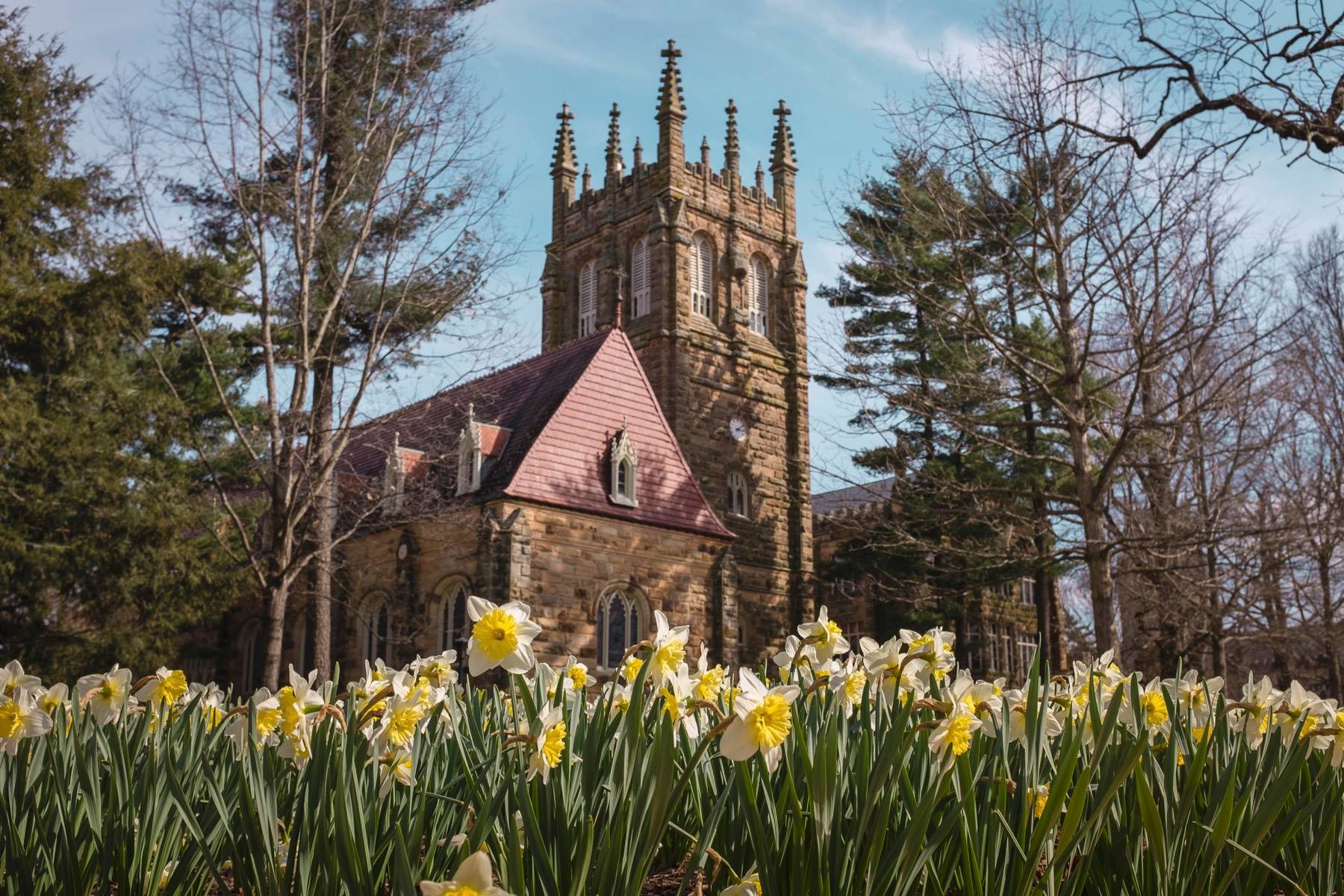
Gordon College


Colorado University Denver

Walla Walla University / Washington

University of the Incarnate Word / San Antonio, Texas

Pepperdine University / California

University of Kentucky

Loyola Marymount University / Los Angeles, California

Lourdes University

Seton Hall University

Durlston Court Prep School Chapel

Colorado University Denver

Luther College at the University of Regina / Saskatchewan, Canada


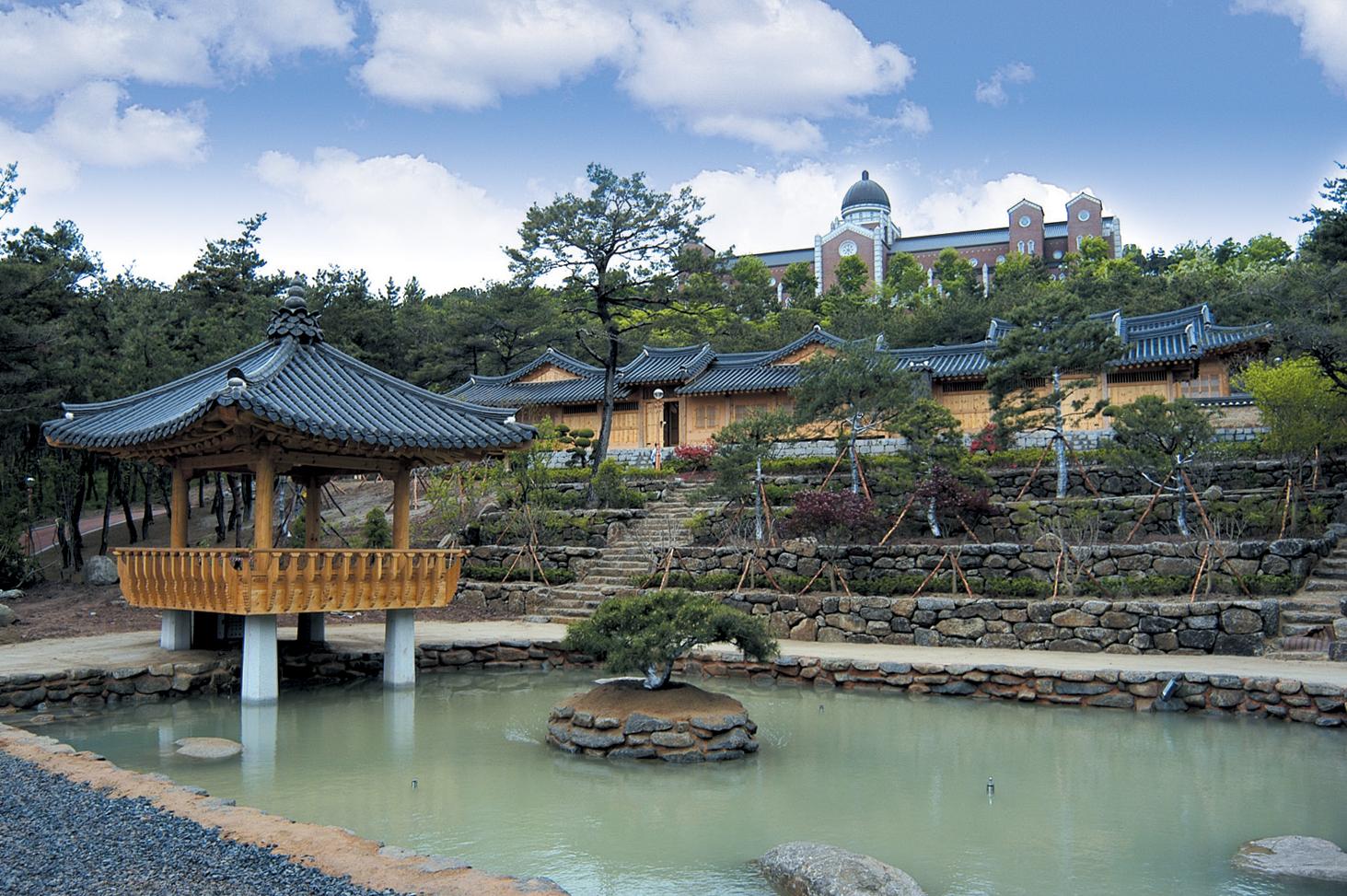
계명대학교 / Keimyung University Chapel, South Korea

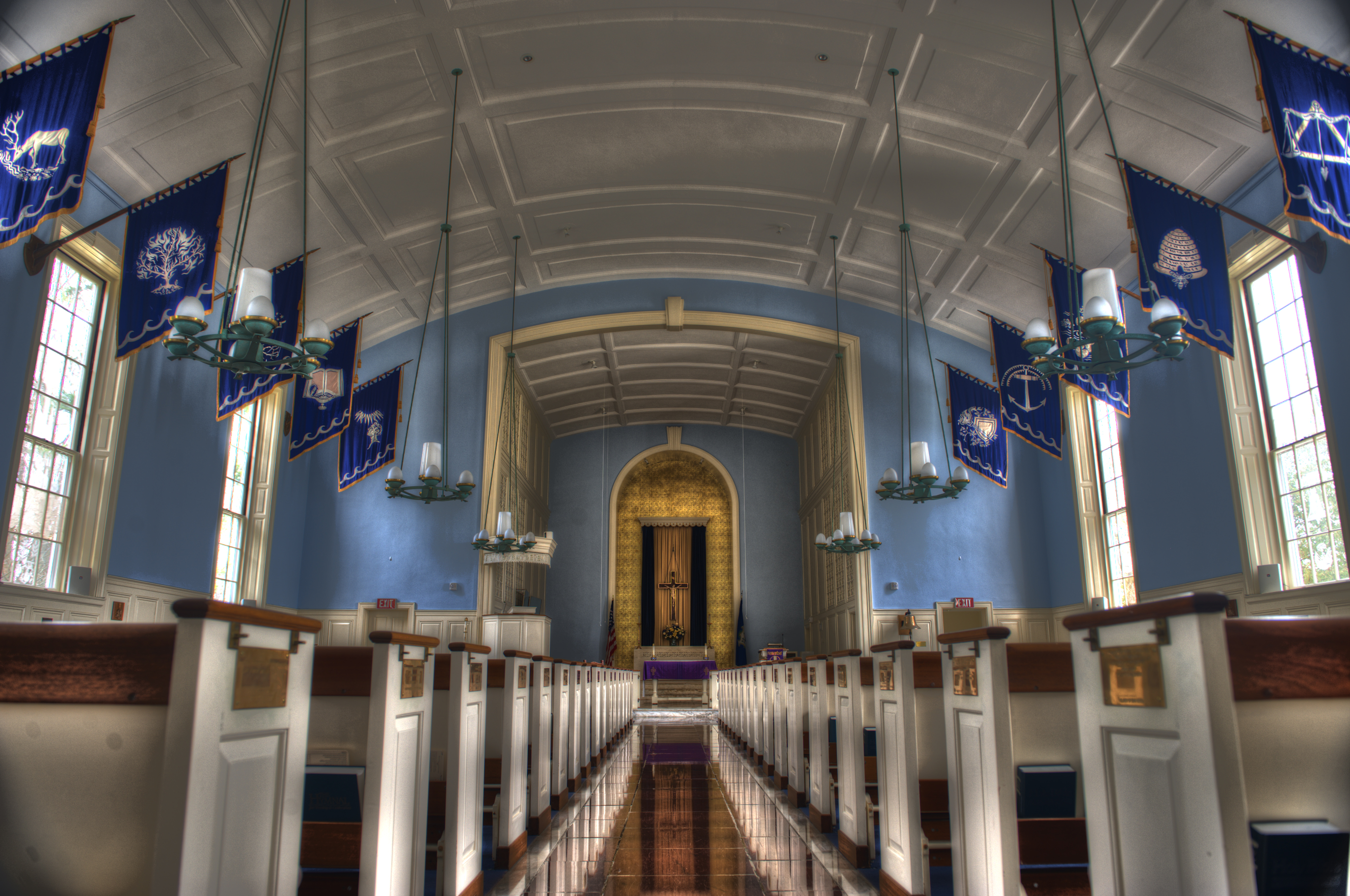
U.S. Coast Guard Memorial Chapel | New London, Connecticut

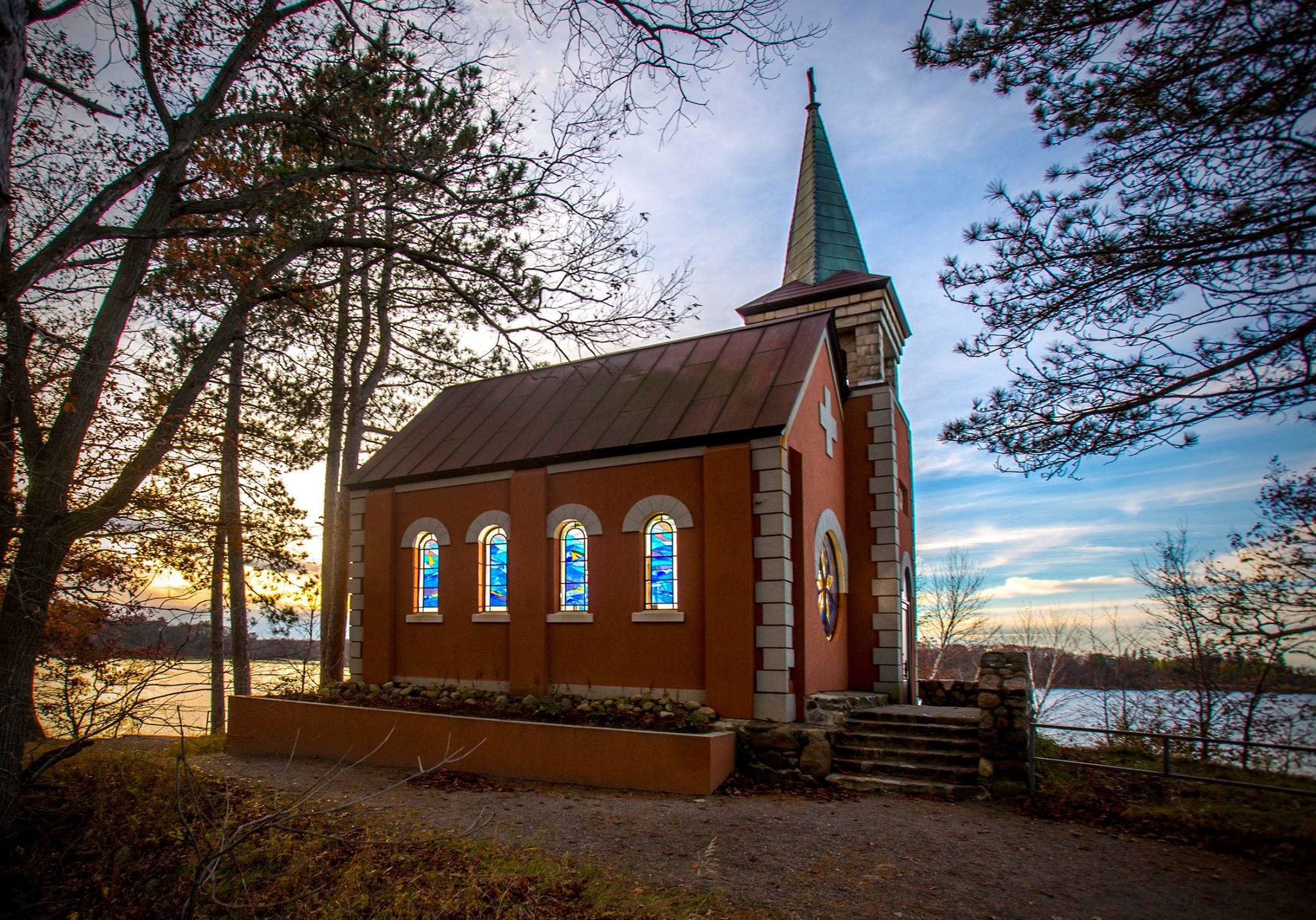
Saint John’s University | Photo by Paul Middlestaedt

Trinity College / Hartford, Connecticut

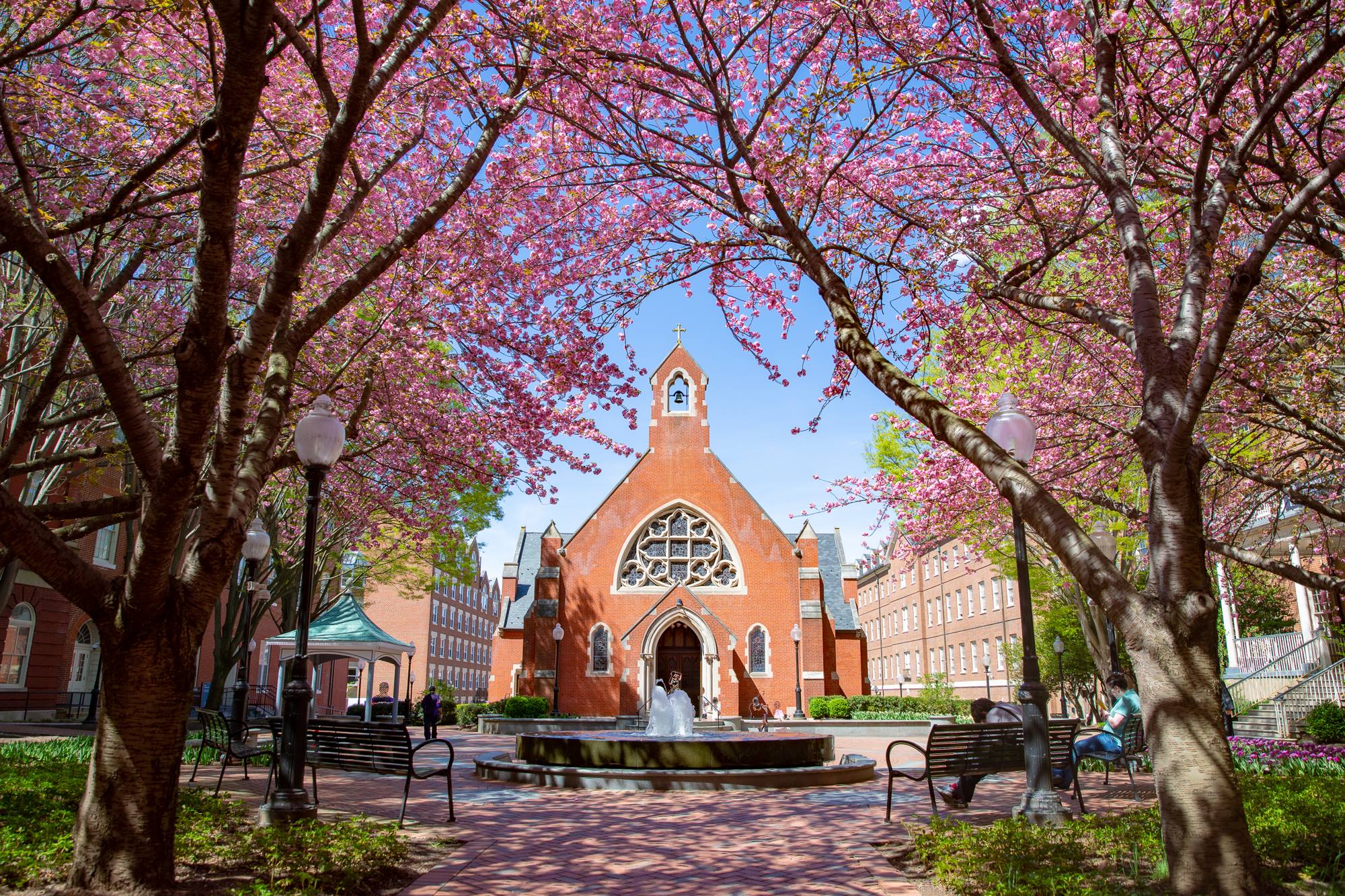
Georgetown University Chapel | Washington, D.C.

Kings College Chapel | Auckland, New Zealand

Brigham Young University / Idaho

Newman University Church / Dublin

Our Lady of the Lake University / San Antonio, Texas

Southern Methodist University | Dallas, Texas

Southern Methodist University | Dallas, Texas

St. John’s College Oxford

United States Naval Academy Chapel

Wellington College Chapel

Fitzwilliam College Chapel Cambridge

Sorbonne Université

West Point | US Army Cadet Chapel

Hebrew Union College

Tuskegee University Chapel

The Spring Hill College Chapel | Mobile, Alabama

Boston University

University of Tennessee at Chattangooga

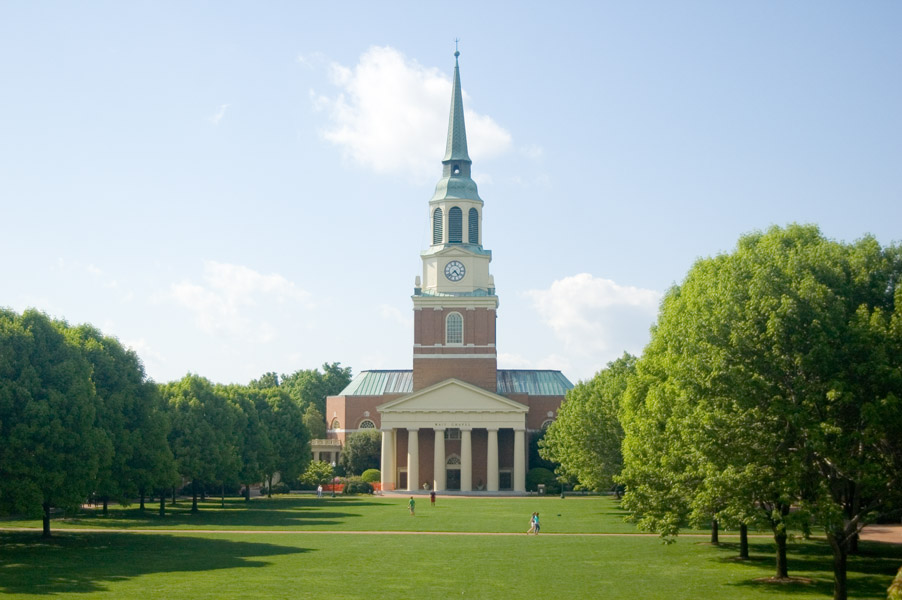
Wake Forest University

Auburn University Chapel

Davis & Elkins College

University of Tulsa

Randolph College Chapel


Sewanee | The University of the South

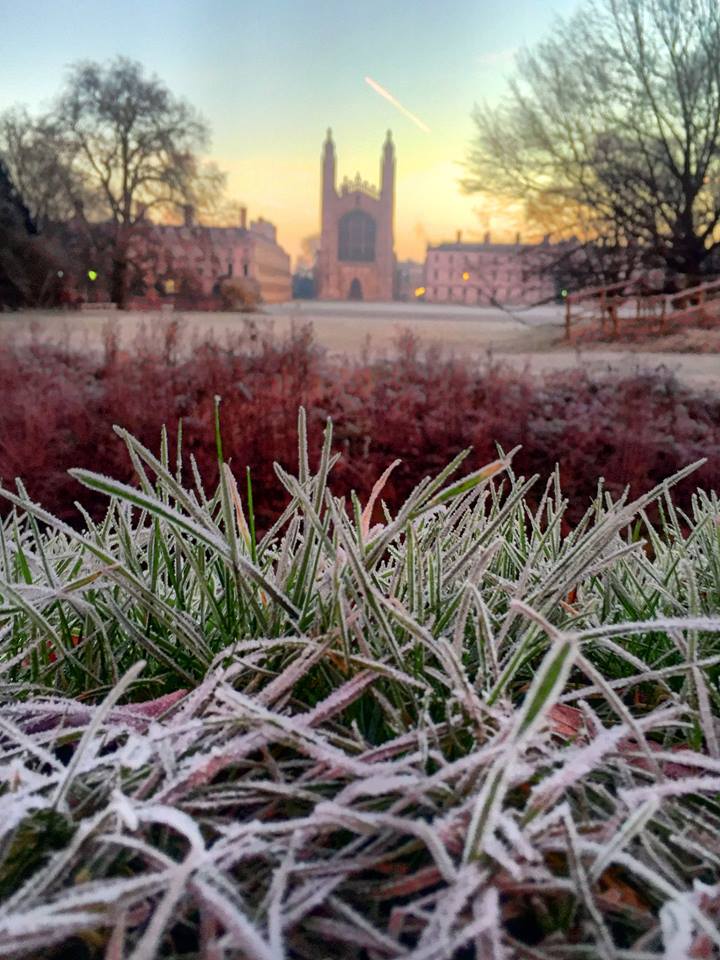
King’s College Chapel | University of Cambridge

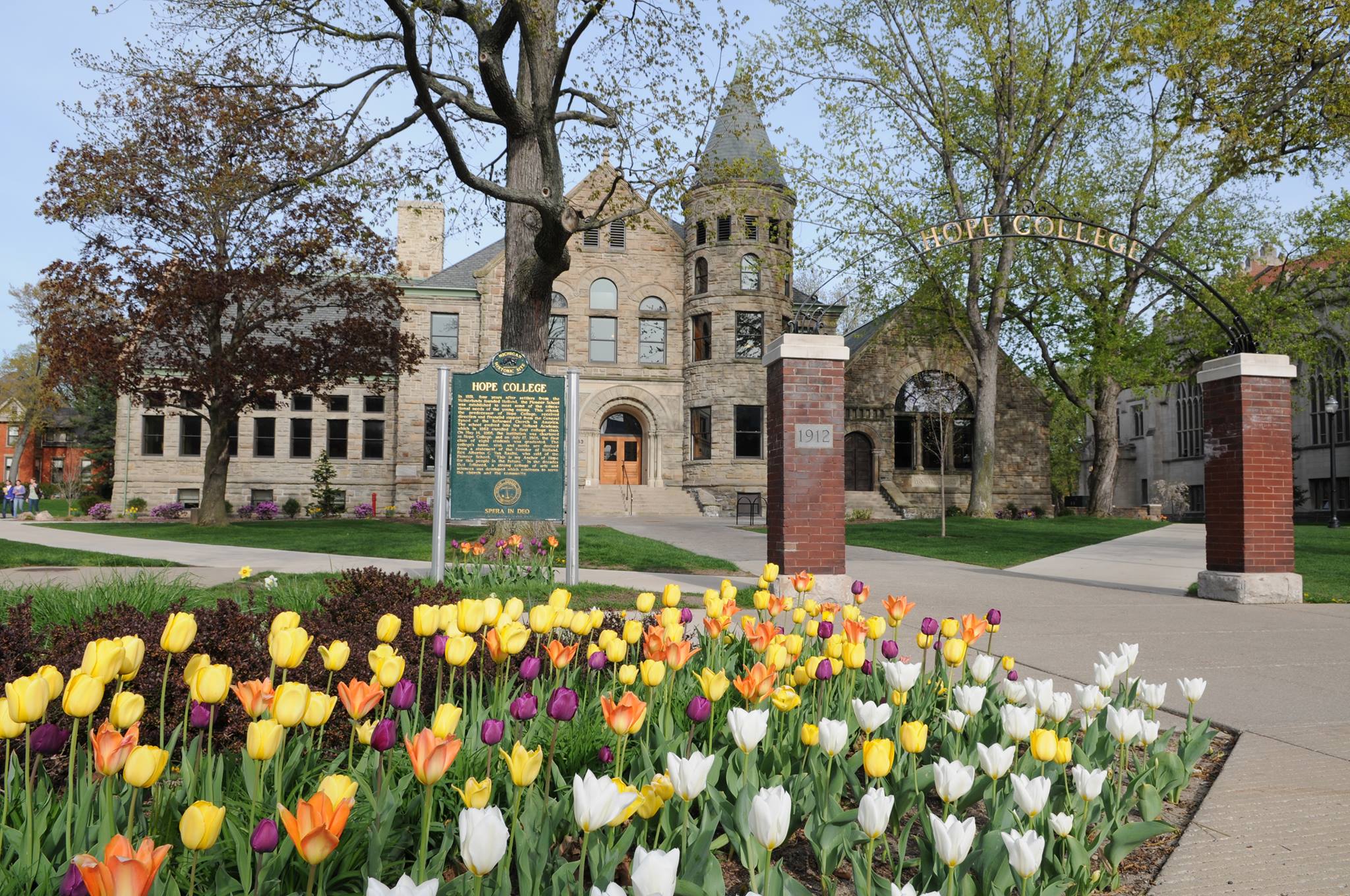
Hope College | Holland, Michigan

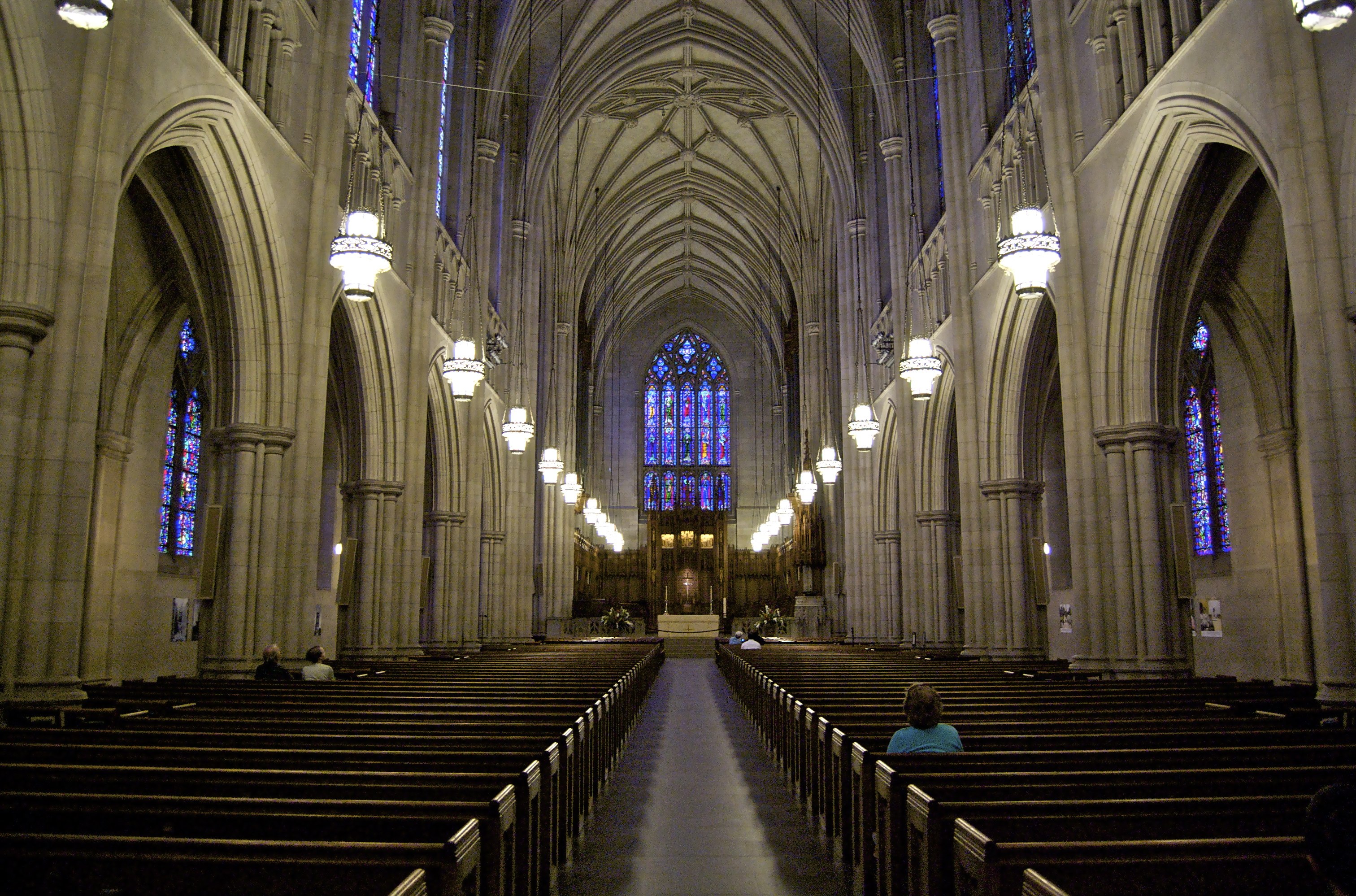
Duke University | Durham, North Carolina

Christ’s Chapel | Hillsdale College, Michigan

Basilica of the Sacred Heart | University of Notre Dame | South Bend, Indiana

Three Faith Chapels | Brandeis University

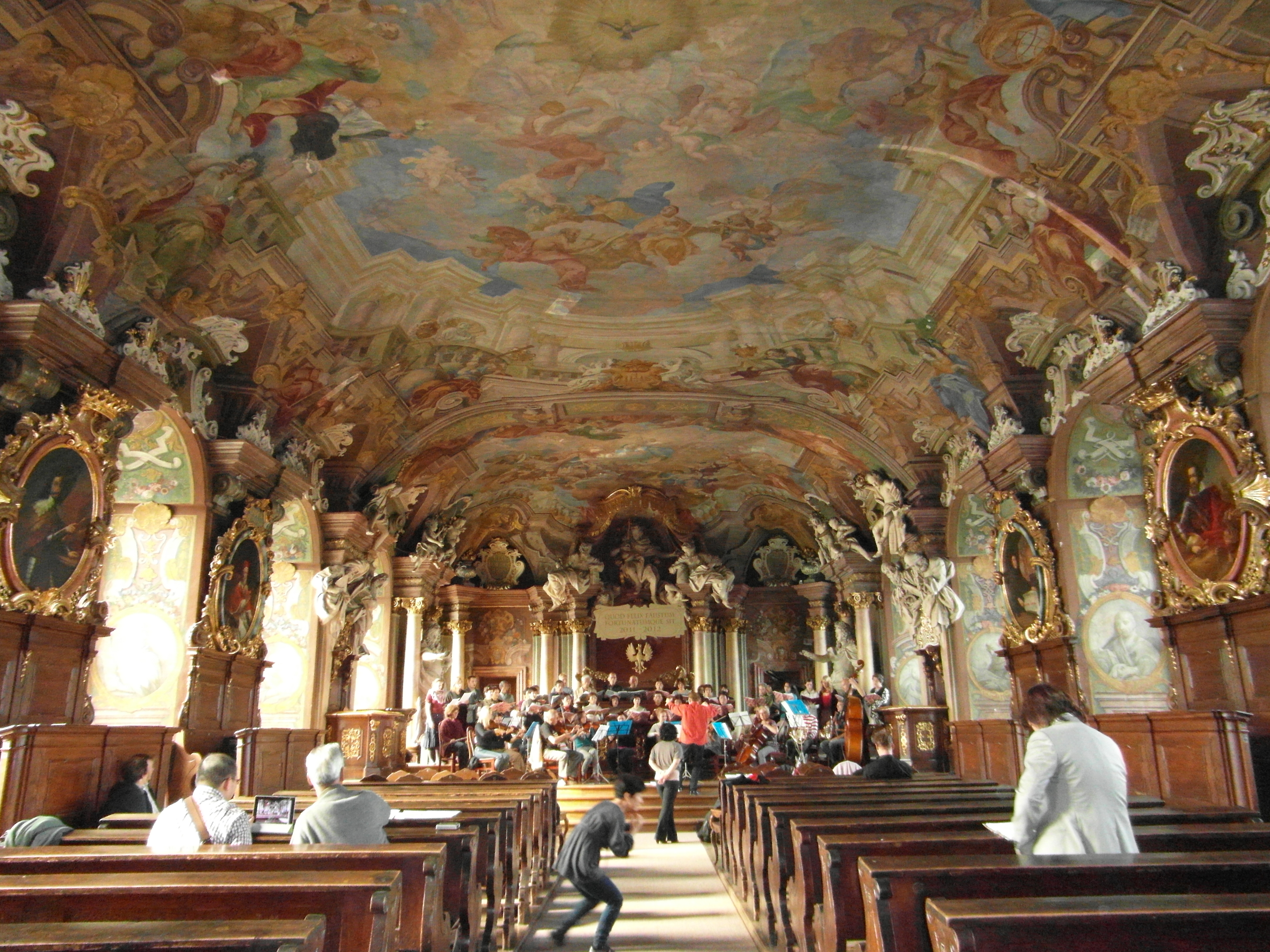
University of Wroclaw | Jesuit College | Wrocław, Poland

Alma College Chapel | Alma, Michigan

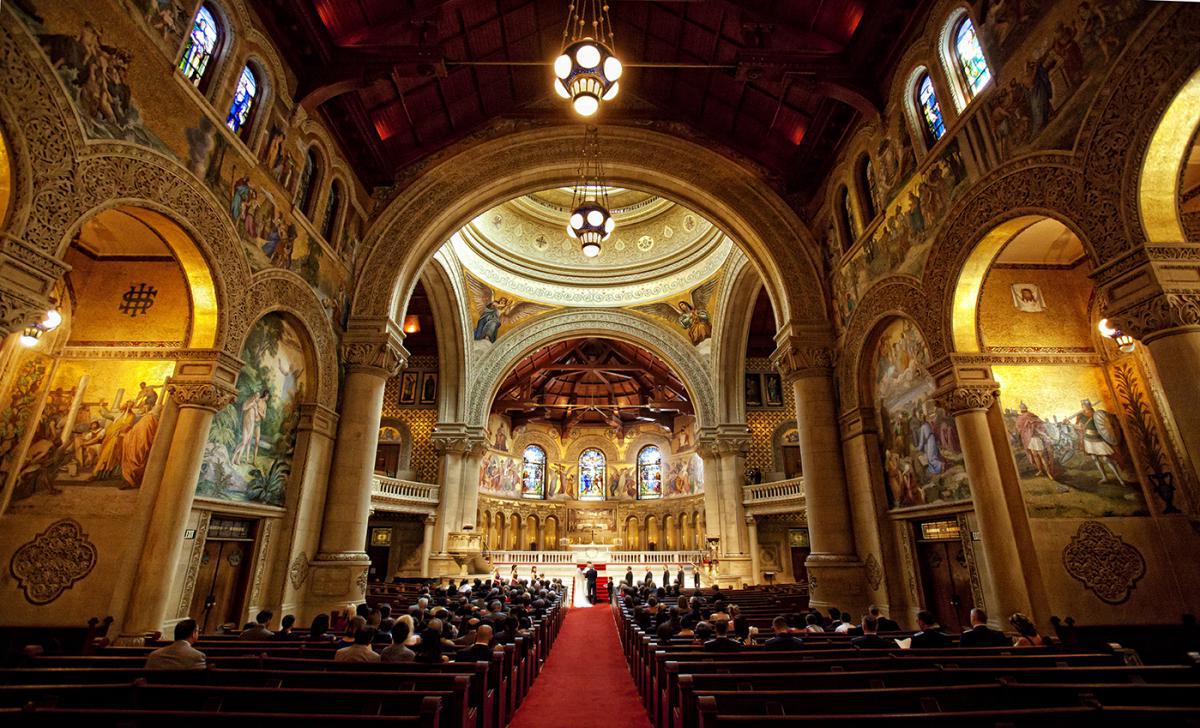
Stanford Memorial Church | Palo Alto, California

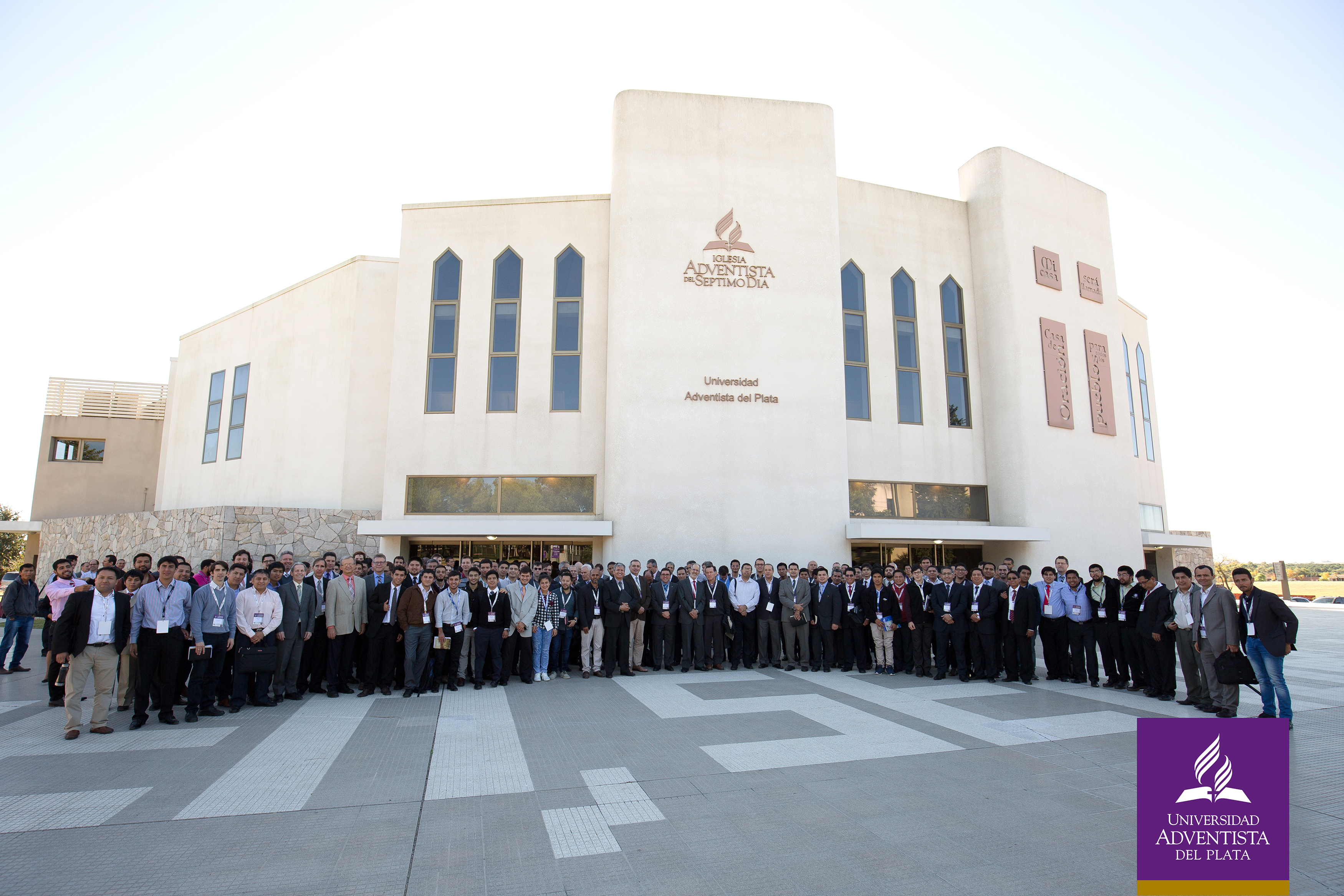
Universidad Adventista Templo | Buenos Aires, Argentina

St. Thomas of Villanova University Chapel | Villanova, Pennsylvania

St. Paul’s Chapel | Columbia University | New York City

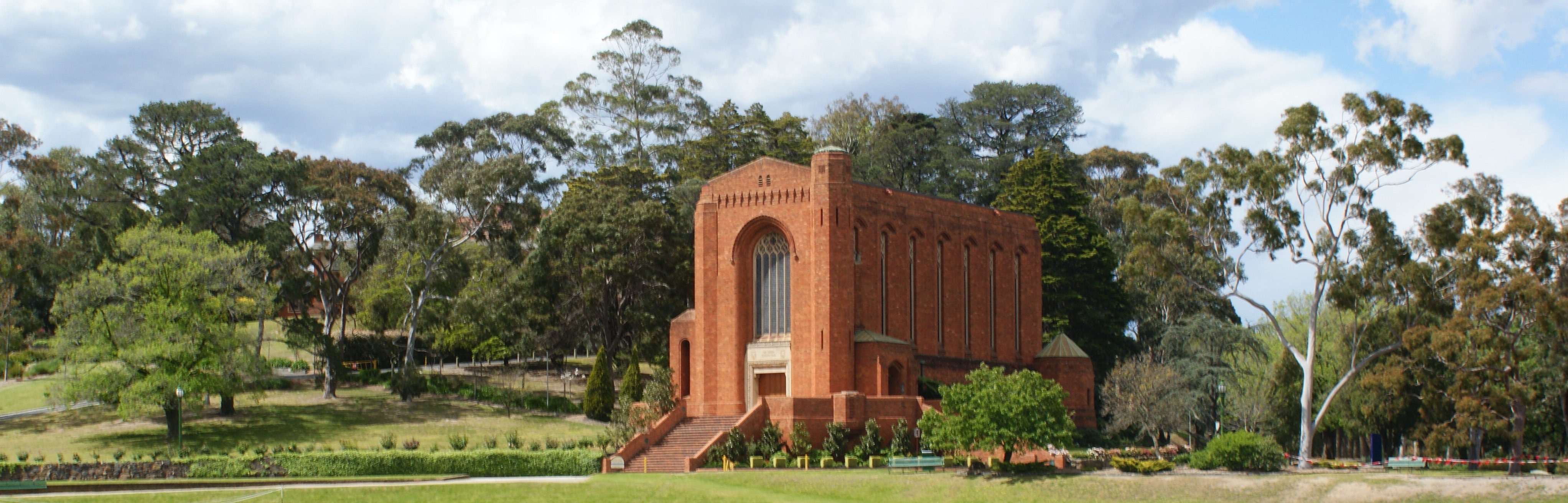
Scotch College Chapel | Melbourne, Australia

Princeton University Chapel

United States Air Force Cadet Chapel | Colorado Springs

Chapelle Sainte-Ursule de la Sorbonne | Paris

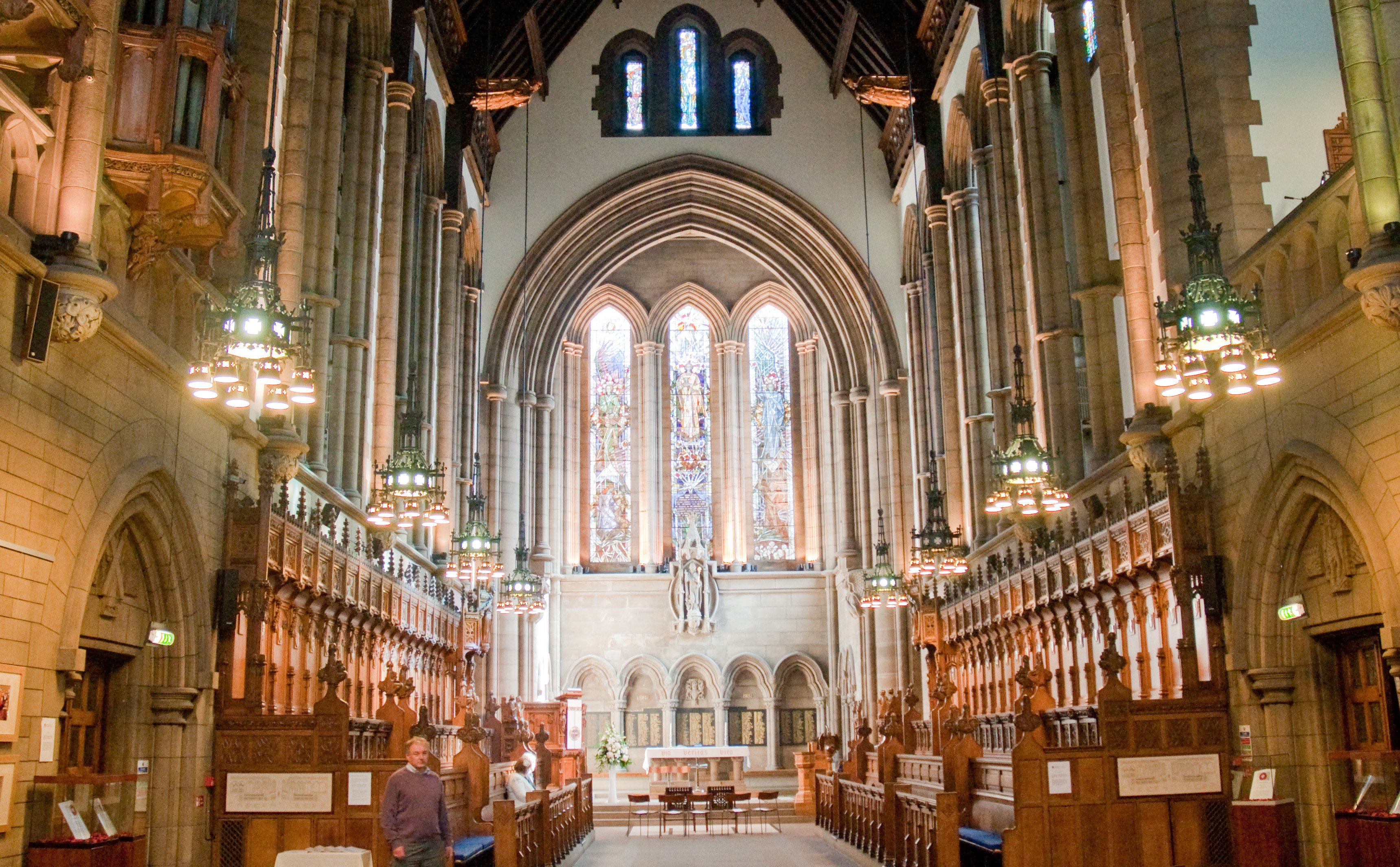
Memorial Chapel | Glasgow University | Glasgow, Scotland

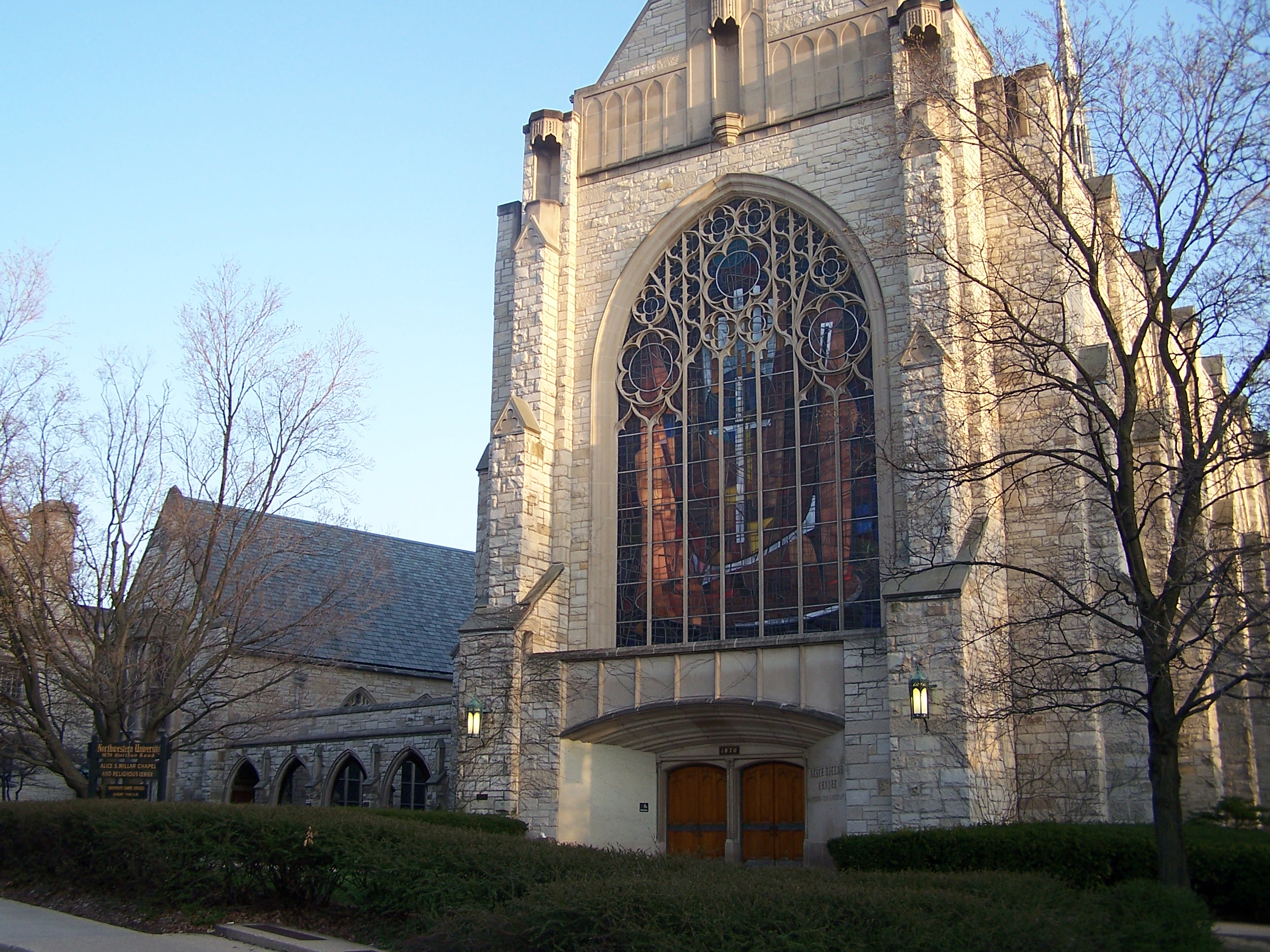
Alice Millar Chapel | Northwestern University

Bowdoin College Chapel | Brunswick, Maine

Loyola University Chapel | Madonna della Strada Chicago

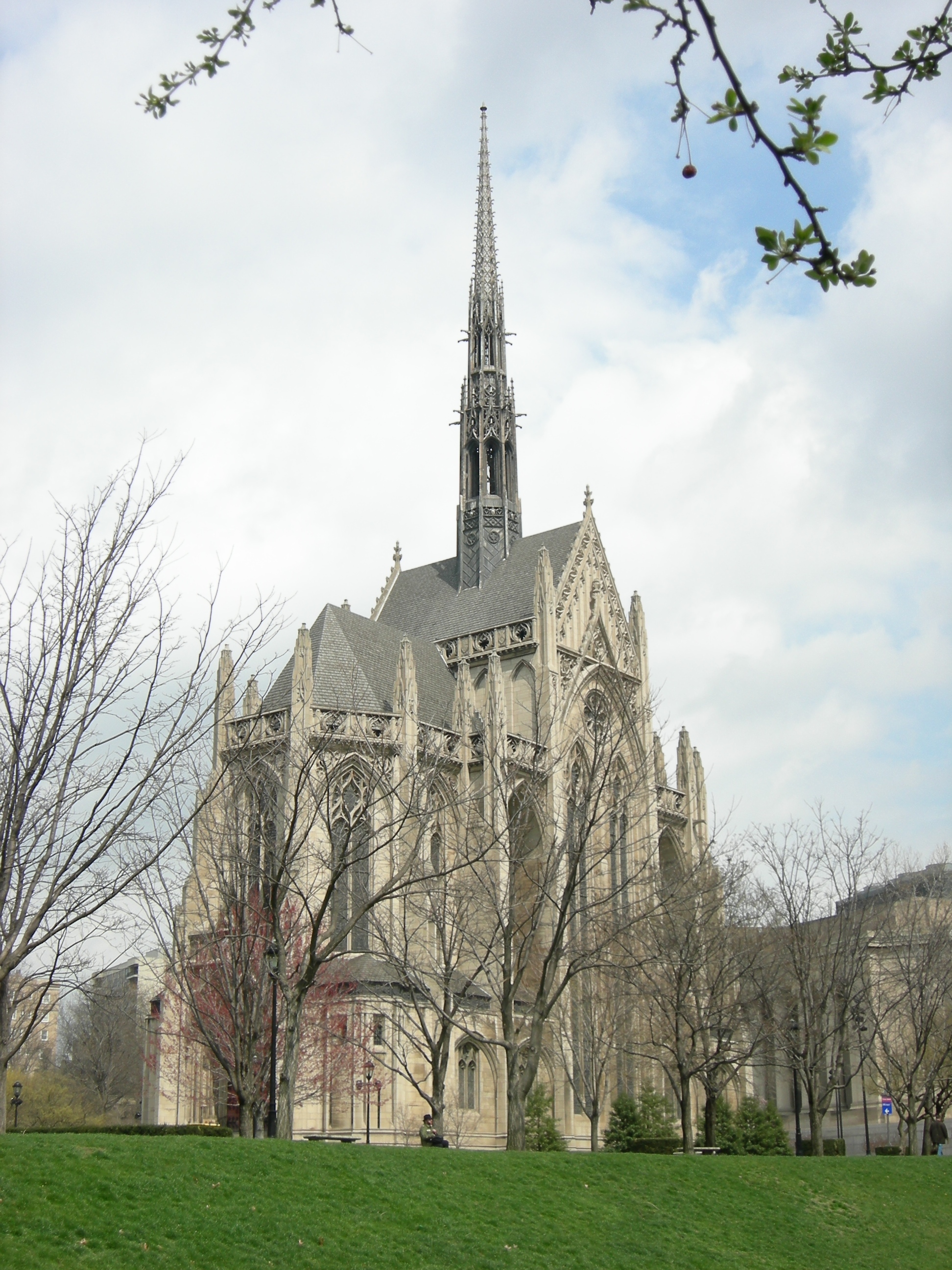
Heinz Memorial Chapel | University of Pittsburgh

Madonna University Chapel | Livonia, Michigan

Vassar College Chapel | Poughkeepsie, New York

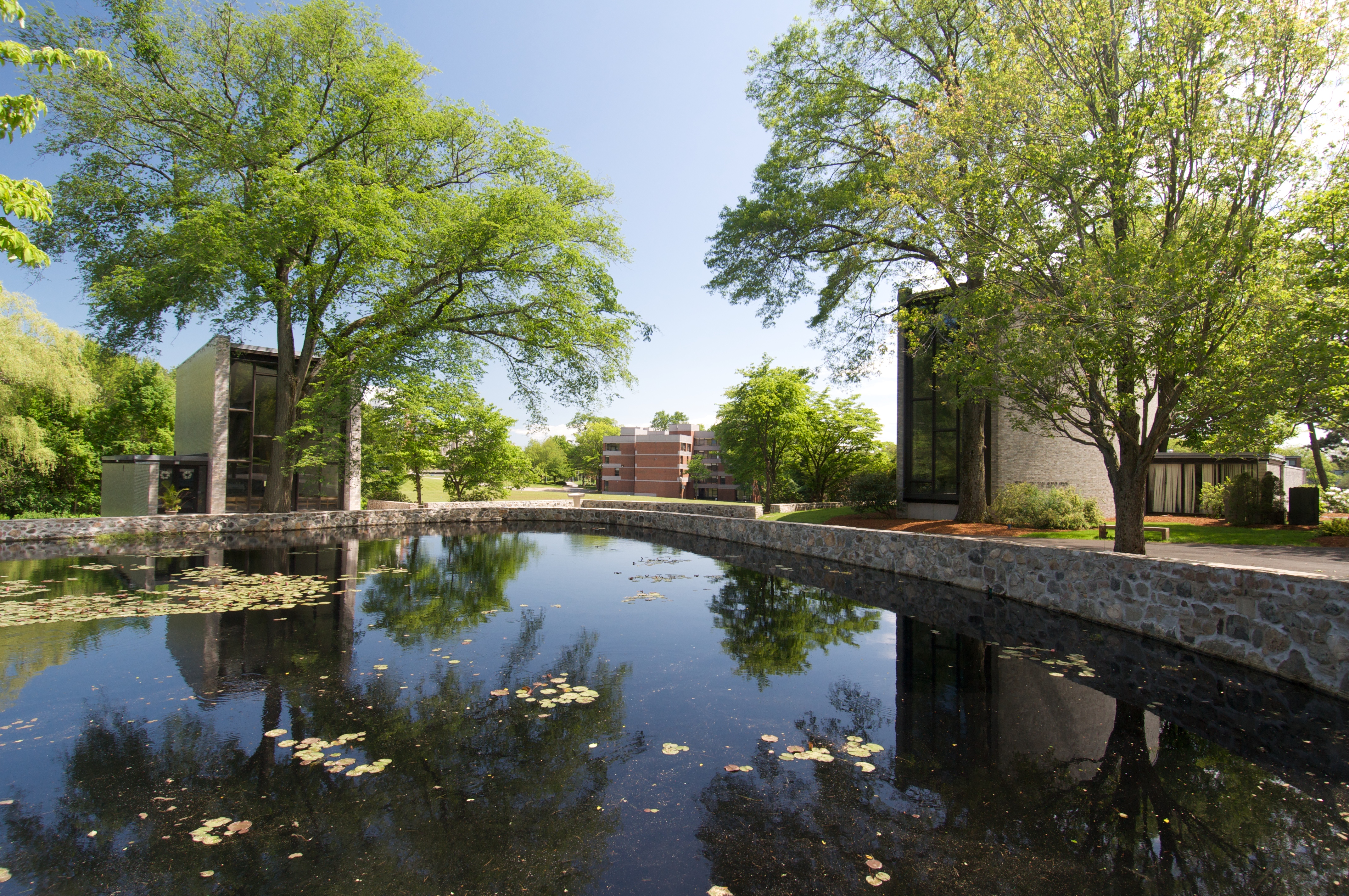
Massachusetts Institute of Technology Student Chapel | Cambridge, Massachusetts

St. Ignatius Church | University of San Francisco

Church of the Resurrection | Valparaiso University | Valparaiso, Indiana

Baughman Center | University of Florida

Exeter College Chapel | Oxford University


More coming.

*404 ERRORS and Page Not Found messages are common as webmasters move content.


More

CLICK HERE for bibliography


Colloquy (January)

Illustration from 1913 showing Pythagoras teaching a class of women. Pythagoras believed that women should be taught philosophy as well as men and many prominent members of his school were women.Our practice is fairly structured as our Syllabus reveals.  Once a month we like to break form and throw our agenda “open”.  Unstructured.  Completely determined by the interest of our clients, colleagues and followers.  Use the login credentials at the upper right of our home page.

Abiit sed non oblitus | Houghton County Michigan

“Reflections on the motive power of fire: | Sadi Carnot

Standards January: Language


* Lyndon B. Johnson played a significant role in the passage of the Education Acts of 1965, which consisted of two key pieces of legislation: the Elementary and Secondary Education Act (ESEA) and the Higher Education Act (HEA).

As President of the United States, Johnson made education reform a priority of his administration and saw it as a means of addressing poverty and inequality in America. He signed the ESEA into law in April 1965, which was designed to provide funding to schools serving low-income students and aimed to close the achievement gap between disadvantaged students and their more affluent peers. The ESEA also provided funds for teacher training and other educational programs.

In November of the same year, Johnson signed the HEA into law, which provided funding for college and university education and sought to make higher education more accessible to all Americans.

Together, these Education Acts of 1965 were a significant achievement for Johnson’s administration and played a crucial role in expanding educational opportunities for millions of Americans. They marked a major shift in federal education policy and helped to establish the federal government’s role in shaping education policy in the United States.

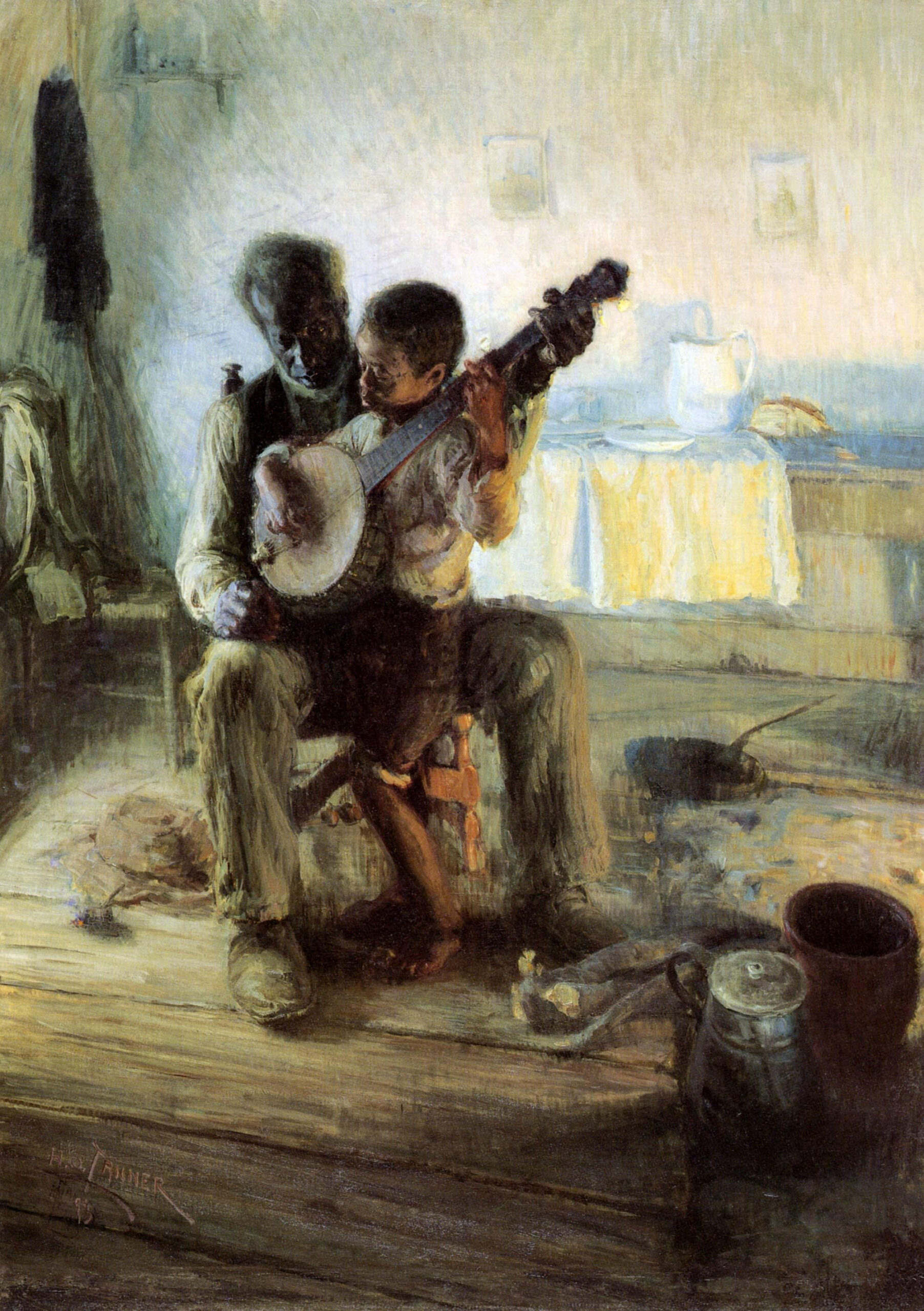
“The Banjo Lesson” 1893 | Henry Ossawa Tanner


National Institutes of Health (Library of Medicine)

Moral grandstanding in public discourse: Status-seeking motives as a potential explanatory mechanism in predicting conflict


Dr. Jill Jacobs-Biden: Student Retention at the Community College: Meeting Student’s Needs

Michelle Obama: Princeton-Educated Blacks and the Black Community

Dr. Claudine Gay: Taking charge: Black electoral success and the redefinition of American politics

Ibram X. Kendi (Henry Rogers):  The Black Campus Movement: An Afrocentric Narrative History of the Struggle to Diversify Higher Education, 1965-1972

Martin Luther King, Jr.: A Comparison of the Conceptions of God in the Thinking of Paul Tillich and Henry Nelson Wieman

Hilary Clinton: There is Only the Fight…

John Kennedy: Appeasement at Munich

Janet Yellen: Employment, Output and Capital Accumulation in an Open Economy: A Disequilibrium Approach.

John Nash: Non-Cooperative Games

Reflections / John Nash

The Year Ahead 2026

“Chance favors the prepared mind.”
— Louis Pasteur

Today at 16:00 UTC

The Year Ahead 2026


Agenda

Technical:

Respond to client queries and retainers

Prepare new proposals for the NFPA 2029 National Electrical Code

Prepare comments on the IEEE 2028 National Electrical Safety Code

Recap of activity in the ISO and IEC catalogs.  We are members of Healthcare Management.  We coordinate our responses to IEC CDV’s with IEEE Education & Healthcare Facilities Committee.

2025 “Wins” and “Losses”

“Wins”: All of the references to IEEE research and recommended practices that appear in electrical related titles in the NFPA catalog are the result of Standards Michigan advocacy in collaboration with the IEEE

“Losses”: Persist in getting Article 210 (Soon to be in Chapter 1) 180 VA per outlet requirement down to 150 VA instead of 120 VA in the ASHRAE suite from an energy conservation perspective.  This will be the most meaningful and transformative code “win” since our 2014 code “win” in 2014 NEC Section 220.12.

Expansion of user-interest advocacy for the 2028 IEEE National Electrical Safety Code.

Follow up driving electrical safety concepts into the ASHRAE and ICC catalog that cannot, or will not, be incorporated into the NFPA catalog

Continue driving IEEE best practice literature into the NFPA, ASHRAE and IEEE catalog

Electric service reliability data gathering for point of common coupling of merchant utilities and schools, colleges, universities with emphasis on large health care systems.  (Bob Arno’s IEEE 493 Gold Book update)

Break out coverage of ASHRAE 90.1 in its entirety in a dedicated content management system now that its scope includes outside/between buildings.

Break out coverage of Chapter 27 (Electrical) of the International Building Code as a “pivot” or “anchor” post for other relevant titles in the ICC catalog.

10-year retrospective on the IEEE Education & Healthcare Facilities Committee at the May Technical Conference in Montreal

Administrative:

Expansion of our unaccredited for-profit educational mission to Michigan school districts, colleges, universities, trade schools.  In the normal course of business we present educational opportunities to faculty and students administered by ANSI, ASME, AWS, ACI, ICC, IEC, IEEE, IEEE, NIST, SAE and others.  List of Faculty & Student Standards Education Resources

New signage at our State Street office

Rollout the platform to at least two more states — we have only one now.

Re-organize web pages to track IEEE, NFPA, ASHRAE, ICC, CSA Group and TIA catalog action more effectively.  ASTM and UL catalogs remain “problematic” because their titles are so deeply embedded in products and less so in systems.

List of ANSI Accredited Standards Developers

List of US TAGS to the ISO

USNA IEC

Other:

Our thanks for the collegiality and wisdom of Larry Spielvogel as he enters retirement

Continued mentorship of electrical engineering students in the IEEE Southeastern Michigan Section.  Introduction to mentorship partner Nathan from private industry.

Social Page Rollout: Engagements, Weddings & Births

A few of the University’s Electrical Engineers

The Year Ahead: 2024

The Year Ahead: 2024

Smart Cities: Wicked Problems

“Oxford from the River with Christ Church in the Foreground” | William Turner (1820)


Smart cities: moving beyond urban cybernetics to tackle wicked problems

Cambridge Journal of Regions, Economy and Society, Volume 8, Issue 1, March 2015 | “The Smart City”


Abstract. This article makes three related arguments. First, that although many definitions of the smart city have been proposed, corporate promoters say a smart city uses information technology to pursue efficient systems through real-time monitoring and control. Second, this definition is not new and equivalent to the idea of urban cybernetics debated in the 1970s. Third, drawing on a discussion of Rio de Janeiro’s Operations Center, I argue that viewing urban problems as wicked problems allows for more fundamental solutions than urban cybernetics, but requires local innovation and stakeholder participation. Therefore the last section describes institutions for municipal innovation and IT-enabled collaborative planning.

“All Applicable Standards”

From time to time we drill into representative design guidelines and specifications for facility classes that are present on educational campuses; including projects involving the spaces between buildings — i.e. water, pathway, power and telecommunication infrastructure.

We place particular emphasis on the “General Conditions” of these guidelines and specifications because up to 20 percent of a construction project may involve the cost of general conditions; depending upon how many disciplines are involved.

We find excesses in the General Conditions that tend to inflate contingency requirements but also shortcomings that design professionals, construction project managers and building service engineers* should know about.   Facility development units will likely want to tweak design and construction documents to harmonize with the latest changes in the codes and standards that govern the safety and sustainability agenda of the education facility industry.

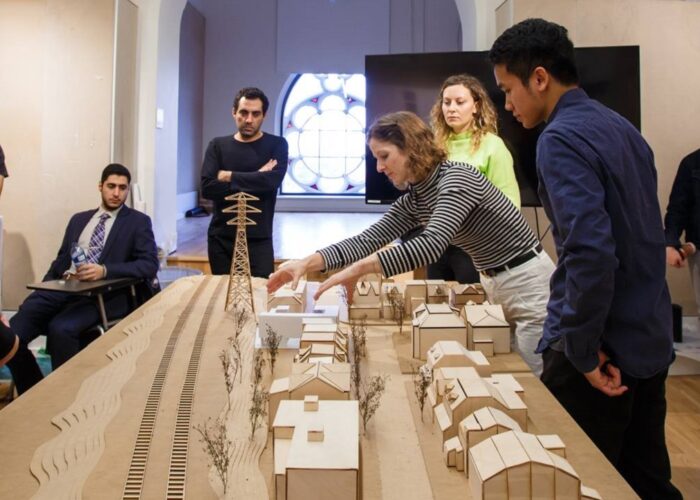
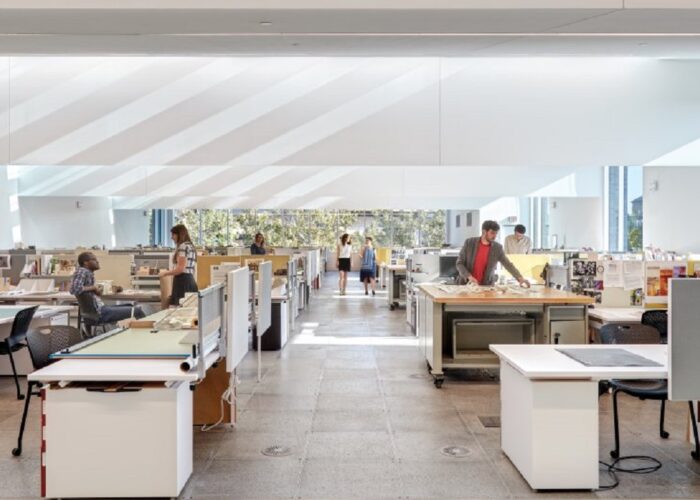
Tulane University School of Architecture


Building services engineers are responsible for the design, installation, operation and monitoring of the technical services in buildings (including mechanical, electrical and public health systems, also known as MEP or HVAC), in order to ensure the safe, comfortable and environmentally friendly operation.

Building services engineers work closely with other construction professionals such as architects, structural engineers and quantity surveyors.

Building services engineers influence the architectural design of building, in particular facades, in relation to energy efficiency and indoor environment, and can integrate local energy production (e.g. façade-integrated photovoltaics) or community-scale energy facilities (e.g. district heating). Building services engineers therefore play an important role in the design and operation of energy-efficient buildings (including green buildings, passive houses and zero energy buildings.  uses. With buildings accounting for about a third of all carbon emissions] and over a half of the global electricity demand, building services engineers play an important role in the move to a low-carbon society; a prevailing sentiment among many educational settlements.


Update: 29 November 2024

Canadian Parliament Debate on Standards Incorporated by Reference

“The Jack Pine” | Tom Thomson (1916) | National Gallery of Canada


Originally posted January 2014

In these clips — selected from Canadian Parliamentary debate in 2013 — we observe three points of view about Incorporation by reference (IBR); a legislative drafting technique that is the act of including a second document within a main document by referencing the second document.

This technique makes an entire second (or referenced) document a part of the main document.  The consensus documents in which we advocate #TotalCostofOwnership concepts are incorporated by reference into legislation dealing with safety and sustainability at all levels of government.  This practice — which many consider a public-private partnership — is a more effective way of driving best practices for technology, and the management of technology, into regulated industries.

Parent legislation — such as the Higher Education Act of 1965, the Clean Air Act and the Energy Policy Act – almost always require intermediary bureaucracies to administer the specifics required to accomplish the broad goals of the legislation.  With the gathering pace of governments everywhere expanding their influence over larger parts of the technologies at the foundation of national economies; business and technology standards are needed to secure that influence.  These standards require competency in the application of political, technical and financial concepts; competencies that can only be afforded by incumbent interests who build the cost of their advocacy into the price of the product or service they sell to our industry.  Arguably, the expansion of government is a reflection of the success of incumbents in business and technical standards; particularly in the compliance and conformity industries.

About two years ago, the US debate on incorporation by reference has been taken to a new level with the recent statement released by the American Bar Association (ABA):

16-164-Incorporation-by-Reference-ABA-Resolution-and-Report

The American National Standards Institute responded to the ABA with a statement of its own.

16-164-ANSI-Response-to-ABA-IBR-06-16 (1)

The incorporation by reference policy dilemma has profound implications for how we safely and economically design, operate and maintain our “cities-within-cities” in a sustainable manner but, admittedly, the results are only visible in hindsight over a time horizon that often exceed the tenure of a typical college or university president.

A recent development — supporting the claims of ANSI and its accredited standards developers — is noteworthy:

The National Institute for Standards and Technology (NIST) manages a website — Standards.GOV — that is a single access point for consensus standards incorporated by reference into the Code of Federal Regulations: Standards Incorporated by Reference Database.   Note that this database does not include specific reference to safety and sustainability codes which are developed by standards setting organizations (such as NFPA, ICC, IEEE, ASHRAE and others) and usually incorporated by reference into individual state public safety and technology legislation.


LEARN MORE:


Layout mode
Predefined Skins
Custom Colors
Choose your skin color
Patterns Background
Images Background
Standards Michigan
error: Content is protected !!
Skip to content