Category Archives: Monthly Design Guidelines

Loading
loading...

“All Applicable Standards”

From time to time we drill into representative design guidelines and specifications for facility classes that are present on educational campuses; including projects involving the spaces between buildings — i.e. water, pathway, power and telecommunication infrastructure.

We place particular emphasis on the “General Conditions” of these guidelines and specifications because up to 20 percent of a construction project may involve the cost of general conditions; depending upon how many disciplines are involved.

We find excesses in the General Conditions that tend to inflate contingency requirements but also shortcomings that design professionals, construction project managers and building service engineers* should know about.   Facility development units will likely want to tweak design and construction documents to harmonize with the latest changes in the codes and standards that govern the safety and sustainability agenda of the education facility industry.
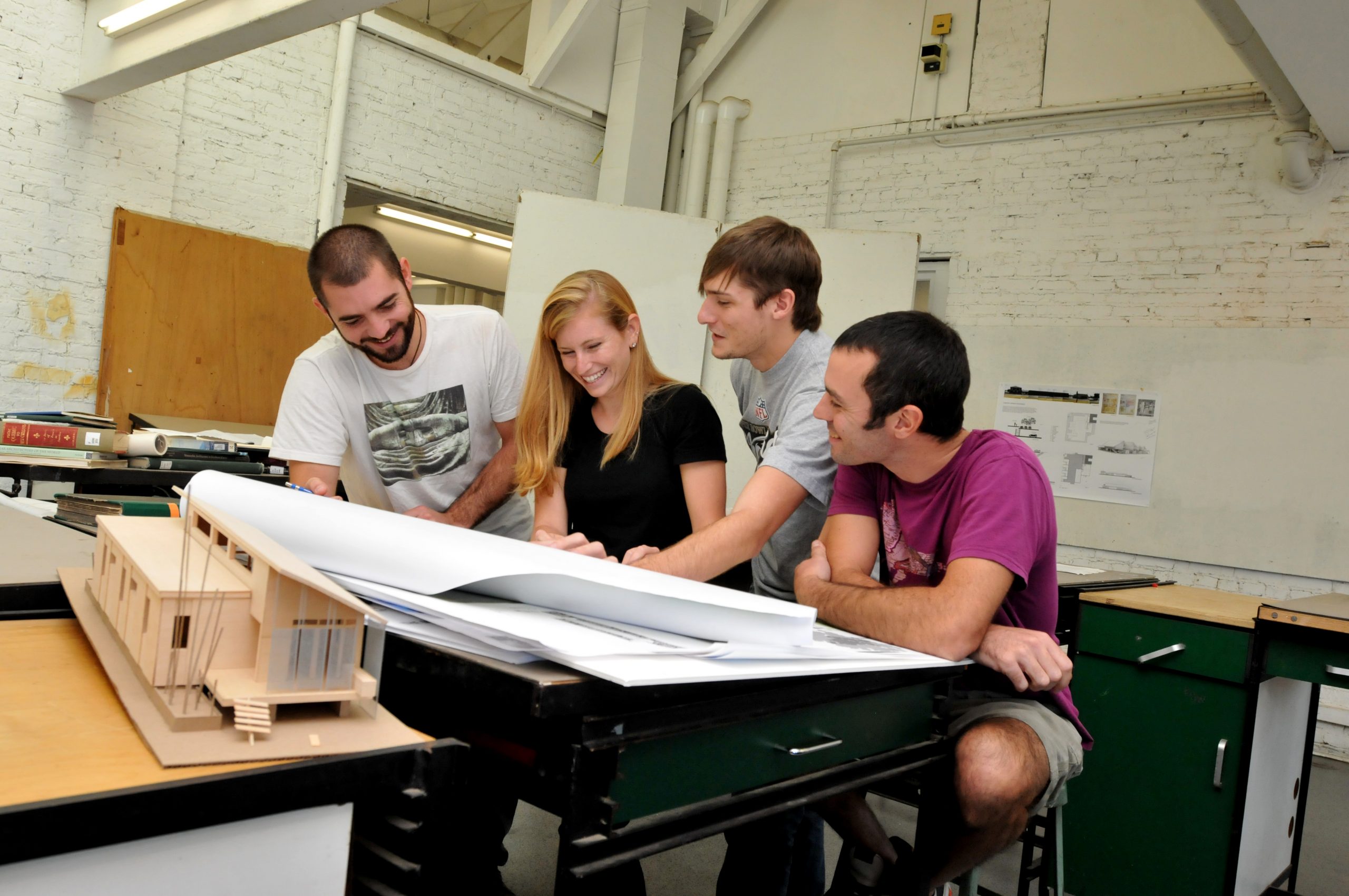
Tulane University School of Architecture


Building services engineers are responsible for the design, installation, operation and monitoring of the technical services in buildings (including mechanical, electrical and public health systems, also known as MEP or HVAC), in order to ensure the safe, comfortable and environmentally friendly operation.

Building services engineers work closely with other construction professionals such as architects, structural engineers and quantity surveyors.

Building services engineers influence the architectural design of building, in particular facades, in relation to energy efficiency and indoor environment, and can integrate local energy production (e.g. façade-integrated photovoltaics) or community-scale energy facilities (e.g. district heating). Building services engineers therefore play an important role in the design and operation of energy-efficient buildings (including green buildings, passive houses and zero energy buildings.  uses. With buildings accounting for about a third of all carbon emissions] and over a half of the global electricity demand, building services engineers play an important role in the move to a low-carbon society; a prevailing sentiment among many educational settlements.


Update: 29 November 2024

CFR Title 41: PART 102-76—DESIGN AND CONSTRUCTION

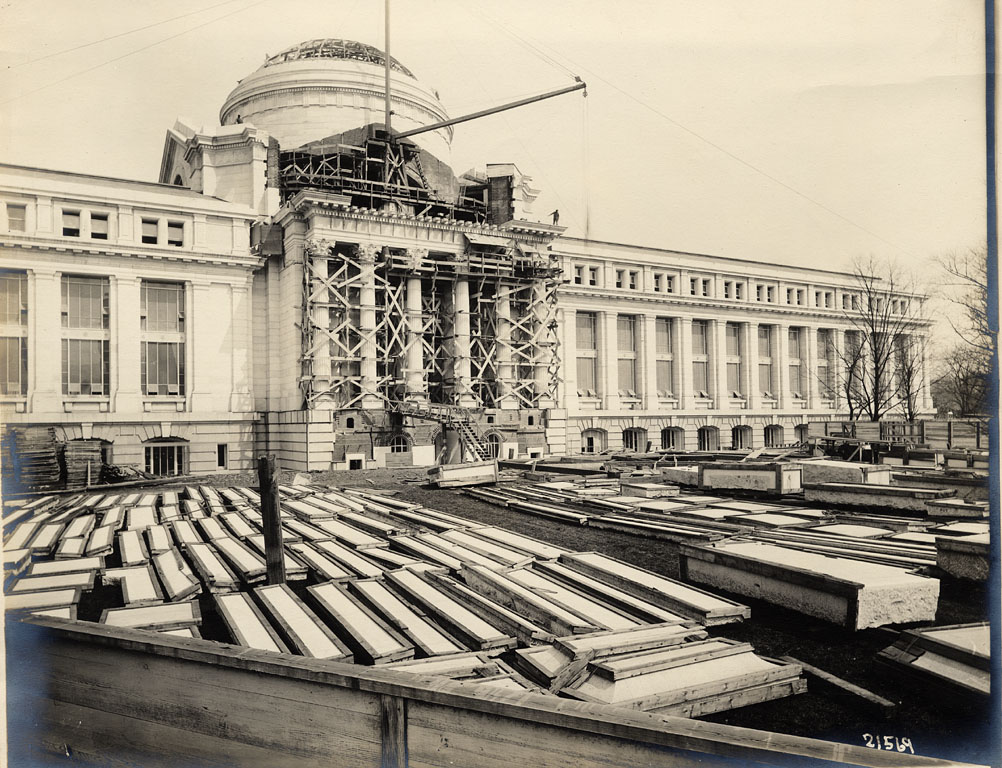
The Birth of a Building: Constructing the United States National Museum

The construction industry is one of the largest employers in any community and, as such, a significant generator of employment.  The so-called “multiplier effect” cited by economists means that when you add one person working in the construction industry you create two additional jobs in other sectors.

The construction industry is also one of the most heavily regulated; heavy regulation being a characteristic of many solid, but slow-growth economic sectors.

As public assets, education facilities are much like federal facilities — both expected to have a long life-cycles — reflected in the guidance in the in the link below.   In privately developed best practice literature authored by ANSI-accredited standards developers you will find federal regulations heavily referenced; but not the other way around.

Code of Federal Regulations Title 41: PART 102-76—DESIGN AND CONSTRUCTION

We track action in federal design and construction regulations because federal regulatory bodies are relatively well staffed.  Some within those groups may say otherwise but that is another discussion.  Federal regulators know know what other federal agencies are doing — such as the Occupational Safety & Health Administration and the Department of Energy  — and they seem to keep pace with private, non-profit standards developers.  Also: many colleges and universities enjoy the “halo effect” of having a National Laboratory or a Presidential Library * present within or near the footprint of their campus.  With the  halo comes the obligation to maintain separate staffing of finance and facility management professionals.

By statue (National Technology Transfer & Advancement Act) federal agencies defer to private standards setting organizations.   The limit of our attention in this section of the Code of Federal Regulations ends here.

We maintain federal construction standards on the standing agenda of our Model Building Code and Federal teleconferences.   See our CALENDAR for the next online meeting; open to everyone.


*  The University of Michigan, Harvard University, the University of Arkansas, and three other Texas universities — University of Texas at Austin,  Texas A&M and Southern Methodist University — are locations of presidential libraries governed by the provisions of this section of the Code of Federal Regulations


5.18

Standardization of Construction Documents

This content is accessible to paid subscribers. To view it please enter your password below or send mike@standardsmichigan.com a request for subscription details.

Layout mode
Predefined Skins
Custom Colors
Choose your skin color
Patterns Background
Images Background
Standards Michigan
error: Content is protected !!
Skip to content