Category Archives: Monthly Arts & Entertainment

Loading
loading...

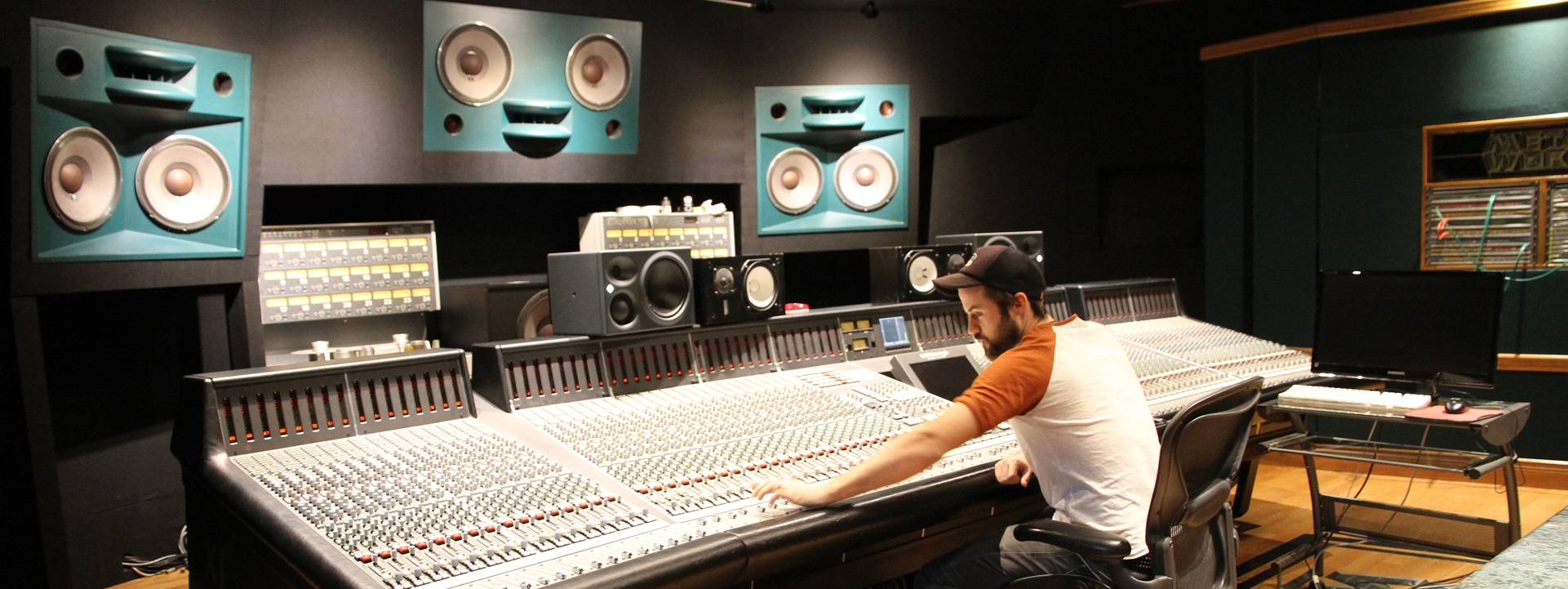
Audio Standards

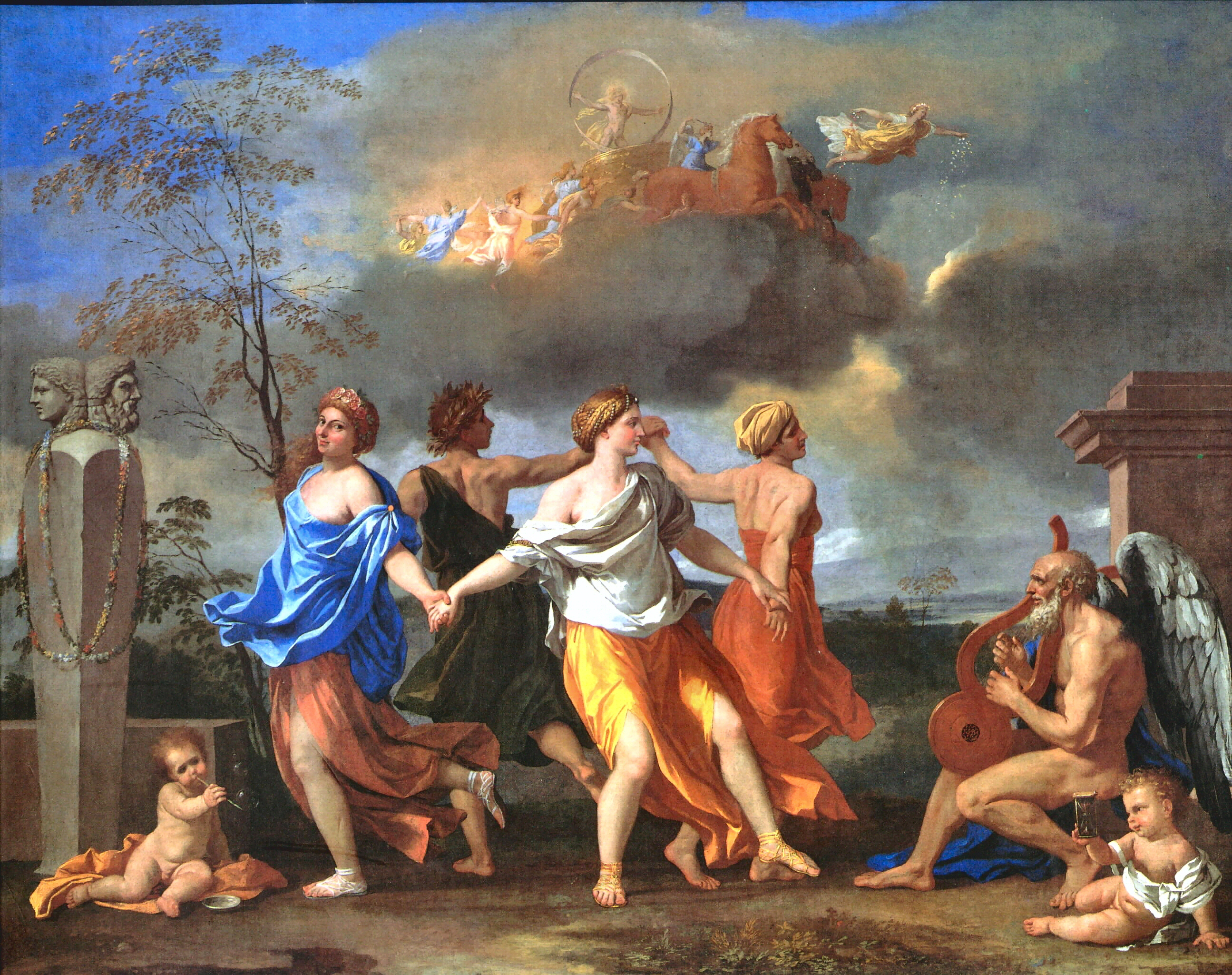
“A Dance to the Music of Time” 1640 Nicolas Poussin


“The voice of the intellect is a soft one,

but it does not rest until it has gained a hearing.”

— Sigmund Freud


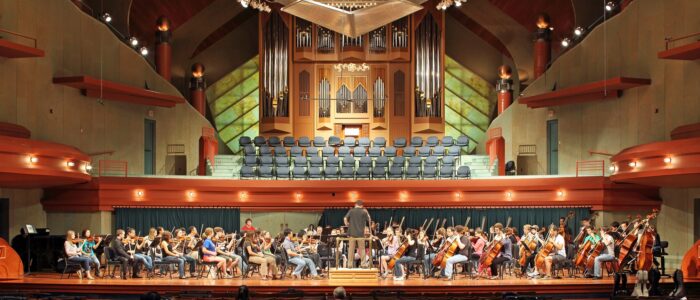
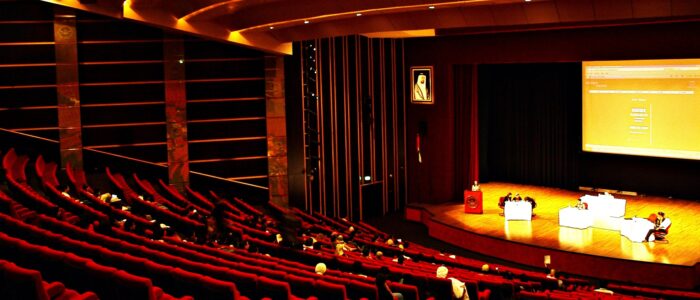
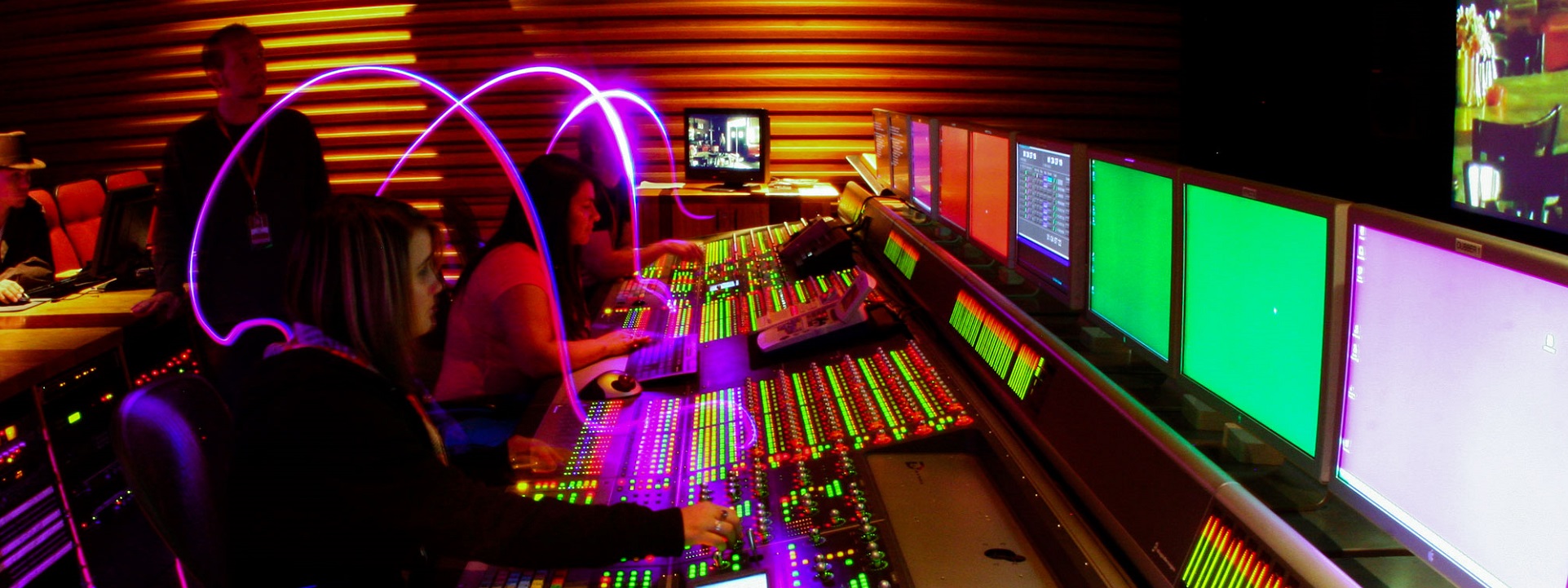
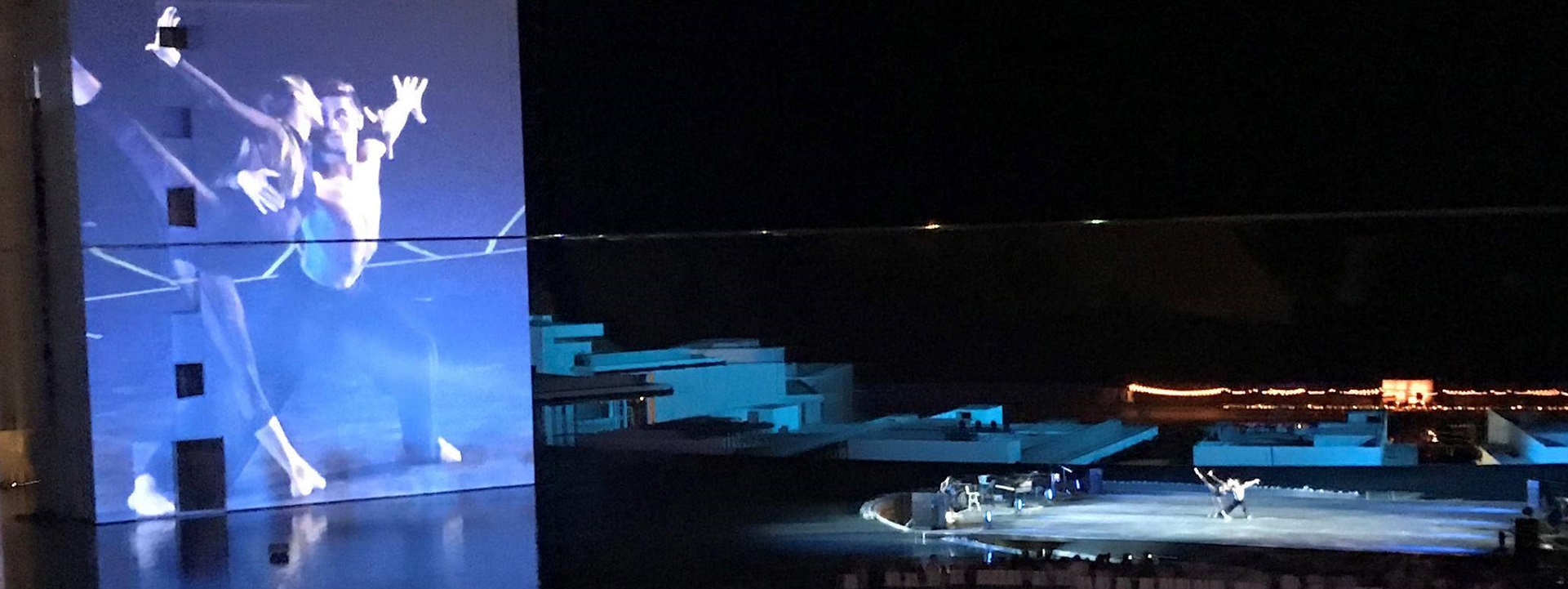
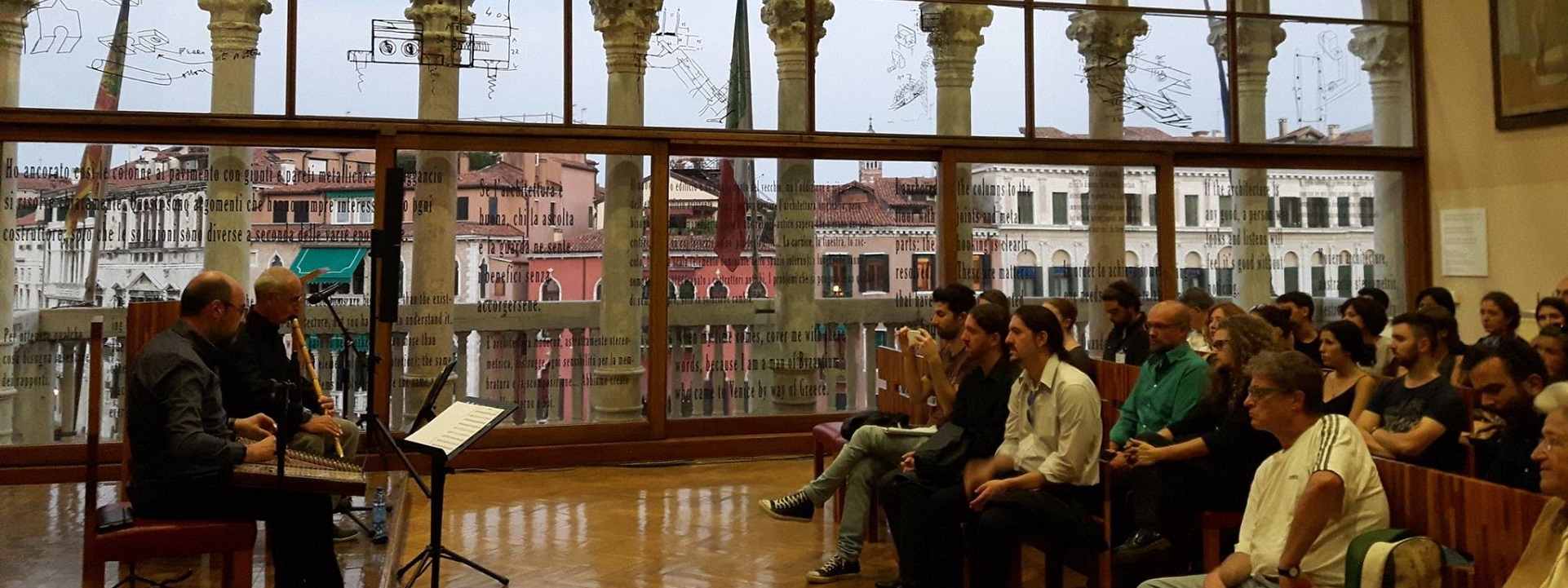
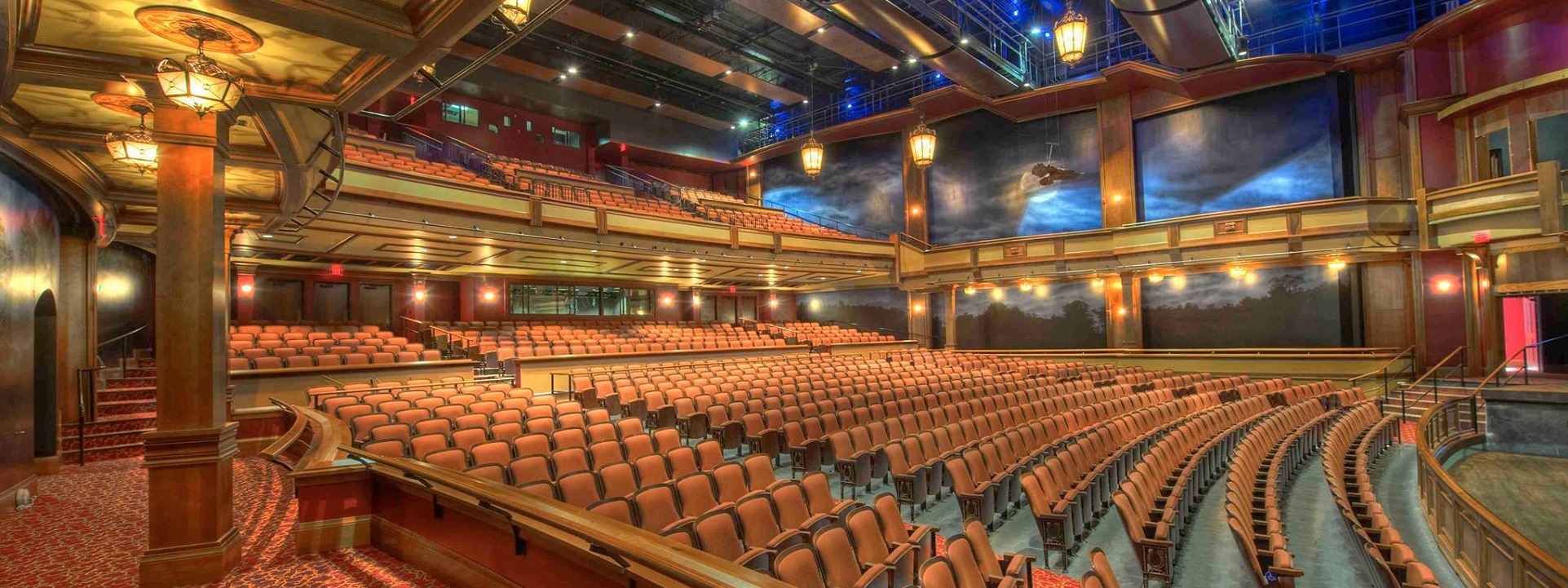
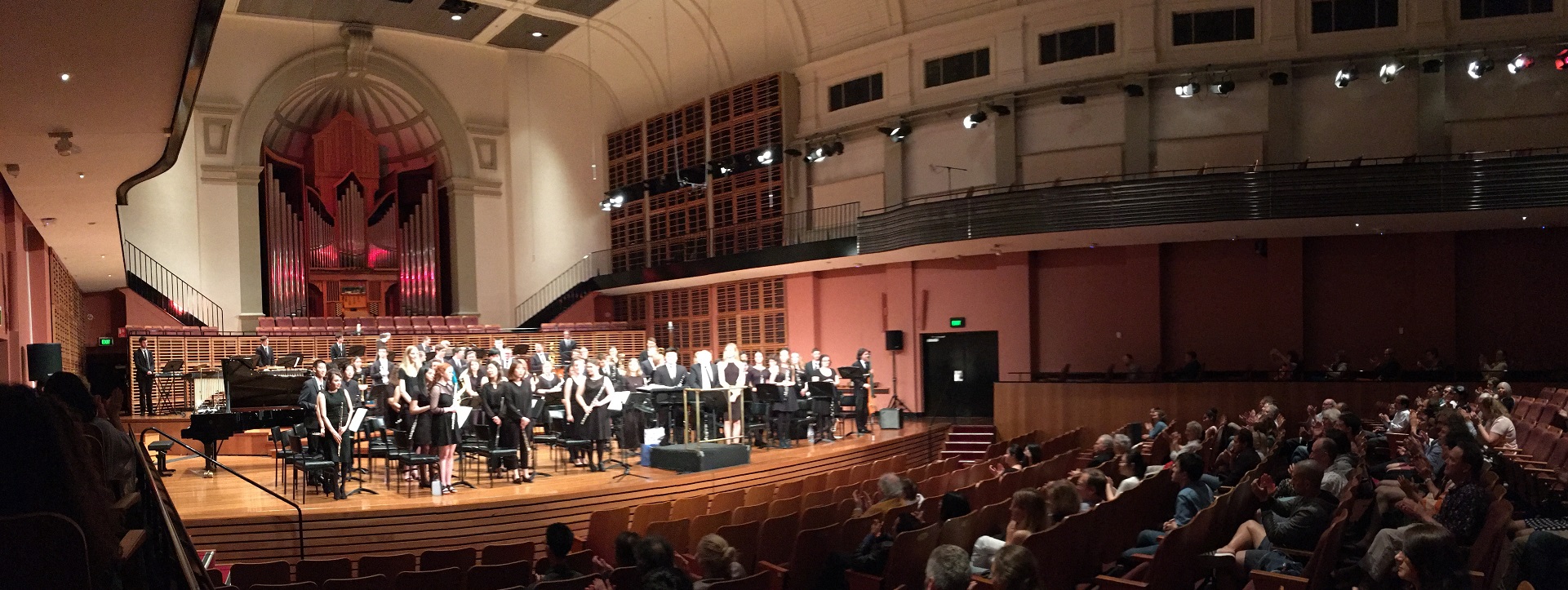
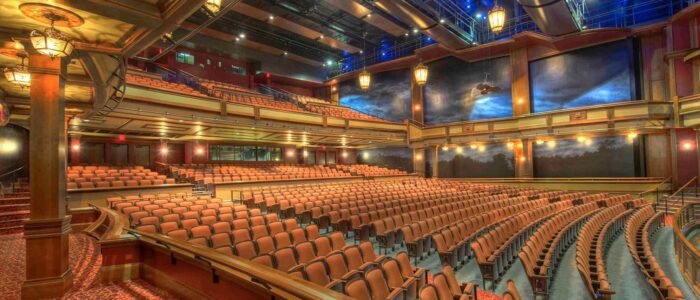
The education industry provides a large market for occupancy classes — athletic stadiums, student assembly spaces, performance theaters, large lecture halls– that depend upon effective audio systems*.   To an unexpected degree the structural engineering, specification of materials and electrical system design and operation is informed by acoustical considerations.  So does the integration of fire safety and mass notification systems into normal state enterprises so it is wise to follow and, ideally, participate in leading practice discovery and promulgation of audio standards.
The Audio Engineering Society — one of the first names in this space — has a due process platform that welcomes public participation.   All of its standards open for public comment completed their revision cycle mid-November as can be seen on its standards development landing page below:

AES Standards Development

Note that AES permits access to those revision even after the comment deadline.  You are encouraged to communicate directly with the Direct communication with the standards staff at Audio Engineering Society International Headquarters, 551 Fifth Avenue, Suite 1225, New York NY 10176,  Tel: +1 212 661 8528

We keep the AES suite on the standing agenda of our periodic Lively Arts teleconference.  See our CALENDAR for the next online meeting.

This facility class is one of most complex occupancy classes in education facilities industry so we also collaborate with experts active in the IEEE Education & Healthcare Facilities Committee. Much of the AES suite references, and borrows from, International Electrotechnical Commission system integration and interoperability standards.   The IEEE E&H committee meets online again four times monthly in European and American time zones.  The meeting dates are available on the IEEE E&H website

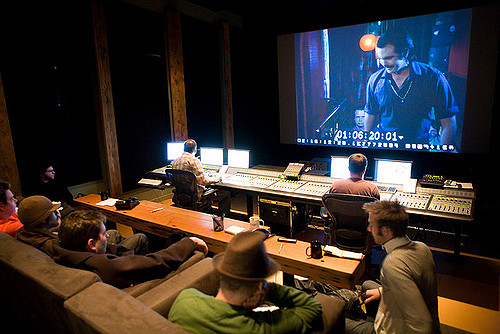
Media production audio visual

Issue: [19-23]

Category: Electrical, Academic,  Athletics, Fire Safety, Public Safety, #WiseCampus

Contact: Mike Anthony, Jim Harvey

*Mass notification systems are governed by NFPA 72 and, while life safety wiring is separate from other wiring, the management of these systems involve coordination between workgroups with different business objectives and training.


LEARN MORE:

Archive / Audio Engineering Society


Audio/video, information & communication technology

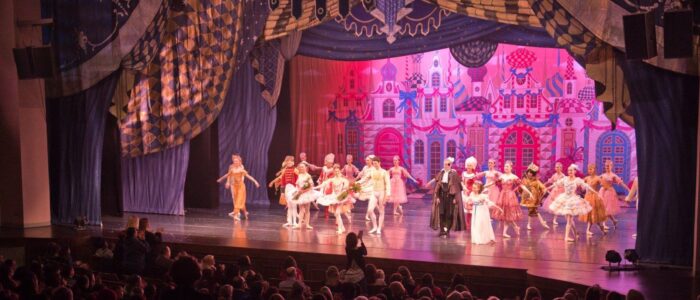
Performance in the Bolshoi Theatre Theateraufführung im Moskauer Bolschoi-Theater (Chromolithographie)

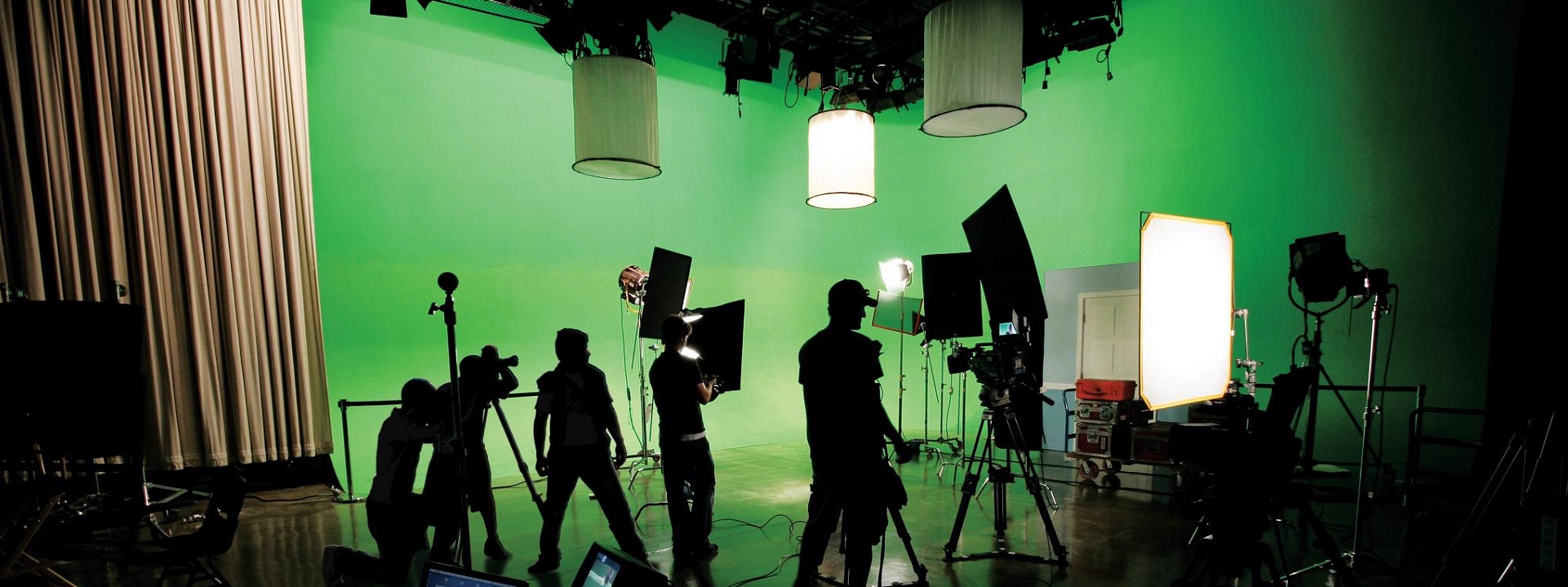
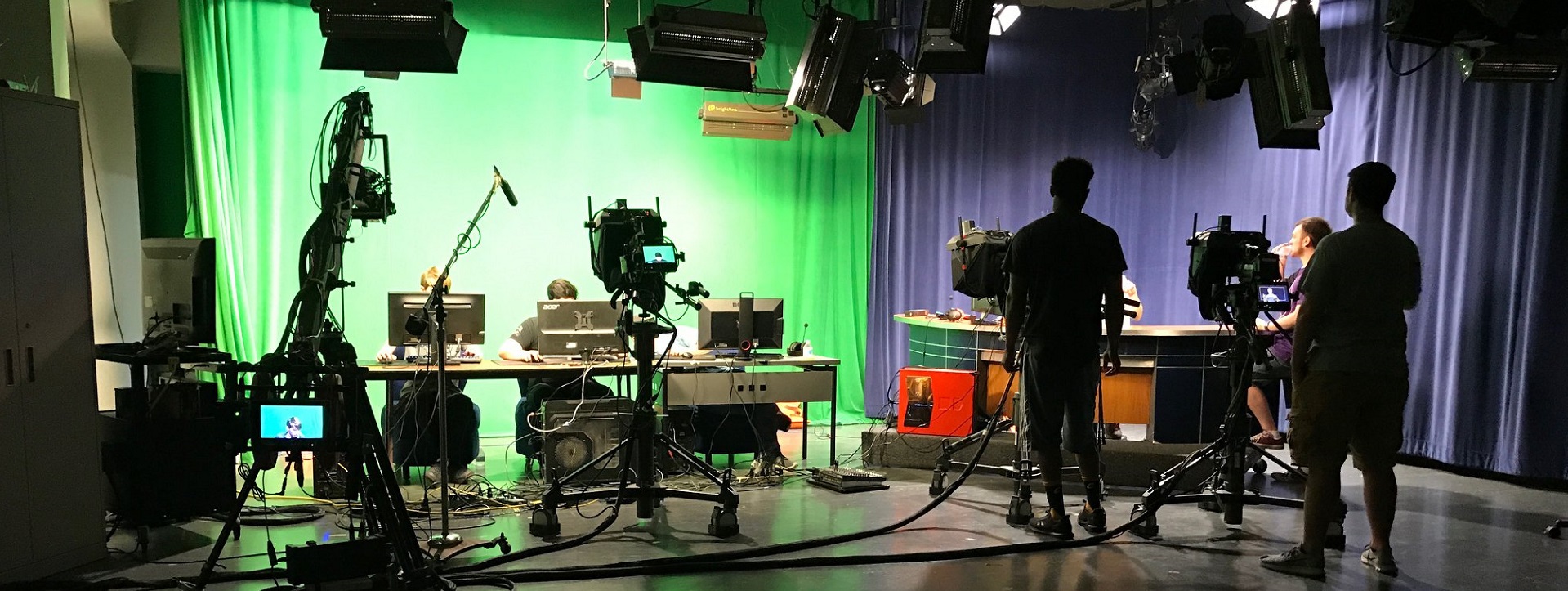
Even before the pandemic, massive open online curriculum, continued growth of consumer demand for “content” and the expansion of college and universities cultural and entertainment activity, drove our interest in the technologies that make it possible to produce and deliver “content” from facilities that are safe and sustainable.

As covered in our other Lively colloquia there are about 20 accredited standards developers that claim some part of this domain, or expanding their charter to meet the demand for best practice titles.  To repeat: “Standards are the seed corn for compliance revenue.  They fertilize the land for litigation.”   These generally well-meaning organizations only invest in the administration of best practice discovery and promulgation if they see demand for conformance revenue in their future.

Education communities in every nation are also conformance organizations.

Cultural content discovery, creation and delivery depends heavily on electrotechnology.

The parent committee of the highest level of electrotechnology standardization in this domain world is International Electrotechnical Commission Technical Committee TC 108: Safety of electronic equipment within the field of audio/video, information technology and communication technology.   Safety first.  A committee with a similar sounding title, but a different scope is IEC TC 100 Audio, video and multimedia systems and equipment — the subject of a separate post*.

To paraphrase the IEC TC 108 Committee Scope Statement:

Horizontal safety function: Methods of measuring touch current and protective conductor current.  This includes, for various types of equipment, methods of measurement of touch current with regard to physiological effects and of protective conductor current for installation purposes. The methods of measurement consider both normal conditions and certain fault conditions.  Safety of equipment electrically connected to a telecommunication network

Group safety function:Audio, video and similar electronic apparatus – Safety requirements Audio/video, information and communication technology equipment and safety of remote power feeding.

Vancouver Film School

According to its Strategic Business Plan, the need for standardization in this technology shows up in unexpected places such as 3-dimensional printing and wearable smart devices; both of which are of interest to faculty, students and the staff that supports the physical infrastructure.

STRATEGIC BUSINESS PLAN

The home page for the IEC public commenting facility is linked below:

https://www.iec.ch/comment/

We generally refer action in global electrotechnology standards to any one of several IEEE Societies and collaborate with the IEEE Education & Healthcare Facilities Committee (IEEE E&H).  We also track and participate in the standards action of several trade associations that service some part of this space; all of whom are sensitive to the international electrotechnology standards action.  Colleges and universities with federally funded facilities may need to be attentive to Trade Agreement Act matters when acquiring equipment of this nature.

As of this posting there are no Committee Draft Vote (CDV) documents released by TC 108 seeking public comment but we include it in our periodic scan of best practice literature.  We generally refer to the tracking facility available with the IEEE E&H hosted on a University of Michigan server for educational purposes.  IEEE E&H meets 4 times monthly European and American time zones.

Università Cattolica del Sacro Cuore


We always encourage subject matter experts with front line experience planning, designing building, operating and maintaining these growing and complicated spaces.  We recommend US-based experts contact Tony Zertuche, Director, International Policy and General Secretary, USNC/IEC (tzertuche@ansi.org).

United States National Committee of the International Electrotechnical Commission (USNC/IEC)

We renew our understanding of electrotechnology standards for Lively Arts at least once a month.  See our CALENDAR.  The IEEE Education & Healthcare Facilities Committee meets online every other Tuesday in both Central European time American time zones.   Its meeting dates and login credentials are available on its home page.

Issue: [Various]

Category: Electrical, Infotech, Global, Lively Arts

Colleagues: Mike Anthony, Jim Harvey, Giuseppe Parise

Media production audio visual


* Related work runs through ISO Technical Committee 36 .

Cinematography

“Non c’è fine. Non c’è inizio.

C’è solo l’infinita passione della vita. “

–Federico Fellini

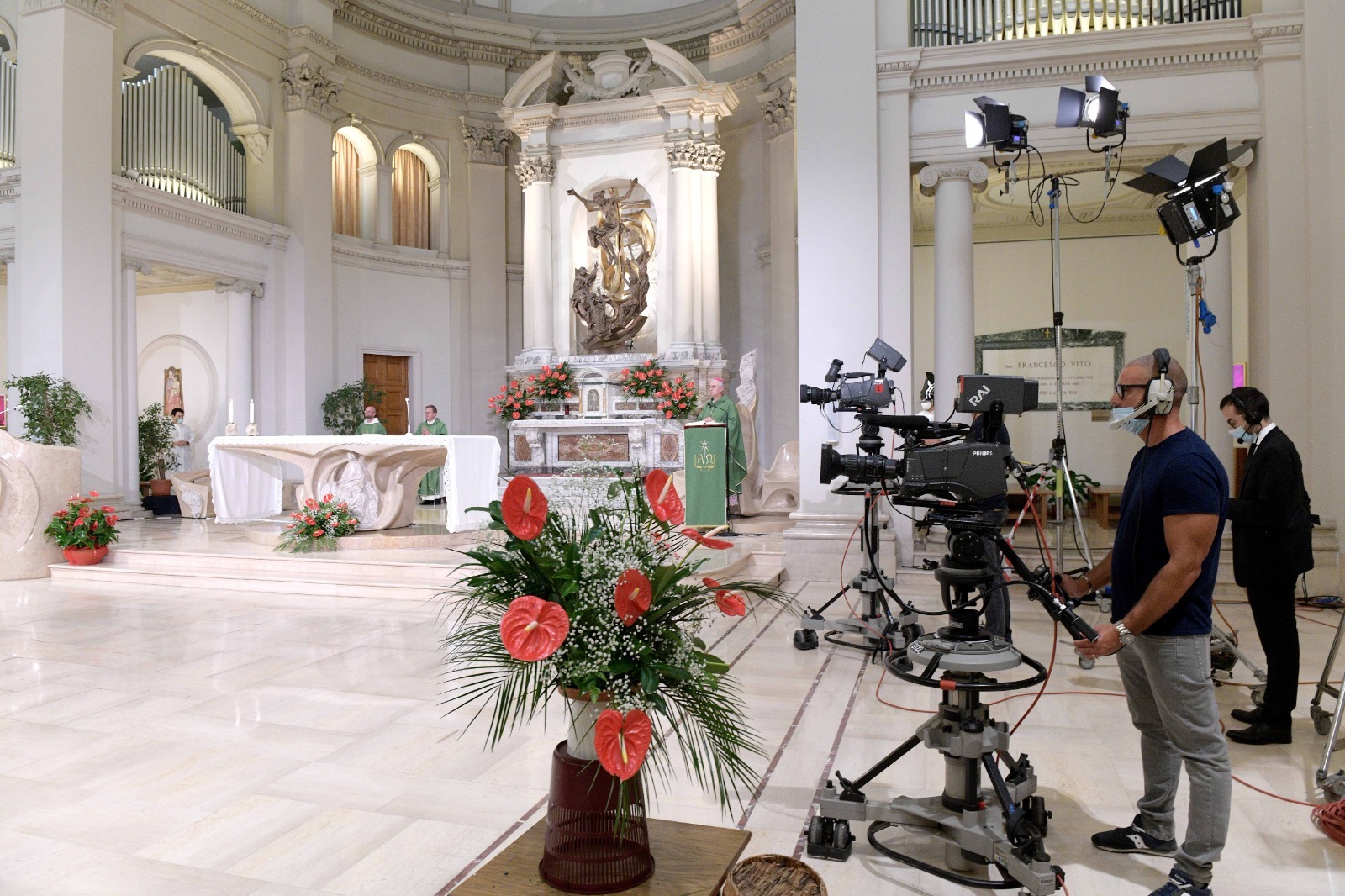
Education communities provide a locus for lively art production, enjoyment and instruction.   It is both a consumer and producer; with the expansion of massive open online curricula drawing from the visual arts of cinematography.

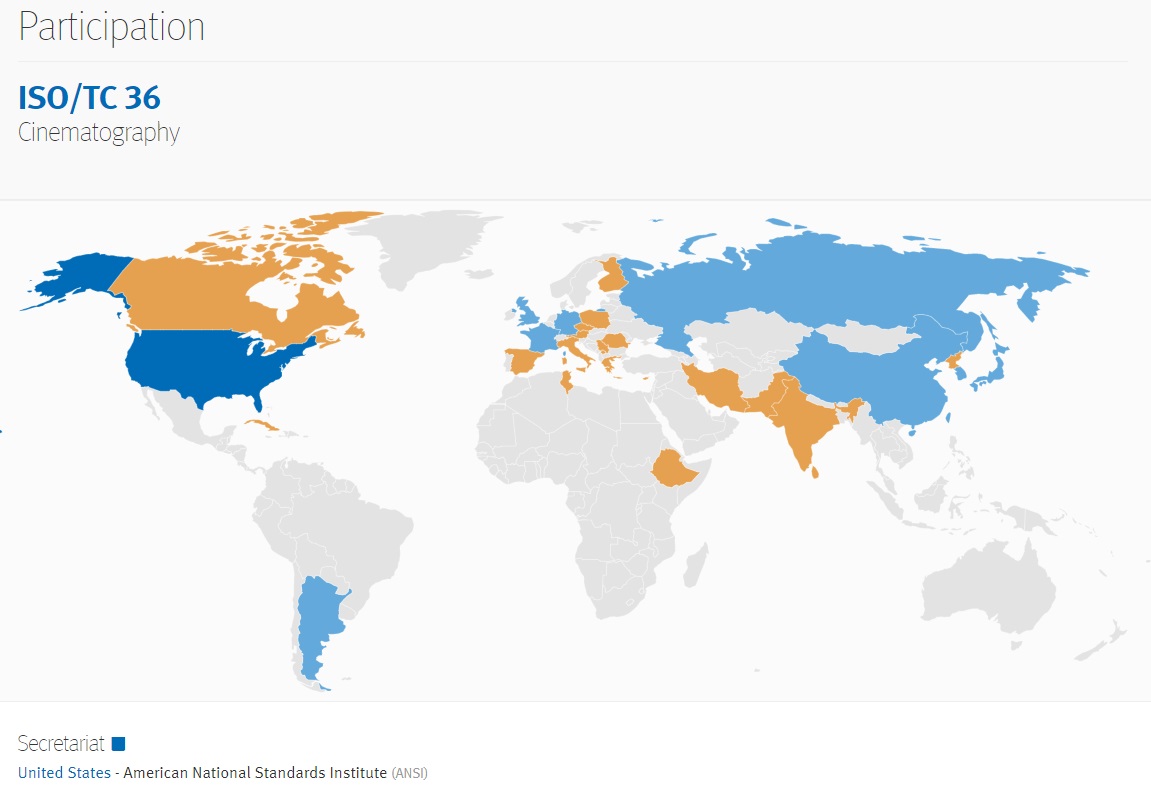
The International Organization for Standardization administers leading practice discovery and promulgation of the standards in these enterprises through Technical Committee 36.  From the ISO/TC 36 prospectus:

Standardization of definitions, dimensions, methods of measurement and test, and performance characteristics relating to materials and apparatus used in silent and sound motion picture photography; in sound recording and reproduction related thereto; in the installation and characteristics of projection and sound reproduction equipment; in laboratory work; and in standards relating to sound and picture films used in television.

Executive Summary

The American National Standards Institute is the ISO TC/36 Secretariat and the Society of Motion Picture and Television Engineers (SMPTE) is the US Technical Advisory Group Administrator (US TAG).    We find SCTE present in safety and sustainability standards settings forums in many facility types in the education industry.  It provides expertise to the Institute of Electrical and Electronic Engineers, the National Fire Protection Association, and the International Code Council, among others.

SMPTE Standards Home Page

As commenting opportunities that are relevant to the US education industry present themselves, we will identify them here.  As data from the US Bureau of Labor Statistics indicates, the demand for skill in this discipline is accelerating; with the education industry itself as a large consumer.  We encourage students, faculty and staff to communicate directly with Mr. Thomas Bause Mason at SCTE, 3 Barker Avenue, Fifth Floor, White Plains, ny 10601, Phone: (914) 761-1100, Email: tbausemason@smpte.org.  Educational institutions in other nations should contact their national representative to ISO TC/36

We sweep through all international standards that affect the education industry every nation.  The time and date of our next teleconference on international standards is shown on our CALENDAR.

Media production audio visual

Category: Academics, Arts & Entertainment Facilities, Electrical, Telecommunication

Contact: Mike Anthony, Sanne Clare Anthony, Jim Harvey, Richard Robben


Motion Picture Production

Education communities in every nation provide a locus for community cultural art production, enjoyment and instruction.   It is both a consumer and producer; with the expansion of massive open online curricula drawing from the best practices conveyed from the visual arts.

One of the first names in this domain is the Society of Motion Picture and Television Engineers that support the technical framework and global professional community that makes motion picture, television and professional media available for all humanity to enjoy for artistic, educational and social purposes.  The landing pages for its standards development enterprise are linked below:

SMPTE Standards  

There are no open consultations on any SMPTE practice titles but one of its quarterly standards updates will happen sometime during January 2020

We maintain SMPTE titles  on the standing agenda of our Lively Arts, Power, Fine Art and Infotech colloquia.   We also collaborate with the IEEE Education & Healthcare Facilities Committee which meets 4 times monthly in European and American time zones.  See our CALENDAR for the next online meetings; open to everyone.

Media production audio visual

Issue: [Various]

Category: Academics, Seven Lively Arts Facilities, Electrical, Telecommunication

Contact: Mike Anthony, Sanne Clare Anthony, Jim Harvey, Richard Robben


More

SMPTE Standards Annual Report 2019

Language Metadata Table

Cinematography

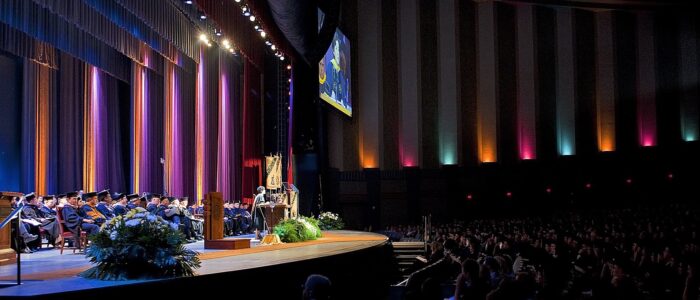
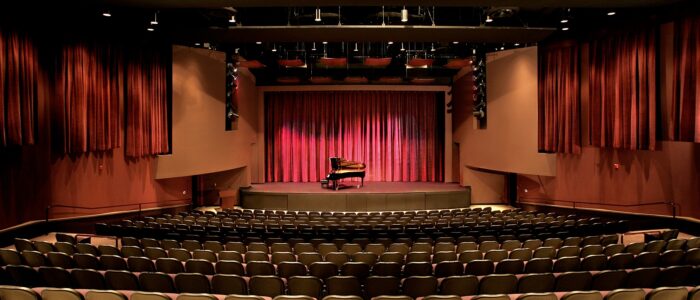
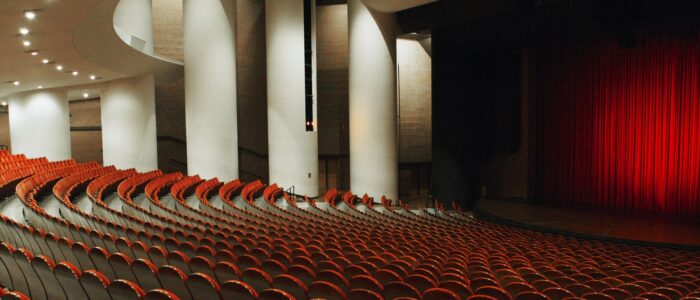
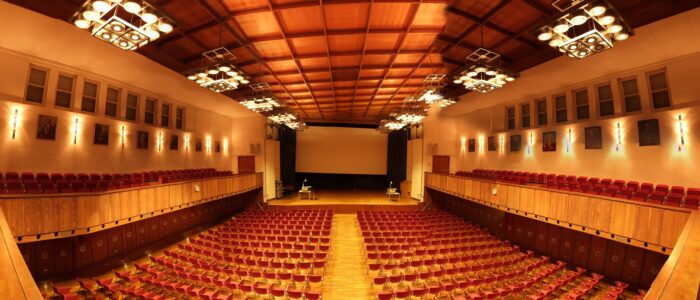
Arenas, Lecture Halls & Theaters

National Fire Protection Association | 2022 Revenue $82M

2026 NEC Code Panel 15 Public Input Report with Committee Response

Note in the transcript above that the four proposals submitted by Standards Michigan relate to healthcare facilities.  Code Panel 15 receives proposals for healthcare and assembly occupancy wiring safety concepts.

Marcel Jambon for an 1895 Paris production of Giuseppe Verdi’s Otello.

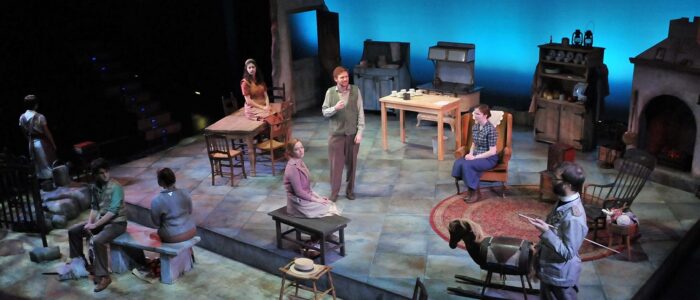
The standard of care for electrical system safety in dramatic art facilities in the education, and other industries, is largely established in Articles 518 through Article 540 of the National Electrical Code (NEC).   In some instances, dramatic art activity takes place in athletic arenas so we are mindful of parent standards for assembly occupancies generally; found in Chapter 3 of the International Building Code.

Free public access to the current 2023edition of the NEC is linked below:

2023 National Electrical Code

Of particular interest is the “technical power system” found in Article 640: Audio Signal Processing, Amplification, and Reproduction Equipment.

Access to the International Building Code on “related” occupancies is linked below (Chapter 3 Occupancy Classification and Use):

2021 International Building Code

Note the imperfect correlation between the NFPA and ICC occupancy definitions.  This never happens by design but is sometimes necessary.  Some risk aggregations have to be understood as terms of art; to be understood by seasoned experts in context.  Also, keep in mind that the NEC is a wiring installation safety code.

Proposals for revisions to assembly-related installations in the for 2023 is linked below:

NFPA 70 Public Input Report for 2023 Assembly Occupancies 

Second Draft Report for all articles assigned to CMP-15

The so called “song and dance” sections of the NEC have been fairly “stable” in recent cycles.  Changes to these articles in the NEC 2020 revision are incremental — i.e clarifications on grounding, wiring methods, cord wiring, illumination — and helpful for designers and inspectors.  Nothing budget busting.   Convergence of fire safety, mass notification,  environmental air and visual experiences continues as once-independent technologies continue integration.

2026 National Electrical Code Workspace


We collaborate with the IEEE Education & Healthcare Facilities Committee which meets 4 times monthly in Europe and the Americas.   See our CALENDAR for the next online teleconferences; open to everyone.

Issue: [Various]

Category: Sport, Electrical, Telecommunications, Fire Protection, Arts & Entertainment Facilities, Lively Art

Colleagues: Mike Anthony, Matt Dozier, Jim Harvey


LEARN MORE:

BS 7827_2011 – Code of practice for designing, specifying, maintaining and operating emergency sound systems at sports venues

Requirements for Hybrid Media Production

Digital Content Production

Archive / Places of Assembly, Lecture Halls & Theaters

Lighting Theatre & Auditorium Spaces

Heritage Christian School Indiana

With illumination technology an essential part of the safety of audiences and subjects, and the quality and character of art and entertainment events, we follow best practice titles published by the Illumination Engineering Society; its library linked below:

IES Lighting Library

Anyone who has ever purchased a ticket for a Broadway (New York) performance event, may understand (in dollar terms), the complexity of these events and the transfer cost to design, build, operate and maintain the complex electrotechnologies that make them successful.  We see many changes to the firmware governing event technologies crossing our radar.

The IES has a number of titles of a general nature that are consulted routinely in education communities; among them the American National Standard Practice on Lighting for Educational Facilities.   We find them incorporated by reference into design guidelines and construction contracts; especially The Lighting Handbook, 10th Edition.

Our interest today lies in IES DG-20 Stage Lighting – A Guide to Planning of Theatres and Auditoriums. updated to add content for stage lighting controls; interfacing with networks, house light design, control, and performance including emergency lighting, stage worklight and cue light systems; LED and automated stage lighting instruments; power distribution for stage and house lighting systems; and future proofing systems.  A related title — IES RP-41 Recommended Practice: Lighting Theater, Auditorium, and Worship Spaces — also noteworthy for its applicability in other cultural occupancies in education communities

There are no live consultations in the IES bibliography for either of these titles at the moment.  When there are you may find them at the link below.

IES Standards Open for Public Review

We always encourage our colleagues to participate directly in the IES standards development process.  CLICK HERE to get started.  You may also communicate directly with IES staff about securing the review drafts (Contact Albert Suen, asuen@ies.org).

Because of the ubiquity of lighting technology IES titles are on the standing agenda of several of our periodic teleconferences — Power, Healthcare, Sport and Lively Art colloquia.   We collaborate closely with experts on the IEEE Education & Healthcare Facilities Committee.   See our CALENDAR for the next online meeting; open to everyone.

Issue: [14-110]

Category: Electrical, Arts & Entertainment, Lighting

Colleagues: Mike Anthony, Jim Harvey, Kane Howard


LEARN MORE:

Pennsylvania State University Engineering Student Thesis on Auditorium Lighting

Service requirements for distance learning

Hans Christian Ørsted discovers electromagnetism / Københavns Universitet

We follow the uptake in international distance learning enterprises with particular interest in its technical foundation for quality and availability.   International Telecommunication Union Recommendation F.742 provides the service description and the requirements for distance learning services. This Recommendation is intended to support the multimedia framework for distance learning services.  From the project description:

“…Distance learning involves interactive and non-interactive multimedia communications between learners and learning resources located at two or more separate locations. The aims of learners who use distance learning services may be to get some degree certificates based on the degree standards, to get training given by employers, or to learn special knowledge independently. The distance learning services may be teaching-centred learning services that are similar to traditional face-to-face classroom learning, individual instruction, self-pacing learning, multi-role learning/team learning, etc.

In the course of distance learning, information may be required from remote databases containing the learning resources, or from live lectures. The material may be textual, aural, graphical, or video in nature and may be stored in a multimedia format. The information can be delivered in point-to-point configuration, point-to-multipoint or multipoint-to-multipoint configuration.  Participants in the distance learning may be located in classrooms equipped with related facilities, offices, homes or other places, such as on trains, where they are able to access to a distance learning services platform. Learners may learn in real-time with or without interaction with others, following a curriculum schedule or in non-real-time by themselves on demand. The equipment that learners use may be a PC, PDA, mobile phone, or even a TV set with STU. Learners can change their equipment without interruption while they are learning, with the assistance of a DLSP…”

Note that the last revision became effective in 2005; and was re-affirmed in 2008.  Other ITU documents relevant to the education industry can be found on the page linked below:

ITU-T Recommendations

We normally coordinate our engagement with ITU standards with the IEEE Education & Healthcare Facilities Committee which meets four times monthly in European and American time zones.  We discuss any best practice title affecting education communities every day at 11 AM Eastern time.  We also host a periodic teleconference on the status of Cloud best practice literature.  See our CALENDAR for the next online meeting; open to everyone.

Issue: [8-8]

Category: Academics, Electrical, Information and Communication Technology, Telecommunications

Colleagues: Mike Anthony, Jim Harvey, Mike Hiler


LEARN MORE:

Layout mode
Predefined Skins
Custom Colors
Choose your skin color
Patterns Background
Images Background
Standards Michigan
error: Content is protected !!
Skip to content