Category Archives: Gardens Trees Bucolia

Loading
loading...

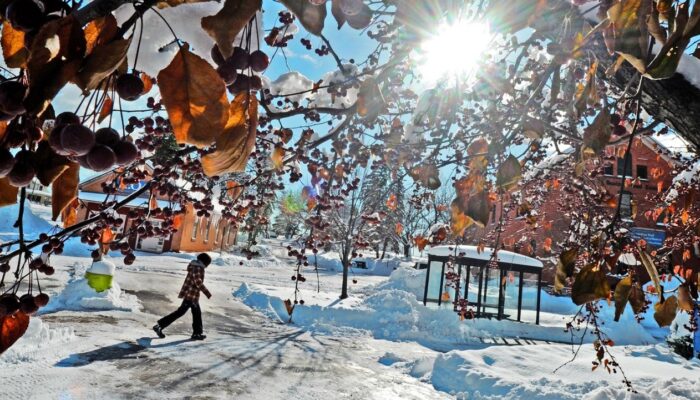
Snow Management

“A Morning Snow–Hudson River” 1910 George Wesley Bellows | Smithsonian American Art Museum

This time of year in the Northern Hemisphere we keep an eye on snow management  standards; among them titles developed by the Accredited Snow Contractors Association.  The barriers to entry into this domain are relatively low and, arguably undisciplined; hence the need for standards setting.  Even when only partially adopted, use of ANSI accredited standards reduces the “wheel reinvention” that is common to the business side of the education industry when new initiatives, or continuous improvement programs are undertaken without consideration of already existing leading practice discovery by ANSI-accredited technical committees.  Start here:

ASCA Standards Home Page

The parent title for the emergent ASCA bibliography is System Requirements for Snow and Ice Management Services; free to ASCA members.  The current version is dated 2014 and will likely be updated and/or re-affirmed.  The circumstances of the pandemic has slowed the work of many standards setting committees.  The safety and sustainability concepts remain intact, however.  Among them:

  • If snow can be removed from a lot or hard surface and appropriate room exists, always push the snow as far back as possible beyond the curb or lot edge to make room for additional snow.
  • If snow cannot be removed from a lot or hard surface, always place snow piles on a predetermined spot approved by the client and marked on the snow contractor’s preseason site report.  
  • Do not pile snow in a handicap parking space.
  • Do not bury or plow snow onto a fire hydrant, post indicator valve, or fire hookup along the building wall.
  • Avoid placement of snow piles where thaw/melt off can run across the parking lot surface. Try to place piles near drain grates to avoid icy situations during thaw-and-refreeze periods.
  • Do not push snow against a building.
  • Do not block building doorways or emergency exits.
  • Do not block pedestrian walks or paths with snow piles.
  • Do not push snow onto motor vehicles.
  • Do not plow snow in front of or bury trash containers. Sidewalk labor must shovel inside trash container enclosure for access to the doors. If the container is not in an enclosure, create a clear path to the access doors or panels.
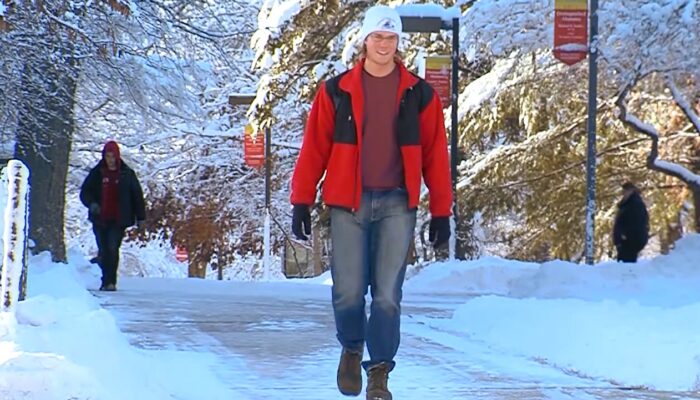
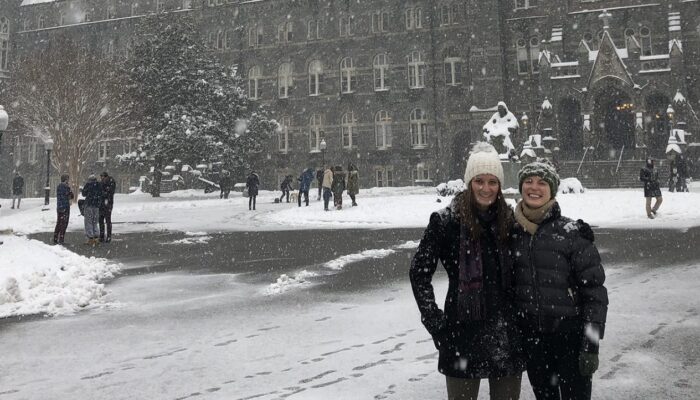
"Liberty, when it begins to take root, is a plant of rapid growth" - (Letter to James Madison, March 2, 1788)“The cold was our pride, the snow was our beauty.” — F. Scott Fitzgerald ('Wiinter Dreams' 1922)

ASCA has more recently released another title — Standard Practice for Procuring and Planning Snow & Ice Management Services — that seems (by its title alone) to be a companion consensus product.  From its prospectus:

This standard of practice covers essential procuring and planning for snow and ice management services. Standards for procuring and planning are essential for business continuity and to improve safety for patrons, tenants, employees, and others in the general public. Knowing how to describe service requirements in a snow and ice management request for proposal (RFP) is an important component to providing effective services, particularly where winter weather is a variable. This standard practice provides guidance on the snow and ice management procurement and planning process to aid in the creation of RFPs, contracts, agreements, and monitoring procedures. This standard will not be submitted for consideration as an ISO, IEC, or ISO/IEC JTC-1 standard.

Apart from these titles, we do not see any recent happening in the ASCA standards setting enterprise.  We will pass information along as it becomes available.  Alternatively, you may communicate directly with ASCA, 5811 Canal Road  Valley View, OH 44125, Ph: (800) 456-0707.  Most education communities employ a combination of permanent and contract staff for these services.

We maintain the ASCA bibliography on our Snow & Ice colloquia  See our CALENDAR for the next online meeting; open to everyone.

Issue: [13-104]

Category:  Grounds and Landscaping, Exterior, Public Safety, Risk Management

Colleagues: John Lawter, Richard Robben

More>>

ARCHIVE / Snow & Ice


Farm Electrical Power

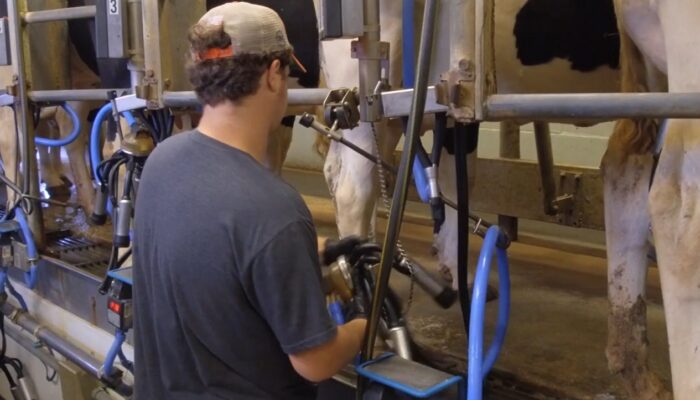
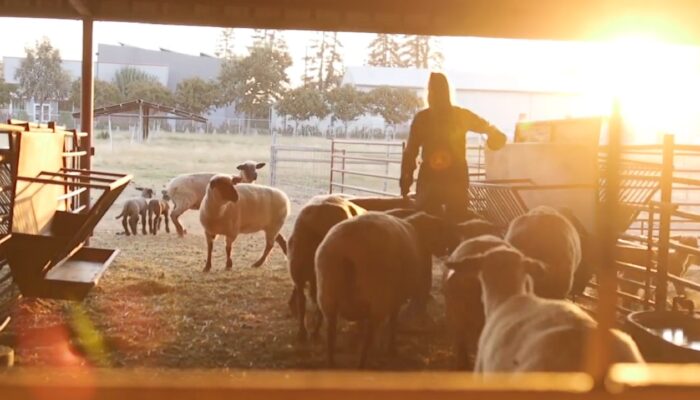
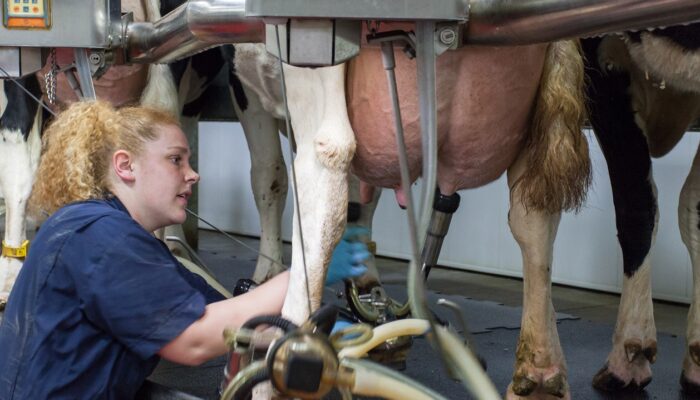
Many land grant colleges and universities are stewards of agricultural facilities that require reliable electrical power that is safe and sustainable for livestock well off the core campus distribution grid. Today we examine the 2026 National Electrical Code safe electric service rules with an eye toward the close date of April 6th for public input on the 2029 NEC.

2029 National Electrical Code


Updated: September 3, 2024

ACTION ITEMS:

Article 547: Agricultural Buildings

Public Input with Responses from CMP-7 (Start at PDF Page 187)

Public Input with Responses from CMP-2 Article 220 Part V: Farm Load Calculations (Start at PDF Page 28)

Related: National Electrical Safety Code (Higher Voltage Distribution Wiring from Merchant Utility to Off-Campus Agricultural Outbuildings)

Sunday, Animal, Farm, Agri august

Many land grant colleges and universities are stewards of agricultural facilities that require reliable electrical power that is safe and sustainable for livestock and animal habitat for sporting.

FREE ACCESS: 2023 National Electrical Code

The premise wiring rules for hazardous university owned buildings have been relatively stable.  Electrical professionals are guided by:

  1. Farm Load Calculations of Part V of Article 220,
  2. Corrosion mitigation with appropriate specification of power chain wiring
  3. Stray voltage and the equipotential plane
  4. Interactivity with regulated utility power sources.

Public response to the First Draft of the 2026 National Electrical Code will be received until August 28, 2024.  We coordinate our approach to the entire NFPA electrical suite with the IEEE Education & Healthcare Facilities Committee which meets 4 times monthly.  We typically refer to previous transcripts of technical committee actions to inform any changes (improvements) that we propose, if any.

National Electrical Code CMP-18

We maintain this issue on the standing agenda of our Power and Nourriture (Food) colloquia.  Feel free to join us with the login credentials at the upper right of our home page.


More:

2028 National Electrical Safety Code

Stray Voltage: Sources and Solutions

University of Nebraska: G87-845 Electrical Systems for Agricultural Buildings (Recommended Practices)

Cornell University Agricultural Safety and Health Program

Mike Holt

Fred Hartwell

National Safety Council  (22 deaths by electrocution on farms per 100,000 in 2017)

National Agricultural  Safety Database


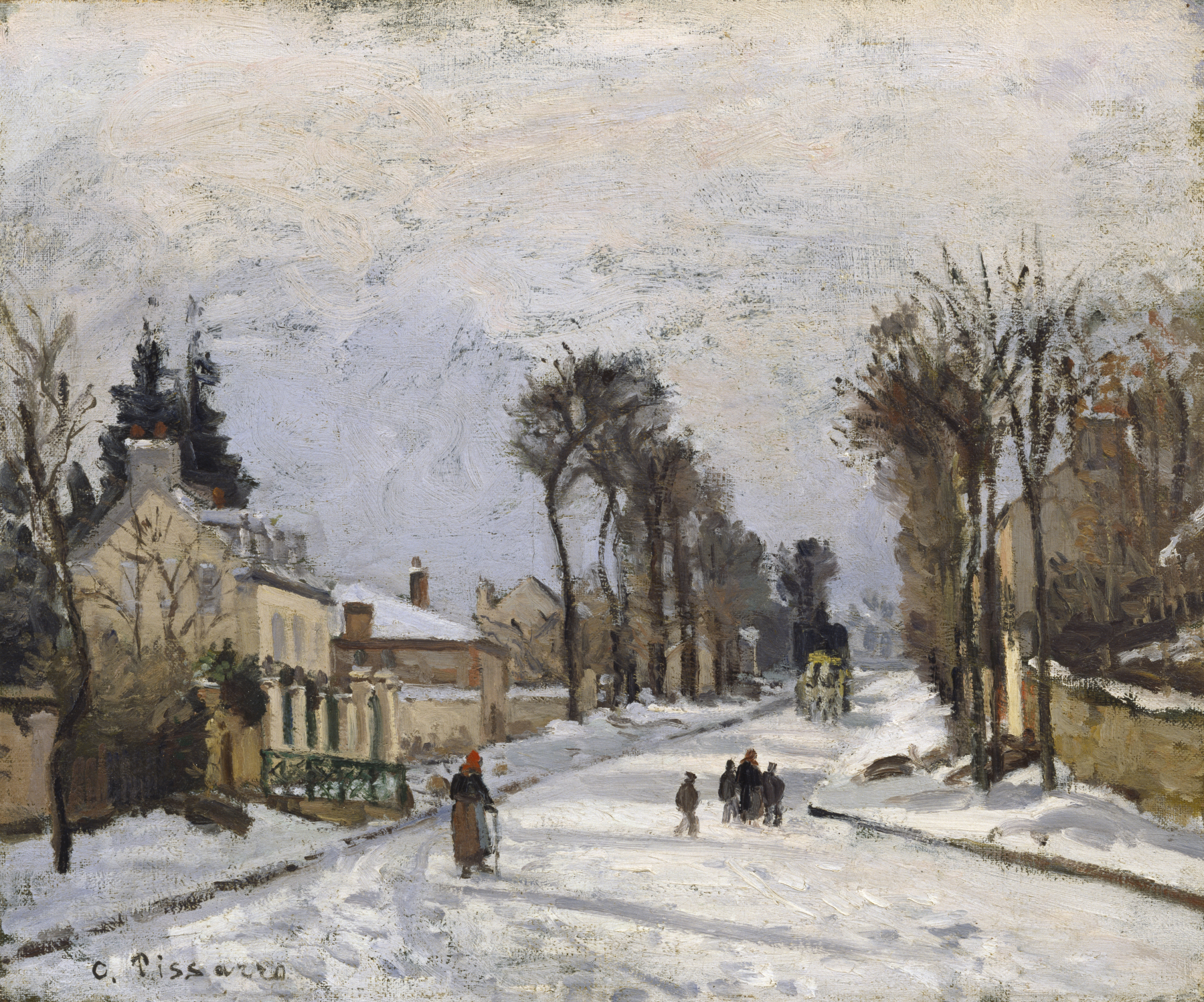
Du froid

“Weather is fate”

— Charles Louis de Secondat, Baron de La Brède et de Montesquieu

“Road to Versailles at Louveciennes” 1869 Camille Pissarro

Heat tracing is a process used to maintain or raise the temperature of pipes and vessels in order to prevent freezing, maintain process temperature, or ensure that products remain fluid and flow through the system properly.  Without electric heat tracing; much of the earth would be uninhabitable.

Heat tracing works by using an electric heating cable or tape that is wrapped around the pipe or vessel, and then insulated to help retain the heat. The heating cable is connected to a power source and temperature control system that maintains the desired temperature by regulating the amount of heat output from the cable. Heat tracing is commonly used in industrial applications where temperature control is critical, such as in chemical plants, refineries, and oil and gas facilities.

There are several types of heat tracing, including electric heat tracing, steam tracing, and hot water tracing, each of which have their own unique advantages and disadvantages. The selection of the appropriate type of heat tracing depends on the specific application and the required temperature range, as well as factors such as cost, maintenance, and safety considerations.

Heat Tracing for Piping Specification | NECA Standards (N.B. Link unstable)

2026 NEC CMP-17 Public Input Report | 2026 NEC CMP-17 Second Draft Report

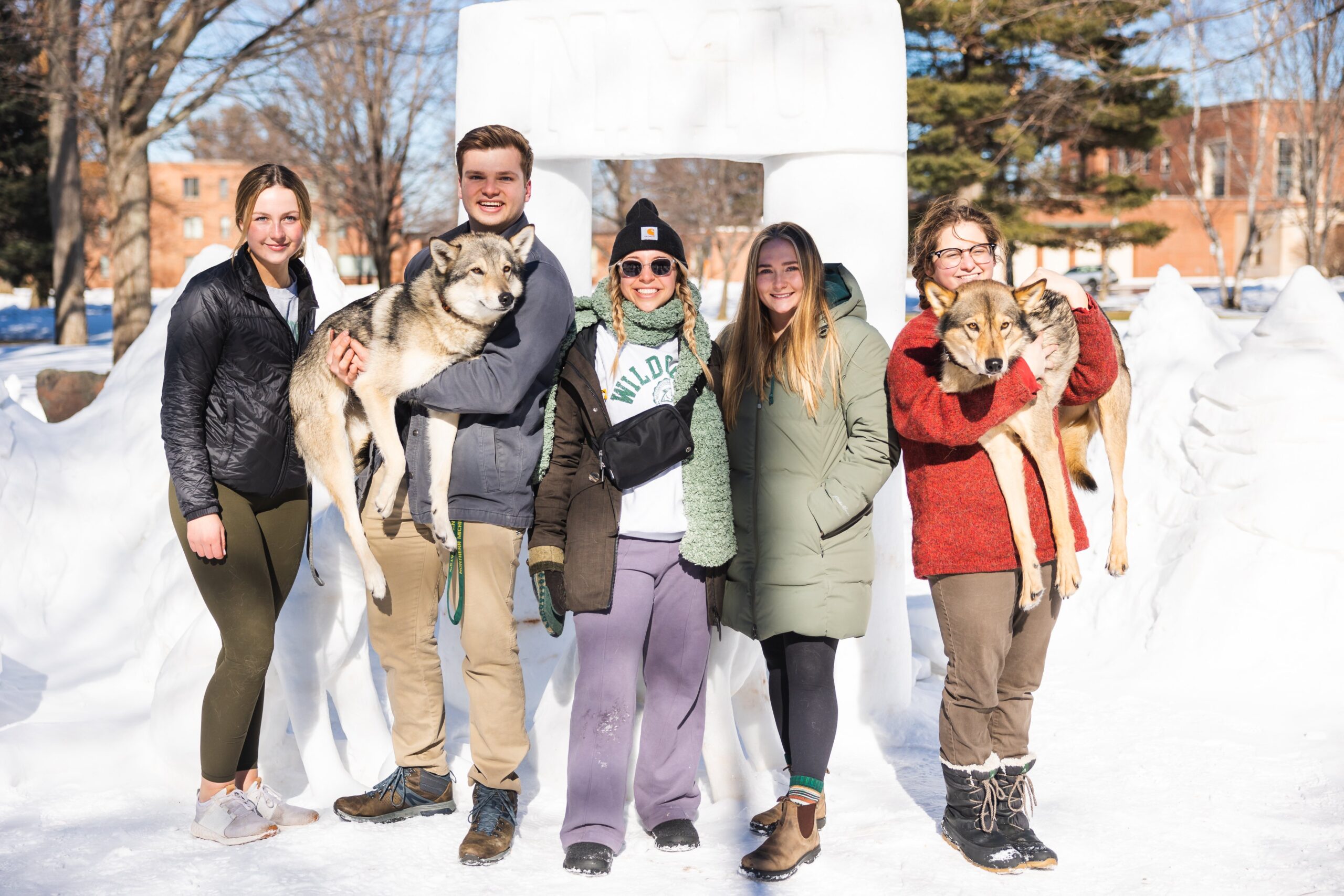
Northern Michigan University | Marquette County

Today we review the literature for snow and ice management (and enjoyment) produced by these standards-setting organizations:

Accredited Snow Contractors Association

American Society of Civil Engineers

American Society of Mechanical Engineers

ASTM International

FM Global

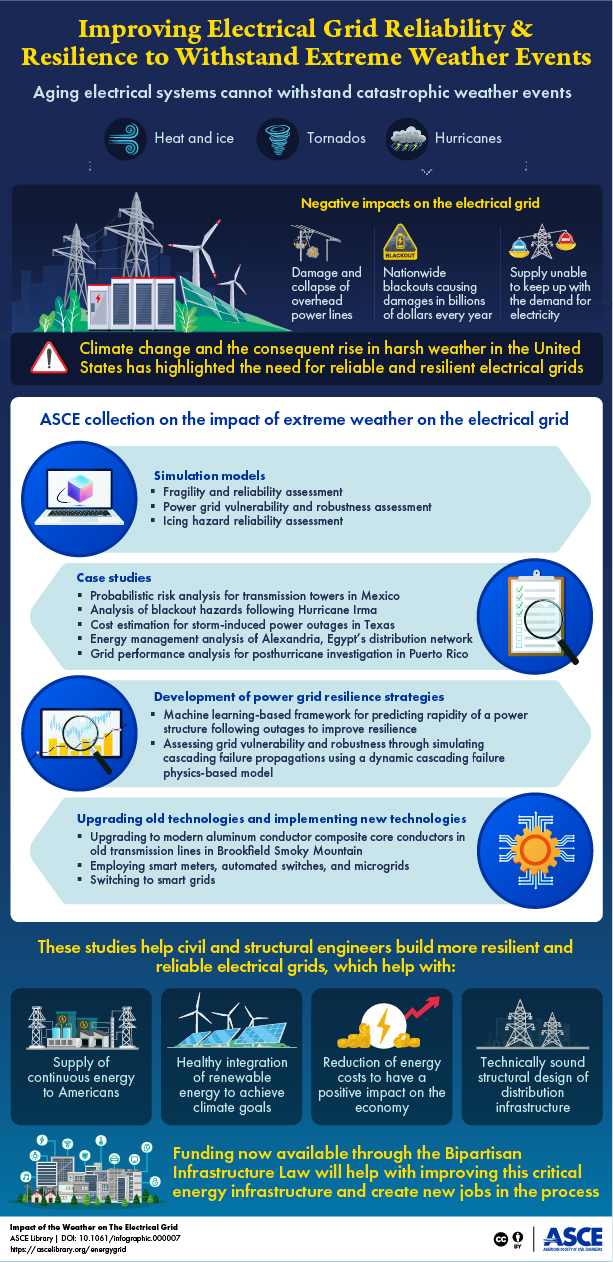
Destructive Deep Freeze Strikes Cold and Hot Regions Alike

Institute of Electrical & Electronic Engineers

Electrical Heat Tracing: International Harmonization — Now and in the Future

International Code Council

International Building Code: Chapter 15 Roof Assemblies and Rooftop Structures

National Electrical Contractors Association

National Fire Protection Association

Winter is Coming: Is Your Facility Protected? (Holly Burgess, November 2022)

National Electrical Code: Articles 426-427

National Floor Safety Institute

Snow and Ice Management Association

Underwriters Laboratories

Manufacturers:

Chromalox Electrical Heat Tracing Systems Design Guide


It is a surprisingly large domain with market-makers in every dimension of safety and sustainability; all of whom are bound by state and federal regulations.

Join us at 16:00 UTC with the login credentials at the upper right of our home page.


There have been several recent innovations that have made it possible for construction activity to continue through cold winter months. Some of the most notable ones include:

  1. Heated Job Site Trailers: These trailers are equipped with heating systems that keep workers warm and comfortable while they take breaks or work on plans. This helps to keep morale up and prevent cold-related health issues.
  2. Insulated Concrete Forms (ICFs): ICFs are prefabricated blocks made of foam insulation that are stacked together to form the walls of a building. The foam insulation provides an extra layer of insulation to keep the building warm during cold winter months.
  3. Warm-Mix Asphalt (WMA): WMA is a type of asphalt that is designed to be used in colder temperatures than traditional hot-mix asphalt. This allows road construction crews to work through the winter months without having to worry about the asphalt cooling and becoming unusable.
  4. Pneumatic Heaters: These heaters are used to warm up the ground before concrete is poured. This helps to prevent the concrete from freezing and becoming damaged during the winter months.
  5. Electrically Heated Mats: These mats are placed on the ground to prevent snow and ice from accumulating. This helps to make the job site safer and easier to work on during the winter months.

Overall, these innovations have made it possible for construction crews to work through the winter months more comfortably and safely, which has helped to keep projects on schedule and minimize delays.

Somewhat related:

7th Edition (2018): Geometric Design of Highways & Streets

Michigan State University

The American Association of State Highway and Transportation Officials is a standards setting body which publishes specifications, test protocols, and guidelines that are used in highway design and construction throughout the United States.  Despite its name, the association represents not only highways but air, rail, water, and public transportation as well.   Its technical committees are responsible for route numbering recommendations.

Although AASHTO sets transportation standards and policy for the United States as a whole, AASHTO is not an agency of the federal government; rather it is an organization of the states themselves. Policies of AASHTO are not federal laws or policies, but rather are ways to coordinate state laws and policies in the field of transportation.

One of its consensus products — the so-called “Green Book” — is heavily referenced in campus design guidelines and construction contracts because most education communities exist within municipal infrastructure.   Power, water supply, sewers to schools and campuses large and small all tend to follow transportation pathways.  The Green Book is revised periodically, the 2018 Edition the most recent.

SUMMARY OF KEY REVISIONS AND UPDATES

We do not advocate in this product at the moment but follow the movement in concepts relevant to education communities; notably the recent reorganization that emphasizes transportation of people, rather than focusing primarily on moving vehicles.  A new chapter discusses multimodal level of service and puts greater emphasis on lower-speed, walkable, urban zones in which new mobility technologies are emerging (such as micro-scooters on campuses)

We maintain the AASHTO catalog on our Pathways, Zoning and Mobility colloquia.  See our CALENDAR for the next online meeting, open to everyone.

Land Measurement

Fontaines

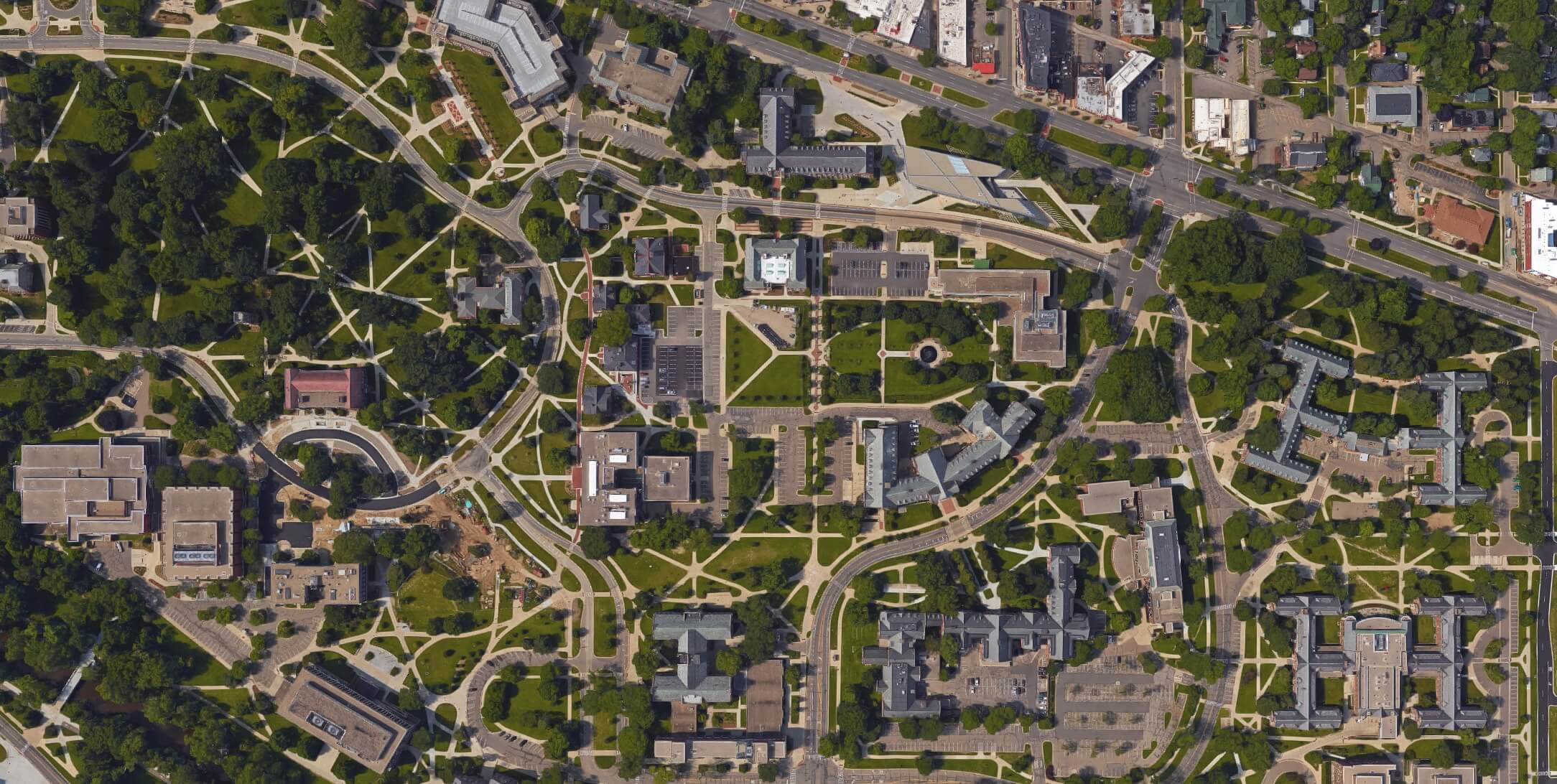
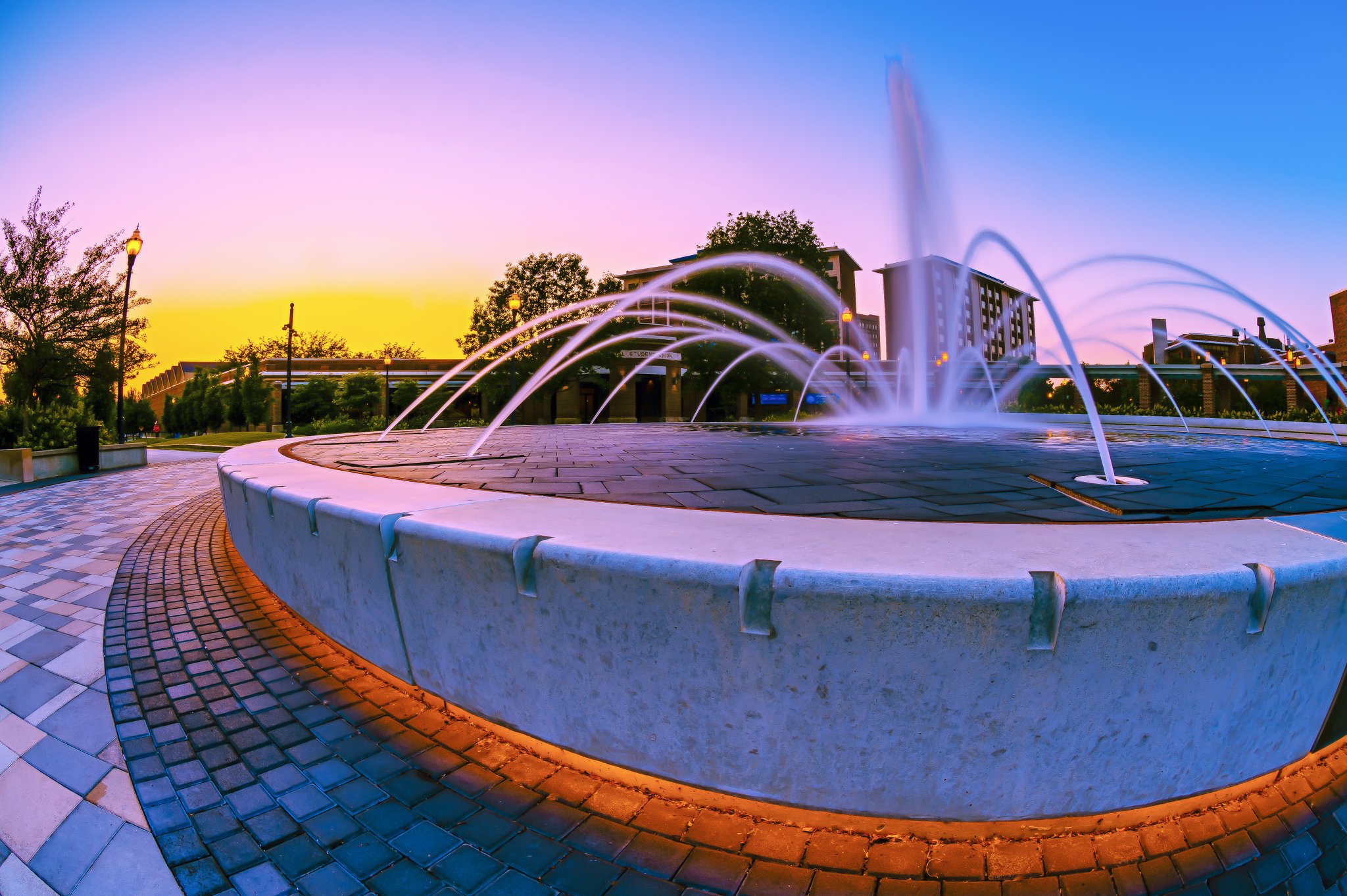
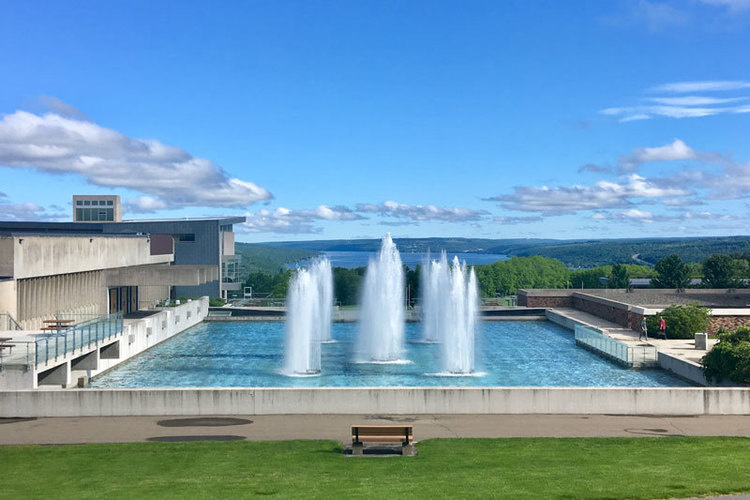
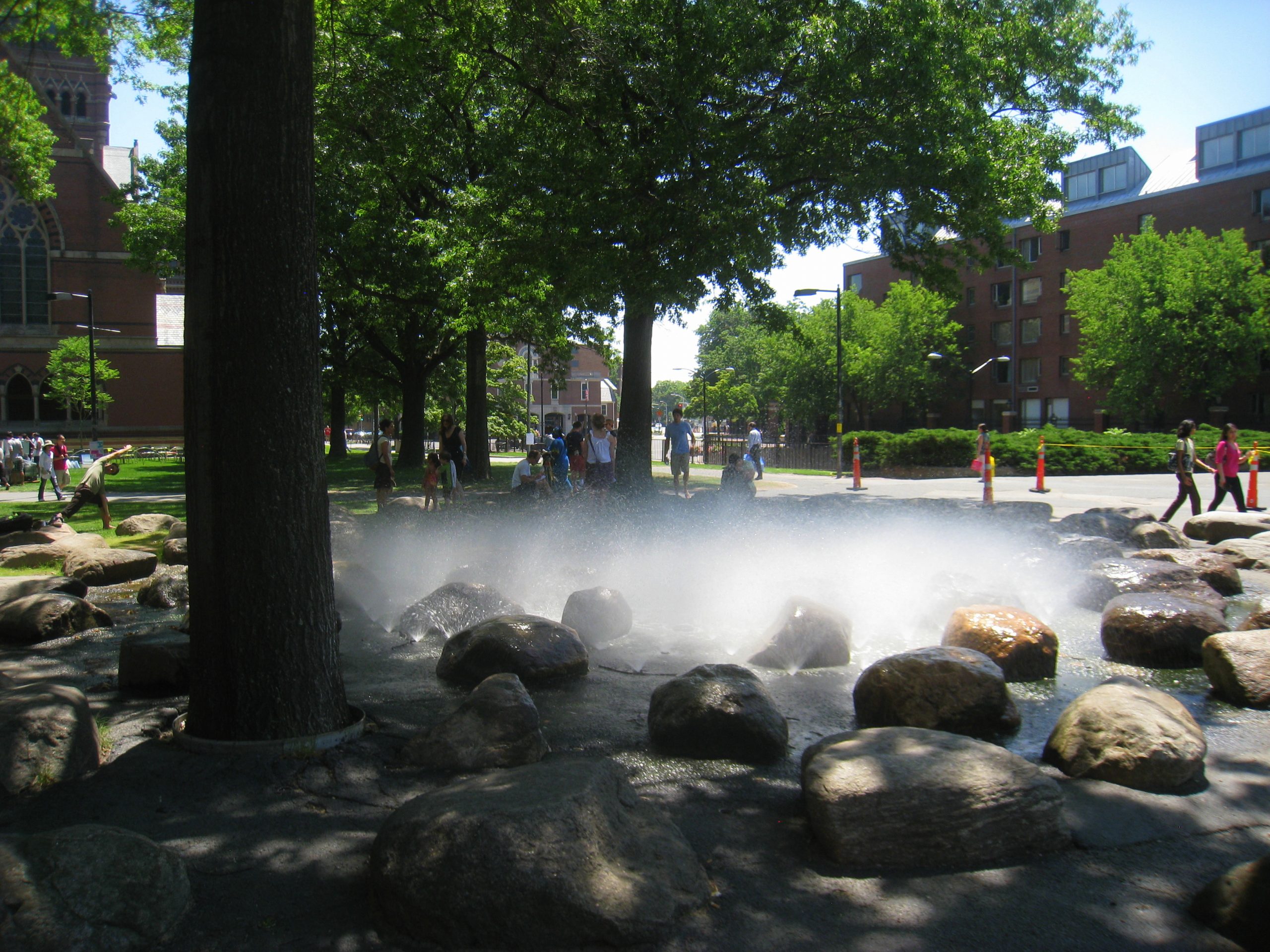
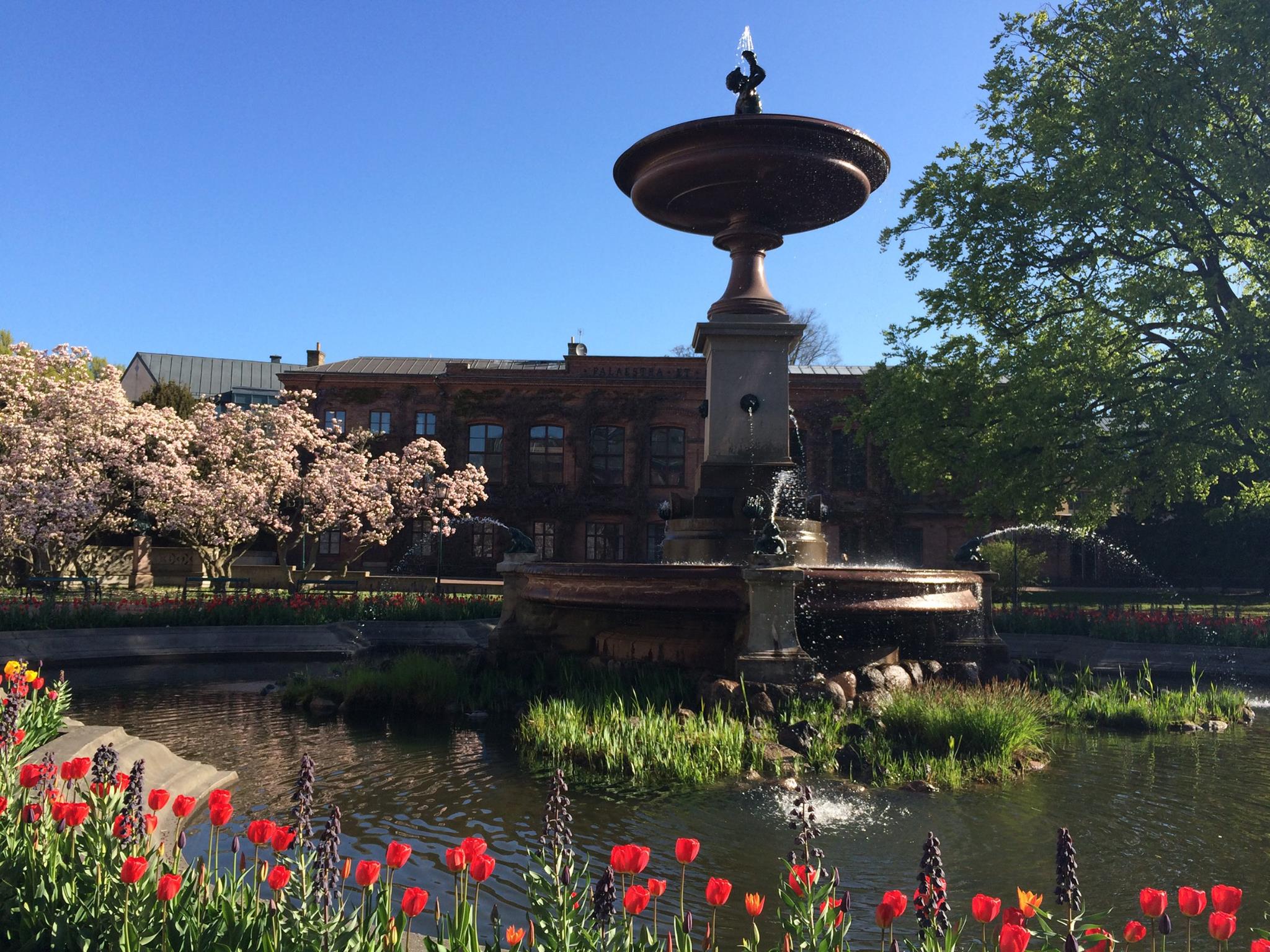
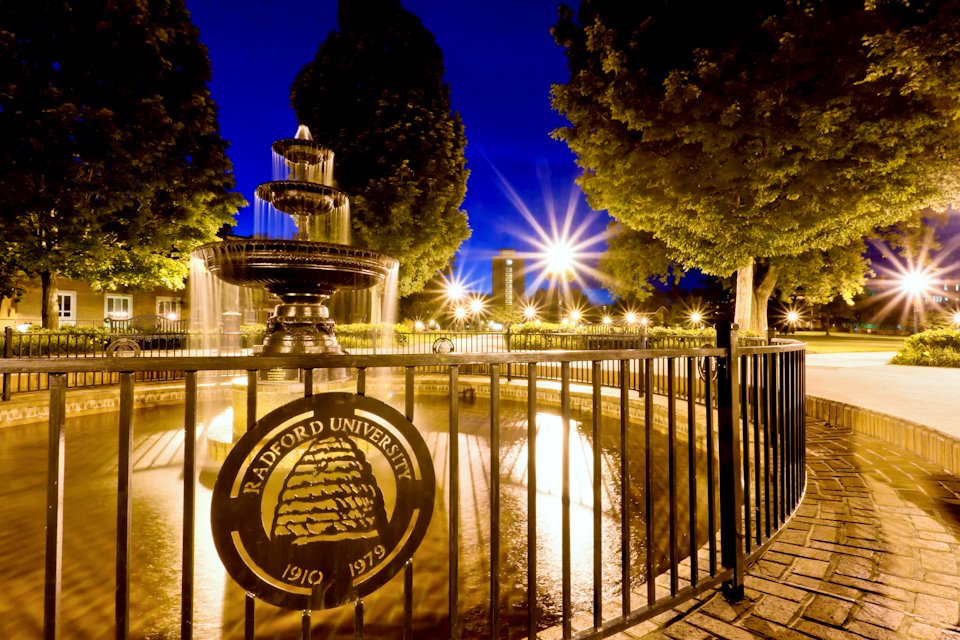
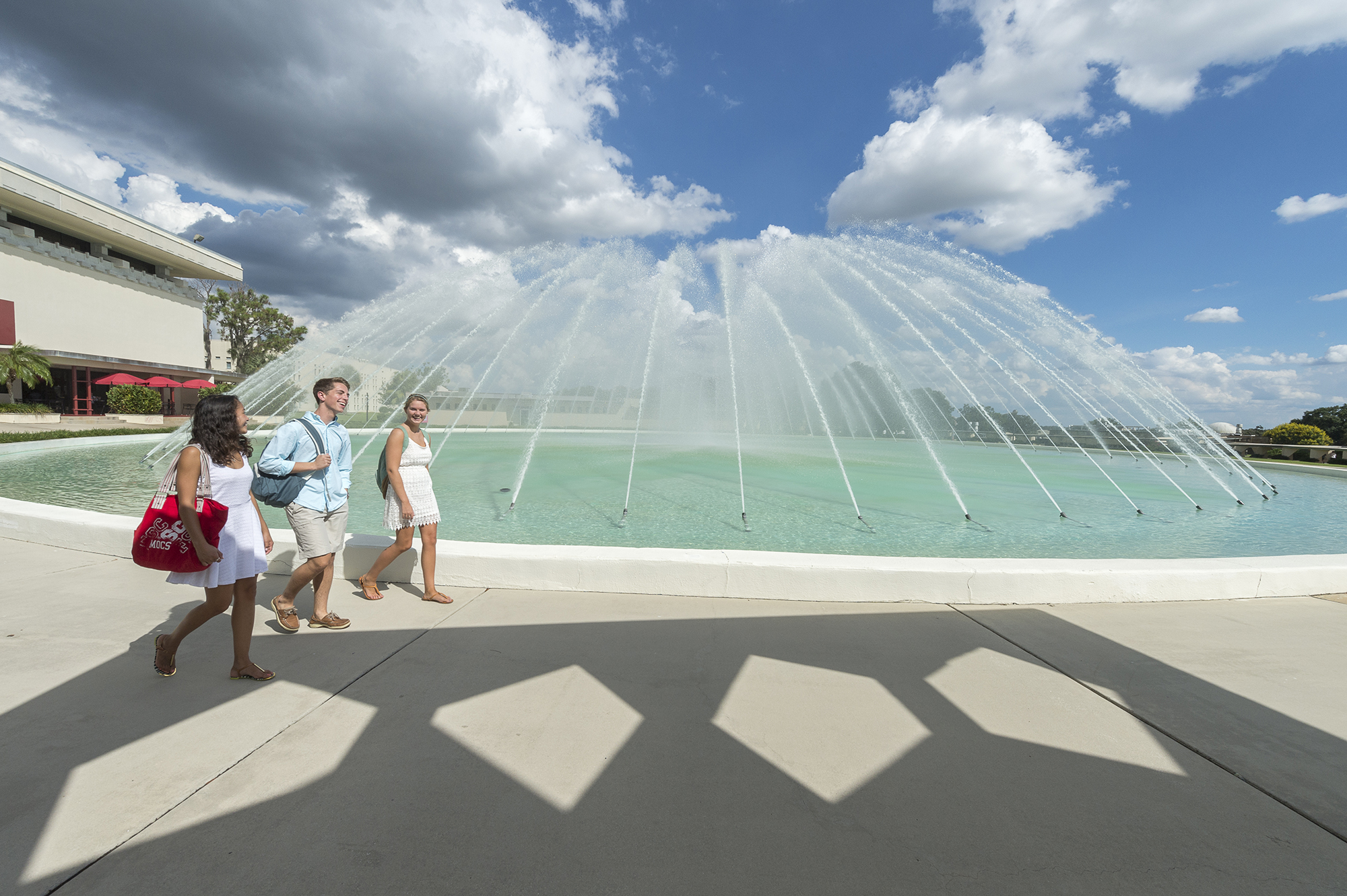
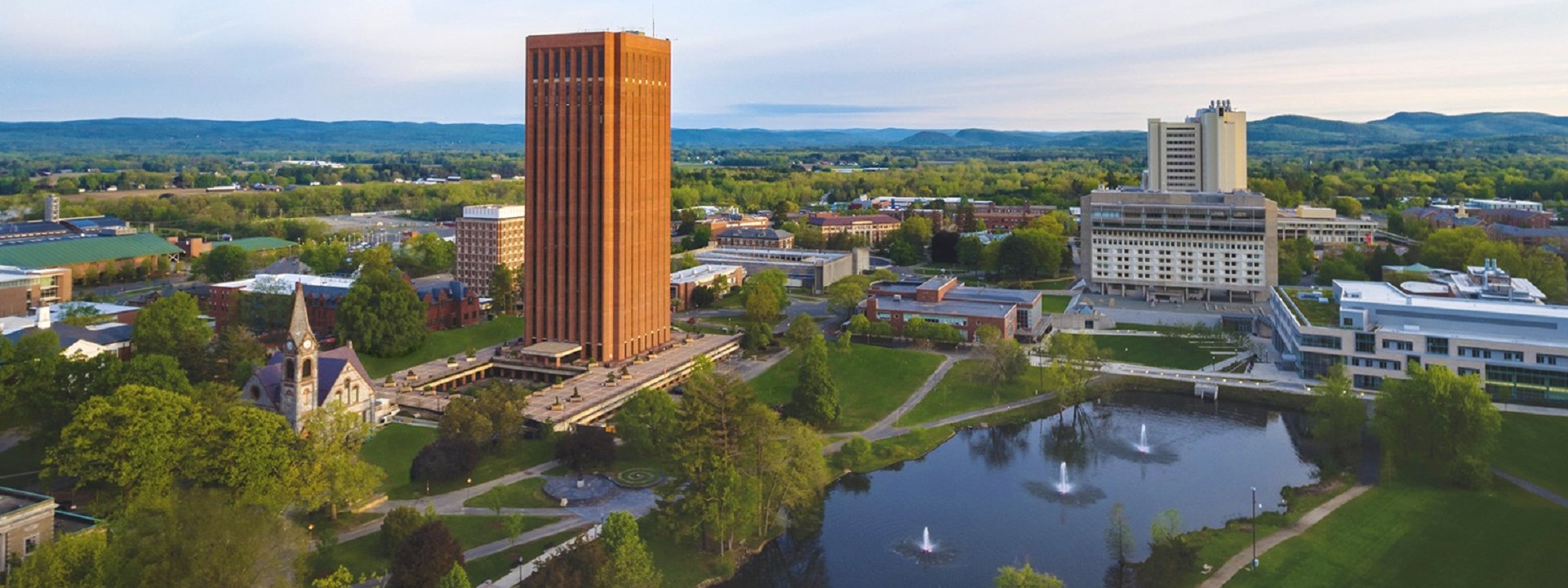
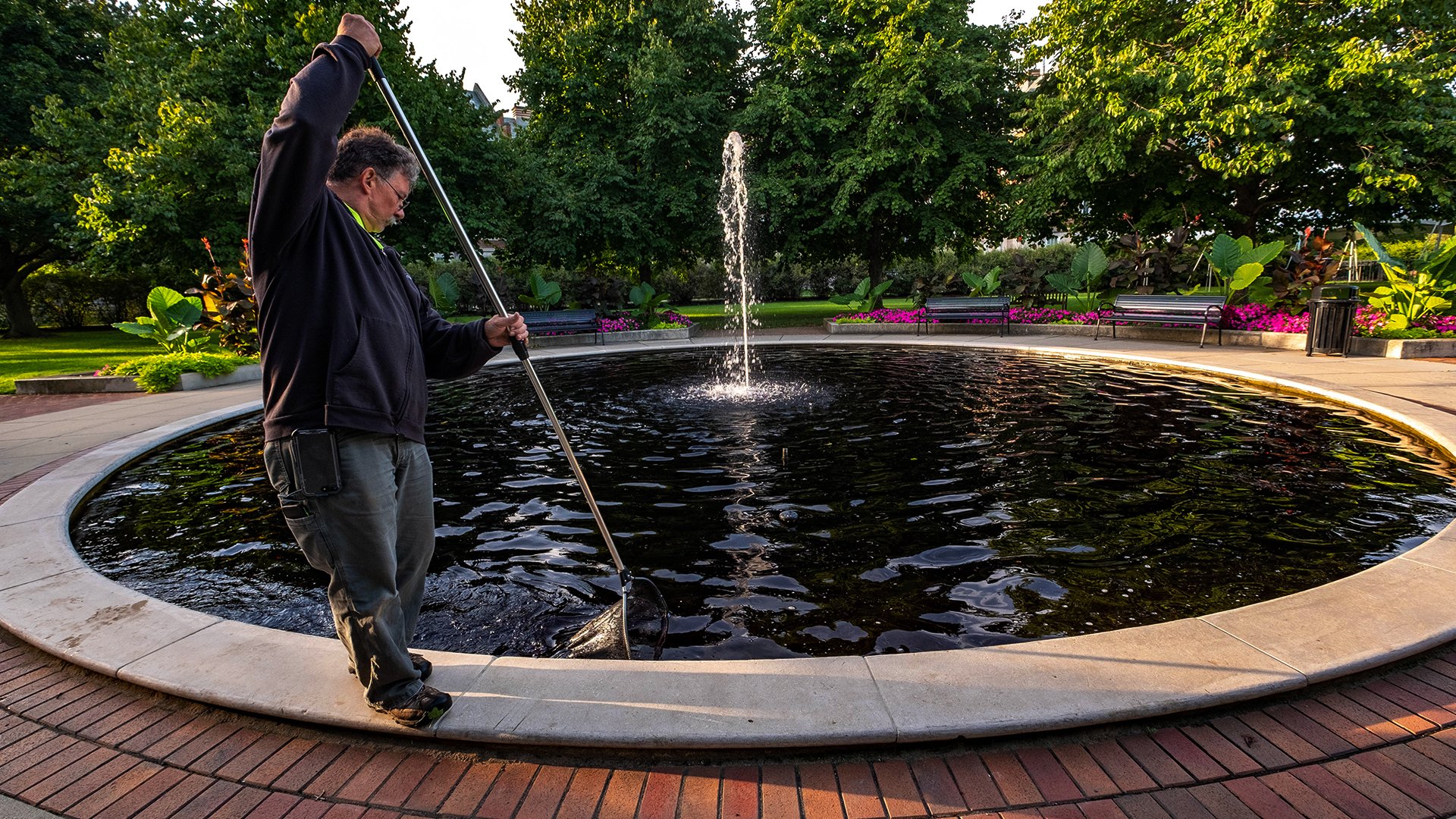
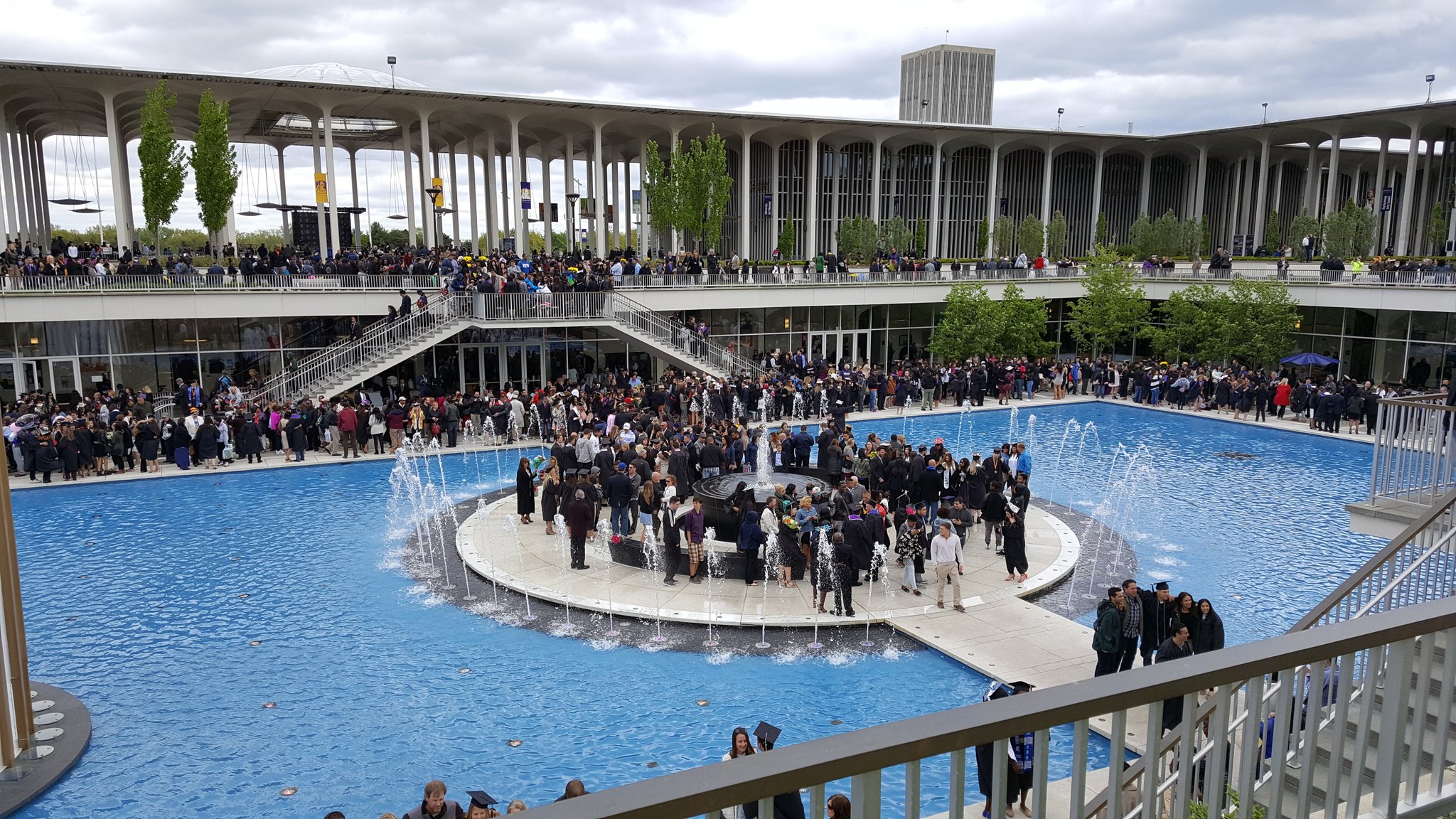
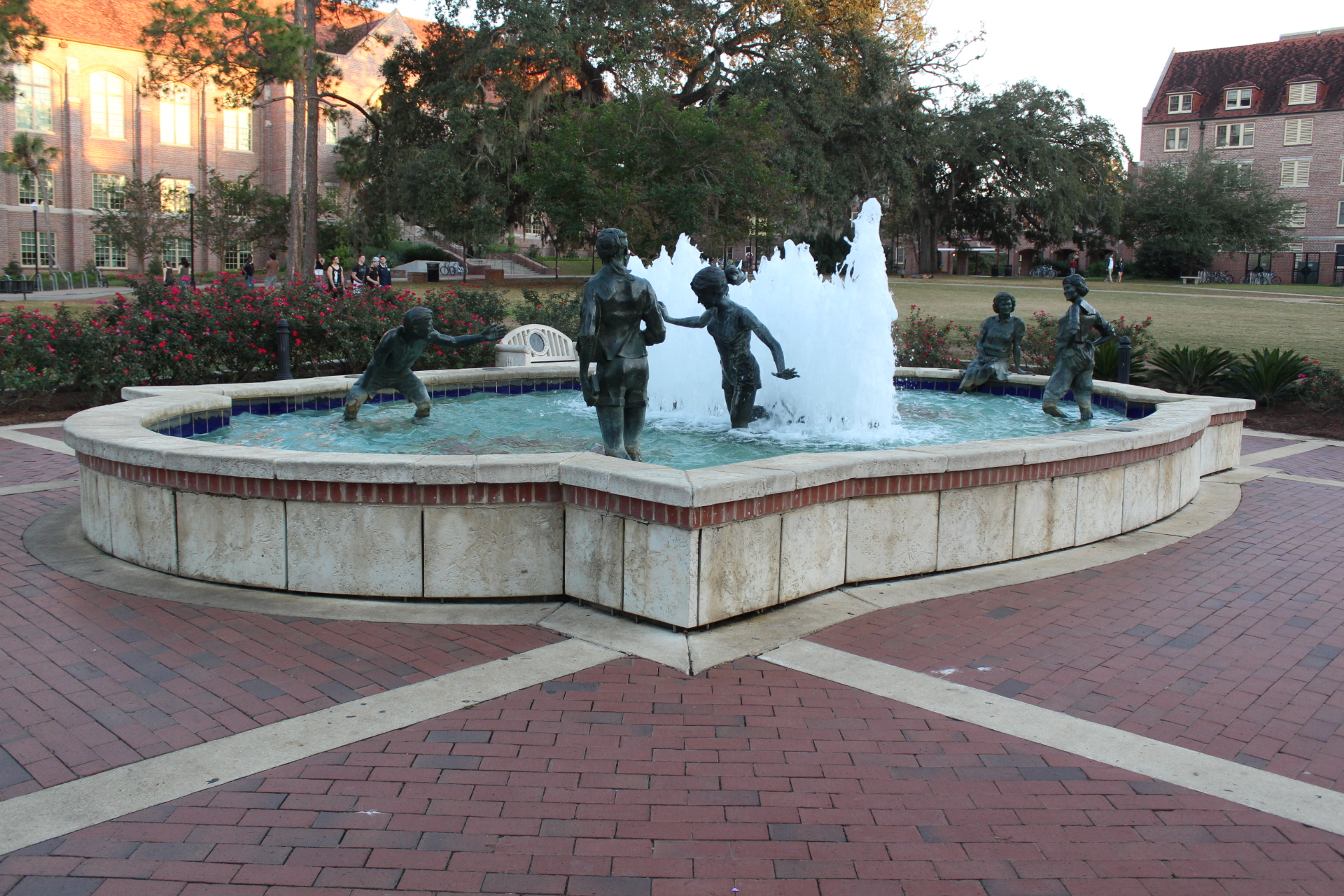
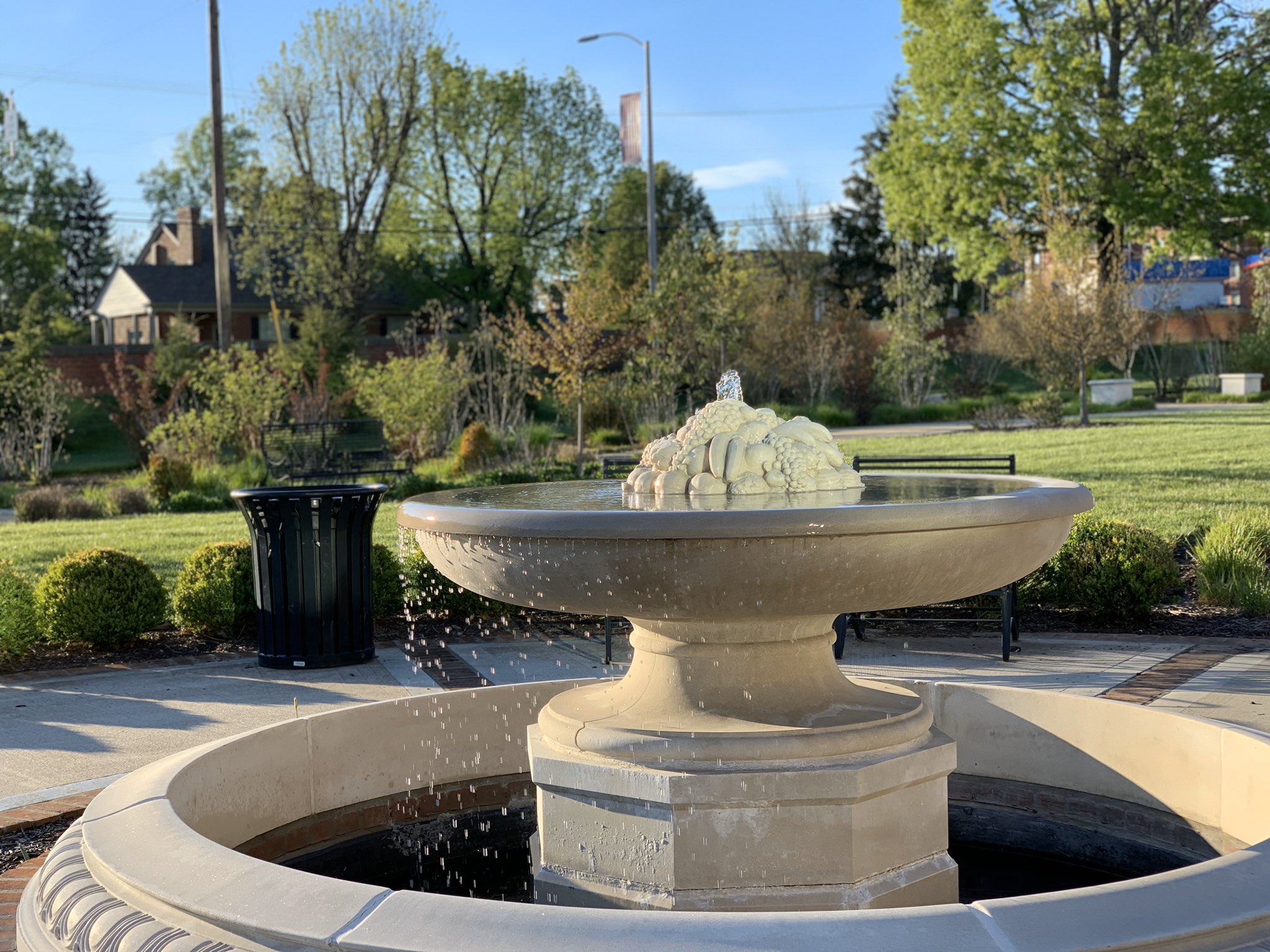
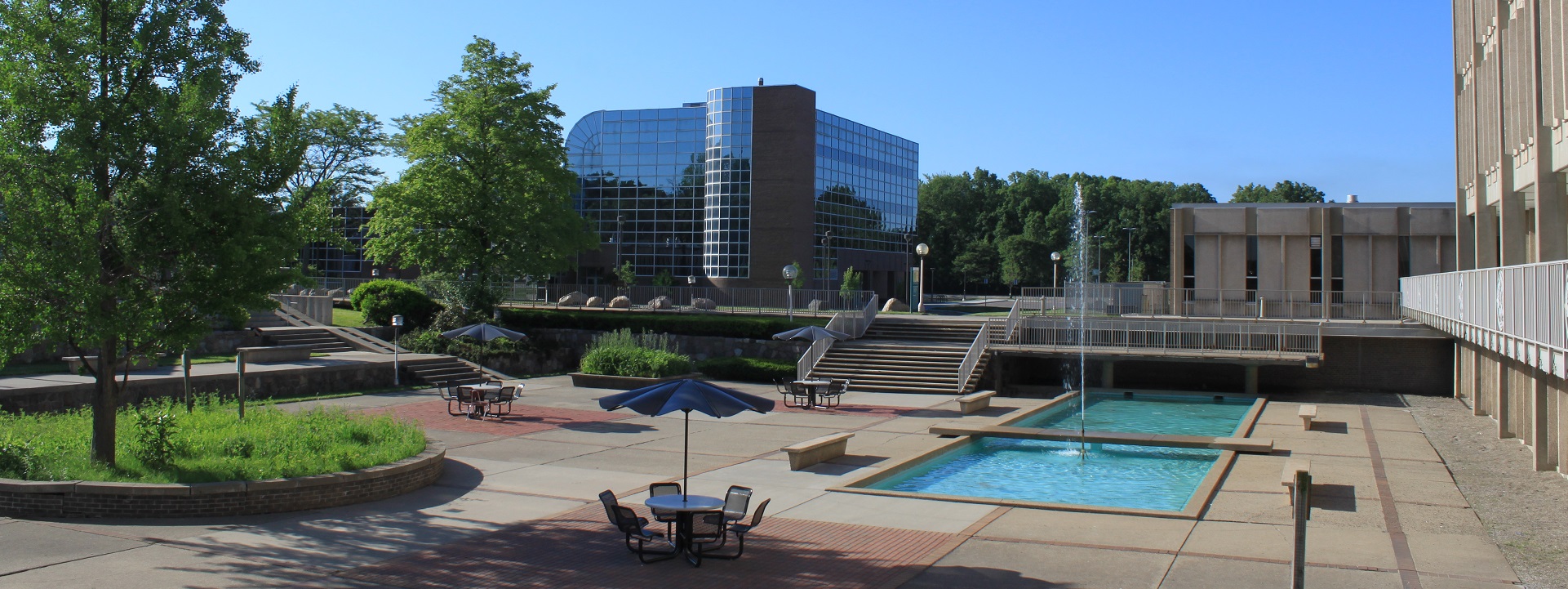
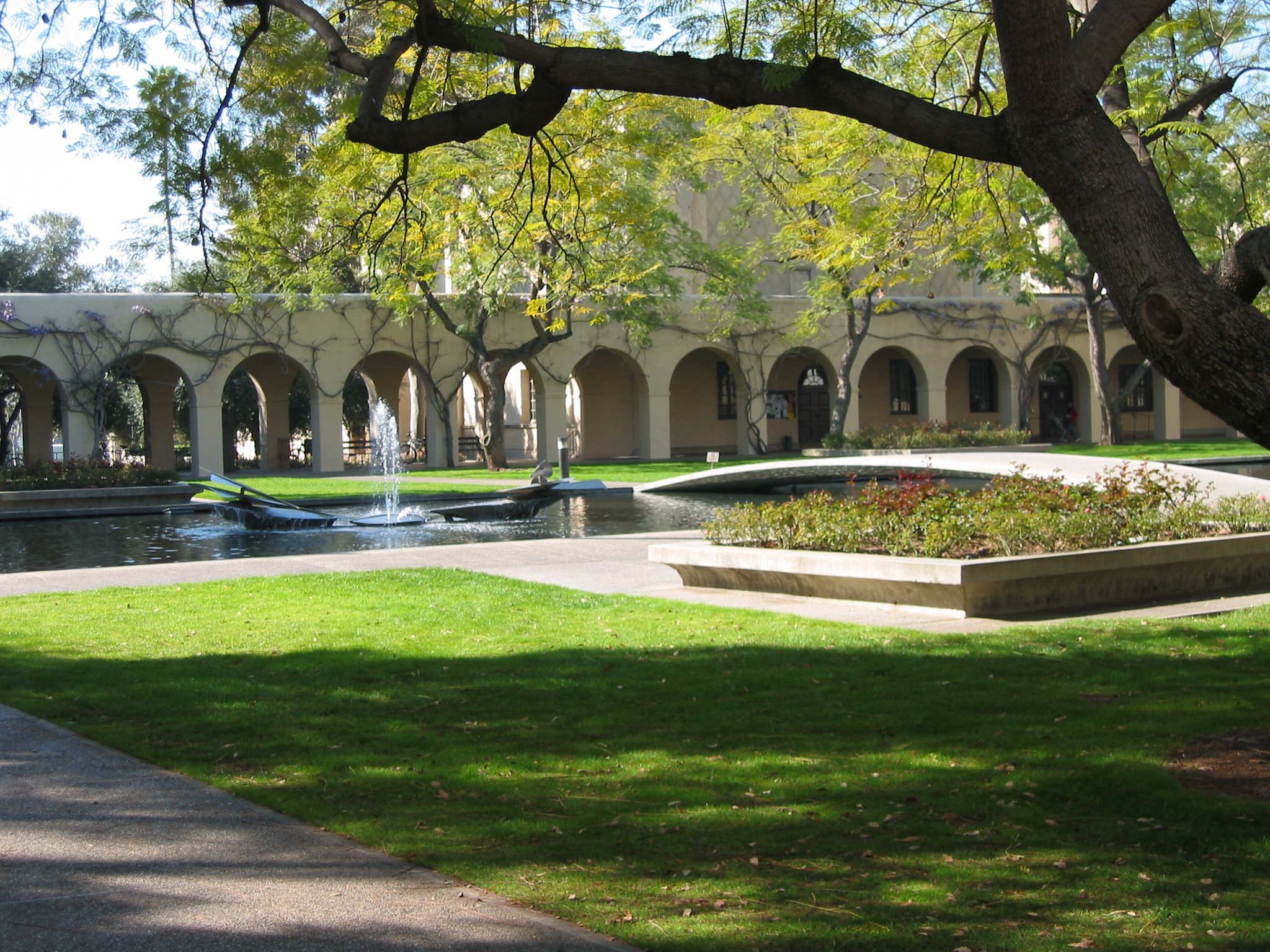
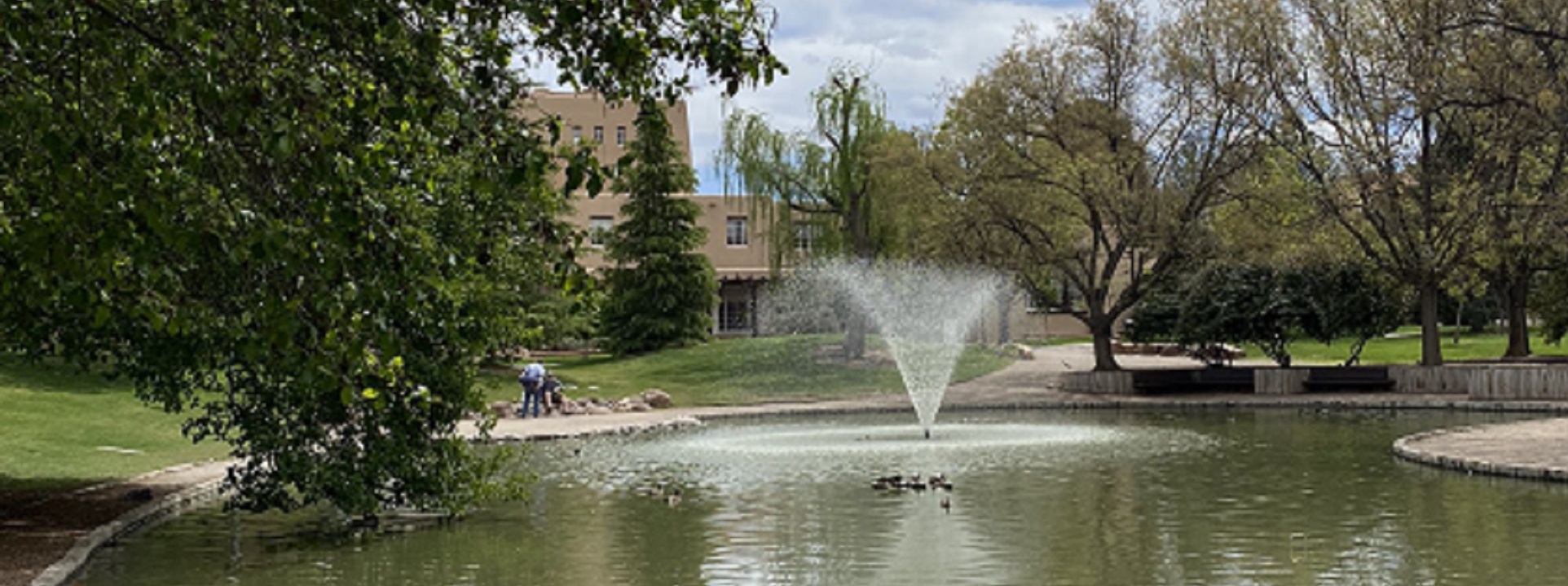
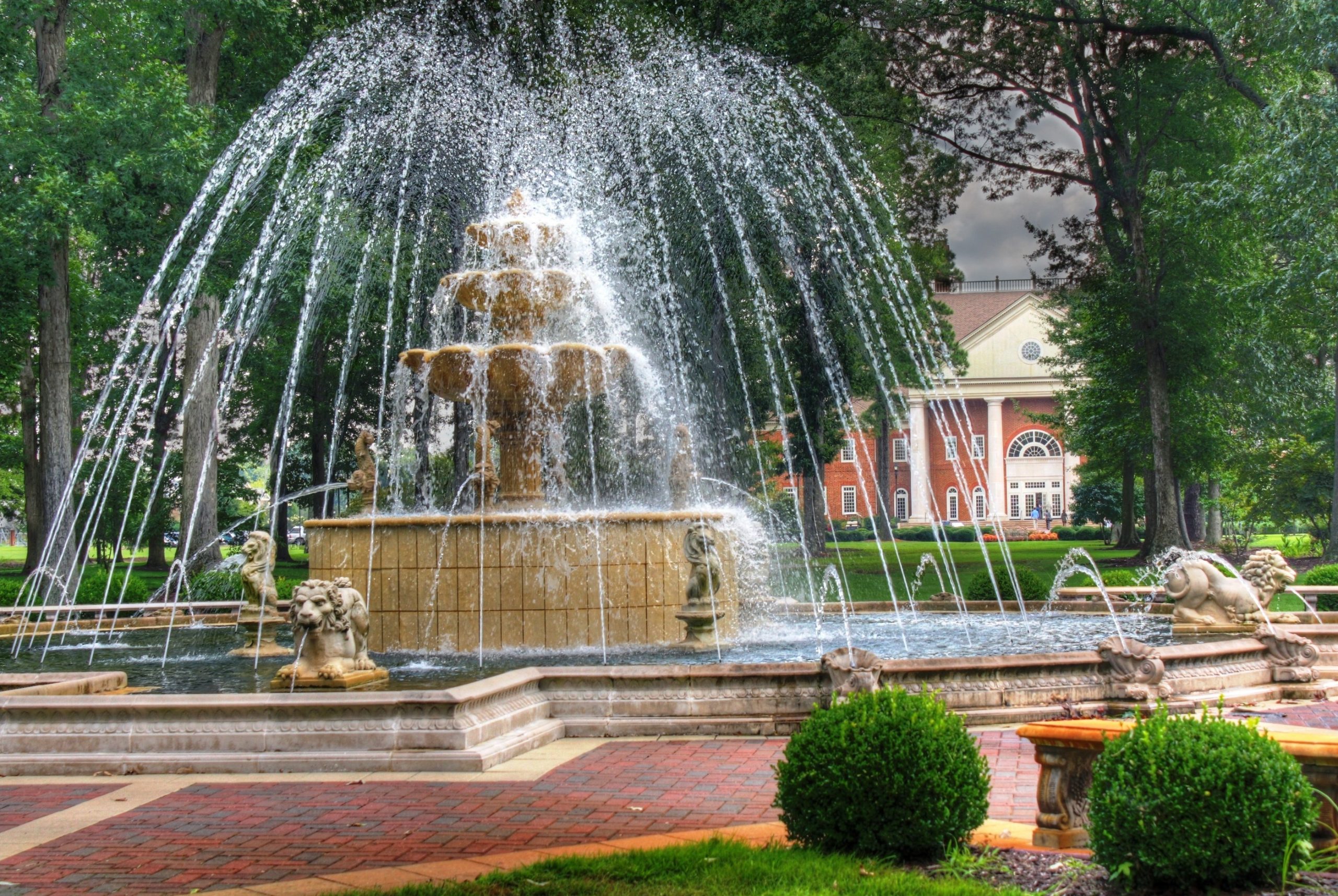
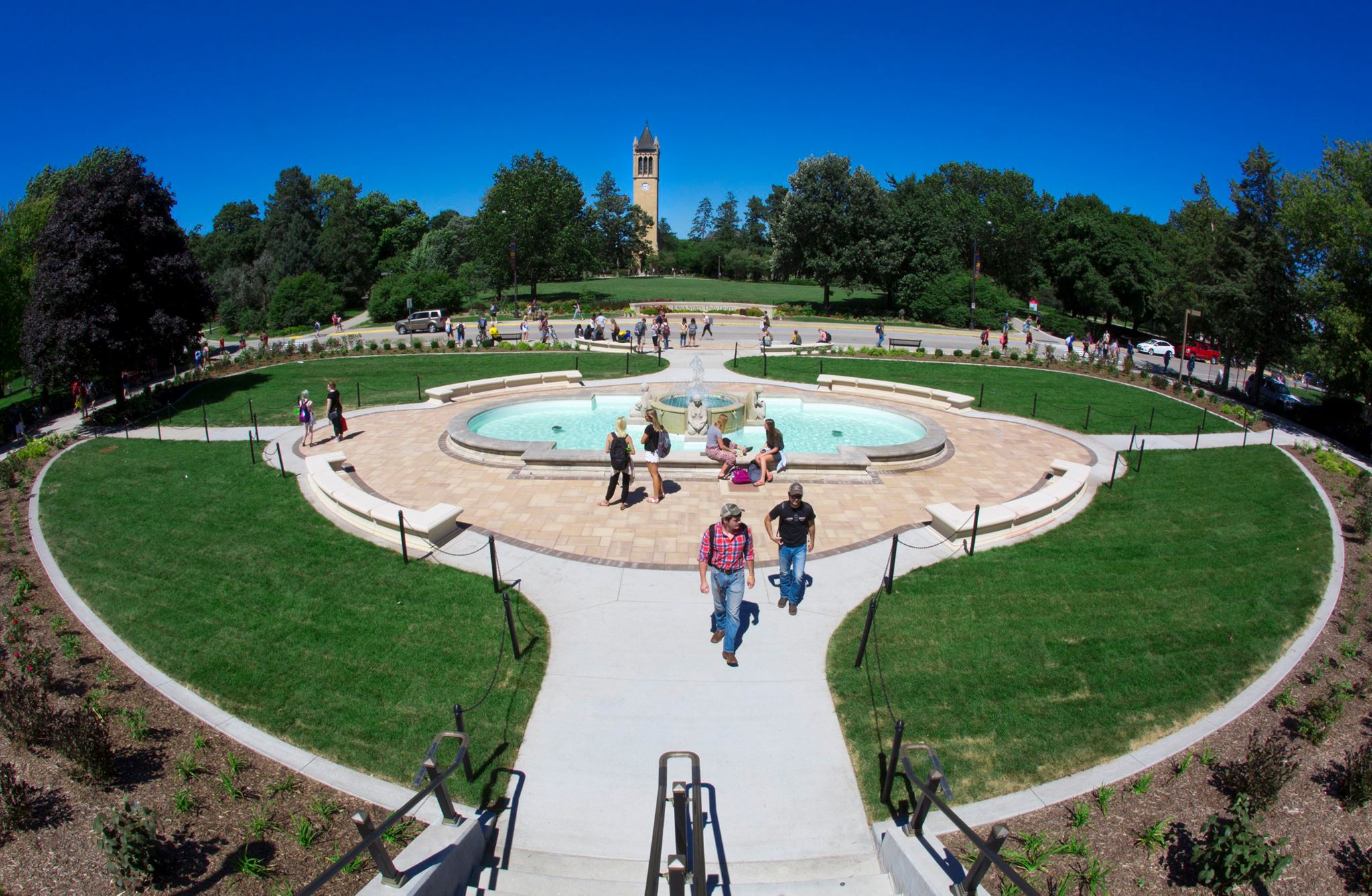
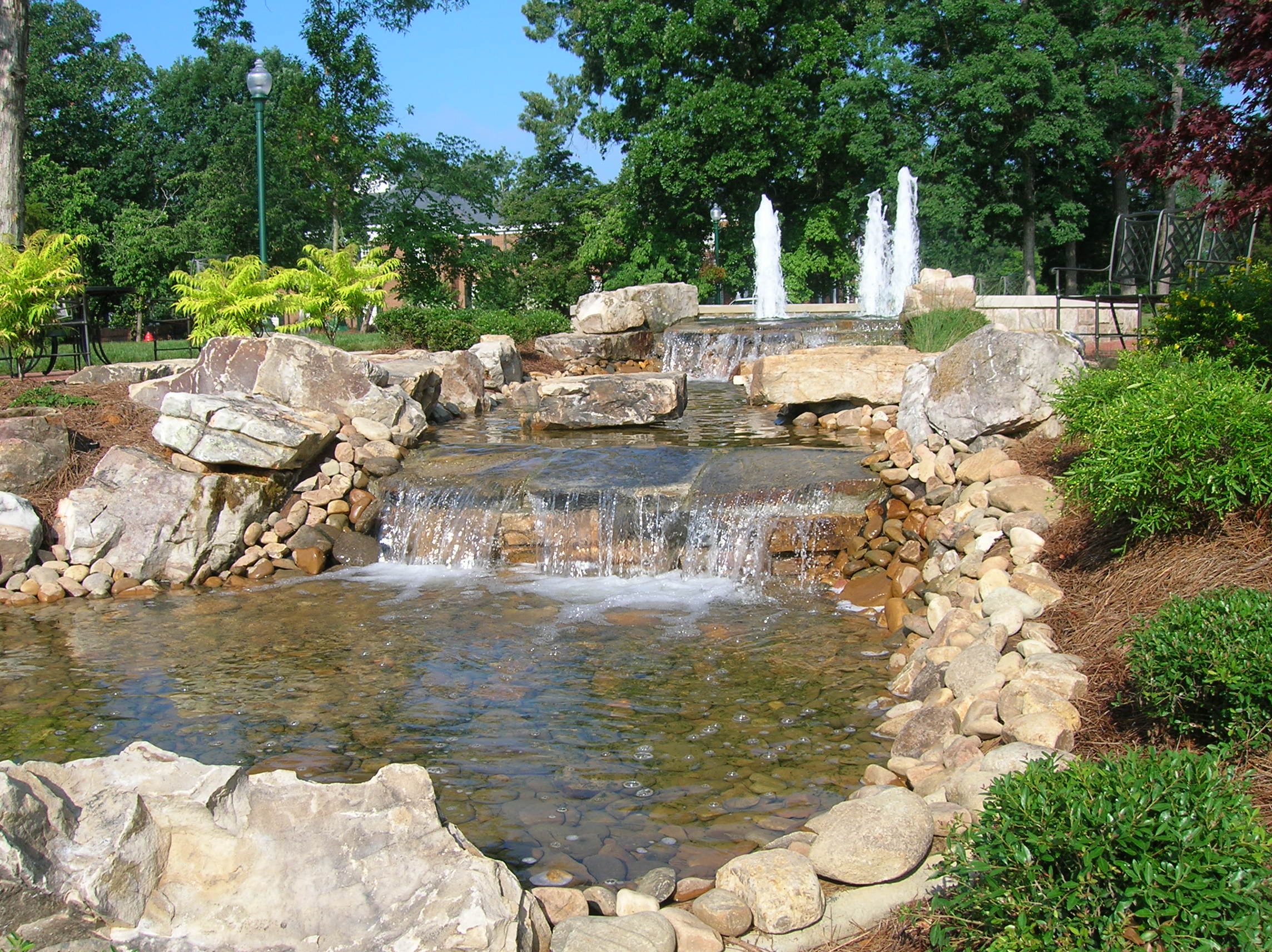
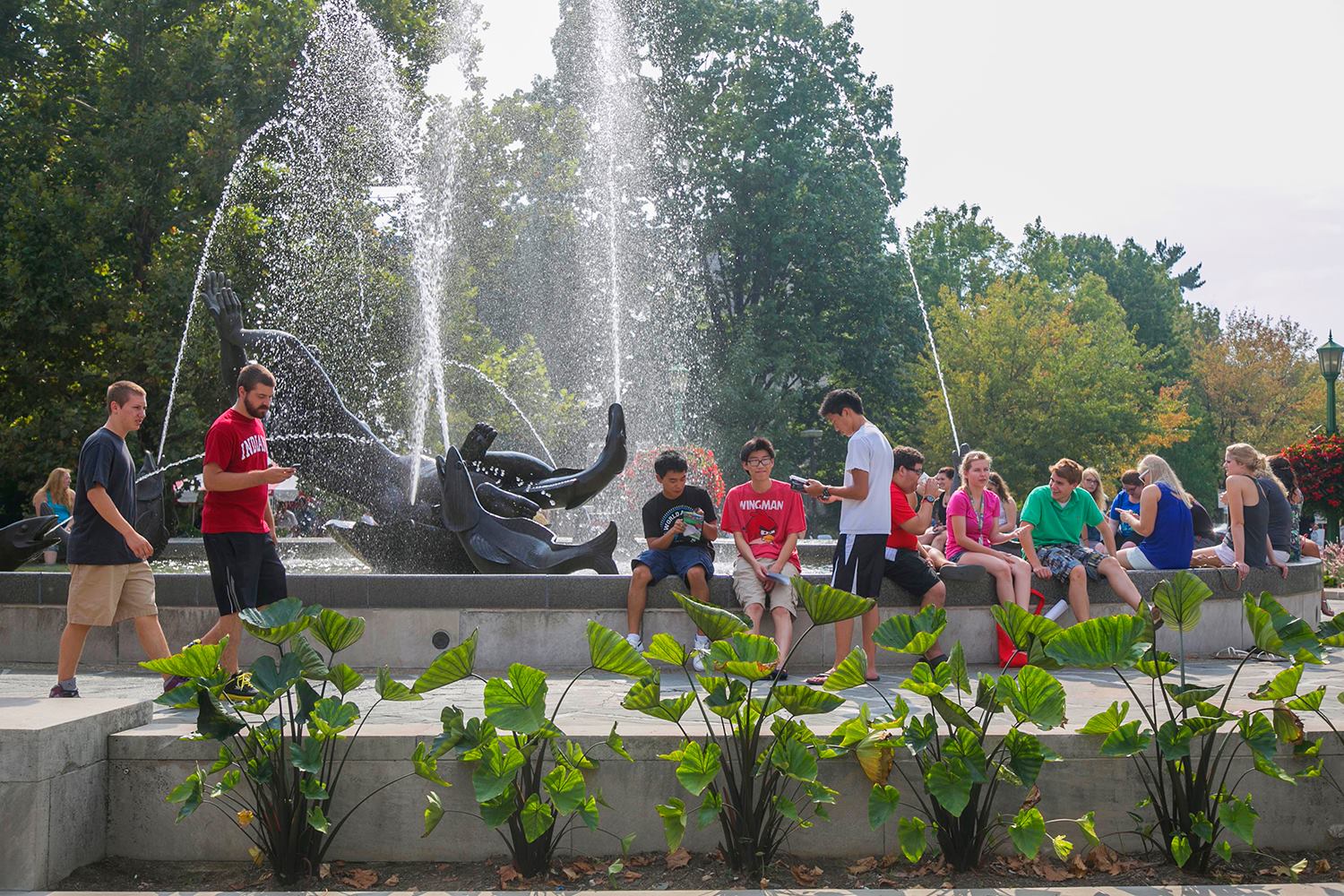
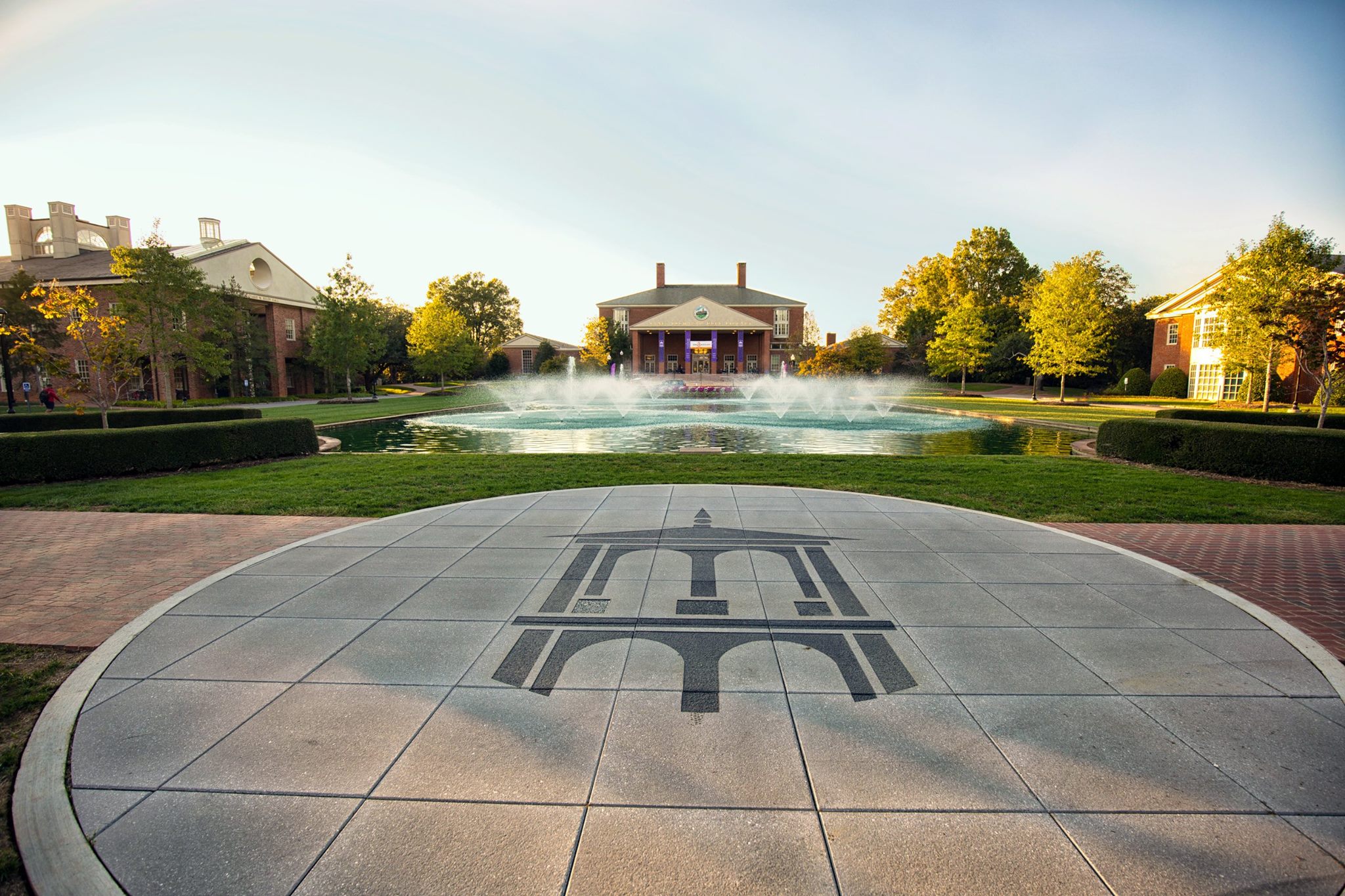
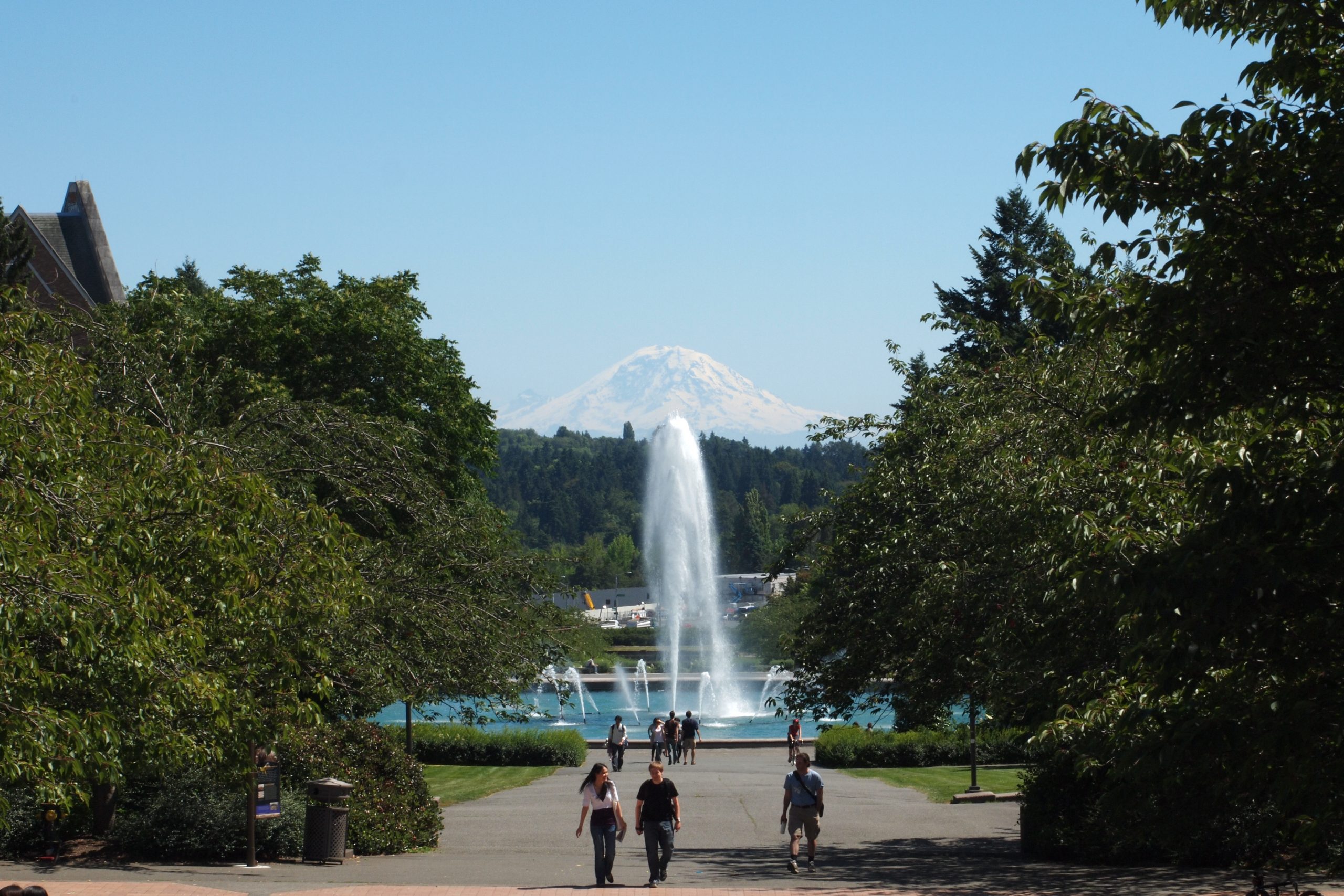
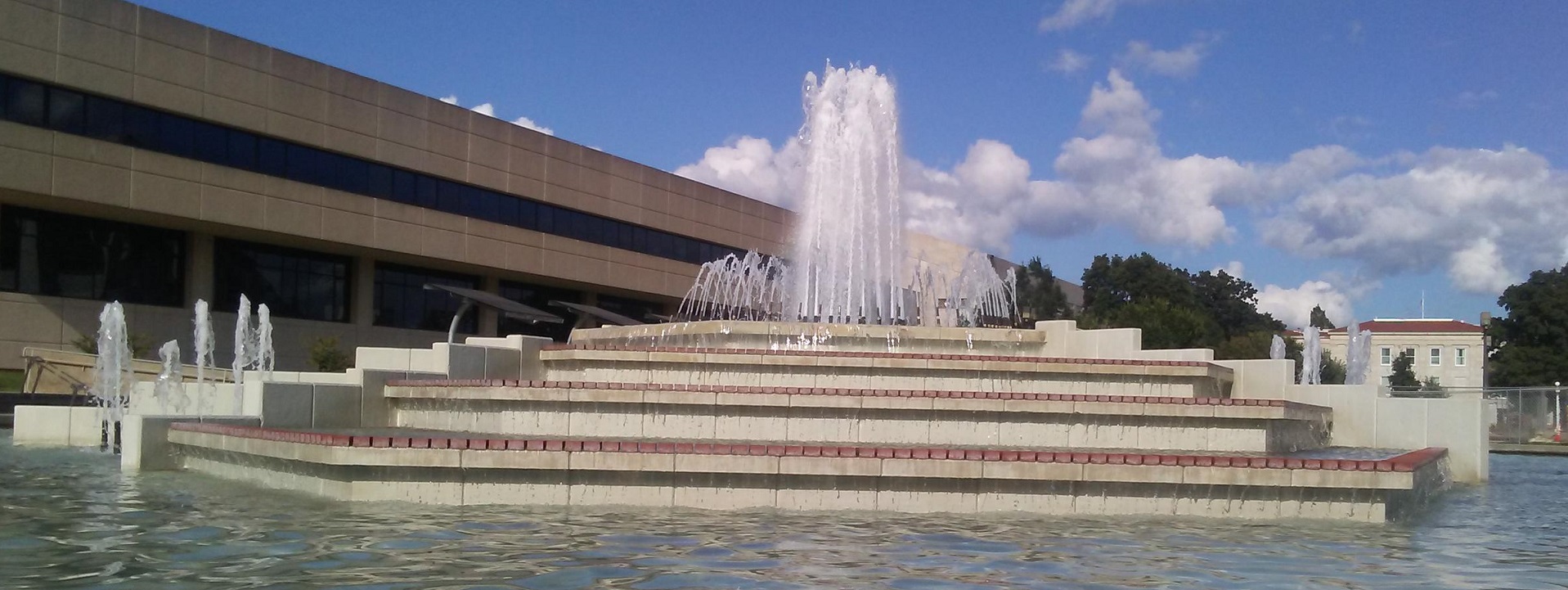
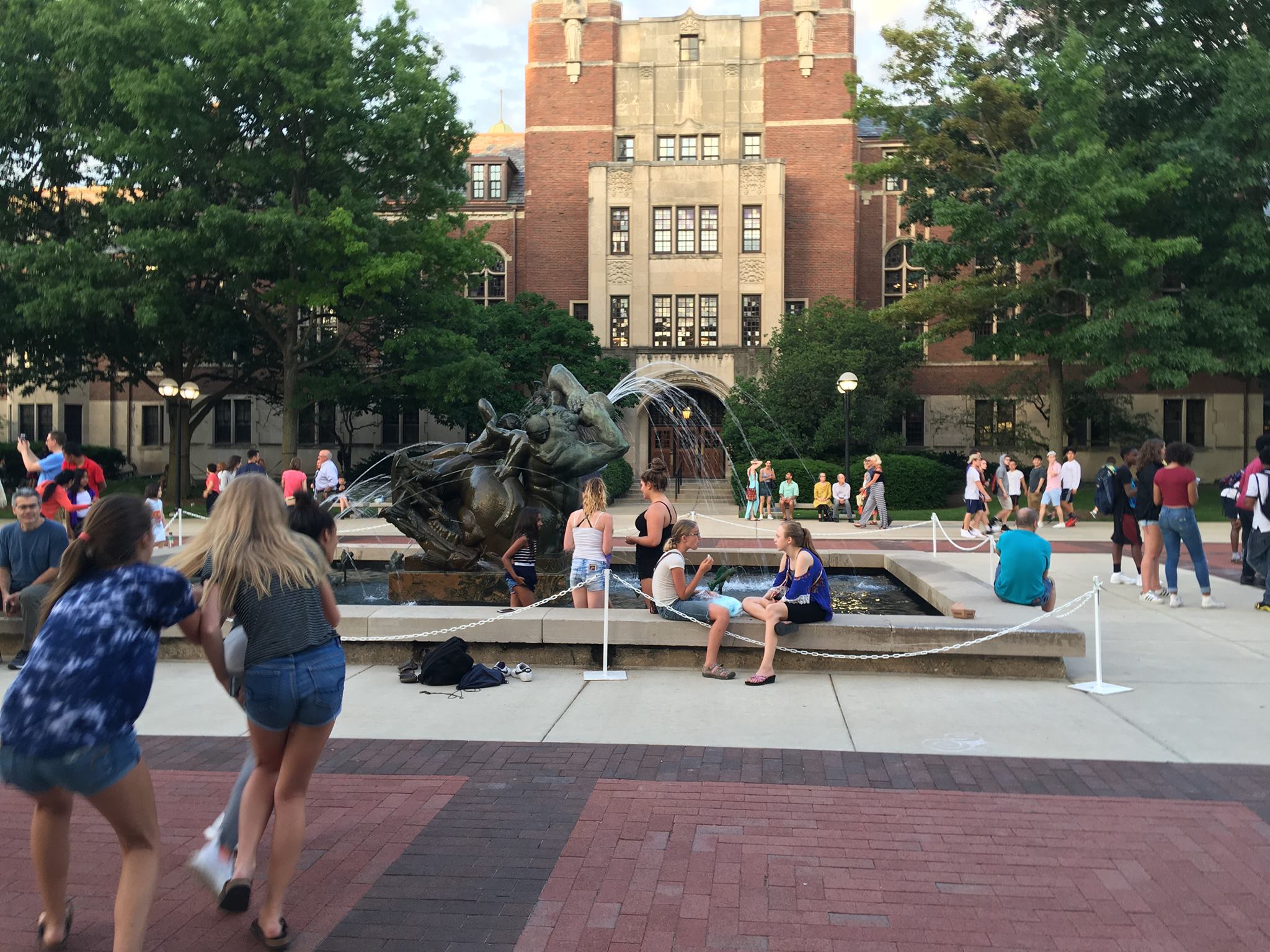
Water fountains enhance campus outdoor settings by creating serene, inviting spaces that promote relaxation and social interaction. Their gentle sounds of flowing water reduce stress, mask noise, and foster a calming atmosphere conducive to study or reflection.

Aesthetically, fountains serve as focal points, adding elegance and visual appeal to courtyards or green spaces. They attract students, faculty, and visitors, encouraging gatherings and community engagement. Environmentally, fountains can support local ecosystems by providing water for birds or plants.

Well-maintained, they symbolize a campus’s commitment to beauty and sustainability, enriching the outdoor experience and enhancing the overall campus ambiance.

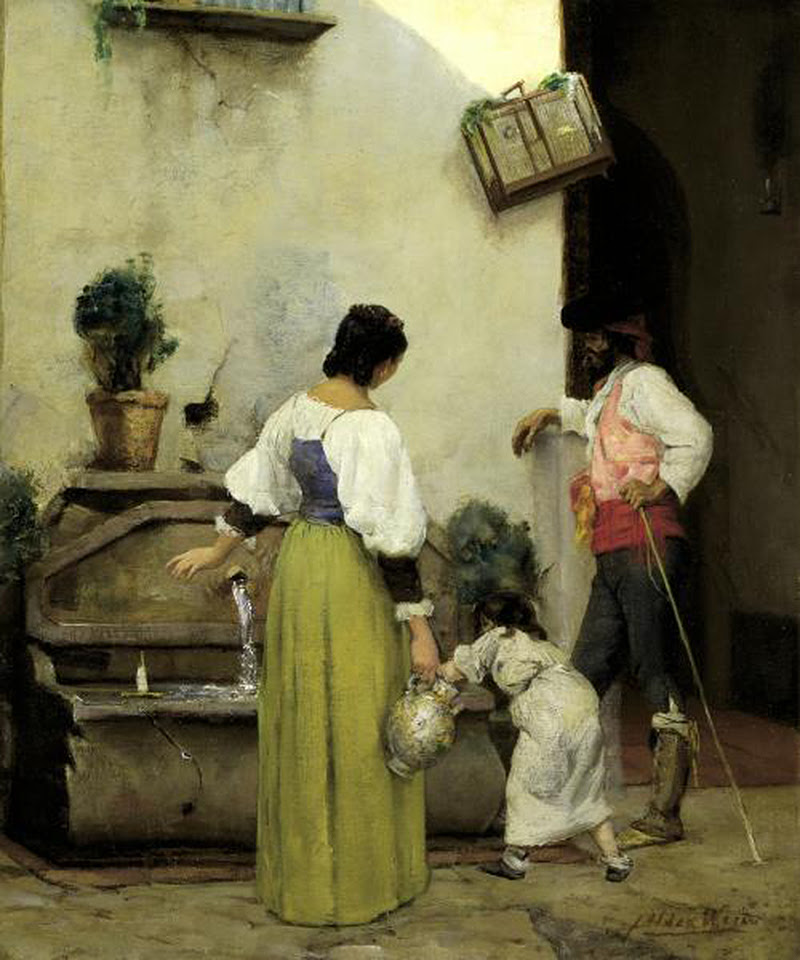
“At the Water Trough” 1876 J. Alden Weir

Indiana State University

Ithaca College

Harvard University

Lunds Universitet

University of Louisville Kentucky

Florida Southern College

University of Massachusetts Amherst

Michigan State University

University of Albany

Florida State University

Eastern Kentucky University

University of Texas Austin

Mineral Area College Missouri

Henry Ford College

California Institute of Technology

Ludwig-Maximilians-Universität München

University of New Mexico

Regent University

Iowa State University

Berry College

Indiana University

University of Southern California

Furman University

University of Washington

Western Michigan University

Missouri State University

University of Michigan

Water 100

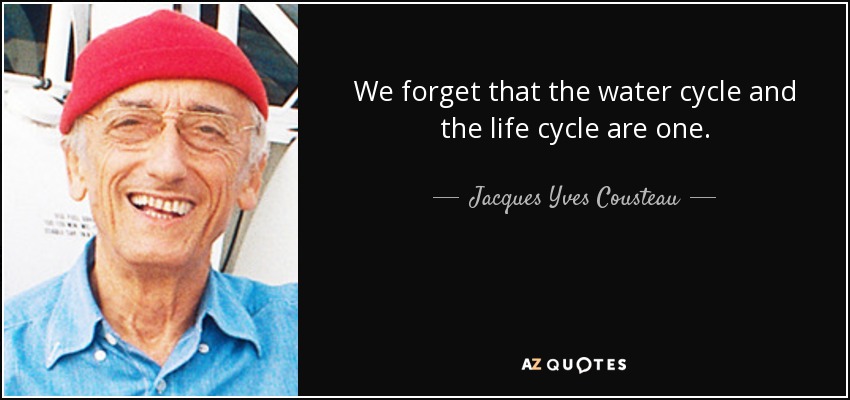
We forget that the water cycle and the life cycle are one. - Jacques Yves Cousteau

Landscaping and Grounds

Best Practice Guidelines | Western Michigan

MIOSHA Fact Sheet: Youth Worker Safety Landscape and Horticulture Services Industry

Gingerbread Latte

Landscape & Horticulture Services

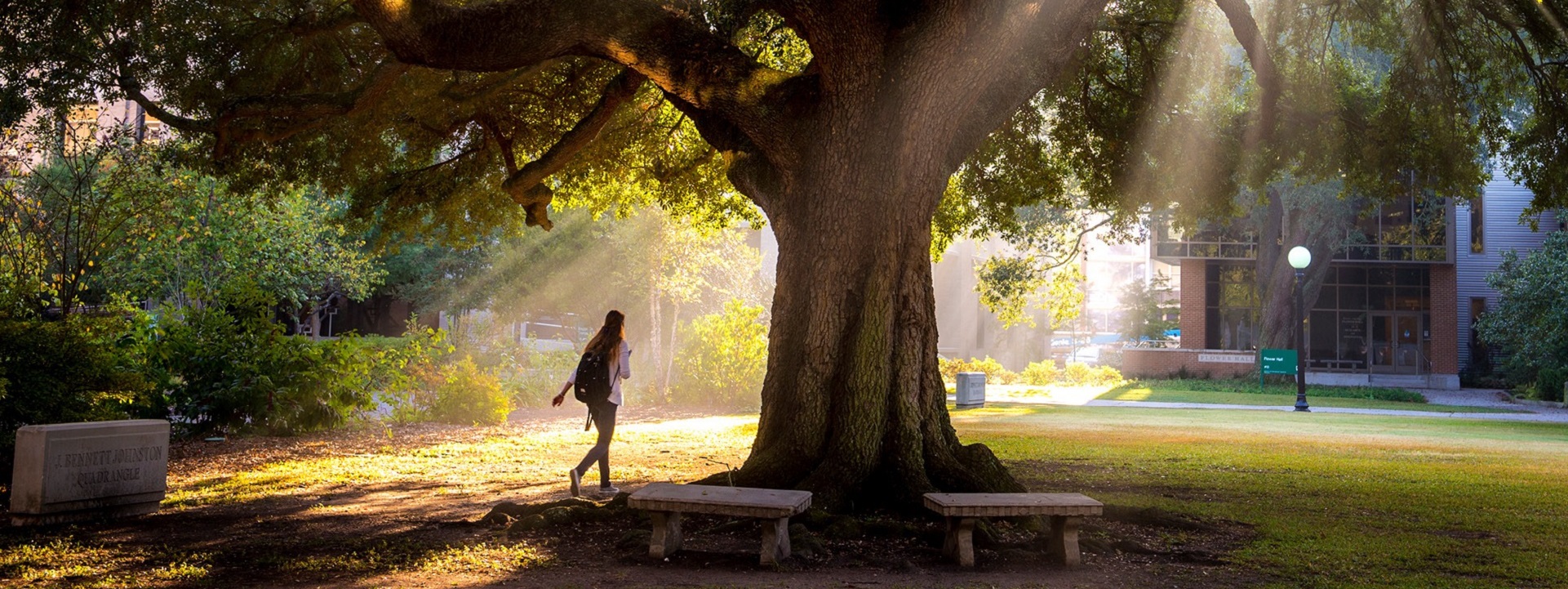
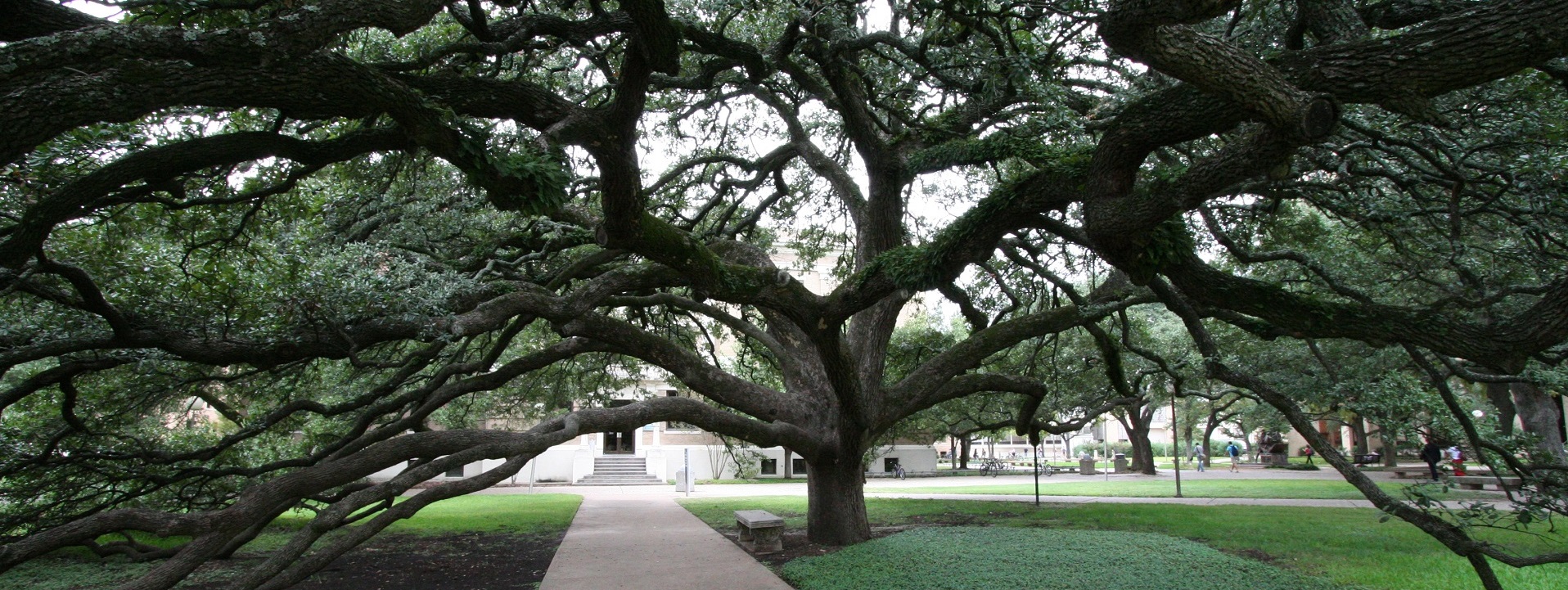
“Century Tree Texas A&M University” Haley Herrera

Federal regulations that apply to the landscaping of education communities are fairly stable; though land use issues tend to be capricious.  Some federal regulations deal with fair trade in the purchase of landscaping materials; others deal with chemical safety; still others deal with personal protective equipment for works.

The federal government recognizes three major segments of this industry:

Landscape Design and Consultation

Landscape Installation and Maintenance

Tree Pruning and Arboriculture

For worker safety we consult the Occupational Safety and Health Administration home page:

Landscaping and Horticultural Services

From time to time we find Notices and Proposed Regulations — or notices of state-level adaptations of federal regulations —  whistling across our radar.  When they are meaningful and contribute to lower cost we will post the commenting opportunity.

The following voluntary American National Standards Institute (ANSI) titles may be applicable to the landscaping and horticultural units in education communities. Compliance with ANSI standards does not ensure compliance with OSHA policy, although the requirements of some ANSI standards have been adopted within OSHA standards. This list is provided for reference use only.

  • A10.14, Requirements for Safety belts, Harnesses, Lanyards, Lifelines, and Drop Lines for Constructional and Industrial Use
  • A14.1, Ladders – Portable Wood – Safety Requirements
  • A14.2, Ladders – Portable Metal – Safety Requirements
  • A14.5, Stepladders and Platform Ladders, Aluminum Magnesium, Fiberglass Ladders
  • A92.2, Vehicle-Mounted Elevating and Rotating Aerial Devices
  • A300, Tree Care Operations – Tree, Shrub and Other Woody Plant Maintenance – Standard Practices
  • B30.5, Mobile and Locomotive Truck Cranes
  • B71.1, Powered Lawn Mowers and Garden Tractors
  • B71.3, Snow Throwers
  • B71.4, Commercial Turf Type Equipment
  • B71.6, Shredders and Grinders
  • B71.8, Tillers
  • B175.1, Gasoline Powered Chain Saws, Safety Requirements
  • B175.2, Blowers
  • B175.3, Trimmers and Brushcutters
  • Z41, Protective Footgear Requirements
  • Z87.1, Occupational and Educational Eye and Face Protection Devices
  • Z89.1, Personnel Protection – Protective Headgear for Industrial Workers – Requirements
  • Z133.1, Arboricultural Operations Safety
  • Z308.1, Minimum Requirements for Workplace First Aid Kits
  • Z359.1, Safety Requirements for Personal Fall Arrest Systems, Subsystems, and Components

"Sometimes you will never know the value of a moment, until it becomes a memory" - Dr. Seuss"Wherever you go becomes a part of you somehow" - Anita Desai“It is spring again. The earth is like a child that knows poems by heart” ― Rainer Maria Rilke

We maintain all related best practice literature on the standing agenda of our periodic Bucolia teleconferences during which time we sort through proposed regulations, organize a response to them.  War stories always welcomed.  Stories about successes even more welcomed.  See our CALENDAR for the next online meeting.

Workspace / OSHA

Readings / Frederick Law Olmsted

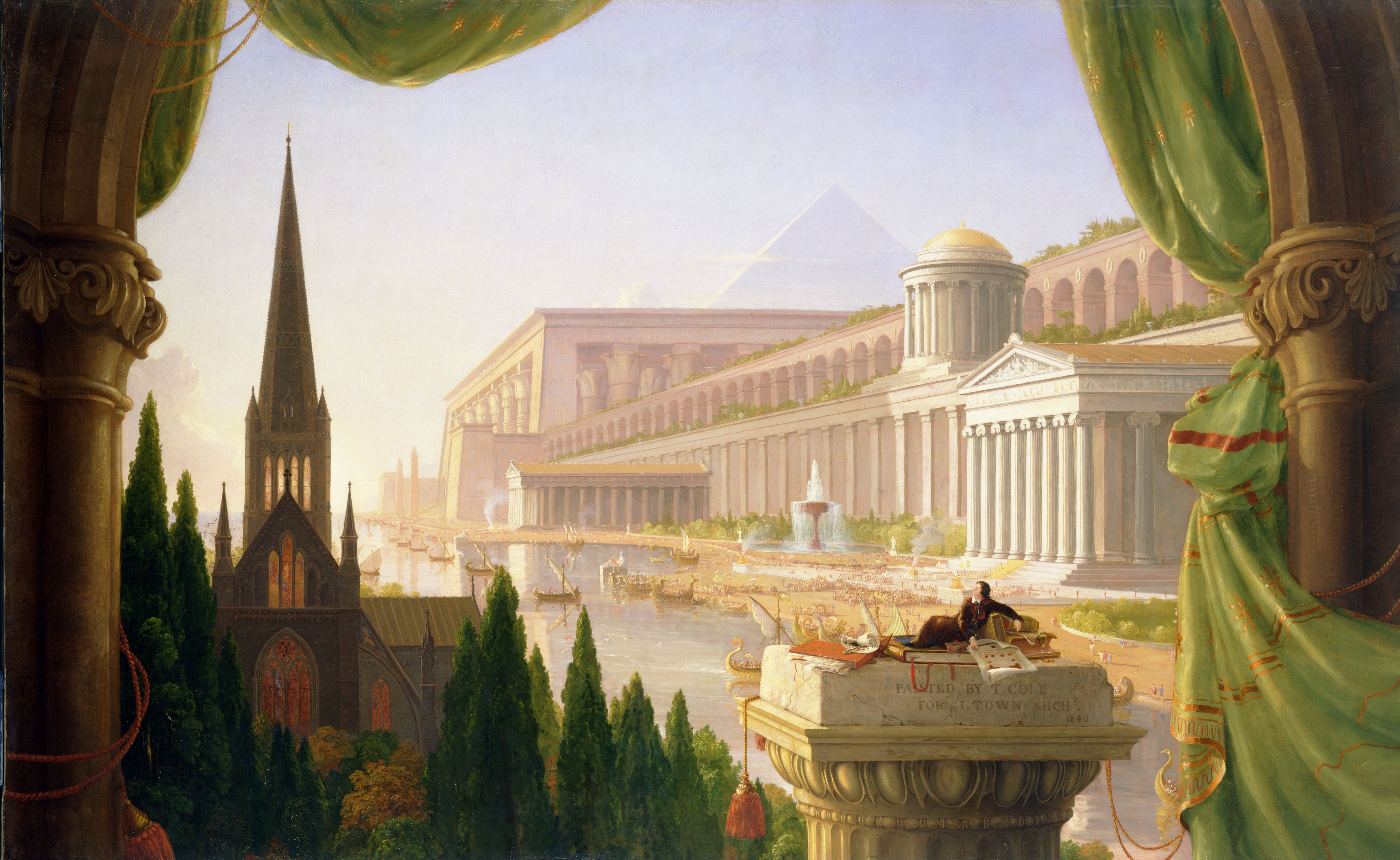
“Architect’s Dream” 1840 Thomas Cole

National Park Service: College and School Campuses

The large number of entries in the category of school campuses, which encompasses locations in many places in the United States and Canada, testifies to the importance of educational clients to the success of the Olmsted firm. It also reflects the ever-increasing importance that education came to occupy in American life after the Civil War. Frederick Law Olmsted was of a generation of social thinkers who gave credence to the notion that the physical environment of learning- buildings and grounds- played a significant role in the success of education. Olmsted had planned campuses for the new universities, notably Cornell University and Stanford University; his successors carried on and expanded this sphere of landscape architecture. The names of many well-known colleges and universities, such as Wellesley College, Johns Hopkins University and Princeton University, highlight the list of commissions from institutions of higher education. Together with many private and public universities, the Master List includes public elementary schools and secondary schools, religious and private schools, private preparatory schools, normal schools, liberal arts colleges, women’s colleges, and agricultural colleges. The bulk of the projects in this category date from the first three decades of the twentieth century, the time during which John Charles Olmsted and Frederick Law Olmsted Jr. guided the firm.

As is the case in other thematic project categories, many of the school campus projects have a job number but this Master List shows no associated plans. This does not necessarily mean the firm did not take on design work for these clients. For example, Gallaudet College (the present Gallaudet University) in Washington, D.C., was an important Olmsted project. Researchers are also advised to consult the thematic category of Ground of Residential Institutions, which includes some educational clients.

Text taken from The Master List, written by Francis R. Kowsky


More

Frederick Law Olmsted: The Passion of a Public Artist

University Planning and Architecture: The search for perfection

Beyond Central Park: Three Idyllic Landscapes by Frederick Law Olmsted


Nursery Stock

“Children in the Garden” 1892 Gładysław Podkowiński

The purpose of the American Standard for Nursery Stock — ANSI Z60.1 — is to provide buyers and sellers of nursery stock with a common terminology in order to facilitate transactions involving nursery stock.  This standards establishes common techniques for

(a) measuring plants,

(b) specifying and stating the size of plants,

(c) determining the proper relationship between height and caliper, or height and width, and

(d) determining whether a root ball or container is large enough for a particular size plant.

This document — prepared under a grant to ANSI by AmericanHort — is a communication tool for the exchanges of products and services but does not provide buyers with any assurance of the health or quality of the nursery stock being specified or sold.  It does not cover labor resources.

The American Hort standards landing page is linked below:

American Nursery Stock Standards

CLICK HERE for the current edition of ANSI Z60.1 2014

The 2014 revision should be entering another revision cycle though the pandemic has slowed standards setting among many non-profits.  We encourage front-line staff to participate directly in the American Hort standards setting enterprise.  CLICK HERE for contact information.

We sweep through the status of best practice literature for anything related to exterior assets in education communities during our Bucolia colloquium.   See our CALENDAR for the next online meeting; open to everyone.

Issue: [18-160]

Category:  Bucolia, Pathways


IoT Enabled Smart Gardening

Layout mode
Predefined Skins
Custom Colors
Choose your skin color
Patterns Background
Images Background
Standards Michigan
error: Content is protected !!
Skip to content