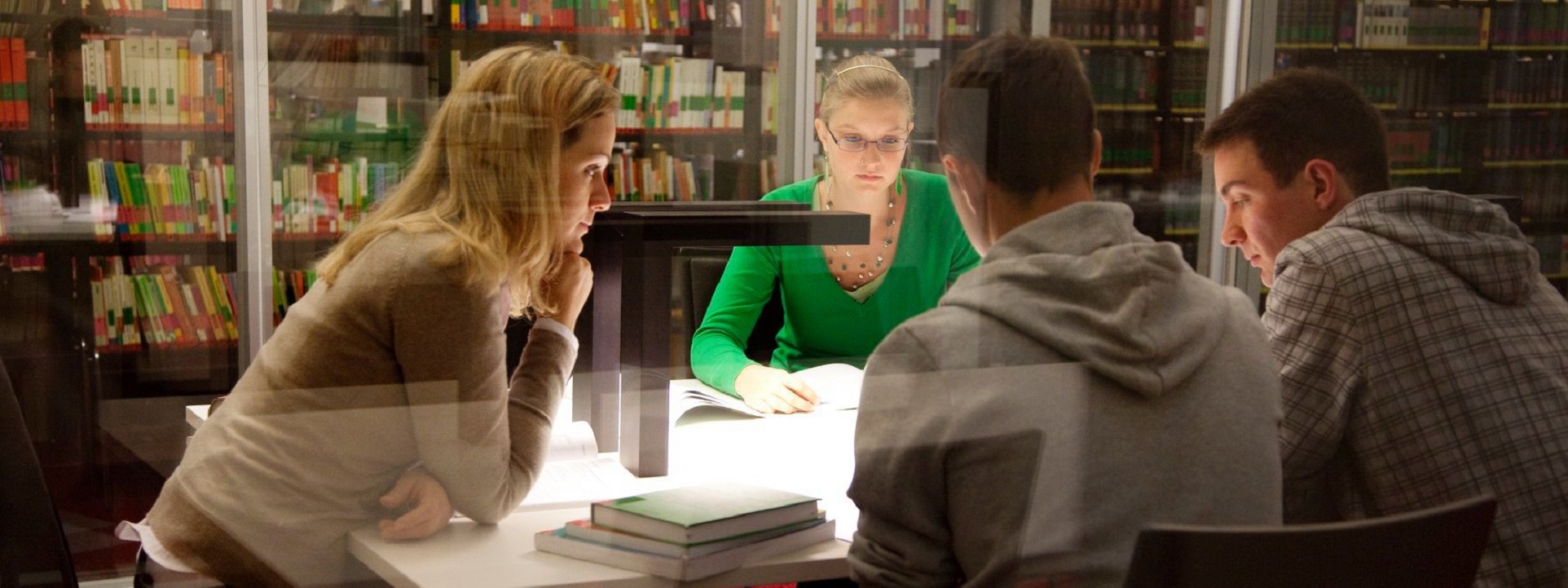
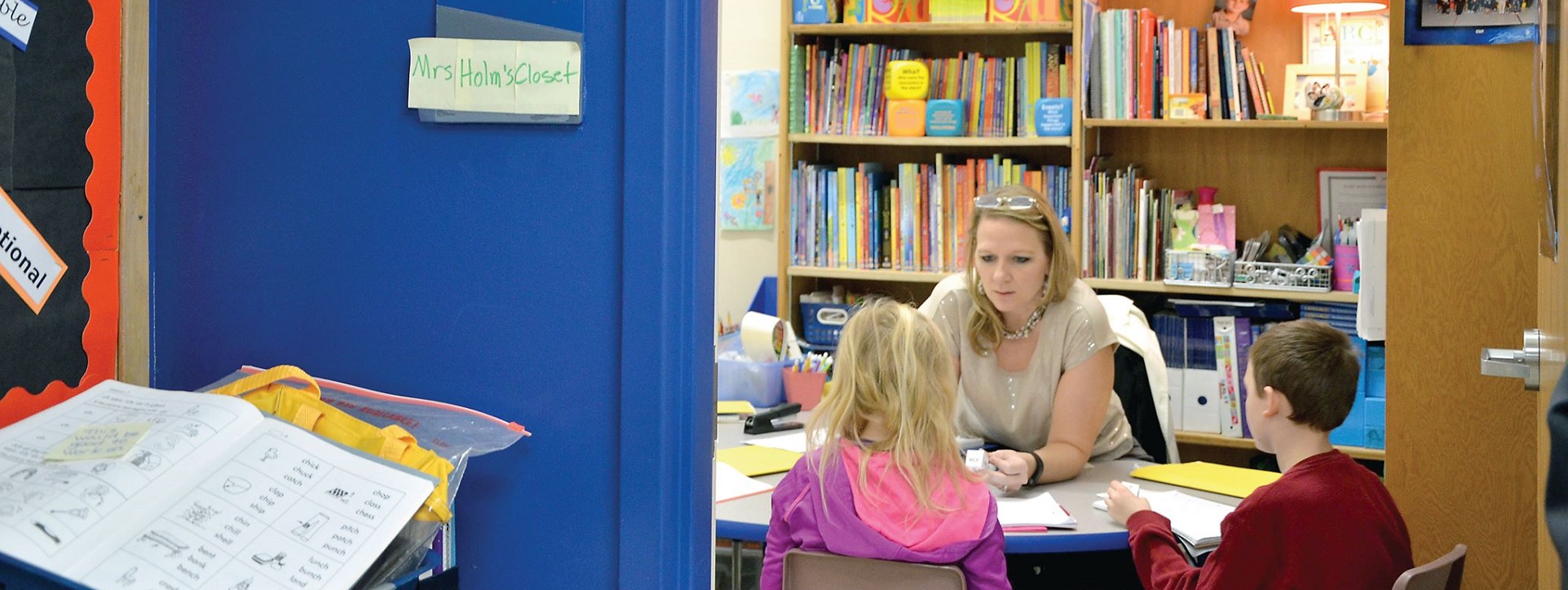
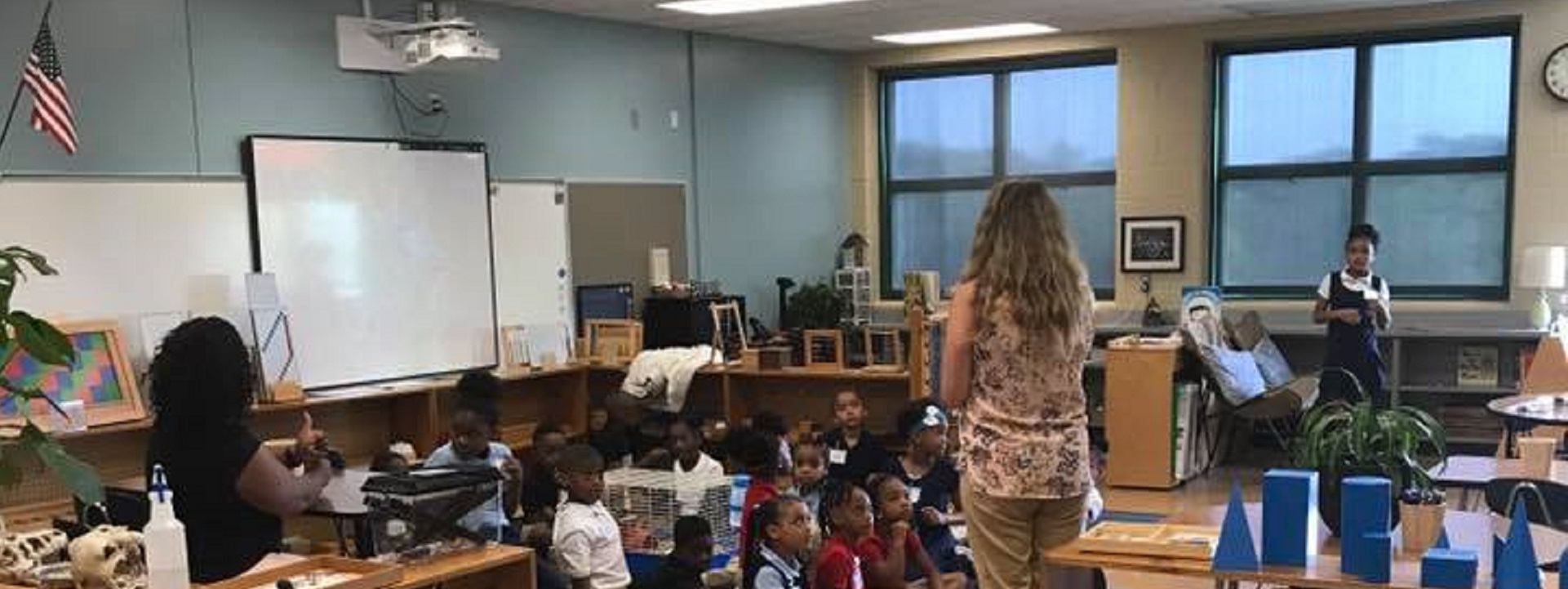
First week of classes and it’s good to see our common room blackboards covered in math again! Welcome home to all our mathematicians! #harvardmathpic.twitter.com/Jm7OauGA6r
— Harvard Department of Mathematics (@HarvardMath) September 3, 2025
The central element in any educational space is the writing board; sometimes a “blackboard”, “chalkboard” or a “dry-erase board” — all used for teaching. During today’s session we survey the product and the installation standards with special attention to optics, illumination, mounting heights and distances.
EN 14434: Writing boards for educational institutions.The primary European standard specifically for school whiteboards and chalkboards. Covers safety requirements (no sharp edges, stable frames, non-toxic surfaces), magnetic performance, writability/erasure, durability, fire resistance, and hygiene (easy-to-clean surfaces).
§
ASTM F2957-13 (2021): Standard Specification for Whiteboards.American standard for dry-erase whiteboards. Defines requirements for surface gloss, erasability, stain resistance, scratch resistance, and color fastness.
§
Some state level procurement and installation standards — Kansas and Connecticut, for example — are de facto standards for visibility, accessibility and mounting hardware.
Use the login credentials at the upper right of our home page.
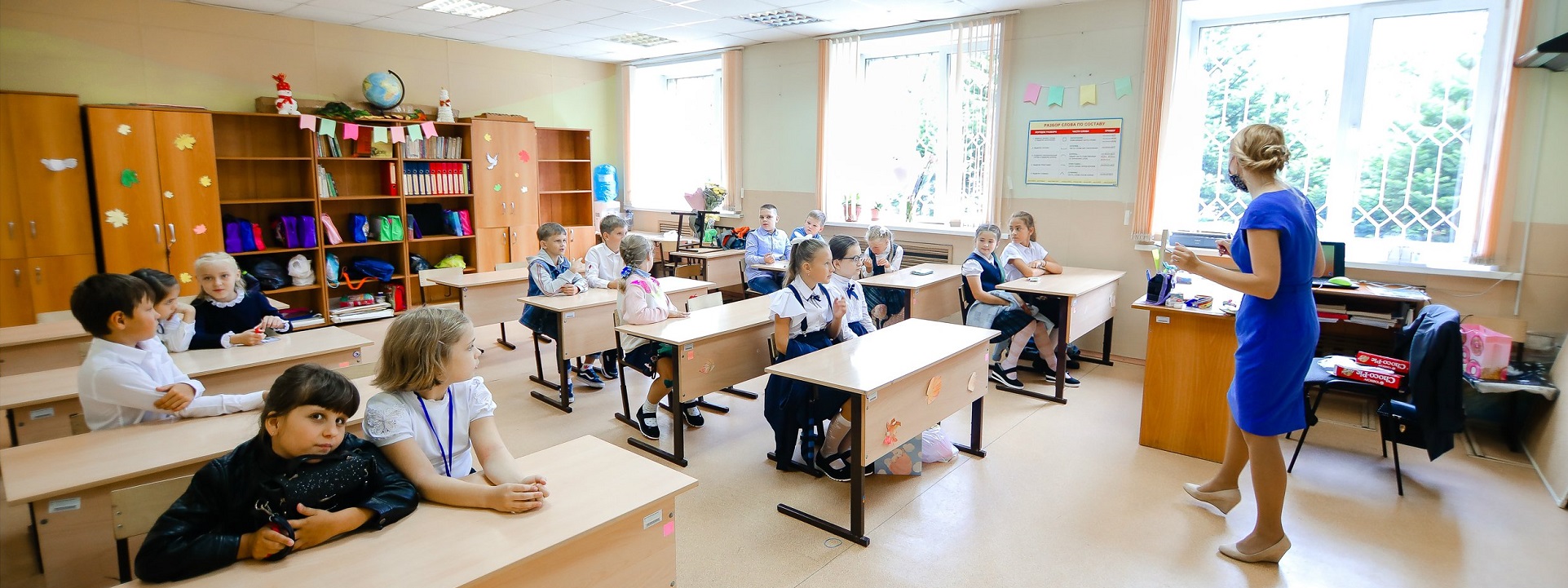
School stuff from reindeers to guest readers. We’re having a blast in 2nd grade! 🫶🏼 pic.twitter.com/TnRaWXHRC0
Today we unpack the latest in codes, standards, guidelines, recommendations and safety legislation that set the standard of care for the design, manufacture and maintenance of interior fixtures such as carpet, furniture, bookshelves and ceiling tiles, plumbing fixtures — a large part of what construction industry professionals find in CSIGroup MasterFormat Division 12 — Furnishings. — i.e. “Things that are not nailed down” Such things can elude infrastructure budgets that are dominated by real assets fixed in place.
Other accredited standards developers in this domain:
In large research universities, it is common for building service personnel engaged in keeping facilities clean and tidy to constitute the largest proportion of permanent employees.
Modular furniture systems with integral power and telecommunication fittings require attention to power and digital pathways. “Modular systems furniture” is a generic term for bundles of panels, worksurfaces, shelves, and other items sold by a single manufacturer as a package for furnishing offices. The modular furniture system environment is characterized by close proximity to electrical energy. Where there is electrical energy there are concerns for shock and fire safety.
Fire safety considerations appear in NFPA 70 National Electrical Code (NEC)– generally in Articles 210 (Branch Circuits), Article 220 (Branch Circuit, Feeder and Service Load Calculations) — and with more specific safety considerations appearing in Articles 604 (Manufactured Wiring Systems) and Article 605 (Office Furnishings). The current edition of the National Electrical Code is linked below:
Over the past 30-odd years modular furniture manufacturers have worked out a lot of the bugs in products; making it easier for furniture contractors to deliver a safer and more effective installation. What remains are site-specific conditions — such as lighting load, current draw of space heaters and personal air conditioners through the furniture power pathway — that must be reckoned with. A sample of other considerations:
Harmonic heating of the furniture pathway caused by non-linear, harmonic load
The risk of double-phasing when circuit breakers are joined with handle ties back at the panelboard and share a neutral
Any lighting equipment used with the partitions must have of properly sized cord no more than 9 ft long
Modularity in power tap cords (“whips’) between furniture raceways and the first gathering point
There are other safety and sustainability issues related to USB outlets, and data/voice outlets[2] that we will cover in another post and in our collaborations with IEEE SCC-18 and the IEEE Education & Healthcare Facilities Committee (IEEE E&H).
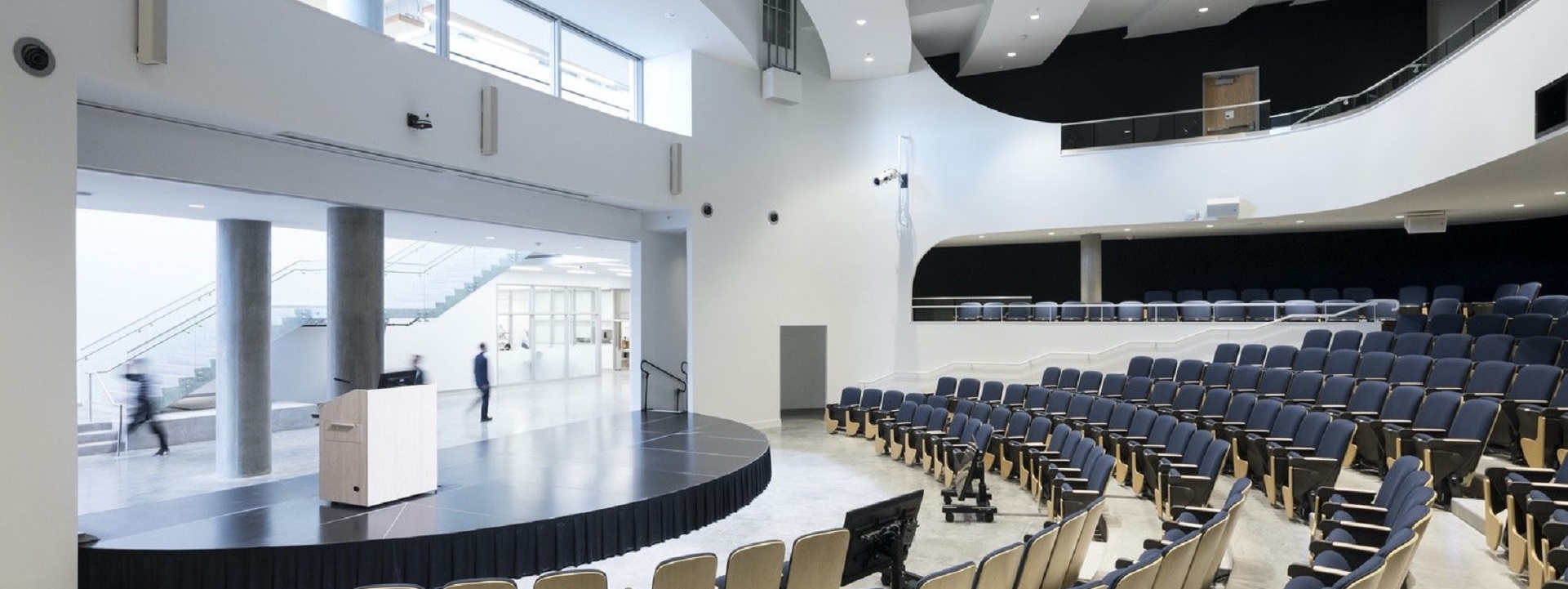
Seneca College / Toronto
We find office wiring a relatively lively “promontary” in safety and sustainability circles. The transcript of debate among interior wiring experts is always a good place to listen in on the technical discussion; linked below:
We find manufactured wiring concepts tracking that effects office occupancies for all industries. Market incumbents continue advocacy for more ground fault and tamper-resistant receptacles in day care and gymnasium.
A more significant debate tracks in Chapter 2 — related to office modular furniture wiring because electrical load calculations determine how designers specify branch circuits for all occupancy classifications present in education communities (which is nearly every occupancy type defined in the International Building Code):
,Standards Michigan, beginning with its inspiration in the original University of Michigan standards advocacy enterprises, has a long and storied engagement with Chapter 2 of the NEC covered here and also academic literature and also in research sponsored by NFPA’s Fire Protection Research Foundation.
We always encourage our workpoint experts in the thousands of electrical and telecommunication units in the education and healthcare facilities industry to participate directly in the NFPA Code Development process (CLICK HERE to join a committee).
Since both the National Electrical Code and the National Electrical Safety Code revision cycles are roughly coincident in 2021 we working on electrical power issues every day, collaborating with the IEEE E&H Committee. Online meetings are open to everyone.
Water is essential for sanitation and hygiene — and proper sanitation is essential for protecting water sources from contamination and ensuring access to safe drinking water. Access to safe water and sanitation is crucial for preventing the spread of waterborne diseases, which can be transmitted through contaminated water sources or poor sanitation practices. Lack of access to safe water and sanitation can lead to a range of health problems, including diarrheal diseases, cholera, typhoid, and hepatitis A.
On the other hand, poor sanitation practices, such as open defecation, can contaminate water sources, making them unsafe for drinking, bathing, or cooking. This contamination can lead to the spread of diseases and illness, particularly in developing countries where access to clean water and sanitation facilities may be limited.
We track the catalog of the following ANSI accredited standards developers that necessarily require mastery of building premise water systems:
American Society of Heating, Refrigerating and Air-Conditioning Engineers: ASHRAE develops standards related to heating, ventilation, air conditioning, refrigeration systems — and more recently, standards that claim jurisdiction over building sites.
American Society of Mechanical Engineers: ASME develops standards related to boilers, pressure vessels, and piping systems.
American Water Works Association: AWWA is a standards development organization that publishes a wide range of standards related to water supply, treatment, distribution, and storage.
ASTM International: ASTM develops and publishes voluntary consensus standards for various industries, including water-related standards. They cover topics such as water quality, water sampling, and water treatment.
National Fire Protection Association: NFPA develops fire safety standards, and some of their standards are related to water, such as those covering fire sprinkler systems and water supplies for firefighting within and outside buildings. We deal with the specific problems of sprinkler water system safety during our Prometheus colloquia.
National Sanitation Foundation International (NSF International): NSF International develops standards and conducts testing and certification for various products related to public health and safety, including standards for water treatment systems and products.
Underwriters Laboratories (UL): UL is a safety consulting and certification company that develops standards for various industries. They have standards related to water treatment systems, plumbing products, and fire protection systems.
* The evolution of building interior water systems has undergone significant changes over time to meet the evolving needs of society. Initially, water systems were rudimentary, primarily consisting of manually operated pumps and gravity-fed distribution systems. Water was manually fetched from wells or nearby sources, and indoor plumbing was virtually nonexistent.
The Industrial Revolution brought advancements in plumbing technology. The introduction of pressurized water systems and cast-iron pipes allowed for the centralized distribution of water within buildings. Separate pipes for hot and cold water became common, enabling more convenient access to water for various purposes. Additionally, the development of flush toilets and sewage systems improved sanitation and hygiene standards.
In the mid-20th century, the advent of plastic pipes, such as PVC (polyvinyl chloride) and CPVC (chlorinated polyvinyl chloride), revolutionized plumbing systems. These pipes offered durability, flexibility, and ease of installation, allowing for faster and more cost-effective construction.
The latter part of the 20th century witnessed a growing focus on water conservation and environmental sustainability. Low-flow fixtures, such as toilets, faucets, and showerheads, were introduced to reduce water consumption without compromising functionality. Greywater recycling systems emerged, allowing the reuse of water from sinks, showers, and laundry for non-potable purposes like irrigation.
With the advancement of digital technology, smart water systems have emerged in recent years. These systems integrate sensors, meters, and automated controls to monitor and manage water usage, detect leaks, and optimize water distribution within buildings. Smart technologies provide real-time data, enabling better water management, energy efficiency, and cost savings.
The future of building interior water systems is likely to focus on further improving efficiency, sustainability, and water quality. Innovations may include enhanced water purification techniques, decentralized water treatment systems, and increased integration of smart technologies to create more intelligent and sustainable water systems.
The first mover in building interior water supply systems can be traced back to the ancient civilizations of Mesopotamia, Egypt, and the Indus Valley. However, one of the earliest known examples of sophisticated indoor plumbing systems can be attributed to the ancient Romans.
The Romans were pioneers in constructing elaborate water supply and distribution networks within their cities. They developed aqueducts to transport water from distant sources to urban centers, allowing for a centralized water supply. The water was then distributed through a network of lead or clay pipes to public fountains, baths, and private residences.
One notable example of Roman plumbing ingenuity is the city of Pompeii, which was buried by the eruption of Mount Vesuvius in 79 AD. The excavation of Pompeii revealed a well-preserved plumbing system that included indoor plumbing in some houses. These systems featured piped water, private bathrooms with flushing toilets, and even hot and cold water systems.
The Romans also invented the concept of the cloaca maxima, an ancient sewer system that collected and transported wastewater away from the city to nearby bodies of water. This early recognition of the importance of sanitation and wastewater management was a significant advancement in public health.
While the Romans were not the only ancient civilization to develop indoor plumbing systems, their engineering prowess and widespread implementation of water supply and sanitation infrastructure make them a key player in the history of building interior water systems.
Today at the usual hour we explore the literature, standards and codes that inform the design, construction, safety and sustainability of interior ceiling structures.
Educational classroom ceilings are shaped less by bold engineering and more by decades of accumulated institutional experience and unwritten tradition. Acoustics dominate: generations of teachers complained about echo and poor speech intelligibility, so by the 1950s–60s, suspended acoustic tile systems on metal grids became the default.
Case histories—fire tragedies like Our Lady of the Angels (1958) and later the Station nightclub fire—pushed strict flame-spread ratings, reinforcing mineral-fiber tiles and sprayed fireproofing on structure. Height settled around 9–10 ft (2.7–3 m) because pre-1970s HVAC systems needed plenum space above grids, and higher ceilings raised heating costs during the 1973 oil crisis; those budget lessons stuck.
Daylight and glare studies from the 1990s onward encouraged flat, matte white surfaces to diffuse light without hot spots. Modern codes merely codify what thousands of past classrooms already “already worked”: quiet, fire-safe, affordable, and bright enough. Tradition, filtered through decades of trial, error, and budget sign-offs, quietly dictates the design more than any single regulation.
Use the login credentials at the upper right of our home page.
Donegan Acoustics | Ireland
In the United States, where the International Building Code (IBC) or its variants sets the standard, ceiling heights for habitable spaces and corridors—this includes most square footage in educational facilities—can be no lower than 7 feet 6 inches (2.29 m). Basements and non-habitable spaces may be as low as 7 feet 0 inches.
There is no single nationwide building code that directly mandates a specific maximum or minimum height for an auditorium, however. The allowable height of an auditorium (measured as floor-to-ceiling height or story height) is determined by a combination of the adopted model building code and fire code in that jurisdiction, along with the building’s occupancy classification, construction type, sprinkler protection, and sometimes egress/accessible means of egress requirements.
Chapter 8 of the International Building Code contains the performance requirements for controlling fire growth and smoke propagation within buildings by restricting interior finish and decorative materials. A great deal of interior square footage presents fire hazard; even bulletin boards and decorations; as a simple web search will reveal. We are respectful of the competing requirements of safety and ambience and try to assist in a reconciliation of these two objectives.
Free access to the current edition of the relevant section is linked below:
The public input period of the Group A Codes — which includes the International Fire Code; which contains parent requirements for this chapter — closed in July 2nd. Search on the word “interior”, or “school” or “classroom “in the document linked below for a sample of the ideas in play.
Most of the ICC bibliography lies at the foundation of the safety and sustainability agenda of education communities everywhere so we follow development continuously; setting priorities according to our resources. We keep the issues in this chapter on the standing agenda of our Interiors colloquium. See our CALENDAR for the next online meeting; open to everyone.
We are observers in the development of a new ANSI accredited electronic equipment recycling standard produced with the leadership of NSF International; a Michigan-based standards developer (founded at the University of Michigan) not far from our own offices and one of the largest in the world.
The electronic recycling space is growing quickly — reaching far upstream the value chain into how electronic equipment is designed in the first place. An overview of the project is available in the link below:
This standard moved swiftly to market under NSF International’s continuous maintenance process. We bring it to the attention of the education facilities industry as a recommendation for lowering #TotalCostofOwnership. Participation as a User interest in American national standards development reduces “wheel reinvention” in which many recycling workgroups unnecessarily start from scratch, eliminates the need to attend costly workshops hosted by trade associations and significantly minimizes destructive competition.
This title is on the standing agenda of our Redivivus colloquium. Since our interest lies primarily with electrotechnology we collaborate with the IEEE Standards Association. See our CALENDAR for the next online meeting; open to everyone.
The National Floor Safety Institute is steward to a comprehensive bibliography of best practice literature. Floor safety is a risk that receives heightened consideration in education facilities in the snowy parts of the world this time of year. Its complete suite is listed in the link below:
Application: The requirements of this standard pertain to the safe usage and applications, design, construction, and quality criteria of floor mats and runners.
Purpose: This standard is directed to eliminating slip, trip and fall hazards including but not limited to soil, moisture, contaminant removal, edge treatments and the improper use of floor mats and runners.
Education communities have a larger-than-average openings to the exterior — and they are large targets for lawsuits — so we keep an eye on this title.
At the moment, an examination of the technical committee roster for this title indicates that there are no voting members from the education industry; the largest non-residential building construction market in the United States. While Murray State University has subject matter experts recognized by NFSI (See YouTube link below) there is no user/owner/final fiduciary on the committee. Keep in mind that that in many education organizations — particularly large research universities — the compliance and insurance (risk management) interest is the only stakeholder that has the funding to participate. Compliance and risk management interests may be at odds with the interest of the user/owner/final fiduciary in individual units (explained in more detail in our ABOUT)
NSFI alerts the public to live consultation opportunities on the link to its standards landing page above. Today we find only closed consultations on its News & Events page. You are encouraged to collaborate directly with NFSI. Contact Laura Cooper for more information at laurac@nfsi.org.
We keep the NFSI standards suite on the standing agenda of our Interiors colloquia. See our CALENDAR for the next meeting; open to everyone.
New update alert! The 2022 update to the Trademark Assignment Dataset is now available online. Find 1.29 million trademark assignments, involving 2.28 million unique trademark properties issued by the USPTO between March 1952 and January 2023: https://t.co/njrDAbSpwBpic.twitter.com/GkAXrHoQ9T