
Category Archives: Informatics
- Home
- Archive by category "Informatics"



Quantum Information Science
Quantum information science is a field of study that combines the principles of quantum mechanics and information theory to develop new methods for processing, storing, and transmitting information. It aims to use the unique properties of quantum systems, such as superposition and entanglement, to create more powerful and secure computing and communication technologies than are possible with classical systems.
In quantum information science, information is represented using quantum bits, or qubits, which can exist in superposition states, allowing for simultaneous processing of multiple values. By entangling qubits, it is possible to perform operations on them collectively, leading to faster and more efficient computation.
The field of quantum information science was founded in the 1980s and 1990s by a number of researchers who realized that the principles of quantum mechanics could be used to develop new methods for processing, transmitting, and securing information. Some of the key figures who are credited with founding the field of quantum information science include:
- Paul Benioff: In 1981, Benioff proposed the concept of a quantum computer, which would use quantum mechanics to perform calculations faster than a classical computer.
- Richard Feynman: In 1982, Feynman gave a lecture in which he proposed the idea of using quantum systems to simulate the behavior of other quantum systems, which later became known as quantum simulation.
- David Deutsch: In 1985, Deutsch proposed the concept of a quantum algorithm, which would use quantum mechanics to perform certain calculations exponentially faster than a classical computer.
- Peter Shor: In 1994, Shor developed a quantum algorithm for factoring large numbers, which demonstrated the potential of quantum computers to break certain encryption schemes and sparked a renewed interest in quantum information science.
These and other researchers made significant contributions to the development of quantum information science, and the field has since grown to encompass a wide range of topics, including quantum cryptography, quantum communication, and quantum sensing, among others.


Governance & Accountability of Organizations
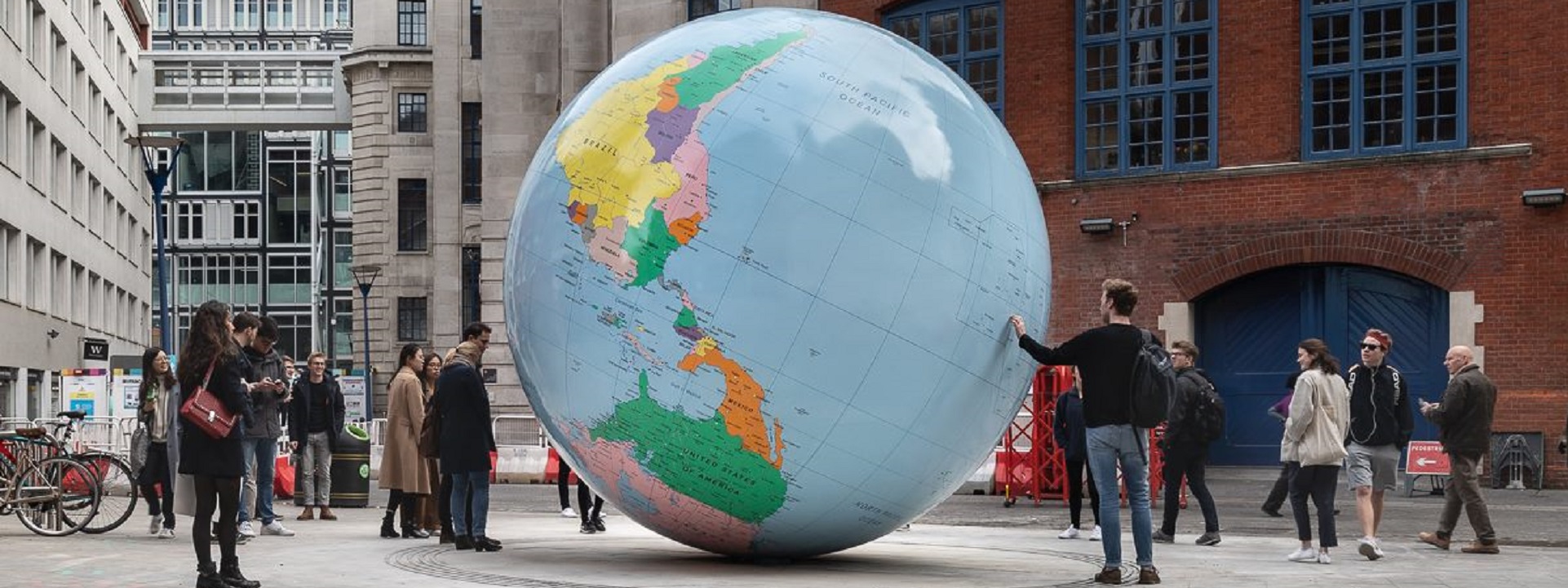
The London School of Economics
A relatively new International Standardization Organization committee is developing a consensus product that sets the broad contours of standardization in the field of governance relating to aspects of direction, control and accountability of organizations. The foremost aim of international standardization is to facilitate the exchange of goods and services through the elimination of technical barriers to trade. We find technical barriers to trade (TBT) a growing discussion in the education facility industry; especially in research universities that deal with highly specialized products in laboratories. We see TBT issues show up purchasing regulations for federally-sponsored projects hosted on federally-sponsored facilities.
The strategic business plan of ISO/TC 309 is linked below:
Executive Summary ISO Technical Committee 309 (ISO/TC 309)
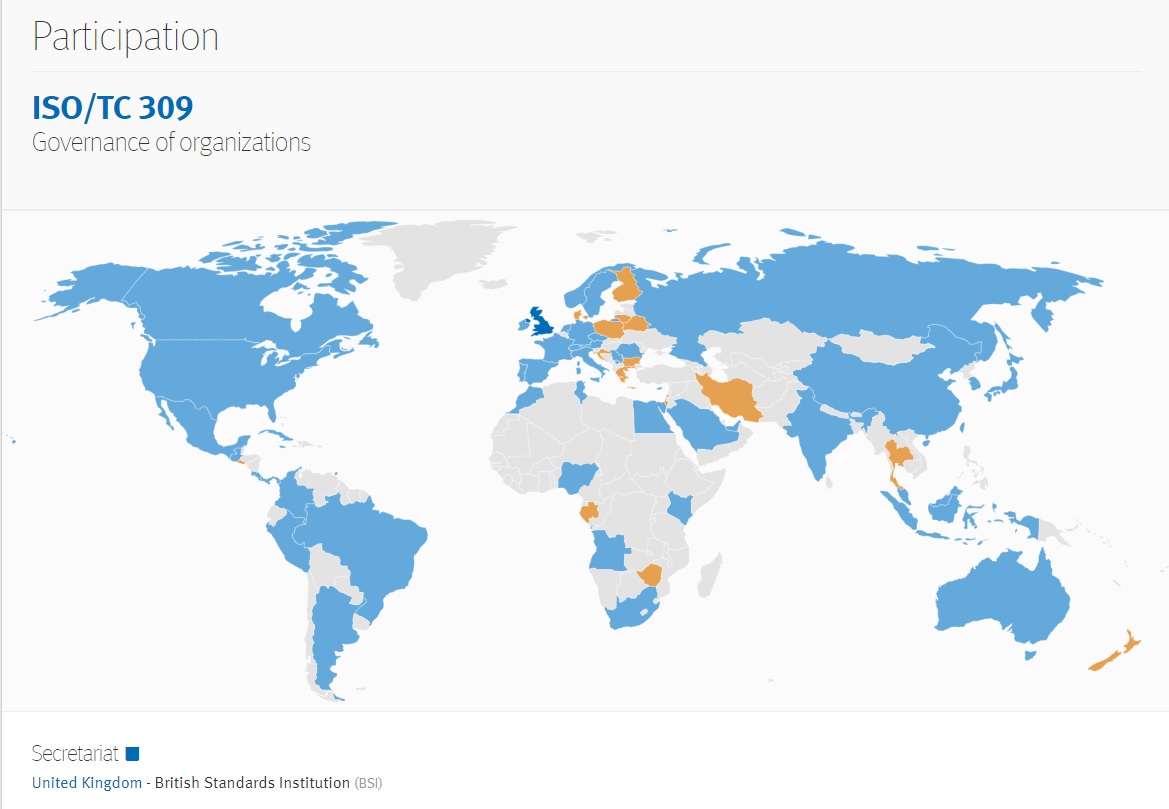
The US organization charged by the American National Standards Institute with administering the US Technical Advisory Group (US TAG) is the InterNational Committee for Information Technology Standards (INCITS). The INCITS committee will operate under the ANSI-accredited procedures for US TAGS. Click here for more information about joining the US TAG or other INCITS committees. Jennifer Garner is listed as the contact person (jgarner@itic.org).
We do not find any public commenting opportunities on this project at the moment — January of every year tends to be a slow time in the standards world — but continue to monitor it through INCITS. We keep this committee’s work products on our International Standards monthly teleconference. See our CALENDAR for the next online meeting; open to everyone.

Issue: [18-157]
Category: Administration & Management, International, Finance, Academics, Public Policy
Colleagues: Mike Anthony, Christine Fischer
Thomas Hobbes was a political philosopher who advocated for **absolute sovereignty** as the only way to ensure peace and security in a commonwealth¹². He believed that people in their natural state were in a constant state of war, and that they needed to surrender their rights and freedoms to a strong ruler who could protect them from violence and chaos³⁴. Therefore, Hobbes wanted **larger** government control, as he viewed government primarily as a device for ensuring collective security¹. He justified this by arguing that people consented to the authority of the sovereign in exchange for their safety⁵..
Thomas Hobbes’s philosophy of government is relevant today because it addresses some of the fundamental questions and challenges that modern societies face, such as:
- How to justify and limit the authority of the state over its citizens?
- How to balance the rights and duties of individuals in a social contract?
- How to deal with the threats of violence, anarchy, and civil war?
- How to promote peace, security, and cooperation among nations?
Hobbes’s answers to these questions may not be the same as ours, but they can stimulate our thinking and help us evaluate our own assumptions and arguments. Hobbes’s Leviathan is widely regarded as one of the most influential works of political philosophy in the history of Western thought, and it has inspired many thinkers and movements across different disciplines and ideologies.

Internet of Things

The newest Big Thing — a networked world of connected devices, objects and people — is getting long in the tooth. It is hazardous to even try to write about the Internet of Things without being complicit in internet triumphalism. We try to be as specific as possible, to avoid sounding like Jules Verne the futurist, even at the risk of getting too technical to be practical for the front line work force in education communities. We challenge excess cost starting with small things.
Standards Michigan is a past member of ANSI’s US National Committee to the IEC (USNC/IEC) but now collaborates with the IEEE Education & Healthcare Facilities Committee (E&H) and the IEEE Standards Association on coordinated response to commenting opportunities posted by the International Electrotechnical Commission (IEC) on its IoT titles.
The E&H Committee meets online four times monthly in European and American time zones in which the priorities of the Joint Technical Committee 1 (JTC1) are a standing item on its agenda. The International Committee for Information Technology Standards (INCITS) is ANSI’s US Technical Advisory Group Administrator.
Leaders of the US #SmartCampus transformation will have to sort through the competition among them because, at the moment, the blue-sky conception of a #SmartCampus is doing more to drive trade association content and conference revenue than contribute meaningfully to lower costs in education communities.
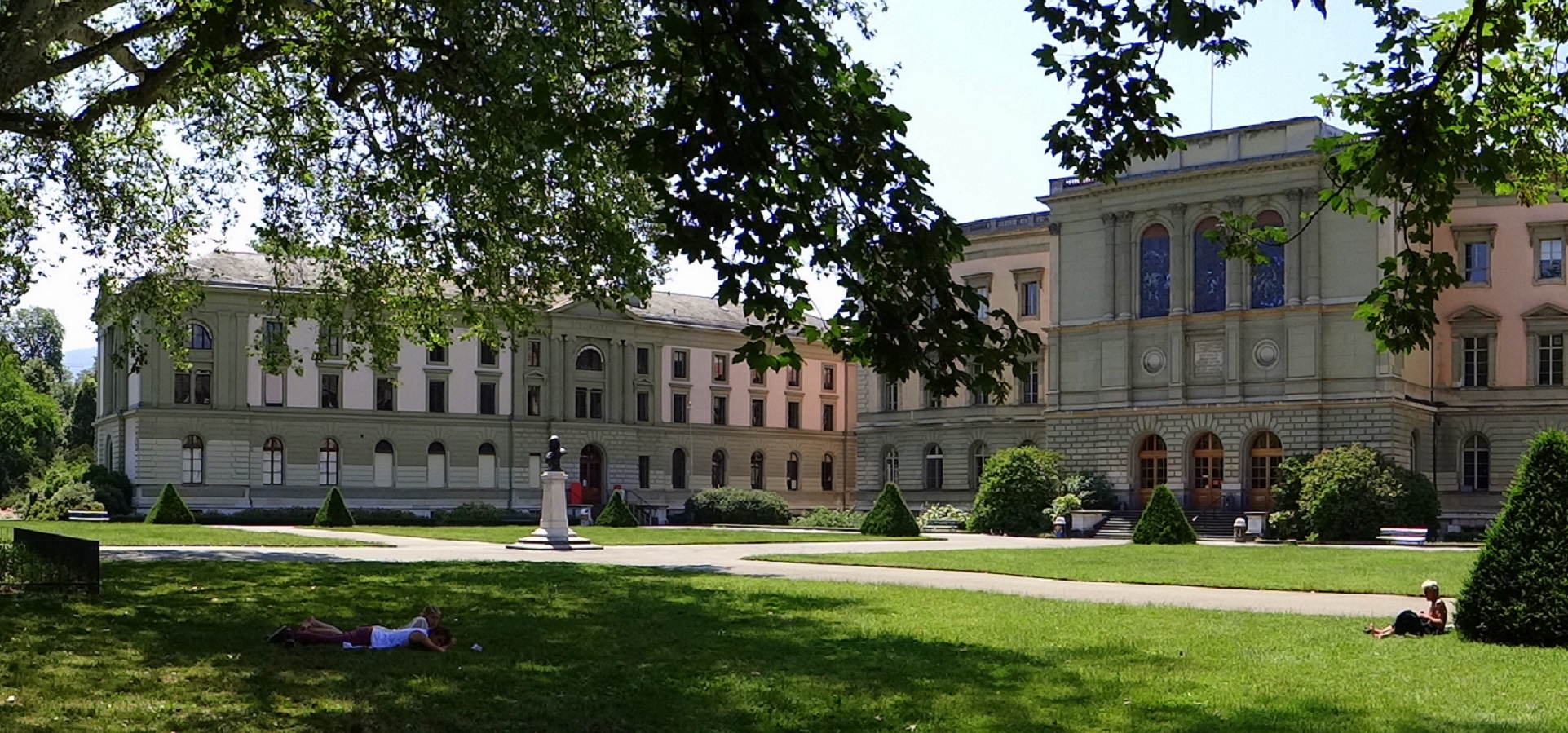
Université de Genève
We keep pace with standards setting in the IoT transformation with particular interest in the topics listed below:
Cloud
Wireless Sensor Networks
Interoperability (e,g, Z-Wave, Zigbee, Insteon protocols)
Trustworthiness
Pathway Intelligence
Radio spectrum
There are others; all of them with challenges, risks and ethical concerns.
The IEC produces policy templates for national standards bodies and governments. To workpoint practitioners its products may seem (at first) too “blue-sky” to be practical. The IEC consensus products are far more “finely sliced” (think prosciutto) than US consensus products such as the National Electrical Code. You will see this reflected in the Call for Public Comment in our INCITS posts.
We are happy to explain the difference between speculative hype and meaningful technical specifics that show up on future campus construction, operation and maintenance balances sheets to anyone any day at 11 AM Eastern time. We also sweep through commenting opportunities every month during our Global standards teleconference and four times per month with the IEEE E&H Committee. See our CALENDAR for the next online meetings; open to everyone.
Issue: [Various]
Category: Electrical, Telecommunication, Informatics, International, #SmartCampus
Colleagues: Mike Anthony, Jim Harvey, Massimo Mittolo, Giuseppe Parise
LEARN MORE:

Sustainability Accounting Standards Board
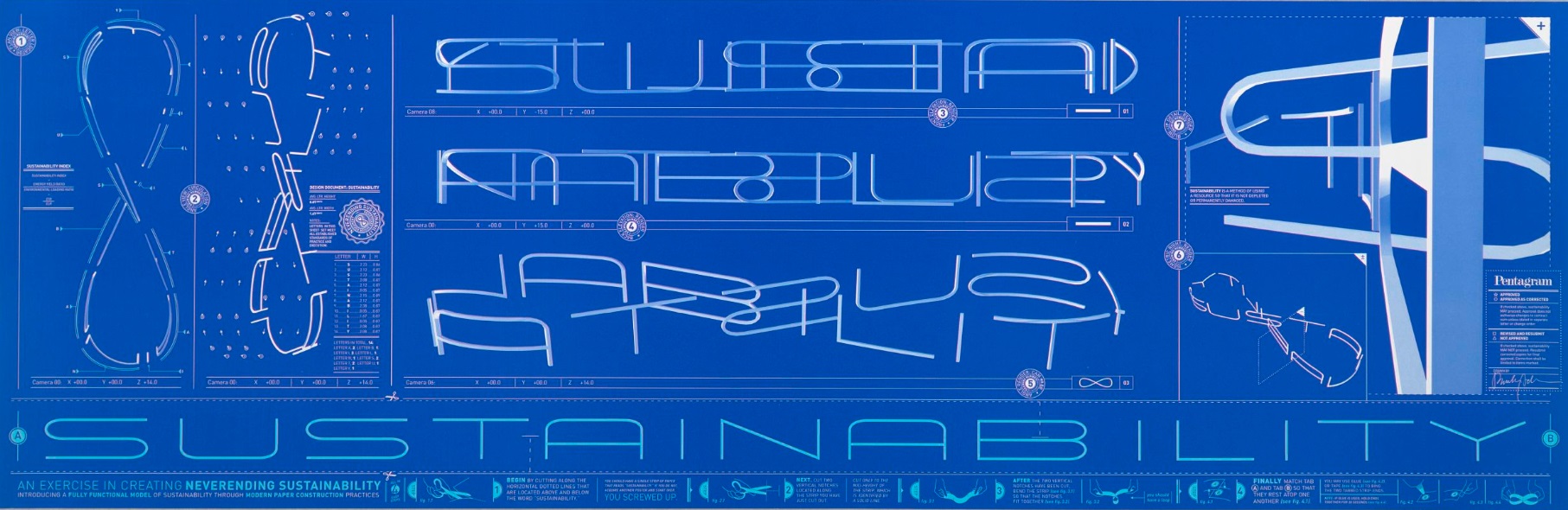
Jessica Helfand | Smithsonian Institution
Time to break down best practice literature released by he Sustainability Accounting Standards Board (SASB) — one of the first names in organizations with a solid due process platform for leading practice discovery and promulgation of sustainability concepts for the private sector. Like the sustainability zietgeist itself; its topical areas are hydra-like — reaching into every sector, industry, and industry subsector — largely because money flows through all of them.
We approach the SASB bibliography as an open-source, consortia standards suite that challenges niche verticals known to most education community asset managers. Since the education industry has both a private and public revenue character, we follow SASB standards development and participate in proposal and commenting opportunities whenever possible.
Last year we selected six sector-specific SASB standards that, in our judgment, could lower #TotalCostofOwnership with improved management of sustainability advancement activity (See list below). We downloaded these standards, looked them over for actionable-specifics, but we did not submit comments of our own because of organizational changes we explain in our ABOUT and also because we could not find an individual institution or education industry trade association interested in collaborating with us on meaningful specifics. We will try again.
Until we find a collaborator you may be enlightened by the current status of the SASB suite; all of its products available to the public:
Download Current SASB Standards | Credentials required
At the moment two developments at the SASB are meaningful for sustainability professionals in education communities:
- The Conceptual Framework document details the principles, objectives, assumptions, and definitions that guide SASB’s thinking and approach to Standard-setting/revising. The Conceptual Framework project will clarify and strengthen these core principles and concepts that govern SASB’s Standards.
- The Rules of Procedure document ensures the clarity, robustness, and integrity of SASB’s operations and processes. The Rules of Procedure project will ensure that the operations and Standard-setting/revising processes detailed in the document reflect SASB’s procedures today.
CLICK HERE for access to a listing of active projects in several stages. No titles have been released for consultation as of the date of this post.
We encourage technical and business subject matter experts in education communities to try not to re-invent the wheel in developing sustainability policy templates but rather to collaborate with organizations whose existing consensus products can be adapted for education communities. Perhaps post-pandemic, some of the redundancies we have been reporting to the education facility industry will be sun-setted.
We maintain the SASB suite on the standing agenda of our Fintech teleconferences. See our CALENDAR for the next online teleconference; open to everyone.
Issue: [Various]
Category: Finance, Informatics, Management
Colleagues: Mike Anthony, Jack Janveja, Richard Robben
More

Standards Coordinating Committee 18

“Night View of Cherry Blossoms in Shin Yoshiwara” c. 1889 / Los Angeles County Museum of Art / Artist: Inoue Yasuji / Gift of Mr. and Mrs. Felix Juda
IEEE Standards Coordinating Committee 18 is charged with reconciling electrotechnology standards action between two dominant electrical safety cultures in the United States:
- The National Fire Protection Association’s NFPA 70-suite which primarily covers fire safety of electrical systems 34.5 kilovolts and below within buildings. This culture is dominated by fire safety experts but has a significant revenue stream that originated in the fact and perception that electricity was a fire hazard.
- IEEE suite of electrical power safety codes and recommended practices for electrical safety at all voltage levels — from micro-voltages to upwards of 1000 kilovolts within and and outside buildings. This culture is dominated by utility engineers with expertise at higher voltages to which the general public is exposed outside buildings.
The consensus documents produced by these two electrical safety cultures are usually incorporated by reference into local and state public safety laws. For the most part, all safety and sustainability requirements for user interests, and what practices will set the standard of care for the US education industry and others, will appear on the agenda of IEEE SCC-18
The years 2018 and 2019 are active years for NFPA-70 and the IEEE technical committees. The IEEE Power Engineering and Industrial Applications Society, which has a near 100 year tenure in electrical power systems safety and sustainability for all US industries, are dealing with a coincident revision cycle of the 2020 National Electrical Code and the ANSI/IEEE C2 National Electrical Safety Code. Technical and policy experts are engaged in lively leading practice discovery discussion about distributed resources, power-over-ethernet circuits, electric and autonomous vehicles and Internet-of-Things; among others. The rollout of the emergent #SmartCampus is necessarily an electrotechnical transformation so it is necessary to keep pace with, and to be effective advocates in global safety and sustainability documents produced by the International Electrotechnical Commission.

An illustration from Jules Verne’s short story “La Journée d’un Journaliste Américain en 2889” (In the Year 2889) by George Roux / c. 1910
Standards Michigan has its “door” open every day at 11 AM Eastern time for 1-1 consultation on the entire suite of electrotechnical standards that affect the education facilities industry but twice monthly, concentrates on electrical power and information and communication technology movements. Movements that happen on a near-hourly basis; hence our identification of the stream standardization and conformity activity. See our CALENDAR for the next online meetings; open to everyone. Please note that these teleconferences are coordinated with the IEEE Education & Healthcare Facilities Committee; landing page linked below:
http://sites.ieee.org/icps-ehe/

University of Michigan College of Engineering
Issue: [Various]
Category: Electrical, Telecommunication, #SmartCampus, Information & Communications Technology
Colleagues: Mike Anthony, Robert G. Arno, Christel Hunter, Mario Spina, Jim Harvey, Mike Hiler, David Law
LEARN MORE:

APCO 1.111.2 | Public Safety Communications
This content is accessible to paid subscribers. To view it please enter your password below or send mike@standardsmichigan.com a request for subscription details.
New update alert! The 2022 update to the Trademark Assignment Dataset is now available online. Find 1.29 million trademark assignments, involving 2.28 million unique trademark properties issued by the USPTO between March 1952 and January 2023: https://t.co/njrDAbSpwB pic.twitter.com/GkAXrHoQ9T
— USPTO (@uspto) July 13, 2023
Standards Michigan Group, LLC
2723 South State Street | Suite 150
Ann Arbor, MI 48104 USA
888-746-3670
DIRECTIONS
 |
 |
|
 |
 |
|
 |
 |