Category Archives: Health

Loading
loading...

Health 400 | OB-GYN

National Center for Health Statistics: Birth Data Files

Jordan Peterson: Accidental Childlessness, The Epidemic That Dare Not Speak Its Name

REDDIT: An estimated 1/3 of all GenZ were aborted

Today we break down the stack of regulations, codes, standards and open-source literature governing the safety and sustainability of university-affiliated medical research and healthcare delivery facilities.  Because of the complexity of the topic we break down our coverage:

Health 200.   Survey of all relevant codes, standards, guidelines and recommended practices for healthcare settings.

Health 400.  All of the above with special consideration needed for obstetrics, gynecological and neonatal clinical practice and research.

We limit our interest to systems — water, power, telecommunication and security; for example — that are unique to campus-configured, city-within-city risk aggregations.  Electrotechnologies (voltage stability, static electricity control, radio-interference, etc.) in these enterprises are subtle, complex and high risk.  Sample titles from legacy best practice literature in this domain are listed below:

American College of Obstetricians and Gynecologists: Levels of Maternal Care

Provision of Care, Treatment, and Services standards for maternal safety

Since our interest lies in the habitable spaces for these enterprises we usually start with a scan of the following titles:

International Building Code Section 407 (Institutional Group I-2) identifies requirements specific to healthcare settings, covering aspects such as fire safety, means of egress, and smoke compartments. Maternity and obstetric facilities within hospitals fall under this classification.

K-TAG Matrix for Healthcare Facilities

NFPA 70 National Electrical Code Article 517

NFPA 99 Healthcare Facilities Code

NFPA 101 Life Safety Code Chapters 18 & 19

ASHRAE 170 Ventilation of Healthcare Facilities

ASHRAE 189.3: Design, Construction and Operation of Sustainable High Performance Health Care Facilities

Relevant Institute of Electrical and Electronic Engineers research

Towards Deeper Neural Networks for Neonatal Seizure Detection

A System to Provide Primary Maternity Healthcare Services in Developing Countries

Deep Learning for Continuous Electronic Fetal Monitoring in Labor

Reorganizing of University Hospital of Oran’s operating theatre: Simulation approach

Finally, we collaborate with the IEEE E&H Committee on the following IEC committee projects from IEC/TC 62 Electrical equipment in medical practice:

– Common aspects of electrical equipment used in diagnostic imaging equipment

– Equipment for radiotherapy, nuclear medicine and radiation dosimetry

– Electromedical equipment for neonatal care

 

More

Doula International

A relatively new publisher of related standards is the Facility Guidelines Institute.  We are monitoring its catalog and its processes.  The healthcare facility industry is likely large enough for another non-profit but we have yet to see meaningful leading practice discovery and promulgation that is unrelated to the literature that is already out there.

Journal of Healthcare Management Standards: Operational Resilience of Hospital Power Systems in the Digital Age

Health Insurance Portability and Accountability Act (HIPAA)

Health care cost as percentage of Gross Domestic Product for six representative nations.

Association of Academic Health Centers

International Conference on Harmonization: The ICH guidelines provide guidance on the development of pharmaceuticals and related substances, including clinical trials, drug safety, and efficacy.

Animal Welfare Act and the Institutional Animal Care and Use Committee

Good Laboratory Practice: GLP is a set of principles that ensure the quality and integrity of non-clinical laboratory studies. It ensures that data generated from non-clinical laboratory studies are reliable, valid, and accurate.

International Code Council Representation of Interests

University of Chicago

Neonatal Care Units

Healthcare Occupancies

DECEMBER 2025 ICC COMMITTEE ON HEALTHCARE Minutes


2025 REPORT OF THE COMMITTEE ACTION HEARINGS


Safety and sustainability for any facility, not just university-affiliated healthcare facilities, usually begin with an understanding of who, and how, shall occupy the built environment.  University settings, with mixed-use occupancy arising spontaneously and temporarily, often present challenges and they are generally well managed.

First principles regarding occupancy classifications for healthcare facilities appear in Section 308 of the International Building Code, Institutional Group I; linked below:

2021 International Building Code Section 308 Institutional Group I

There are thousands of healthcare code compliance functionaries and instructors; most of them supported by trade associations and most of them authoritative.   Hewing to our market discipline to track only the concepts that will affect university-affiliated healthcare enterprises only.  There are a few noteworthy differences between corporate healthcare businesses and university affiliated healthcare enterprises (usually combined with teaching and research activity) that we identify on this collaboration platform.

We collaborate closely with the IEEE Education & Healthcare Facilities Committee which takes a far more global view of the healthcare industry.  That committee meets online 4 times monthly in European and American time zones.

Finally, we encourage our colleagues to participate directly in the ICC Code Development process.  Contact Kimberly Paarlberg (kpaarlberg@iccsafe.org) for more information about its healthcare committees and how to participate in the ICC code development process generally.  Tranches of ICC titles are developed according to the schedule below:

2024/2025/2026 ICC CODE DEVELOPMENT SCHEDULE

LIVE: I-Code Group B Public Comment Hearings


Issue: [18-166]

Category: Architectural, Healthcare Facilities, Facility Asset Management

Colleagues: Mike Anthony, Jim Harvey, Richard Robben


More

The ICC Code Development Process

K-TAG Matrix for Healthcare Facilities

American Society of Healthcare Engineers

Healthcare Facilities Code

“The Doctor”  1891 Sir Luke Fildes

The NFPA 99 Healthcare Facilities Code committee develops a distinct consensus document (i.e. “regulatory product”) that is distinct from National Electrical Code Article 517; though there are overlaps and gaps that are the natural consequence of changing technology and regulations.  It is worthwhile reviewing the scope of each committee:

NFPA 99 Scope: This Committee shall have primary responsibility for documents that contain criteria for safeguarding patients and health care personnel in the delivery of health care services within health care facilities: a) from fire, explosion, electrical, and related hazards resulting either from the use of anesthetic agents, medical gas equipment, electrical apparatus, and high frequency electricity, or from internal or external incidents that disrupt normal patient care; b) from fire and explosion hazards; c) in connection with the use of hyperbaric and hypobaric facilities for medical purposes; d) through performance, maintenance and testing criteria for electrical systems, both normal and essential; and e) through performance, maintenance and testing, and installation criteria: (1) for vacuum systems for medical or surgical purposes, and (2) for medical gas systems; and f) through performance, maintenance and testing of plumbing, heating, cooling , and ventilating in health care facilities.

NFPA 70 Article 517 Scope:  The provisions of this article shall apply to electrical construction and installation criteria in healthcare facilities that provide services to human beings.  The requirements in Parts II and III not only apply to single-function buildings but are also intended to be individually applied to their respective forms of occupancy within a multi-function building (e.g. a doctor’s examining room located within a limited care facility would be required to meet the provisions of 517.10)   Informational Note: For information concerning performance, maintenance, and testing criteria, refer to the appropriate health care facilities documents.

In short, NFPA 70 Article 517 is intended to focus only on electrical safety issues though electrotechnology complexity and integration in healthcare settings (security, telecommunications, wireless medical devices, fire safety, environmental air control, etc.) usually results in conceptual overlap with other regulatory products such as NFPA 101 (Life Safety Code) and the International Building Code.

Several issues were recently debated by the Article 517 technical committee during the 2023 National Electrical Code Second Draft meetings

  • The conditions under which reconditioned electrical equipment be installed in healthcare settings; contingent on listing and re-certification specifics.
  • Relaxation of the design rules for feeder and branch circuit sizing through the application of demand factors.
  • Application of ground fault circuit interrupters.
  • “Rightsizing” feeder and branch circuit power chains (Demand factors in Section 517.22)
  • Patient care space categories
  • Independence of power sources (517.30)

There are, of course, many others, not the least of which involves emergency management.  For over 20 years our concern has been for the interdependency of water and electrical power supply to university hospitals given that many of them are part of district energy systems.

We need to “touch” this code at least once a month because of its interdependence on other consensus products by other standards developing organizations.  To do this we refer NFPA 99 standards action to the IEEE Education & Healthcare Facilities Committee which meets online four times monthly in European and American time zones.

The transcript of NEC Article 517 Public Input for the 2023 revision of NFPA 70 is linked below.  (You may have to register your interest by setting up a free-access account):

Code-Making Panel 15 (NEC-P15) Public Input Report

Code-Making Panel 15 (NEC-P15) Public Comment Report

Technical committees will meet in June to endorse the 2023 National Electrical Code.

Public consultation on the Second Draft closes May 31st. Landing page for selected sections of the 2024 revision  of NFPA 99 are linked below:

Electrical Systems (HEA-ELS)

Fundamentals (HEA-FUN)

Health Care Emergency Management and Security (HEA-HES)

Second Draft Comments are linked below:

Electrical Systems (HEA-ELS)

Fundamentals (HEA-FUN)

Health Care Emergency Management and Security (HEA-HES)

NITMAM closing date: March 28, 2023

We break down NFPA 70 and NFPA 99 together and keep them on the standing agenda of both our Power and Health colloquia; open to everyone.  See our CALENDAR for the next online meeting.

"The trained nurse has become one of the great blessings of humanity, taking a place beside the physician and the priest" - William Osler"While we try to teach our children all about life, our children teach us what life is all about" - Angela Schwindt "The true art of pediatrics lies not only in curing diseases but also in preventing them" - Abraham JacobiGermany

Issues: [12-18, [15-97] and [16-101]

Contact: Mike Anthony, Jim Harvey, Robert Arno, Josh Elvove, Joe DeRosier, Larry Spielvogel

NFPA Staff Liaison: Jonathan Hart

Archive / NFPA 99


Design & Operation of Health Care Facilities

The pandemic provides background for the importance of ventilation systems in healthcare settings and reminder that there is plenty of work to do.  The scope of ASHRAE 189.3 – Design, Construction and Operation of Sustainable High Performance Health Care Facilities — lies in this domain:

Purpose.  The purpose of this standard is to prescribe the procedures, methods and documentation requirements for the design, construction and operation of high-performance sustainable health care facilities.

Scope.This standard applies to patient care areas and related support areas within health care facilities, including hospitals, nursing facilities, outpatient facilities, and their site.  It applies to new buildings, additions to existing buildings, and those alterations to existing buildings that are identified within the standard.  It provides procedures for the integration of sustainable principles into the health care facility design, construction and operation process including:

    1. integrated design
    2. conservation of water
    3. conservation of energy
    4. indoor environmental quality
    5. construction practices
    6. commissioning
    7. operations and maintenance

Noteworthy: Related title ASHRAE/ASHE Standard 170 Ventilation of Healthcare Facilities

Public consultation on Addendum m regarding definition of “room units” and the heating and cooling of such units closes January 27th

Public consultation on Standard 189.3-2021, Design, Construction, and Operation of Sustainable High-Performance Health Care Facilities closes November 11.

We maintain this title on the standing agenda of our periodic Health, Energy and Mechanical colloquia.  See our CALENDAR for the online meeting; open to everyone.


October 9 Update

As of the date of this post, two redlines have been released for public consultation

Proposed Addendum L to Standard 170-2021, Ventilation of Health Care Facilities

Proposed Addendum i to Standard 170-2021, Ventilation of Health Care Facilities

The consultation closes October 29th.

Other redlines are released and posted at the link below:

Public Review Draft Standards / Online Comment Database

Because this title is administered on ASHRAE’s continuous maintenance platform, public consultations run 30 to 45 days.   You may also submit an original idea to the ASHRAE standards development enterprise.  CLICK HERE to get started.

We maintain this title on the standing agenda of our periodic Health, Energy and Mechanical colloquia.  See our CALENDAR for the online meeting; open to everyone.

"The trained nurse has become one of the great blessings of humanity, taking a place beside the physician and the priest" - William Osler"While we try to teach our children all about life, our children teach us what life is all about" - Angela Schwindt "The true art of pediatrics lies not only in curing diseases but also in preventing them" - Abraham JacobiGermany


Issue: [Various]

Category: Mechanical, Electrical, Energy, Facility Asset Management

Colleagues:  David Conrad, Richard Robben, Larry Spielvogel

Workspace / ASHRAE

OB-GYN Welcome

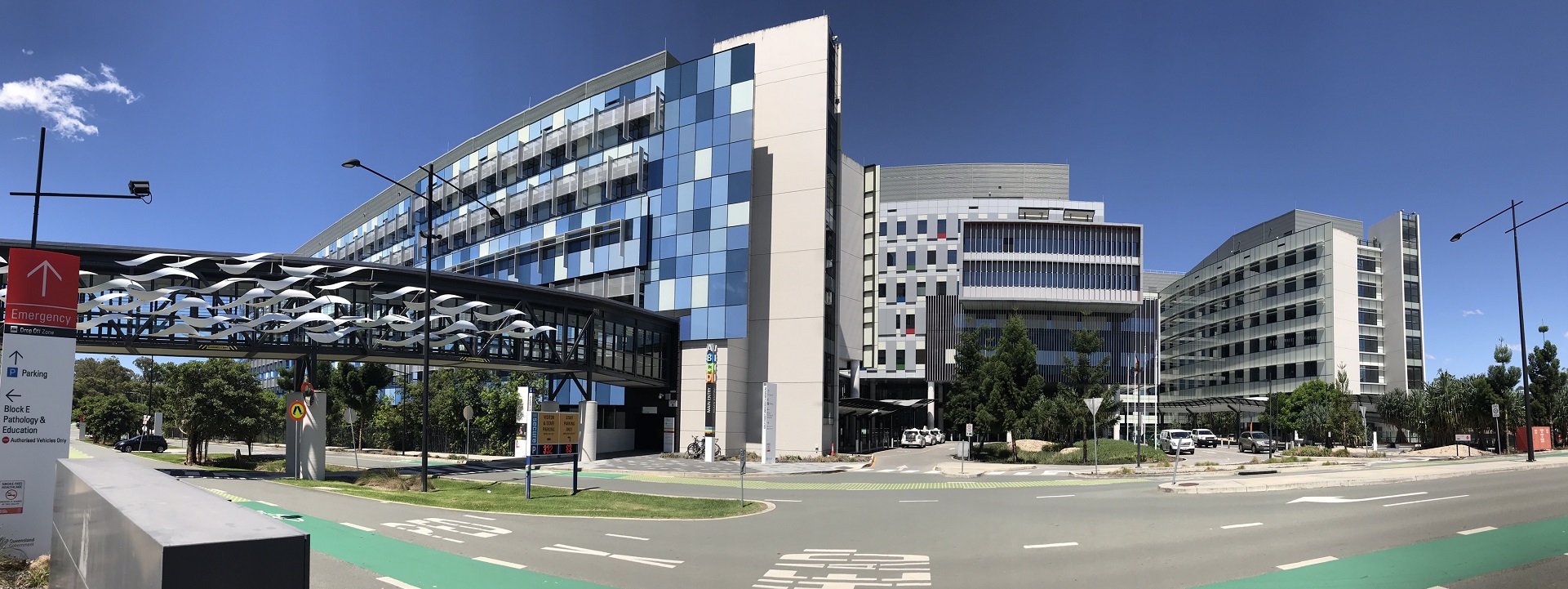
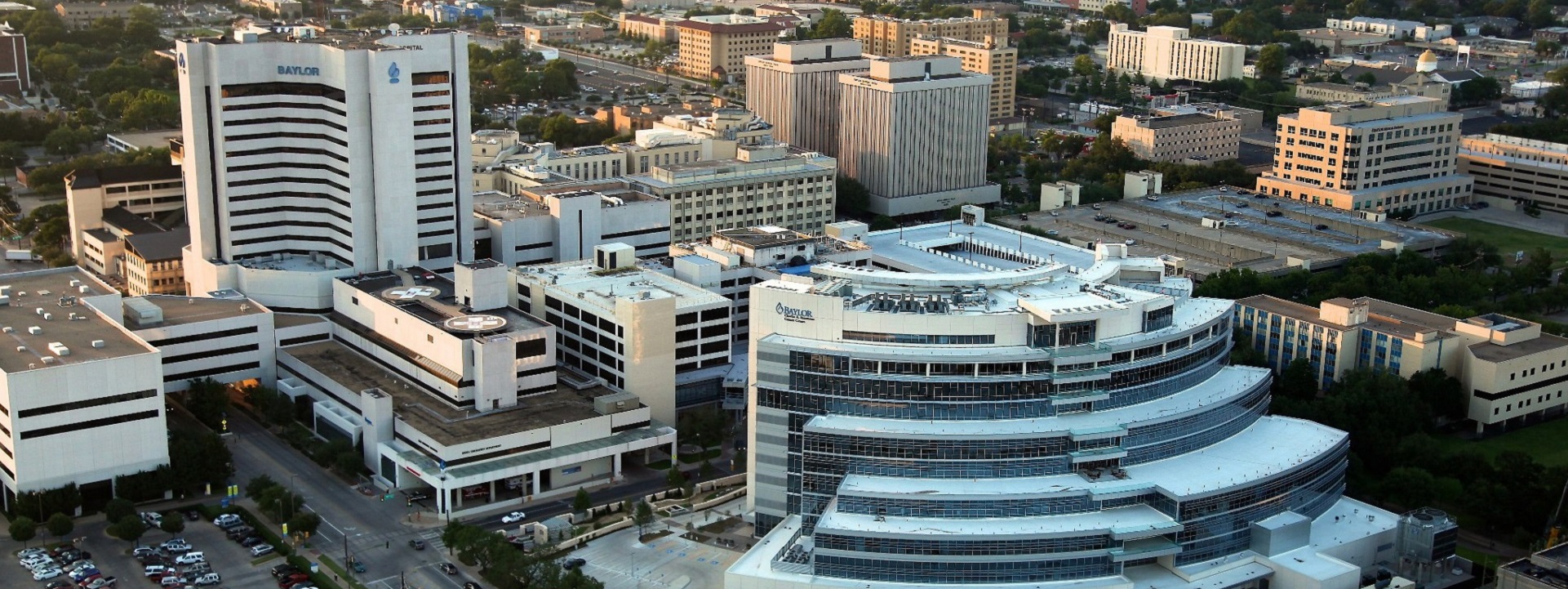
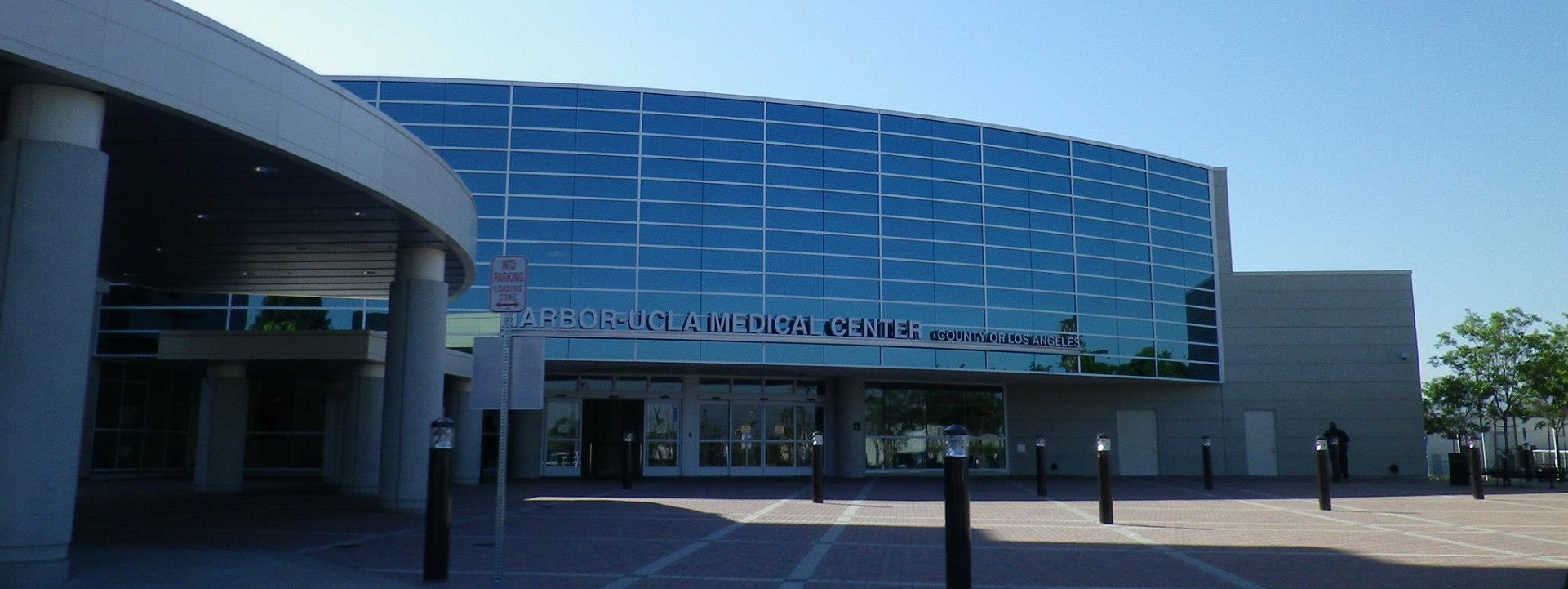
Gallery: University-Affiliated Healthcare Enterprises

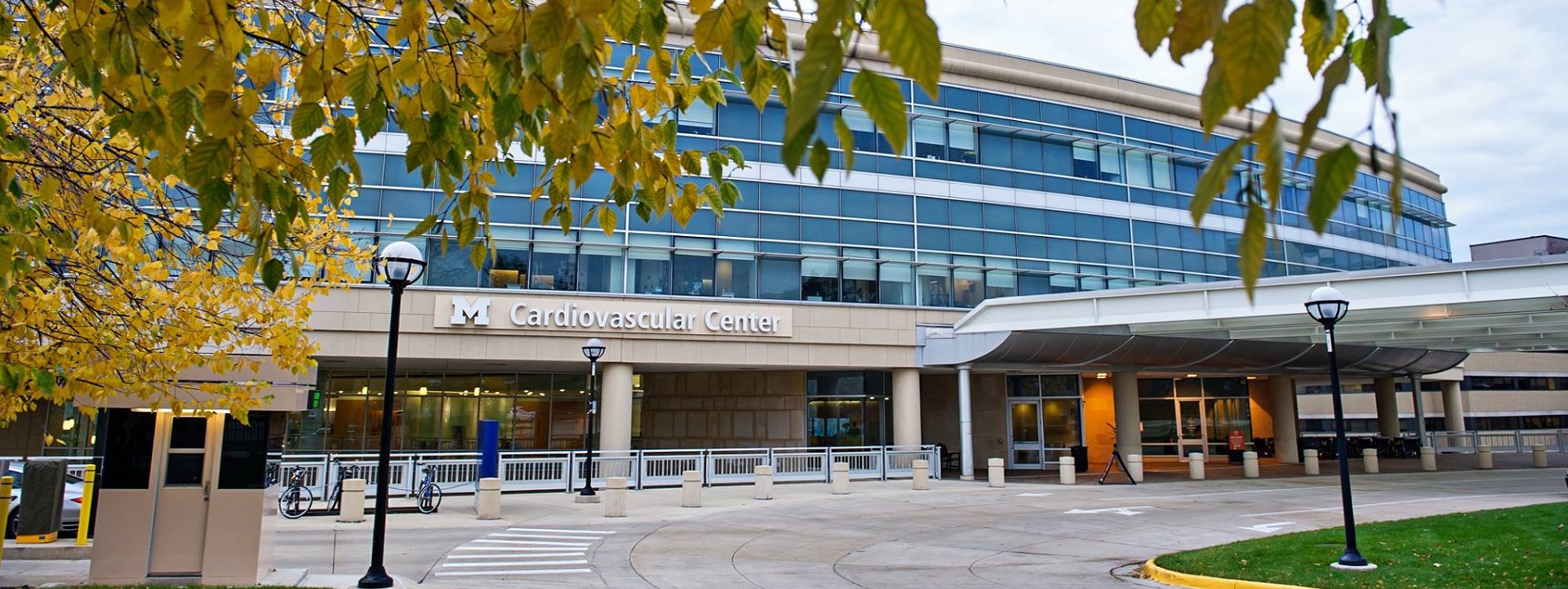
The main building of the University of Minnesota Medical Center was established in 1997 through a merger with University Hospitals and Clinics and Fairview Health Services.  It has approximately 1300 beds.

Standards Minnesota

Children’s Hospital Neonatal Intensive Care

Some of the common electro-technologies used in a neonatal care unit include:

  • Incubators: These temperature-controlled units create a controlled environment to keep premature or sick infants warm and protected.
  • Ventilators: Mechanical ventilators assist newborns with respiratory distress by delivering oxygen and helping them breathe.
  • Monitors: These devices track vital signs such as heart rate, oxygen levels, blood pressure, and temperature to ensure the baby’s health and detect any abnormalities.
  • Phototherapy Lights: Special lights are used to treat jaundice in newborns, helping to break down excess bilirubin in the blood.
  • Intravenous Pumps: These pumps are used to deliver medications, fluids, and nutrients directly into the baby’s bloodstream.
  • Feeding Tubes: For infants who are unable to feed orally, feeding tubes are used to deliver breast milk or formula directly into their stomach.
  • Blood Gas Analyzers: These machines measure the levels of oxygen, carbon dioxide, and other gases in a baby’s blood to monitor respiratory status and acid-base balance.
  • Infusion Pumps: Used to administer controlled amounts of fluids, medications, or nutrients to newborns.
  • CPAP/BiPAP Machines: Continuous Positive Airway Pressure (CPAP) and Bi-level Positive Airway Pressure (BiPAP) machines help newborns with breathing difficulties by providing a continuous flow of air pressure.
  • Neonatal Resuscitation Equipment: This includes equipment such as resuscitation bags, endotracheal tubes, laryngoscopes, and suction devices used during emergency situations to assist with newborn resuscitation.

It’s important to note that specific tools and equipment may vary depending on the level of neonatal care provided by the unit, the needs of the infants, and the policies of the healthcare facility.

Neonatal care, as a specialized field, has been shaped by the contributions of several pioneers in medicine. Here are a few notable figures who have made significant advancements in neonatal care:

  • Dr. Virginia Apgar was an American obstetrical anesthesiologist who developed the Apgar score in 1952. The Apgar score is a quick assessment tool used to evaluate the overall health of newborns immediately after birth. It assesses the baby’s heart rate, respiratory effort, muscle tone, reflex irritability, and color, providing valuable information for prompt intervention and monitoring.
  • Dr. Martin Couney, a pioneering physician, established incubator exhibits at world fairs and amusement parks in the early 20th century. He promoted the use of incubators to care for premature infants and played a significant role in popularizing the concept of neonatal intensive care.
  • Dr. Virginia A. Apgar, an American pediatrician and neonatologist, made significant contributions to the field of neonatology. She specialized in the care of premature infants and conducted extensive research on neonatal resuscitation and newborn health. She also developed the Apgar scoring system, although unrelated to Dr. Virginia Apgar mentioned earlier.
  • Dr. Lula O. Lubchenco was an influential researcher and neonatologist who made important contributions to the understanding of newborn growth and development. She developed the Lubchenco Growth Chart, which provides a standardized assessment of a newborn’s size and gestational age, aiding in the identification and monitoring of growth abnormalities.
  • Dr. Mary Ellen Avery was a renowned American pediatrician and researcher whose work focused on understanding and treating respiratory distress syndrome (RDS) in premature infants. She identified the importance of surfactant deficiency in RDS and contributed to the development of surfactant replacement therapy, revolutionizing the care of preterm infants.

These individuals, among many others, have played pivotal roles in advancing the field of neonatal care, improving the understanding, diagnosis, treatment, and overall outcomes for newborn infants.

Healthcare Facilities Code

IEEE  Education & Healthcare Facility Electrotechnology


The De-Population Bomb

February 16, 2024: North Shore Medical Center abruptly closes neo-natal, labor and delivery units

United States National Institute of Health Gene Map


“In 1970, Stanford professor Paul Ehrlich published a famous book, The Population Bomb, in which he described a disastrous future for humanity: 

‘The battle to feed all of humanity is over. In the 1970s and 1980s hundreds of millions of people will starve to death in spite of any crash programs embarked upon now.’

That prediction turned out to be very wrong, and in this interview American Enterprise Institute scholar Nicholas Eberstadt tells how we are in fact heading toward the opposite problem: not enough people. For decades now, many countries have been unable to sustain a #population replacement birth rate, including in Western Europe, South Korea, Japan, and, most ominously, China. The societal and social impacts of this phenomenon are vast. We discuss those with Eberstadt as well as some strategies to avoid them.”

Out take [35:22]:

“…All right this gets us right to the heart of of your essay and of the matter quoting you yet again the single best predictor for National fertility rates happens to be wanted family size as reported by women now you note there are polls that ask women how many children they’d like and you know that this doesn’t correlate perfectly with birth rates but it’s the best indicator in one sense this is a reassuring even heartening finding it highlights the agency at the very heart of our Humanity…

[“You’re talking about free will there people choosing their family size but if we permit the non-material realm of life to figure into our inquiry we may conclude that proposals to revive the American birth rate through subsidies vastly underestimate the challenge the challenge May ultimately prove to be civilizational in nature”] 

okay so I look at first of all that hits like a two by four — civilizational in nature — and on the one hand I think to myself wait a minute aren’t we all supposed to be delighted that in this modern world women are in a position to participate in the workforce they’re in a position to choose more carefully more explicitly more intentionally the number of children they’d like to have aren’t we supposed to believe that that’s a wonderful thing and that releasing that many women to the workforce should increase the dynamism and growth of our [economy]…and all that…good, good, good…”

Evensong “A Boy and A Girl”

University of Rochester New York

Child Day Care

Why Daycare Is So Expensive In America

Children’s Hospital Neonatal Intensive Care

Health 400 | OB-GYN

Healthcare Facilities Code

Design & Operation of Health Care Facilities

New 820-Bed Hospital | $1.9B

Standards Ohio


Key details:

  • Total project cost: $1.9 billion (largest single facilities project in Ohio State history).
  • Size: About 1.9 million square feet.
  • Beds: Up to 820 all-private rooms.
  • Additional features: 234 ICU beds, expanded emergency and surgical services, connections to other medical buildings, and a new parking garage.
  • Timeline: Construction started around 2020, with substantial completion and opening in early 2026.

Related:

2024 International Plumbing Code | ASPE Plumbing Design Handbook

| ASHRAE 188 Legionellosis: Risk Management for Building Water Systems

International Building Code Meeting minutes #67 2025-12-12

IEEE 602 (White Book) Recommended Practice for Electric Systems in Health Care Facilities

Healthcare Facilities Code

Design & Operation of Health Care Facilities

Elevator Safety Code

Cx Building Commissioning

February 2026: New 820-Bed Inpatient Hospital at Ohio State University

The new 820-bed inpatient tower at The Ohio State University Wexner Medical Center (known as University Hospital) opened in February 2026 and represents the largest single-facility project in the university’s history, with a focus on patient-centered care, advanced technology, and sustainability.

Based on available project details, there were no reported major electrical problems or disruptions during construction or activation that hindered progress—in fact, electrical systems were tested successfully with no operational challenges noted during key milestones like the activation of exterior lighting. Instead, several noteworthy electrical and technology-related features and innovations have contributed to the project’s overall success, particularly in enhancing energy efficiency, patient experience, and operational performance.

Energy Efficiency and Sustainability Initiatives

The hospital’s design emphasizes sustainable electrical systems, earning it a green bond designation for its bonds and a sustainability award from the Ohio Facilities Construction Commission early in the project. Key aspects include:

  • Optimized energy consumption: The building incorporates enhanced commissioning of electrical systems to ensure high performance and reduced energy use, aligning with broader goals to minimize costs and environmental impact. This includes low-carbon energy sources and utility plant management, allowing savings to be redirected toward patient care.
  • Daylight maximization: Patient rooms feature 9-foot windows to flood spaces with natural light, reducing reliance on artificial lighting and supporting faster recovery while lowering electricity demands.
  • LED lighting integration: The iconic Block O exterior sign (30 feet tall, 365 feet above ground, and weighing nearly 3 tons) uses about 750 feet of energy-efficient LED lighting, symbolizing the hospital’s commitment to modern, low-energy illumination. Electrical systems for this were pre-tested, ensuring seamless activation without issues.

These elements not only promote eco-friendly operations but also position the hospital as a model for future healthcare facilities, with designs that conserve energy and adapt to evolving needs.

Technological and Electrical Innovations for Care

Electrical infrastructure supports cutting-edge features that improve clinical outcomes and user experience:

  • Digital patient interfaces: Every private room includes a 75-inch digital screen powered by integrated electrical and cabling systems, enabling telehealth, video conferencing, room controls (e.g., lighting and temperature), educational content, entertainment, and relaxation tools. This fosters team-based care and patient empowerment.
  • Surgical and operational tech: Cabling installations in operating rooms facilitate surgical video integration, allowing real-time audio/video during procedures for better collaboration and training. The building’s modernized spaces accommodate advanced technology, with simulations during pre-opening phases identifying and resolving minor electrical tweaks (e.g., call button functionality) to ensure reliability.
  • Infrastructure scale: With 50 elevators and state-of-the-art diagnostic areas, the electrical backbone (managed under mechanical-electrical-plumbing oversight) supports high-reliability power for critical care, including 234 ICU beds and neonatal units.
These electrical-enabled innovations have helped the project stay ahead of schedule (reaching substantial completion in late 2025) and under budget in key areas, contributing to its acclaim as a forward-thinking facility that elevates care for Ohio’s growing population. No significant electrical setbacks were publicly documented, unlike a brief structural pause in 2022 for a cracked concrete column (unrelated to electrical systems). Overall, the seamless integration of efficient, reliable electrical systems has been a key factor in the hospital’s successful launch and its role in advancing healthcare innovation.

Healthcare Organization Management

Open consultations:

US TAG is transferred to Association for the Advancement of Medical Instrumentation from InGenesis.  Administrative details in process.  Stay tuned.

ISO FDIS 16473 Healthcare organization pandemic response information management standard | Comments due September 4th

VF_40_2025_-_Re-allocation_of_ISO_TC_304_ | Comments due July 17th

ISO_DIS 20364 Pandemic Response Standard Draft Open for Public Consultation Comments due July 1

ISO Healthcare Management Comments on Smart Hospital Standard due January 15

 Send Mike a message to coordinate comments (maanthon@umich.edu)

“Une leçon clinique à la Salpêtrière” 1887 André Brouillet

ISO Technical Committees | ANSI (U.S. Participation in ISO Activities)

Many large research universities have significant medical research and healthcare delivery enterprises. The leadership of those enterprises discount the effect of standards like this at their peril. It is easy to visualize that this document will have as transformative effect upon the healthcare industry as the ISO 9000 series of management standards in the globalization of manufacturing.

Scope

Standardization in the field of healthcare organization management comprising, terminology, nomenclature, recommendations and requirements for healthcare-specific management practices and metrics (e.g. patient-centered staffing, quality, facility-level infection control, pandemic management, hand hygiene) that comprise the non-clinical operations in healthcare entities.

Excluded are horizontal organizational standards within the scope of:

    • quality management and quality assurance (TC 176);
    • human resource management (TC 260);
    • risk management (TC 262);
    • facility management (TC 267), and;
    • occupational health and safety management (TC 283).

Also excluded are standards relating to clinical equipment and practices, enclosing those within the scope of TC 198 Sterilization of health care products.

This committee is led by the US Technical Advisory Group Administrator —Ingenesis.   The committee is very active at the moment, with new titles drafted, reviewed and published on a near-monthly basis,


DPAS ballot for ISO PAS 23617- Healthcare organization management: Pandemic response  (respiratory) —Guidelines for medical support of socially vulnerable groups – Comments due 16 October

ISO-TC 304 Healthcare Organization Management- Pandemic response – Contact tracing – Comments due August 3, 2023

[Issue 14-99]

Contact:  Lee Webster (lswebste@utmb.edu, lwebster@ingenesis.com), Mike Anthony (mike@standardsmichigan.com), Jack Janveja (jjanveja@umich.edu), Richard Robben (rrobben1952@gmail.com), James Harvey (jharvey@umich.edu), Christine Fischer (chrisfis@umich.edu), Dr Veronica Muzquiz Edwards (vedwards@ingenesis.com)

Category: Health, Global

Workspace / ISO 304 Healthcare Administration

More

Journal of Healthcare Management Standards: Operational Resilience of Hospital Power Systems in the Digital Age

ISO Focus Special Issue on Healthcare

ISO/TC 48 Laboratory equipment

ISO/TC 212 Clinical laboratory testing and in vitro diagnostic test systems

ISO/TC 198 Sterilization of health care products

How do standards contribute to better healthcare?

  • The American National Standards Institute — the Global Secretariat for ISO — does not provide content management systems for its US Technical Advisory Groups.  Because of the nascent committee, inspired by the work of Lee Webster at the University of Texas Medical Branch needed a content management system, we have been managing content on a Google Site facility on a University of Michigan host since 2014.Earlier this spring, the University of Michigan began upgrading its Google Sites facility which requires us to offload existing content onto the new facility before the end of June.  That process is happening now.  Because of this it is unwise for us to open the content library for this committee publicly.  Respecting copyright, confidentiality of ISO and the US Technical Advisory Group we protect most recent content in the link below and invite anyone to click in any day at 15:00 (16:00) UTC.  Our office door is open every day at this hour and has been for the better part of ten years.

Salutariness

Salutariness (Cleanliness) standards follow culture (which follows the science which follows water and chemical management systems).   What is considered clean or hygienic in one culture may differ from what is considered clean or hygienic in another culture.  In some cultures, it is customary to remove shoes before entering a home, as it is considered unclean to wear shoes indoors.  In Japan, it is customary to take a bath or shower before entering a public bathhouse or hot spring, as it is considered unclean to enter a communal bath without washing first.  Most public swimming pools in the United States conform to a similar standard.

In some cultures, it is customary to eat with one’s hands, while in others, using utensils is the norm. Similarly, in some cultures, it is customary to clean one’s hands and face before eating, while in others, it is not considered necessary.  Cleanliness standards can also vary depending on the level of economic development, access to clean water and sanitation facilities, and public health policies in different countries.  Mahatma Gandhi believed that promoting cleanliness and hygiene could help in building a strong and self-sufficient nation.

“Harlem school custodian to retire, gets cafeteria dedicated to him” | Rockford Register Star

At 15:00 UTC today we review best practice literature for hygiene in education community interior spaces; including related accessory technologies.  Owing to the circumstances of the pandemic we have rewritten our past coverage of this topic for 2022.

Among the standards setting organizations active in this domain: (Short List)

American Society of Mechanical Engineers

ASME: Personal hygiene devices for water closets.

American Society of Heating and Refrigeration Engineers (ASHRAE International)

American Society of Safety Professionals

American Water Works Association

“No Water Fact Sheet”

“Responding to Water Stagnation in Buildings with Reduced or No Water Use” 

Association of Physical Plant Administrators (APPA)

Cleaning Operations

International Association of Plumbing Mechanical Officials (IAPMO Group)

Institute of Electrical and Electronic Engineers

Prospect of Solar-assisted Heat Pump Water Heating Systems for Student Residences

Identification of Legionella Species by Photogate-Type Optical Sensor

Smart Biosensor for Rapid and Simultaneous Detection of Waterborne Pathogens in Tap Water

Innovative UV-C LED Disinfection Systems for DrinkingWater Treatment

Temperature Distributions and Bacterial Growth Implications in a Hot Water Storage Tank under Scheduled Draw-off and Heating Cycles

Institute of Inspection, Cleaning and Restoration Certification

International Code Council

International Building Code: Chapter 12 Interior Environment

International Mechanical Code: Ventilation

International Plumbing Code: Sanitary Drainage

International Kitchen Exhaust Cleaning Association

International Sanitary Supply Association

Design Guidelines

University of Pittsburgh

National Air Duct Cleaners Association

Standard for Assessment, Cleaning and Restoration of HVAC Systems

National Fire Protection Association

“NFPA responds to the coronavirus”

Health Care Facilities Code

National Sanitation Foundation  (Several titles)

“Germiest Places at Schools”

Occupational Safety & Health Administration

CFR 1910.141 Sanitation

Centers for Medicare and Medicaid Services

Simon Institute

Cleaning Chemical Safety

State and Federal Regulations Open for Comment

We place public consultation deadlines at top priority in the time available and will schedule a separate break-out session to write and send comments.

Open to everyone.  Use the login credentials at the upper right of our home page.

Layout mode
Predefined Skins
Custom Colors
Choose your skin color
Patterns Background
Images Background
Standards Michigan
error: Content is protected !!
Skip to content