Category Archives: Facility Asset Management

Loading
loading...

Sports Equipment & Surfaces

Student Membership | @ASTMStudentFans

“The National Game” 1889 Arthur Streeton


Sport is the bloom and glow of a perfect health.

—Ralph Waldo Emerson


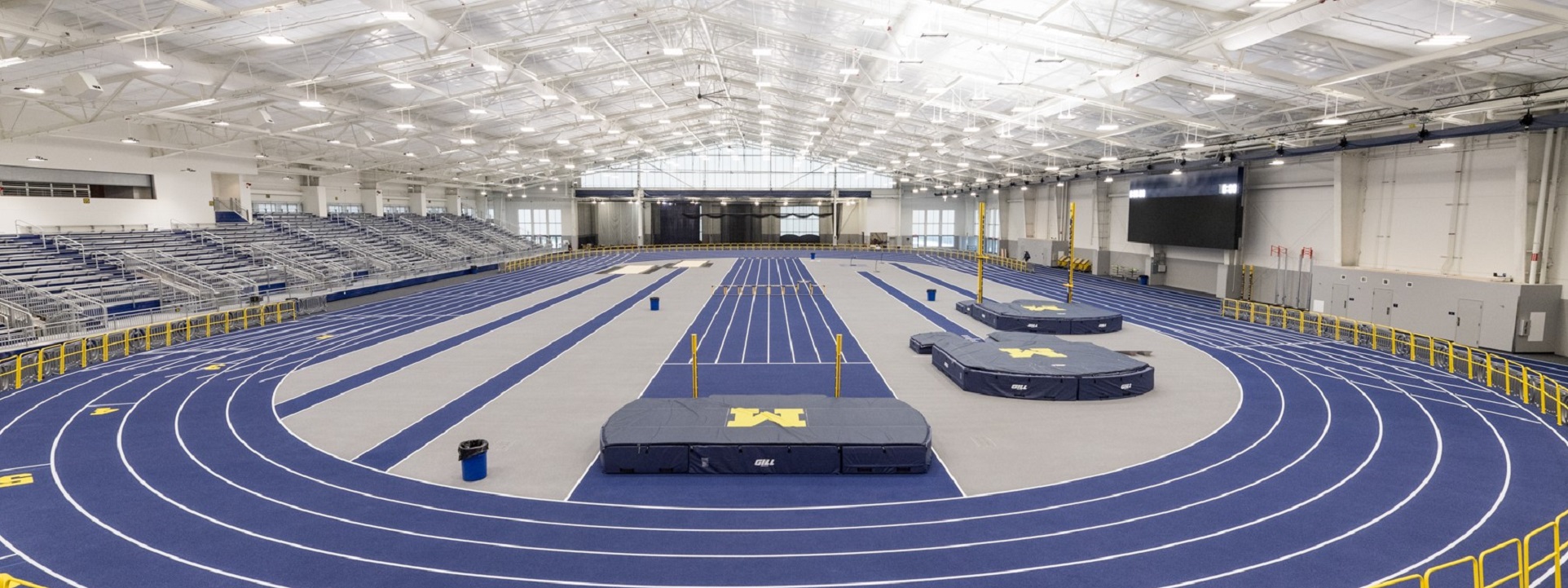
Sport programs, facilities and equipment support one of the most visible and emotionally engaging enterprises in the education communities.   These programs are central to the brand identity of the community and last, but not least, physical activity keeps our young people healthy in body and mind.

ASTM International is one of the first names among the 300-odd ANSI accredited standards setting organizations whose due processes discover and promulgate the standard of care for the design, construction, operations and maintenance of the facilities that support these enterprises.   The parent committee is linked below:

ASTM Committee F08 on Sports Equipment, Playing Surfaces, and Facilities

While ASTM bibliography is largely product-oriented, there are many titles that set the standard of care for sport enterprises and the accessories to these enterprises.  To identify a few:

ASTM 1487-17 Standard Consumer Safety Performance Specification for Playground Equipment for Public Use

ASTM F1774  Standard Specification for Climbing and Mountaineering Carabiners

ASTM F2060-00(2011) Standard Guide for Maintaining Cool Season Turfgrasses on Athletic Fields

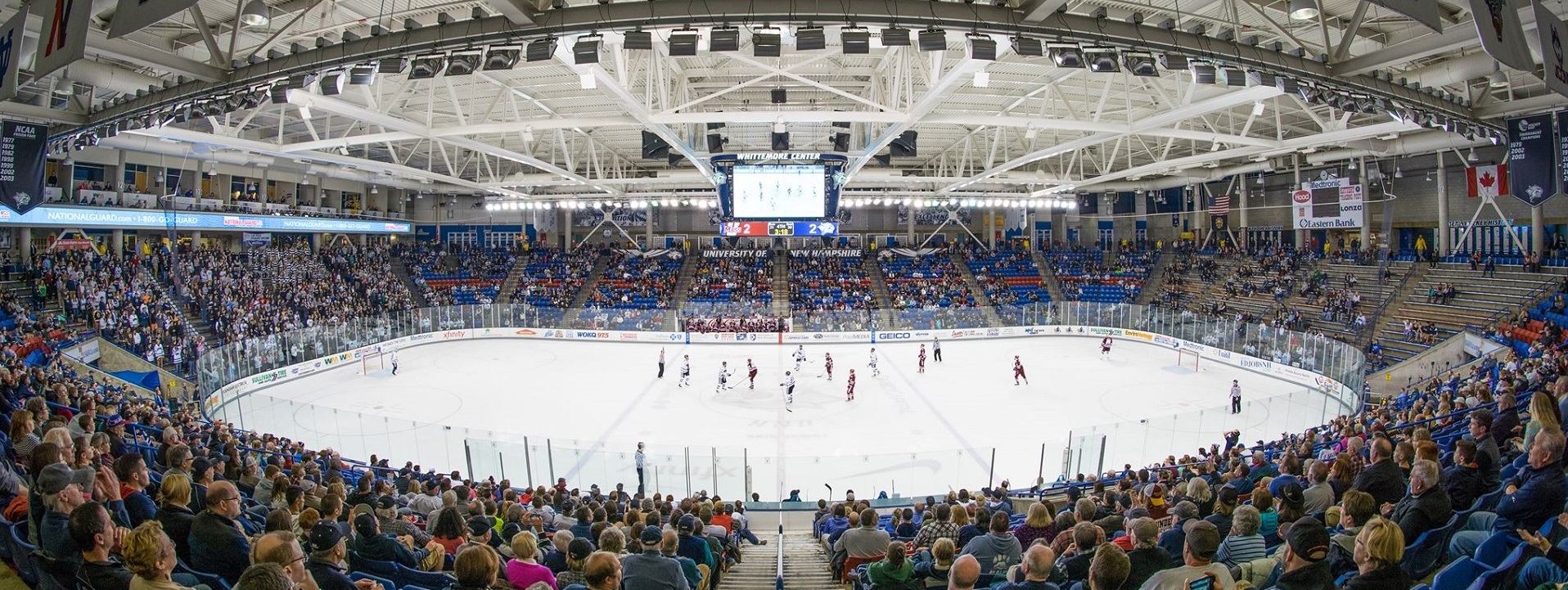
ASTM F1703-13 Standard Guide for Skating and Ice Hockey Playing Facilities

ASTM F1953-10 Standard Guide for Construction and Maintenance of Grass Tennis Courts

ASTM F1081-09(2015) Standard Specification for Competition Wrestling Mats

ASTM F2950-14 Standard Safety and Performance Specification for Soccer Goals

ASTM F2461-16e1 Standard Practice for Manufacture, Construction, Operation, and Maintenance of Aquatic Play Equipment

When the General Requirements of an athletic facility construction project indicates: “Conform to all applicable standards” then, in the case of an sport facility, the ASTM title is likely the document that defines the standard of care from a product standpoint.  Interoperability of the products in a sport setting are quite another matter.

At the international level, we track action in ISO/TC 83 Sports and other recreational facilities and equipment administered globally by the Deutsches Institut für Normung e.V.   ASTM International is ANSI’s Technical Advisory Group for  this committee.
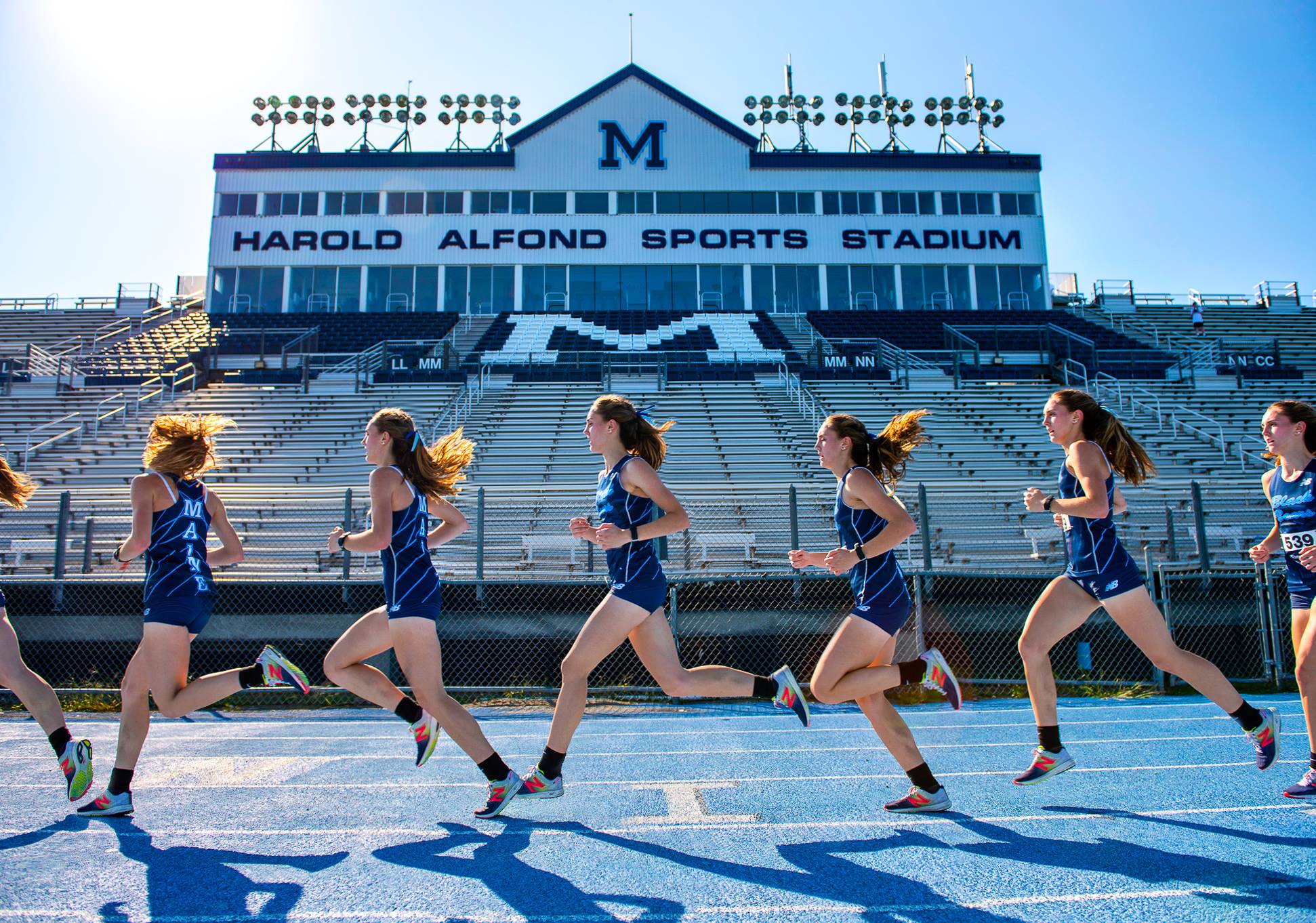
University of Maine

The ASTM standards development process depends heavily on face-to-face meetings — typically two times per year – in different parts of the United States.   The benefit of this arrangement lies in the quality of discussion among subject matter experts that results produced from face-to-face discussion.  The price to pay for this quality, however, lies in the cost of attendance for the user-interest in the education industry.   Relatively few subject matter experts directly employed by a school district, college or university who are charged with lowering #TotalCostofOwnership can attend the meetings.   Many of the subject matter experts who are in attendance at the ASTM meetings from the education industry tend to be faculty who are retained by manufacturers, insurance, testing laboratories, conformity and compliance interests.  (See our discussion of Incumbent Interests)

That much said, ASTM welcomes subject matter experts on its technical committees (Click here)  We encourage participation by end users from the education industry — many of them in the middle of athletic facility management organization charts.   The parent committee meets twice a year; after which we usually find public review redlines developed during those meetings to hit our radar.  The link to the schedule of face-to-face meetings appears below:

F08 Meetings

Note that the August 2020 cancelled but the November 2020 meeting still appears on the schedule.  It is likely that much of the committee work will be done online.

We are required to review draft ASTM consensus products with some care — owing to copyright restrictions — so we do it interactively online during teleconferences devoted to Sport.  See our CALENDAR for the next online meeting; open to everyone.

Issue: [7-7] [10-32] [13-165] [20-156] 

Category: Sport, Management, Risk Management

Contact: Mike Anthony, Jack Janveja, George Reiher, Richard Robben

Synthetic Turf Guidelines


Animal Safety

“One of the Family” 1880 | Frederick George Cotman

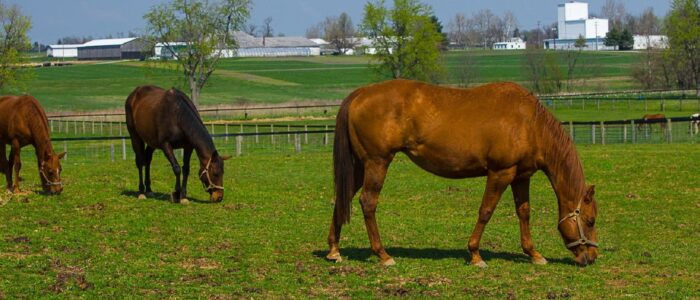
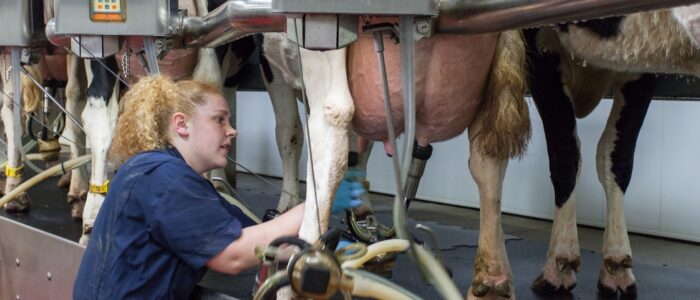
NFPA 150 Fire and Life Safety in Animal Housing Facilities Code has entered its s025 revision cycle.   Many education communities are responsible for animal safety in academic units, research enterprises. museums and even — as in the United Kingdom — large farm animals that wander freely on campus with students, faculty and staff.  The number of colleges and universities that permit students to live with their pets has expanded; and with it the responsibilities of university administration.

From the document scope:

This standard shall provide the minimum requirements for the design, construction, fire protection, and classification of animal housing facilities.  The requirements of NFPA 150 recognize the following fundamental principles:

(1) Animals are sentient beings with a value greater than that of simple property.

(2) Animals, both domesticated and feral, lack the ability of self-preservation when housed in buildings and other structures.

(3) Current building, fire, and life safety codes do not address the life safety of the animal occupants. The requirements found in NFPA 150 are written with the intention that animal housing facilities will continue to be designed, constructed, and maintained in accordance with the applicable building, fire, and life safety codes.

The requirements herein are not intended to replace or rewrite the basic requirements for the human occupants. Instead, NFPA 150 provides additional minimum requirements for the protection of the animal occupants and the human occupants who interact with those animals in these facilities. 


A full description of the project is linked below:

Fire and Life Safety in Animal Housing Facilities Code

Access to the 2025 Edition is linked below:

FREE ACCESS NFPA 150

We provide the transcript of the back-and-forth on the current 2022 edition to inform how education communities can contribute to the improvement of this title; a subject that stirs deep feelings about animal safety in research enterprises.

NFPA 150 First Draft Agenda

NFPA 150 Second Draft Report

Public comment on the Second Draft of the 2025 Edition will be received until March 27, 2024.   

We have been advocating risk-informed animal safety concepts in this document since the 2013 Edition and have found that it is nearly impossible to overestimate the sensitivity of educational communities to the life safety of animals — either for agriculture or medical research.

We maintain the entire NFPA catalog on the standing agenda of our Prometheus colloquia.  See our CALENDAR for the next online meeting; open to everyone.

"i thank You God for most this amazing day:for the leaping greenly spirits of trees and a blue true dream of sky;and for everything which is natural which is infinite which is yes" -- e.e.cummings ('Seventy-One Poems' 1950)


Issue: [11-1] and [19-5]

Category: Fire Protection, Facility Asset Management, Academic, Risk Management

Colleagues: Mike Anthony, Josh Elvove, Joe DeRosier

More:

Protecting Animals When Disaster Strikes

Animals 300


Bibliography:

25 Most Pet-Friendly Colleges

National Institute of Health: Policy on Humane Care and Use of Laboratory Animals

International Building Code: Section 304 (Business Group B): Animal hospitals, kennels and pounds

Terrestrial Animal Health Code

IEEE Guide for Animal Deterrents for Electric Power Supply Substations

ASHRAE Animal Facilities

IEEE Livestock Monitoring System

Ventilation Design Handbook on Animal Research Facilities

HVAC Design in Animal Facilities

USDA Animal Welfare Information Center

ISO Assistance Dogs

US Department of Agriculture: Animal Welfare Act and Animal Welfare Regulations

S. 4288: Reducing Animal Testing Act

Guaranteeing safety of animals under risk of fire: conceptual framework and technical issues analysis

Protecting Animals When Disaster Strikes


Prevention of Slips, Trips and Falls

“Winterlandschaft” | Aert van der Neer (1655)

The mission of the National Floor Safety Institute (NFSI) is to aid in the prevention of slips, trips-and-falls through education, research, and standards development.  NFSI provides a wide range of services including independent product testing and certification, educational training, and standards development.   Its consensus product library is linked below:

Our Standards

We track several NFSI products for the education facility industry; one of which is linked below:

B101.6 STANDARD GUIDE FOR COMMERCIAL ENTRANCE MATTING IN REDUCING SLIPS, TRIPS AND FALLS.

At the moment the 2012 edition linked above appears to be the current version.   User-interests in the education facility industry — custodial mangers and staff, for example –are encouraged to communicate directly with Russell Kendzior at NFSI, P.O. Box 92607, Southlake, TX 76092, (817) 749-1700, russk@nfsi.org.

Brigham Young University

There are several accredited standards developers in this space and our algorithm tracks them all.  We place this product suite on the standing agenda of our monthly Interior Fixture & Hygiene online meeting; open to everyone.  Use the login credentials at the upper right of our home page to log in.

Issue: [18-193]

Category: Risk Management, Interior Fixtures & Hygiene, Facility Asset Management

Colleagues:  John Lawter, Richard Robben


More:

Floor Safety

NFSI Board of Directors Terminates Relationship with ANSI, January 31, 2020


Energy Standard for Data Centers

Consulting-Specifying Engineer (March 4, 2025): Why and how to adopt the IECC for energy-efficient designs


2024 Update to ASHRAE Position Statements

List of Titles, Scopes and Purposes of the ASHRAE Catalog

Public Review Draft Standards

The parent title of this standard is ASHRAE Standard 90.1: Energy Standard for Buildings Except Low-Rise Residential Buildings  and is continually under revision; frequently appearing in electrical engineering design guidelines, construction specifications, commissioning and O&M titles in our industry and others.

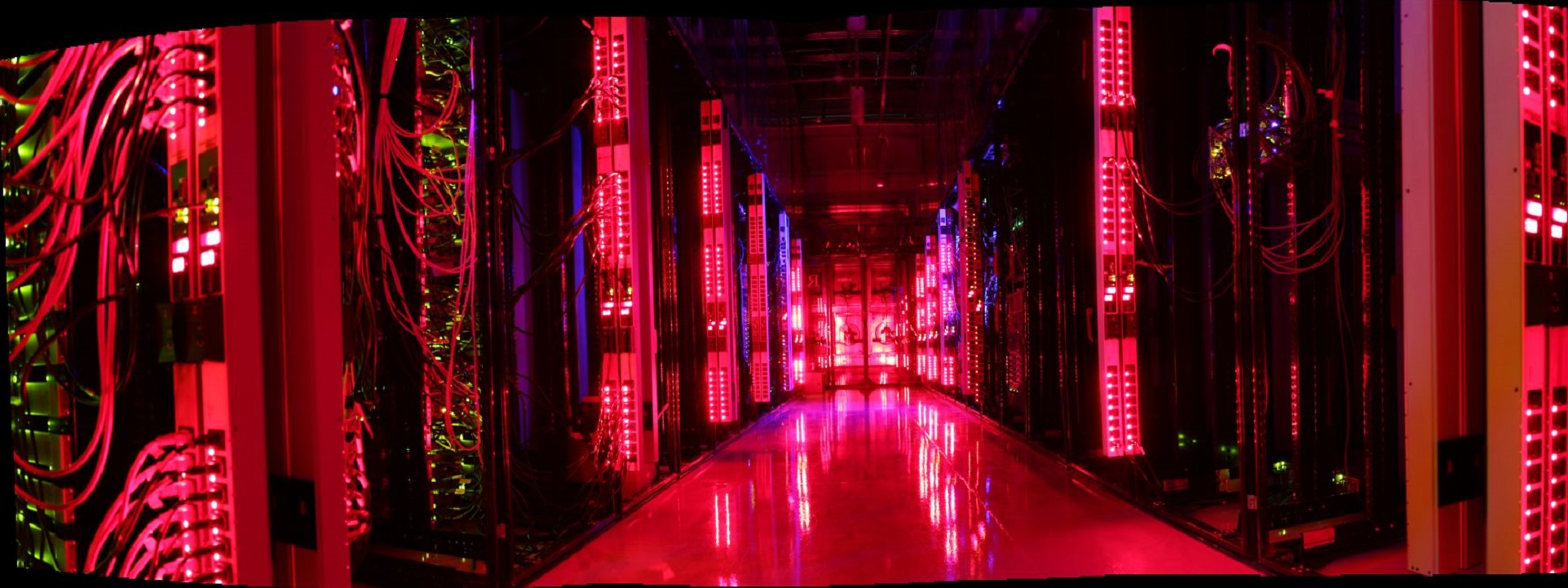
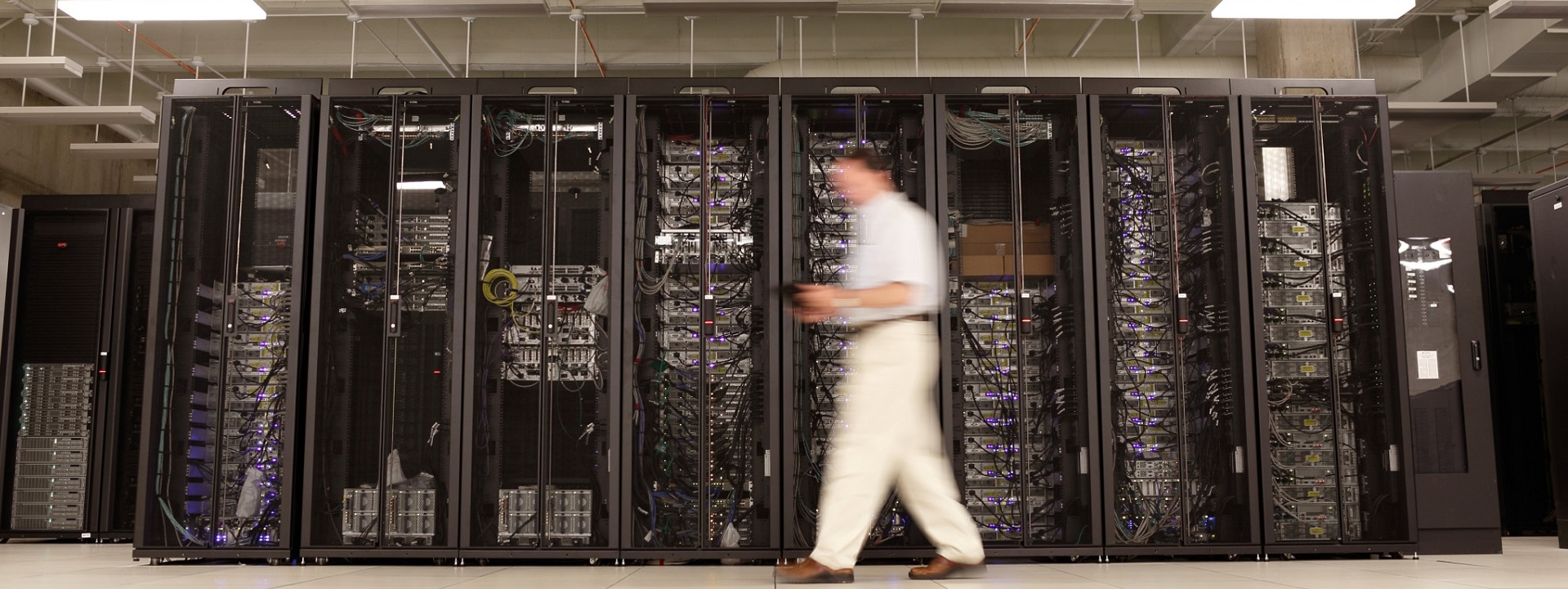
ASHRAE 90.4 defines an alternate compliance path, specific to data centers, while the compliance requirements for “non-data center” components are contained in ASHRAE 90.1 .  The 90.4 structure also streamlines the ongoing maintenance process as well ensures that Standards 90.1 and 90.4 stay in their respective lanes to avoid any overlap and redundancies relating to the technical and administrative boundaries.  Updates to ASHRAE 90.1 will still include the alternate compliance path defined in ASHRAE 90.4. Conversely the 2022 Edition of 90.4-2022 refers to ASHRAE 90.1-2022; cross-referencing one another synchronously

Links to noteworthy coverage from expert agencies on the 2022 revisions:

Addendum g modifies Sections 3 and 6 to support the regulation of process heat and process ventilation

HPC Data Center Cooling Design Considerations

ASHRAE standard 90.4 updates emphasize green energy

ASHRAE updated its standard for data centers

How to Design a Data Center Cooling System for ASHRAE 90.4

Designing a Data Center with Computer Software Modeling

This title resides on the standing agenda of our Infotech 400 colloquium; hosted several times per year and as close coupled with the annual meetings of ASHRAE International as possible.  Technical committees generally meet during these meetings make decisions about the ASHRAE catalog.  The next all committee conference will be hosted January 20-24, 2024 in Chicago.  As always we encourage education industry facility managers, energy conservation workgroups and sustainability professionals to participate directly in the ASHRAE consensus standard development process.  It is one of the better facilities out there.

Start at ASHRAE’s public commenting facility:

Online Standards Actions & Public Review Drafts

Energy Standard for *Sites* and Buildings


Update: May 30, 2023

Proposed Addendum g makes changes to definitions were modified in section 3 and mandatory language in Section 6 to support the regulation of process heat and process ventilation was moved in the section for clarity. Other changes are added based on comments from the first public review including changes to informative notes.

Consultation closes June 4th


Update: February 10, 2023

The most actively managed consensus standard for data center energy supply operating in education communities (and most others) is not published by the IEEE but rather by ASHRAE International — ASHRAE 90.4 Energy Standard for Data Centers (2019).  It is not required to be a free access title although anyone may participate in its development.   It is copyrighted and ready for purchase but, for our purpose here, we need only examine its scope and purpose.   A superceded version of 90.4 is available in the link below:

Third ISC Public Review Draft (January 2016)

Noteworthy: The heavy dependence on IEEE power chain standards as seen in the Appendix and Chapter 8.  Recent errata are linked below:

https://www.ashrae.org/file%20library/technical%20resources/standards%20and%20guidelines/standards%20errata/standards/90.4-2016errata-5-31-2018-.pdf

https://www.ashrae.org/file%20library/technical%20resources/standards%20and%20guidelines/standards%20errata/standards/90.4-2019errata-3-23-2021-.pdf

We provide the foregoing links for a deeper dive “into the weeds”.  Another addendum has been released for consultation; largely administrative:

ASHRAE 90.4 | Pages 60-61 | Consultation closes January 15, 2023.

It is likely that the technical committee charged with updating this standard are already at work preparing an updated version that will supercede the 2019 Edition.  CLICK HERE for a listing of Project Committee Interim Meetings.

We maintain many titles from the ASHRAE catalog on the standing agenda of our Mechanical, Energy 200/400, Data and Cloud teleconferences.   See our CALENDAR for the next online meeting; open to everyone.


Originally posted Summer 2020.


ASHRAE International has released four new addenda to its energy conservation consensus document ASHRAE 90.4-2016 Energy Standard for Data Centers.  This document establishes the minimum energy efficiency requirements of data centers for design and construction, for the creation of a plan for operation and maintenance and for utilization of on-site or off-site renewable energy resources.

It is a relatively new document more fully explained in an article published by ASHRAE in 2016 (Click here).   The addenda described briefly:

Addendum a  – clarifies existing requirements in Section 6.5 as well as introduce new provisions to encourage heat recovery within data centers.

Addendum b  – clarifies existing requirements in Sections 6 and 11 and to provide guidance for taking credit for renewable energy systems.

Addendum d  – a response to a Request for Interpretation on the 90.4 consideration of DieselRotary UPS Systems (DRUPS) and the corresponding accounting of these systems in the Electrical Loss Component (ELC). In crafting the IC, the committee also identified several marginal changes to 90.4 definitions and passages in Section 8 that would add further clarity to the issue. This addendum contains the proposed changes for that aim as well as other minor changes to correct spelling or text errors, incorporate the latest ELC values into Section 11, and to refresh information in the Normative Reference.

Addendum e adds language to Section 11 intended to clarify how compliance with Standard 90.4 can be achieved through the use of shared systems.

Comments are due September 6th.   Until this deadline you may review the changes and comment upon them by by CLICKING HERE

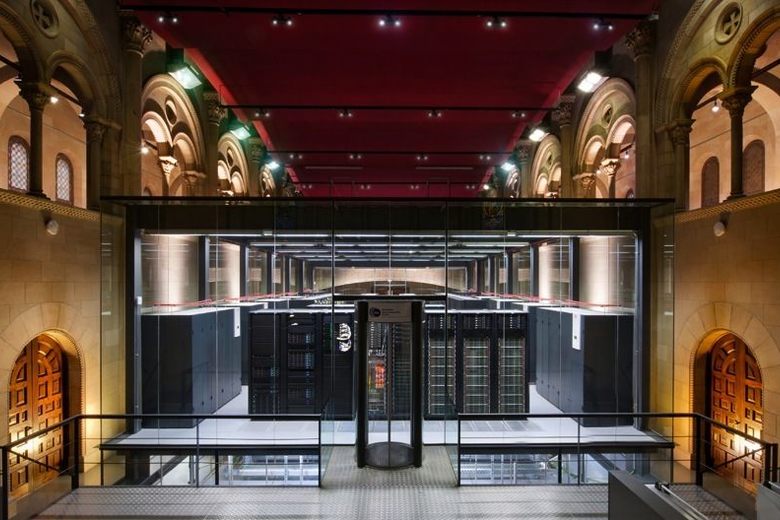
Universitat de Barcelona


Proposed Addendum g

Education facility managers, energy conservation workgroups and sustainability professionals are encouraged to participate directly in the ASHRAE standard development process.   Start at ASHRAE’s public commenting facility:

Online Standards Actions & Public Review Drafts

The ASHRAE catalog is a priority title in our practice.  This title appears on the standing agenda of our Infotech sessions.  See our CALENDAR for the next online meeting; open to everyone.

"One day ladies will take their computers for walks in the park and tell each other, "My little computer said such a funny thing this morning" - Alan Turing

Issue: [12-54]

Category: Telecommunications, Infotech, Energy

Colleagues: Mike Anthony, Robert G. Arno, Neal Dowling, Jim Harvey, Mike Hiler, Robert Schuerger, Larry Spielvogel

Workspace / ASHRAE


Kitchen Exhaust


God walks among the pots and pans.

— Saint Teresa of Ávila c.1582


One of the concentrated risk aggregations in any school district, college, university and technical school, athletic venues and university-affiliated healthcare systems, rests in the food preparation units.  On a typical large research university there are hundreds of kitchens in dormitories, student unions, athletic venues, hospitals and — to a surprising degree — kitchen facilities are showing up in classroom buildings.  Kitchens that used to be located on the periphery of campus and run by private industry are now moving into instructional spaces and operated by private food service vendors. 

Food preparation facilities present safety challenges that are on the same scale as district energy plants, athletic concession units, media production facilities and hospital operating rooms.   There are 20 accredited standards setting organizations administering leading practice discovery in this space.  Some of them concerned with fire safety; others concerned with energy conservation in kitchens, still others concerned with sanitation.    The International Kitchen Exhaust Cleaning Association is one of the first names in this space and maintains an accessible standards development home page; linked below:

IKCEA Standards

The IKECA catalog of titles establish a standard of care for cleaning activity that fills gaps in related ASHRAE, ASME, ICC and NFPA titles.  For example:

IKECA I10 Standard for the Methodology for Inspection of Commercial Kitchen Exhaust Systems

IKECA C10 Standard for the Methodology for Cleaning Commercial Kitchen Exhaust Systems

Hazards posed by un-maintained exhaust systems are covered in the NFPA Report: Structure Fires in Eating and Drinking Establishments

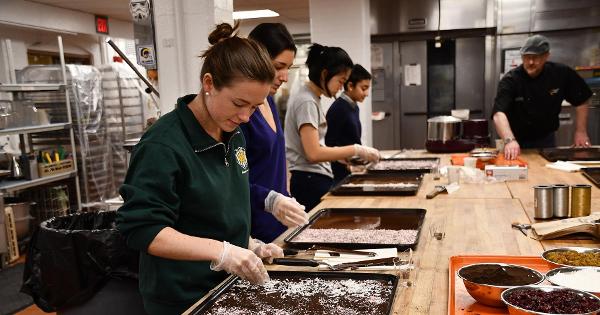
Princeton University Teaching Kitchen

We encourage subject matter experts in food enterprises in the education industry to communicate directly with John Dixon at IKCEA (jdixon@fernley.com) or Elizabeth Franks, (215) 320-3876, information@ikeca.org, International Kitchen Exhaust Cleaning Association, 100 North 20th Street, Suite 400, Philadelphia, PA 19103.   

We are happy to get specific about how the IKECA suite contributes to lower education community cost during our Food  teleconferences.  See our CALENDAR for the next online meeting; open to everyone.

Issue: [18-24]

Category: Facility Asset Management

Colleagues:  Larry Spielvogel, Richard Robben


LEARN MORE:

Dormitories, Fraternities, Sororities and Barracks

Keele University “Look When You Cook”

Commercial Kitchen Ventilation

Traps, Interceptors and Separators

Workspace / IKCEA


Energy Standard for *Sites* and Buildings

Proposed Addendum bx to Standard 90.1-2022, Energy Standard for Sites and Buildings Except Low-Rise Residential Buildings.  This second independent substantive change draft addendum on laboratory ventilation. Consultation closes December 21.

Addendum av to ANSI/ASHRAE/IES Standard 90.1-2022, Energy Standard for Sites and Buildings Except Low-Rise Residential Buildings. This addendum creates more exacting provisions for envelope alterations. The new format is intended to better communicate the requirements, triggers, and allowances associated with performing an envelope alteration to promote energy efficiency within the impacted area(s).  Consultation closes October 6.

ANSI Standards Action Weekly Edition | Given ASHRAE’s revision redlines are frequently uploaded here

The American Society of Heating, Refrigerating, and Air Conditioning Engineers (ASHRAE) is an ANSI-accredited continuous-maintenance standards developer (a major contributor to what we call a regulatory product development “stream”).   Continuous maintenance means that changes to its consensus products can change in as little as 30 days so it is wise to keep pace.

Among the leading titles in its catalog is ASHRAE 90.1 Energy Standard for Sites and Buildings Except Low-Rise Residential Buildings.  Standard 90.1 has been a benchmark for commercial building energy codes in the United States and a key basis for codes and standards around the world for more than 35 years.  Free access to ASHRAE 90.1 version is available at the link below:

READ ONLY Version of 2022 ASHRAE 90.1

Redlines are released at a fairly brisk pace — with 30 to 45 day consultation periods.  A related title — ASHRAE 189.1 Standard for the Design of High Performance Green Buildings — first published in 2009 and far more prescriptive in its scope heavily  references parent title 90.1 so we usually them as a pair because 189.1 makes a market for green building conformance enterprises. Note the “extreme prescriptiveness” (our term of art) in 189.1 which has the practical effect of legislating engineering judgement, in our view.

25 January 2023: Newly Released ASHRAE 90.1-2022 Includes Expanded Scope For Building Sites

ASHRAE committees post their redlines at the link below:

Online Standards Actions & Public Review Drafts

Education estate managers, energy conservation workgroups, sustainability officers, electric shop foreman, electricians and front-line maintenance professionals who change lighting fixtures, maintain environmental air systems are encouraged to participate directly in the ASHRAE consensus standard development process.

We also maintain ASHRAE best practice titles as standing items on our Mechanical, Water, Energy and Illumination colloquia.  See our CALENDAR for the next online meeting; open to everyone.

Issue: [Various]

Category: Mechanical, Electrical, Energy Conservation, Facility Asset Management, US Department of Energy, #SmartCampus

Colleagues: Mike Anthony, Larry Spielvogel, Richard Robben

Under Construction:  ASHRAE WORKSPACE


More

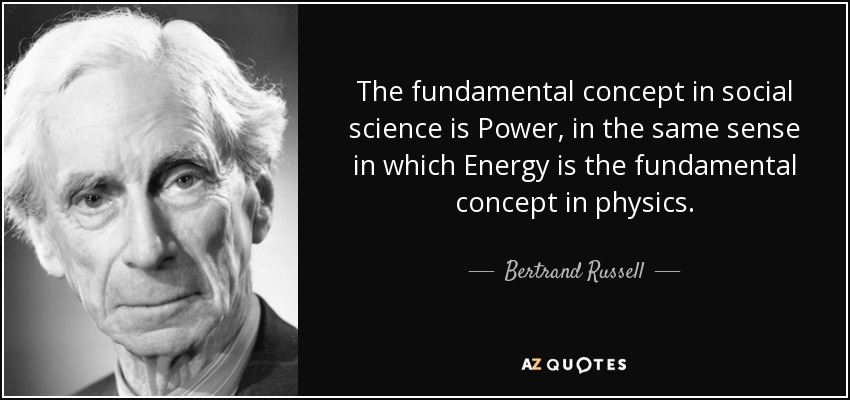
The fundamental concept in social science is Power, in the same sense in which Energy is the fundamental concept in physics. - Bertrand Russell

ANSI/ASHRAE/IES 90.1-2019: Energy Standard For Buildings

ARCHIVE 2002-2016 / ASHRAE 90.1 ENERGY STANDARD FOR BUILDINGS

US Department of Energy Building Energy Codes Program

ASHRAE Guideline 0 The Commissioning Process

Why Software is Eating the World


* Many standards-developing organizations aim to broaden their influence by entering the product standard and certification domain. Although our primary focus is on interoperability standards (within a system of interoperable products), we also consider market dynamics when product performance specifications are incorporated by reference into public law.


To paraphrase Marc Andreessen: “Building standards are eating the world and ASHRAE is eating building standards” (– Mike Anthony, University of Michigan). Just when you thought ASHRAE’s claim to energy regulation could not get any larger, it has recently appropriated everything *between* buildings in its scope — that means all above-ground pathway lighting, steam, hot water communication cabling tunnels, water pumps, fire protections systems; among others.

Designing Lighting for People and Buildings

IES Standards Open for Public Review

Standard Practice on Lighting for Educational Facilities

Recommended Practice: Lighting Retail Spaces

IES Method for Determining Correlated Color Temperature


Sport Lighting

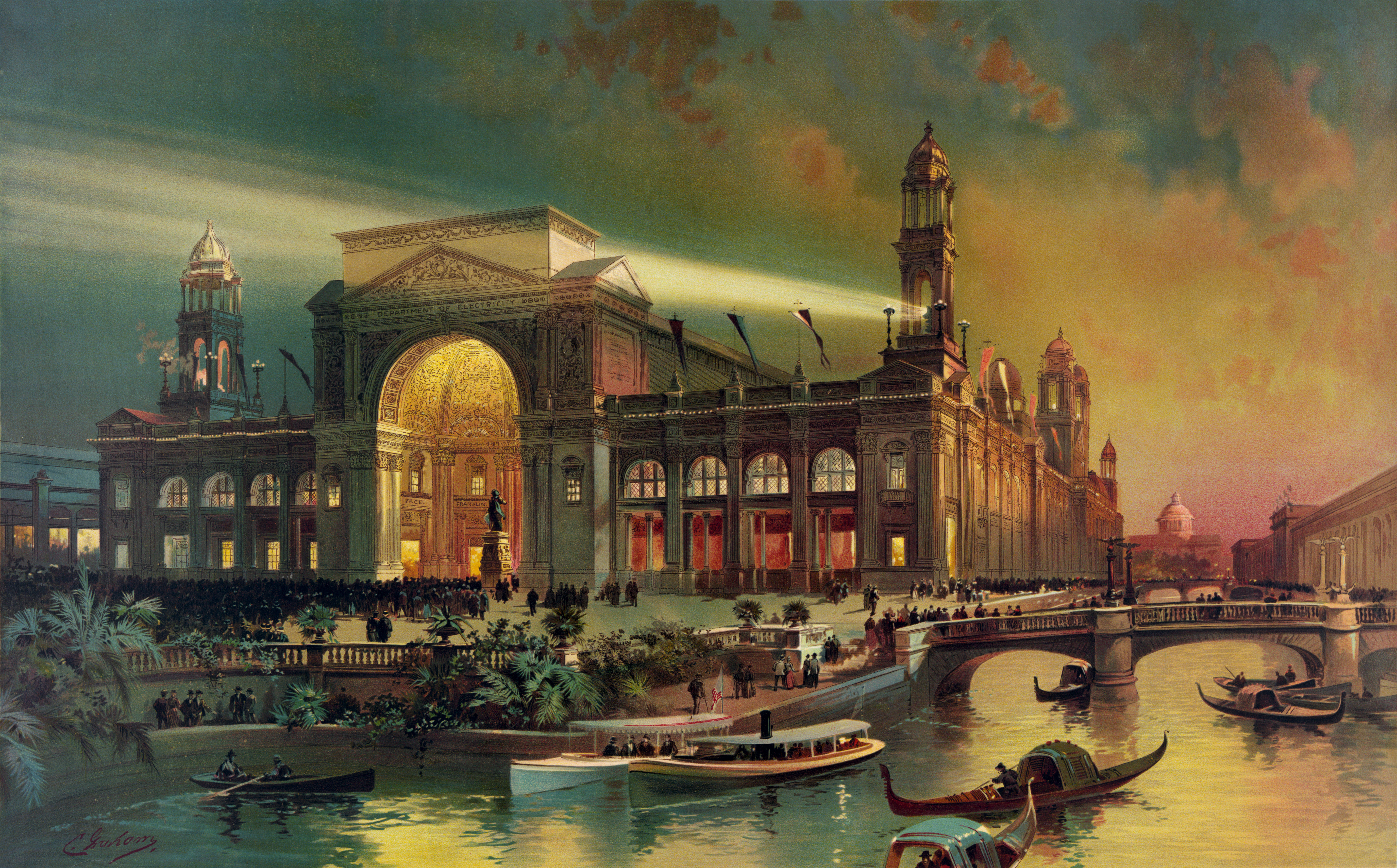
“Electrical Building World’s Columbian Exposition Chicago 1892

Today we feature the catalog of the Illumination Engineering Society — one of the first names in standards-setting in illumination technology, globally* with particular interest in its leading title IES LP-1 | LIGHT + DESIGN Lighting Practice: Designing Quality Lighting for People and Buildings.

From its prospectus:

“…LIGHT + DESIGN was developed to introduce architects, lighting designers, design engineers, interior designers, and other lighting professionals to the principles of quality lighting design. These principles; related to visual performance, energy, and economics; and aesthetics; can be applied to a wide range of interior and exterior spaces to aid designers in providing high-quality lighting to their projects.

Stakeholders: Architects, interior designers, lighting practitioners, building owners/operators, engineers, the general public, luminaire manufacturers.  This standard focuses on design principles and defines key technical terms and includes technical background to aid understanding for the designer as well as the client about the quality of the lighted environment. Quality lighting enhances our ability to see and interpret the world around us, supporting our sense of well-being, and improving our capability to communicate with each other….”


The entire catalog is linked below:

IES Lighting Library

Illumination technologies run about 30 percent of the energy load in a building and require significant human resources at the workpoint — facility managers, shop foremen, front-line operations and maintenance personnel, design engineers and sustainability specialists.  The IES has one of the easier platforms for user-interest participation:

IES Standards Open for Public Review

Because the number of electrotechnology standards run in the thousands and are in continual motion* we need an estimate of user-interest in any title before we formally request a redline because the cost of obtaining one in time to make meaningful contributions will run into hundreds of US dollars; apart from the cost of obtaining a current copy.

We maintain the IES catalog on the standing agendas of our Electrical, Illumination and Energy colloquia.   Additionally, we collaborate with experts active in the IEEE Education & Healthcare Facilities Committee which meets online 4 times monthly in European and American time zones; all colloquia online and open to everyone.   Use the login credentials at the upper right of our home page to join us.

Issue: [Various}

Category: Electrical, Energy, Illumination, Facility Asset Management

Colleagues: Mike Anthony, Gary Fox, Jim Harvey, Kane Howard, Glenn Keates, Daleep Mohla, Giuseppe Parise, Georges Zissis

*  “Brownian Motion” comes to mind because of the speed and interdependencies.

“Season of Light Illumination”


LEARN MORE:

Human Resources 100

Office in a Small City 1953 Edward Hopper


“Choose a job you love,

and you will never have to work a day in your life.”

Kong Fuzi, Confucius


Today we dwell on titles that inform management of the education industry in the United States specifically; but also more generally in global markets where the education industry is classified as a Producer and a User of human resources.  It is an enormous domain; likely the largest.

Human Resources 100 covers skilled trade training in all building construction disciplines.

Vocational Education Act of 1917, or Smith-Hughes Act of 1917

February: Association for Career and Technical Education | #CTEMonth

Human Resources 200 covers the range of skills needed to manage the real assets of educational settings — school district properties, college and university campuses

Human Resources 300 covers higher level management of these settings.  (Representative Organization Charts)

Human Resources 500 covers everything else

Human Resources 500

Use the login credentials at the upper right of our home page.

Engineering a Fair Future: Why we need to train unbiased AI

Recommended Reading:

“The Human Side of Enterprise” 1960 by Douglas McGregor | MIT Management Sloan School

University of Chicago Press: Readings in Managerial Psychology

I've searched all the parks in all the cities - and found no statues of Committees. - Gilbert K. Chesterton


More

Lee Webster

Virginia Commonwealth University: “Self Reliance” Ralph Waldo Emerson

Paris Review: The Myth of Self-Reliance

Using ANSI Human Resource Standards to Create Business Advantage in the Workplace

Colleges and Organizational Structure of Universities

Apprenticeships: International Brotherhood of Electrical Workers

Software Engineering Code of Ethics and Professional Practice

“Google’s Ideological Echo Chamber” James Damore


Stationary Energy Storage Systems

Should every campus building generate its own power? Sustainability workgroups are vulnerable to speculative hype about net-zero buildings and microgrids. We remind sustainability trendsniffers that the central feature of a distributed energy resource–the eyesore known as the university steam plant–delivers most of the economic benefit of a microgrid. [Comments on Second Draft due April 29th] #StandardsMassachusetts

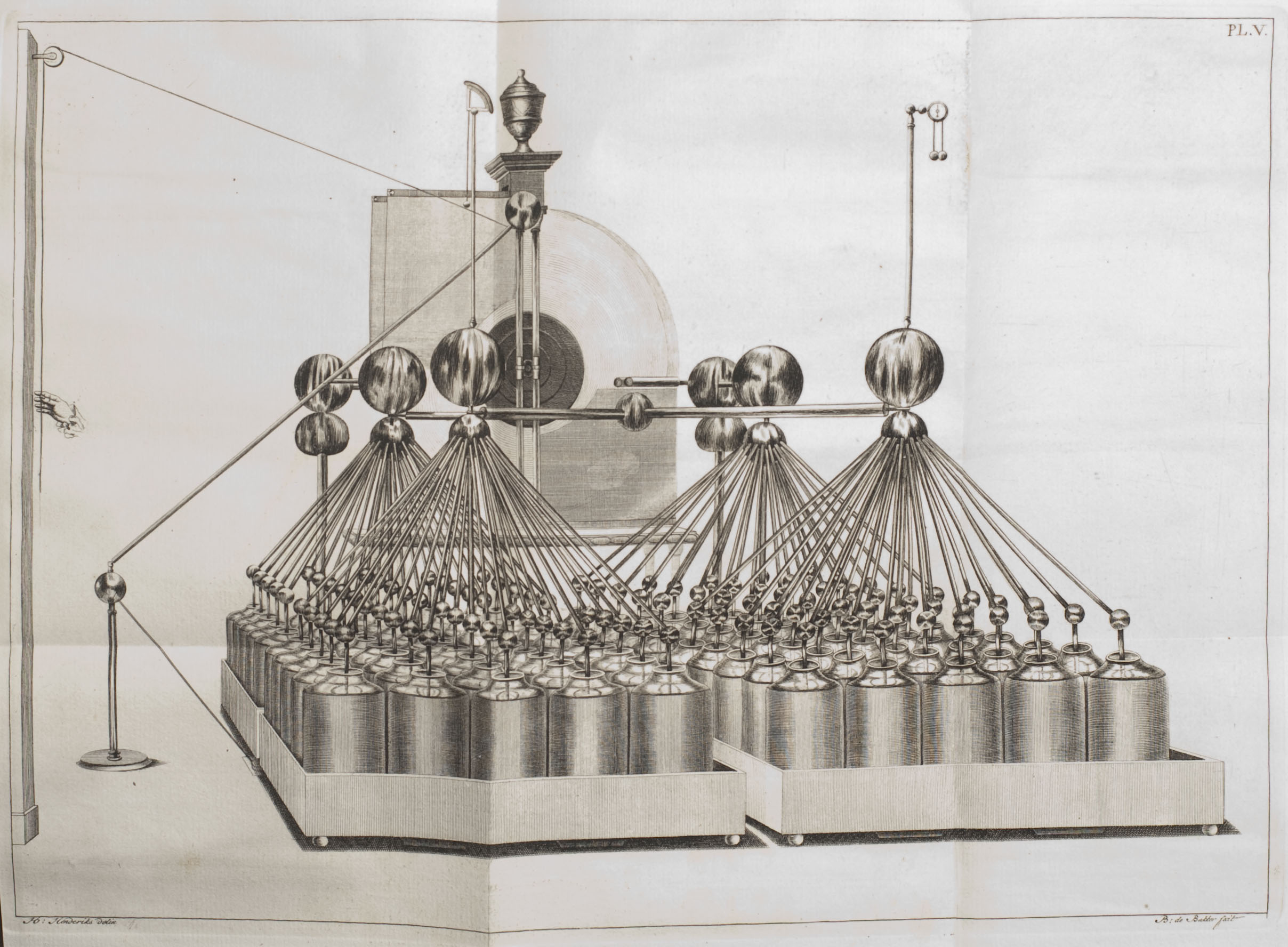
“M. van Marum. Tweede vervolg der proefneemingen gedaan met Teyler’s electrizeer-machine, 1795” | An early energy storage device | Massachusetts Institute of Technology Libraries

We have been following the developmental trajectory of a new NFPA regulatory product — NFPA 855 Standard for the Installation of Stationary Energy Storage Systems — a document with ambitions to formalize the fire safety landscape of the central feature of campus microgrids by setting criteria for minimizing the hazards associated with energy storage systems.

The fire safety of electric vehicles and the companion storage units for solar and wind power systems has been elevated in recent years with incidents with high public visibility.  The education industry needs to contribute ideas and data to what we call the emergent #SmartCampus;an electrotechnical transformation — both as a provider of new knowledge and as a user of the new knowledge.

Transcripts of technical deliberation are linked below:

2026 Public Input Report (705 pages) § 2026 Second Draft Meeting Agenda (912 pages)

Comment on the 2026 revision received by March 27, 2025 will be heard at the NFPA June 2025 Expo through NFPA’s NITMAM process.

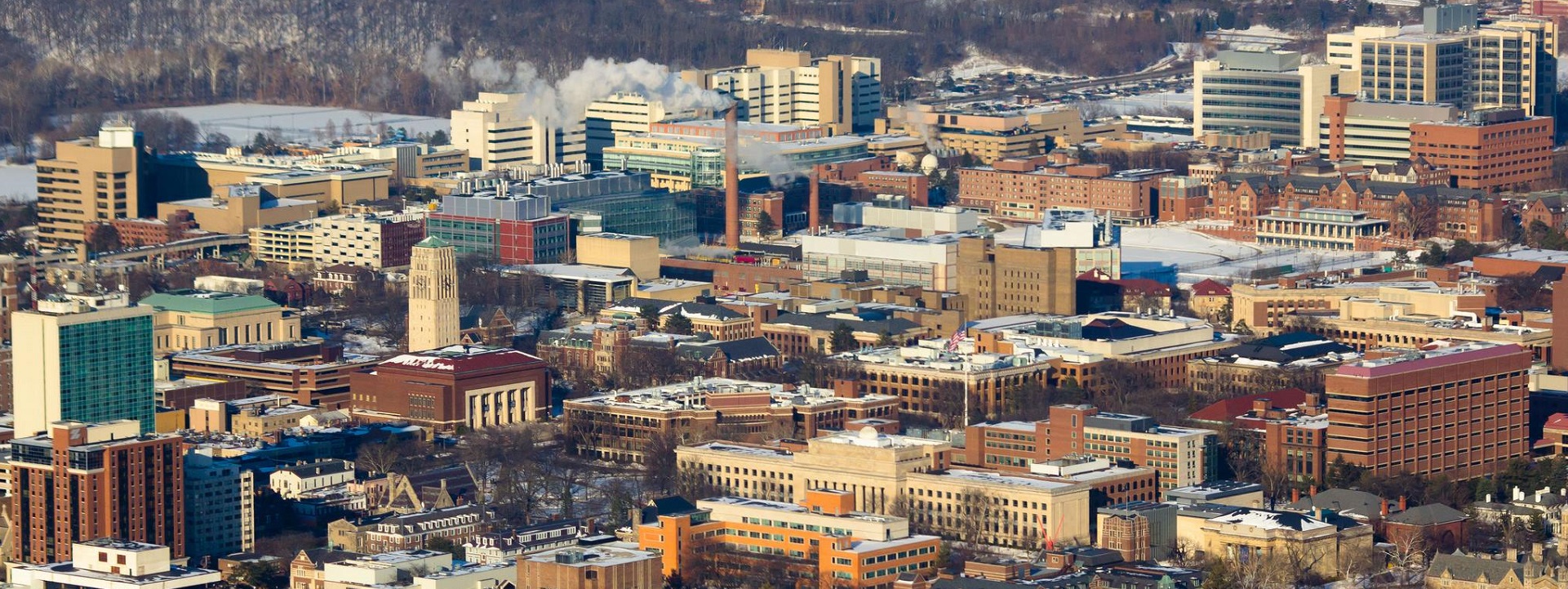
University of Michigan | Average daily electrical load across all Ann Arbor campuses is on the order of 100 megawatts

A fair question to ask: “How is NFPA 855 going to establish the standard of care any better than the standard of care discovered and promulgated in the NFPA 70-series and the often-paired documents NFPA 110 and NFPA 111?”  (As you read the transcript of the proceedings you can see the committee tip-toeing around prospective overlaps and conflicts; never a first choice).

Suffice to say, the NFPA Standards Council has due process requirements for new committee projects and, obviously, that criteria has been met.   Market demand presents an opportunity to assemble a new committee with fresh, with new voices funded by a fresh set of stakeholders who, because they are more accustomed to advocacy in open-source and consortia standards development platforms, might have not been involved in the  more rigorous standards development processes of ANSI accredited standards developing organizations — specifically the NFPA, whose members are usually found at the top of organization charts in state and local jurisdictions.  For example we find UBER — the ride sharing company — on the technical committee.  We find another voice from Tesla Motors.  These companies are centered in an industry that does not have the tradition of leading practice discovery and promulgation that the building industry has had for the better part of two hundred years.

Our interest in this standard lies on both sides of the education industry — i.e. the academic research side and the business side.  For all practical purposes, the most credible, multi-dimensional and effective voice for lowering #TotalCostofOwnership for the emergent smart campus is found in the tenure of Standards Michigan and its collaboration with IEEE Education & Healthcare Facilities Committee (E&H).  You may join us sorting through the technical, economic and legal particulars and day at 11 AM Eastern time.   The IEEE E&H Committee meets online every other Tuesday in European and American time zones; the next meeting on March 26th.  All meetings are open to the public.

University of California San Diego Microgrid

You are encouraged to communicate directly with Brian O’Connor, the NFPA Staff Liaison for specific questions.  We have some of the answers but Brian is likely to have all of them.   CLICK HERE for the NFPA Directory.  Additionally, NFPA will be hosting its Annual Conference & Expo, June 17-20 in San Antonio, Texas; usually an auspicious time for meeting NFPA staff working on this, and other projects.

The prospect of installing of energy storage technologies at every campus building — or groups of buildings, or in regions — is clearly transformational if the education facilities industry somehow manages to find a way to drive the cost of operating and maintaining many energy storage technologies lower than the cost of operating and maintaining a single campus distributed energy resource.  The education facility industry will have to train a new cadre of microgrid technology specialists who must be comfortable working at ampere and voltage ranges on both sides of the decimal point that separates power engineers from control engineers.  And, of course, dynamic utility pricing (set by state regulatory agencies) will continue to be the most significant independent control variable.

Finding a way to make all this hang together is the legitimate work of the academic research side of the university.   We find that sustainability workgroups (and elected governing bodies) in the education industry are vulnerable to out-sized claims about microgrids and distributed energy resources; both trendy terms of art for the electrotechnical transformation we call the emergent #SmartCampus.

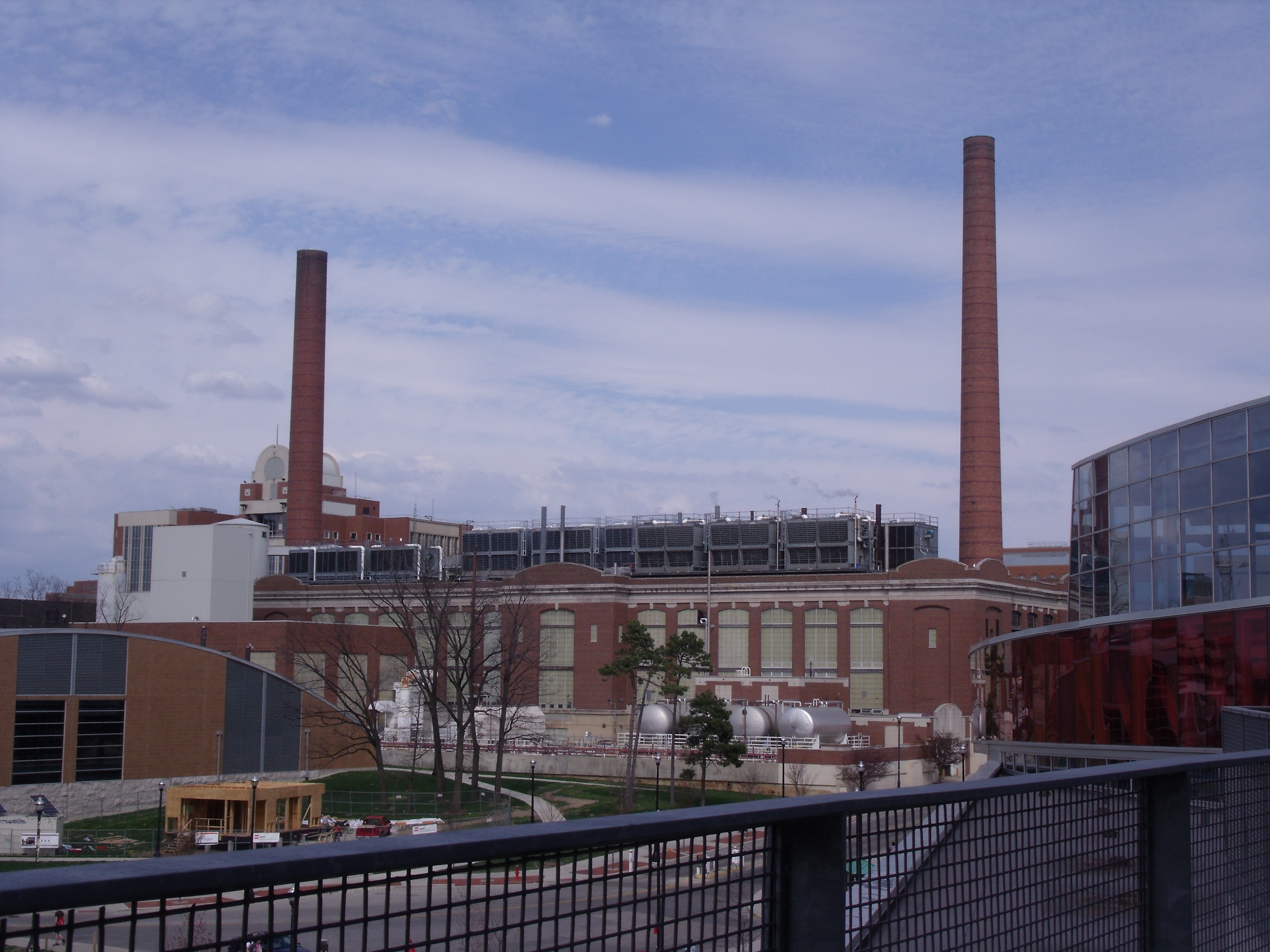
We remind sustainability trendsniffers that the central feature of a distributed energy resource — the eyesore known as the university steam plant — bears most of the characteristics of a microgrid.   In the videoclip linked below a respected voice from Ohio State University provides enlightenment on this point; even as he contributes to the discovery stream with a study unit.

Ohio State University McCracken Power Plant

Issue: [16-131]

Category:  District Energy, Electrical, Energy, Facility Asset Management, Fire Safety, Risk Management, #SmartCampus, US Department of Energy

Colleagues: Mike Anthony, Bill Cantor (wcantor@ieee.org). Mahesh Illindala

Standards Massachusetts, Standards Texas, Standards Ohio

*It is noteworthy that (NFPA 70) National Electrical Code-Making Panel 1 has appropriated vehicle-to-grid installations into its scope.


Princeton University Power Plant | Click on image

LEARN MORE:

Related Post: Electrical Safety Research Advisory Committee

Bibiography: Campus Microgrids

Higher Education Facilities Conference: The Rise of University Microgrids


Mahesh Illindala enlightens understanding of what microgrid is, and is not:


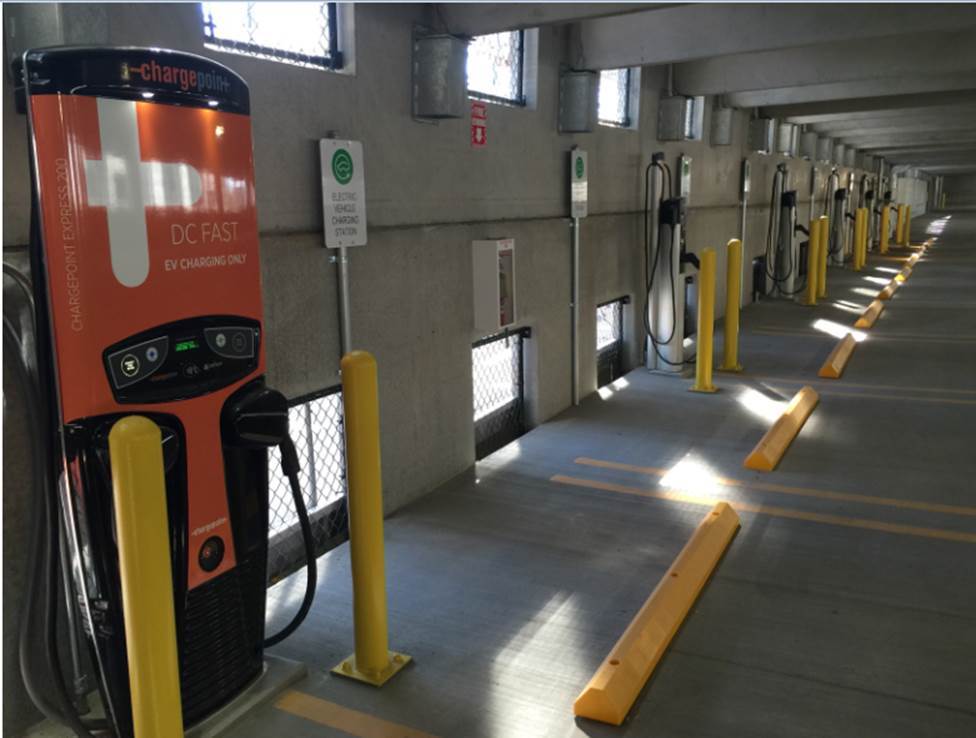
Electric Vehicle Charging

GROUP A MODEL BUILDING CODES: Comments on Committee Actions will be received until July 8th

International Building Code Chapter 4, Section 406.2.7

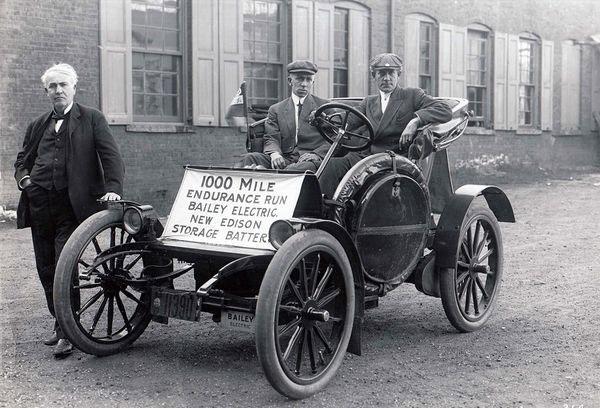
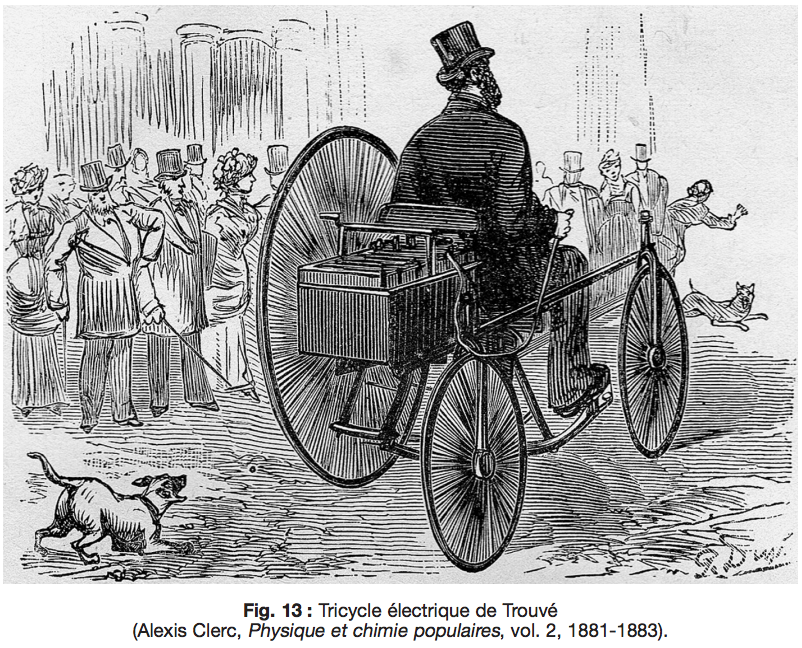
Edison electric vehicle | National Park Service, US Department of the Interior


Free public access to the 2021 edition of the International Energy Conservation Code (IECC) is linked below:

2021 International Energy Conservation Code


Electric vehicle charging stations are addressed in the 2024 International Energy Conservation Code (IECC) within two specific appendices:

Appendix RE: This appendix provides detailed requirements for electric vehicle charging infrastructure, focusing on both residential and commercial buildings. It includes definitions and infrastructure standards to ensure that new constructions are equipped to support electric vehicle charging​

Appendix CG: This appendix offers guidance on electric vehicle power transfer and charging infrastructure, emphasizing the integration of EV-ready requirements into building designs. It outlines the necessary provisions for installing and managing EV charging stations, ensuring compliance with energy conservation standards​

.These appendices are part of the broader efforts to incorporate EV infrastructure into building codes, promoting energy efficiency and supporting the transition to electric vehicles.

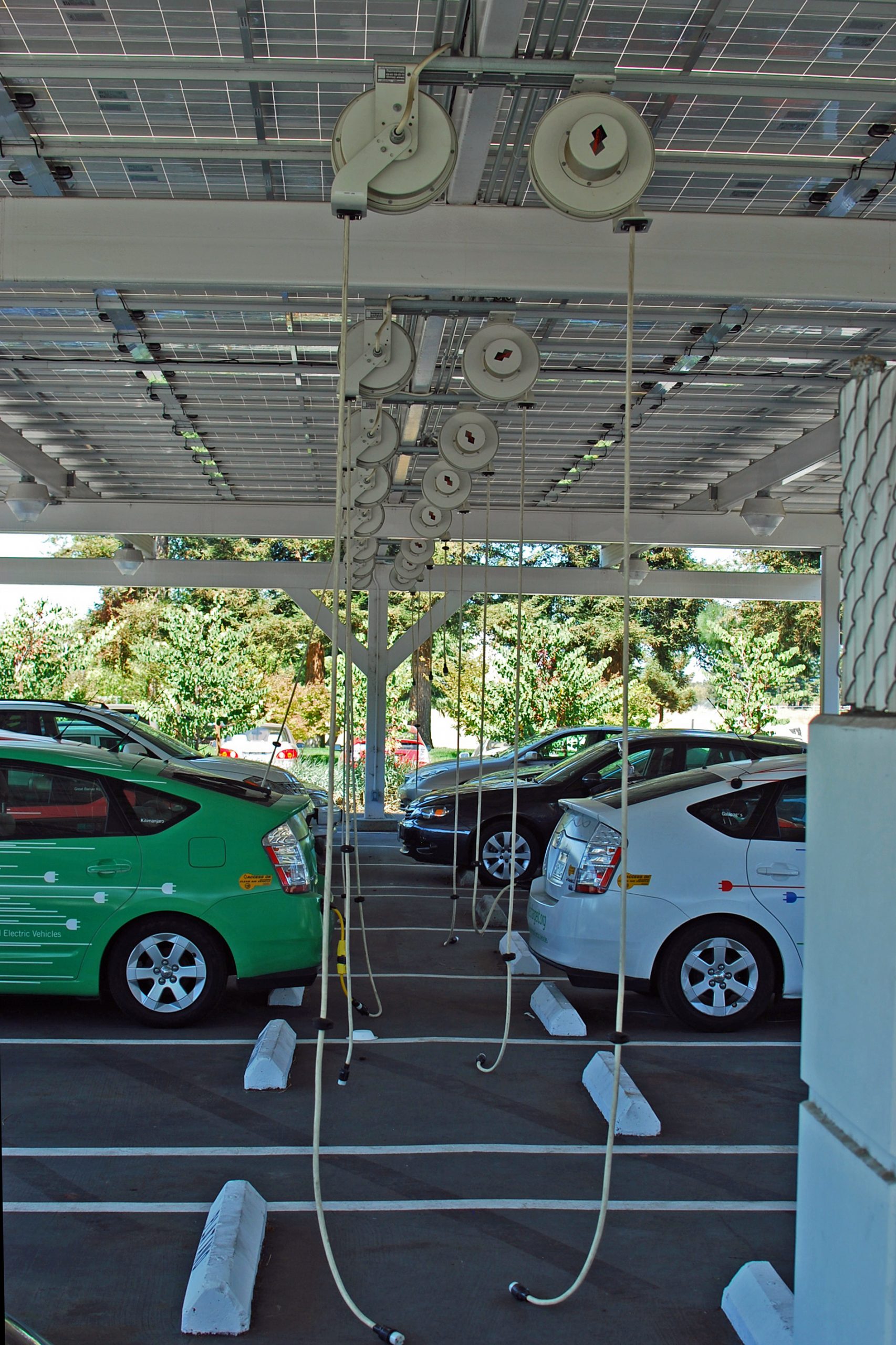
Recharging infrastructure at at Google’s Mountain View (California) campus | Pretty ugly, eh?

“Gas” 1940 Edward Hopper

This standard will be updated within a reconfigured code development cycle linked below:

2024/2025/2026 ICC CODE DEVELOPMENT SCHEDULE

Keep in mind that many electric vehicle safety and sustainability concepts will track in other titles in the ICC catalog.   It is enlightening to see other energy related proposals tracking in the most recent Group A code revision cycle

The following proposals discussed during the Group A Hearings ended earlier this month are noteworthy:

IBC § 202 (NEW) | G66-21 |  Electrical mobility definitions

IBC § 1107.2, et al | E124-21 & E125-21 & E126-21 |  Electrical vehicle charging stations for R-2 occupancies.

From the Group B revision cycle — COMPLETE MONOGRAPH:

R309.6 Electric vehicle charging stations and systems. Where provided, electric vehicle charging systems shall be installed in accordance with NFPA 70. Electric vehicle charging system equipment shall be listed and labeled in accordance with UL 2202. Electric vehicle supply equipment shall be listed and labeled in accordance with UL 2594.

IBC 406.2.7 Electric vehicle charging stations and systems. Where provided, electric vehicle charging systems shall be installed in accordance with NFPA 70. Electric vehicle charging system equipment shall be listed and labeled in accordance with UL 2202. Electric vehicle supply equipment shall be listed and labeled in accordance with UL 2594. Accessibility to electric vehicle charging stations shall be provided in accordance with Section 1108.

TABLE R328.5 MAXIMUM AGGREGATE RATINGS OF ESS (Energy Storage Systems) – PDF Page 1476

Incumbents are socking in EV concepts all across the ICC catalog.  We refer them to experts in the Industrial Applications Society IEEE E&H Committee.


One of the more spirited debates in recent revision cycles is the following:

Who shall pay for electrical vehicle charging infrastructure?   

The underlying assumption is that the electrification of the global transportation grid has a net benefit.   We remain mute on that question; the question of net gain.

Of course, many proposals pointed the finger at the stakeholder with the deepest pockets.  Accordingly, new commercial building owners will be required to install charging stations for new buildings.   During 2018 and 2019 we tracked the action in the workspace below so that we could collaborate with the IEEE Education & Healthcare Facilities Committee:

2021 Electric Vehicle Infrastructure

Given that most higher education facilities are classified as commercial, the cost of charging stations will be conveyed into the new building construction budget unless the unit takes an exception.   Generally speaking, most colleges and universities like to display their electric vehicle credentials, even if the use of such charging stations remains sparse.

Cornell University

Issue: [11-40]

Category: Electrical, #SmartCampus

Colleagues: Mike Anthony, Jim Harvey

* The education industry has significant square footage this is classified as residential; particularly on the periphery of large research campuses.


LEARN MORE:

ICC 2021/2022 Code Development Cycle

The Top 5 Energy Efficiency Proposals for the 2021 IECC

Archive / IECC Electric Vehicle Charging


Layout mode
Predefined Skins
Custom Colors
Choose your skin color
Patterns Background
Images Background
Standards Michigan
error: Content is protected !!
Skip to content