Category Archives: Disaster COVID

Loading
loading...

Community Risk Assessment

Château de Meudon

We have advocated education community risk management concepts since 2007; primarily in NFPA Standard 1300 — Standard on Community Risk Assessment and Community Risk Reduction Plan Development (formerly NFPA 1600).  The content of this title is close-coupled with FEMA’s National Incident Management System.   

Recently the National Fire Protection Association Standards Council moved to consolidate its community risk management titles as described below.  

“NFPA 1660 is in a custom cycle due to the Emergency Response and Responder Safety Document Consolidation Plan (consolidation plan) as approved by the NFPA Standards Council.  As part of the consolidation plan, NFPA 1660 (combining Standards NFPA 1600, NFPA 1616, and NFPA 1620) is open for public input with a closing date of November 13, 2020.”

Thus, NFPA 1600 is being sunsetted as a separate consensus product, its substance rolled into the new NFPA 1660.  CLICK HERE for the new landing page for NFPA 1660.

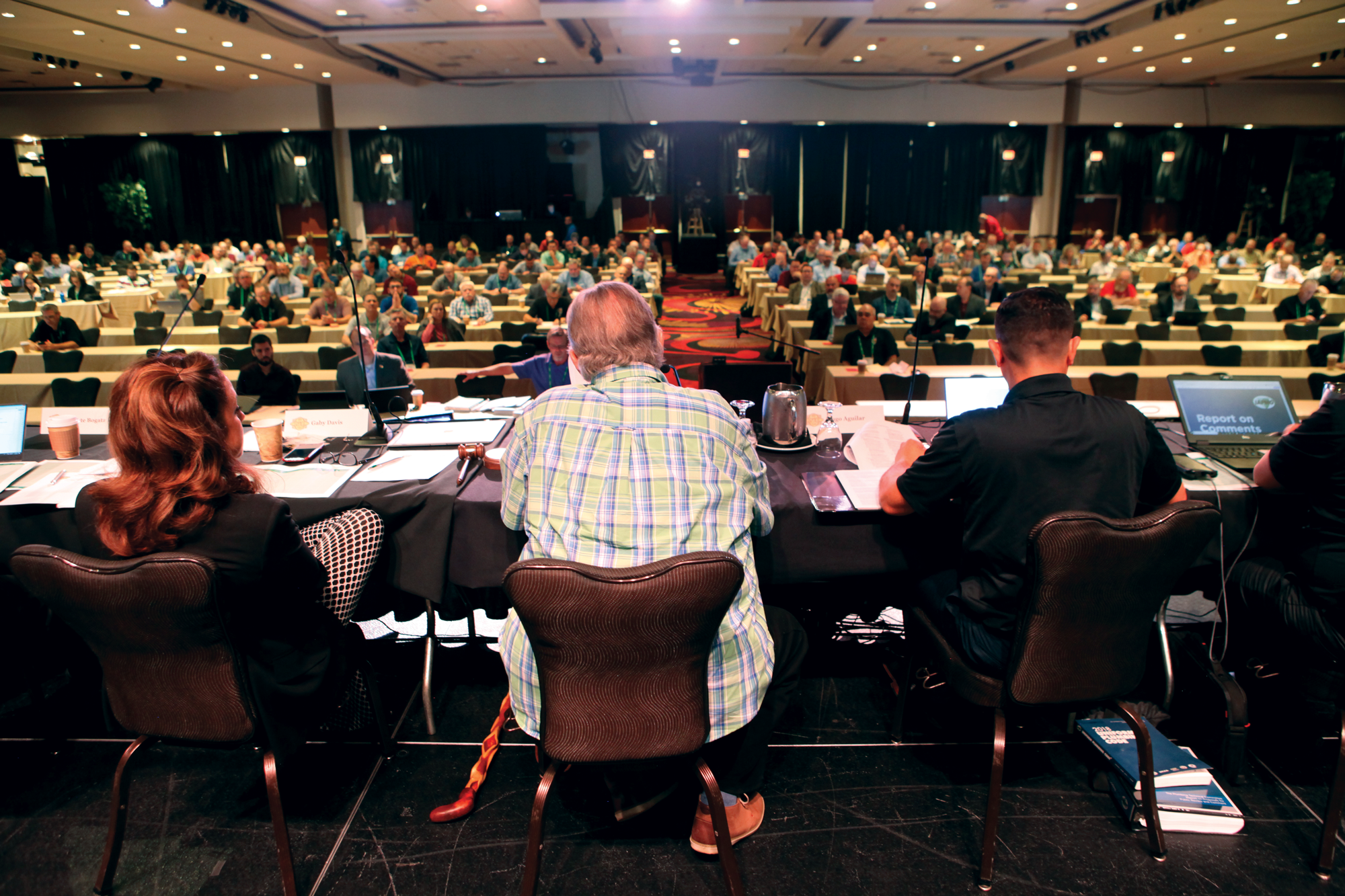
Two links below provide a sense of the back-and-forth in the technical committee meetings:

1600_F2018_EMB_AAA_FD_PIResponses

1600_F2018_EMB_AAA_SRReport

Discussion about school and university security are noteworthy.

As described on its title page, this product will be reconfigured as NFPA 1660 Standard on Community Risk Assessment, Pre-Incident Planning, Mass Evacuation, Sheltering, and Re-entry Programs.   The title suggests that NFPA 1660 is being developed to meet market need for conformance and teaching tools.  You may track movement in the concepts in the links below; many of them administrative:

Emergency Management and Business Continuity

Mass Evacuation and Sheltering

Pre-Incident Planning 

NFPA 1660 will likely require one or two more revision cycles to stabilize

Public consultation on the Second Draft (NITMAM) closes September 9th.  You may submit public input directly to NFPA by CLICKING HERE.  We will have hosted several Security colloquia ahead of this deadline during which we will drill into technical and policy specifics.

University of Tennessee


We maintain this title on our periodic Security, Disaster and Risk colloquia during which time  our thoughts on the economic burden of the expanding constellation of risk management standards will be known.  Thoughts that we are reluctant to write.   See our  CALENDAR for the next online meeting; open to everyone.

Issue: [13-58] and [18-151]

Category: Security, Risk

Colleagues: Mike Anthony, Robert G. Arno, Jim Harvey, Richard Robben

MORE >> Disaster Resiliency and NFPA Codes and Standards

ARCHIVE / Emergency Management and Business Continuity


Broadband Access for Hospitals & Students


FCC WAIVES RURAL HEALTH CARE AND E-RATE PROGRAM GIFT RULES TO PROMOTE CONNECTIVITY FOR HOSPITALS AND STUDENTS DURING CORONAVIRUS PANDEMIC 

WASHINGTON, March 18, 2020—The Federal Communications Commission today announced important changes to the Rural Health Care (RHC) and E-Rate programs that will make it easier for broadband providers to support telehealth and remote learning efforts during the coronavirus pandemic. Specifically, the FCC’s Wireline Competition Bureau has waived the gift rules until September 30, 2020 to enable service providers to offer, and RHC and ERate program participants to solicit and accept, improved connections or additional equipment for telemedicine or remote learning during the coronavirus outbreak.

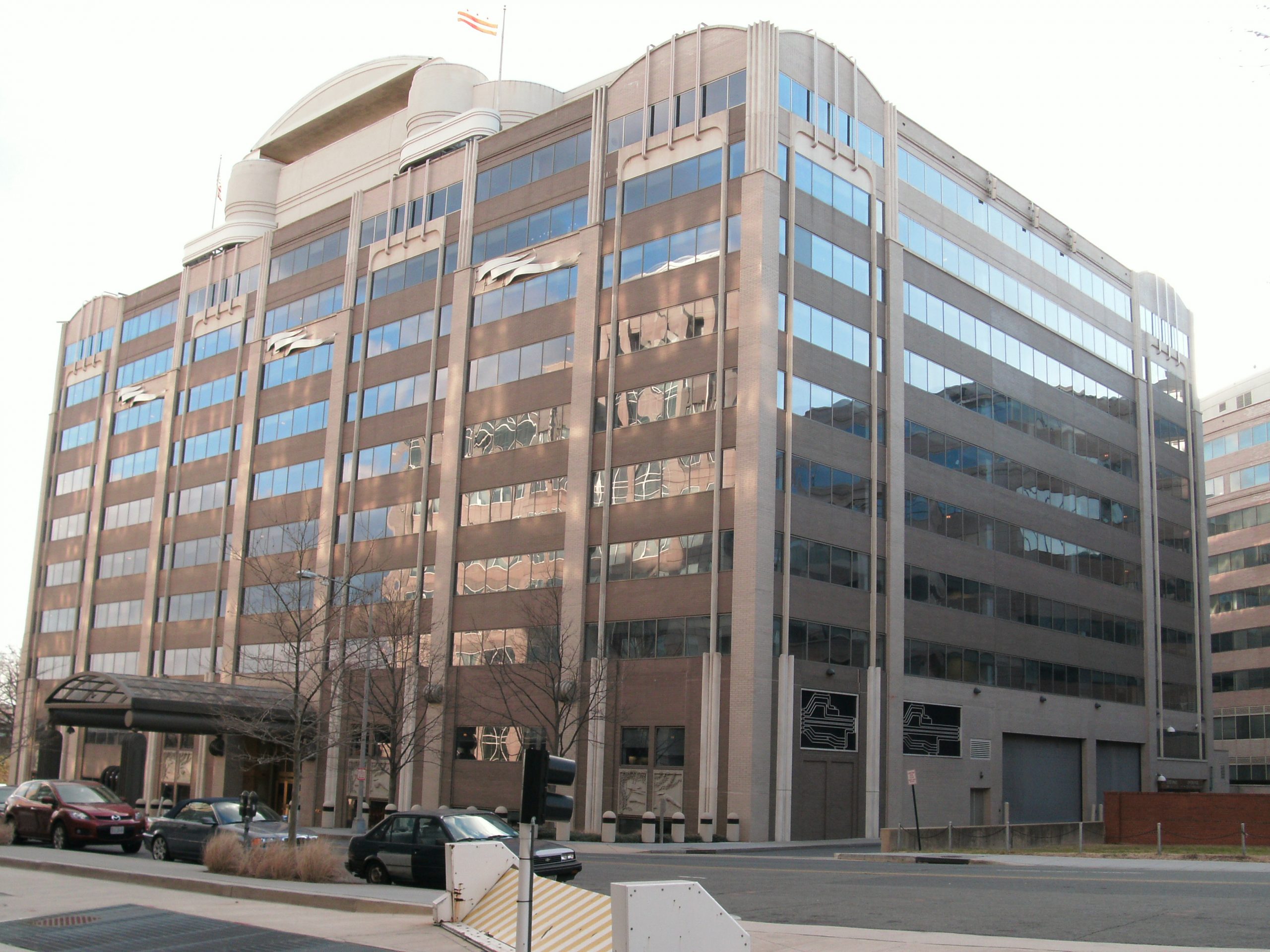
Federal Communications Commission Headquarters | Washington, D.C.


More

Low Power FM (LPFM) Broadcast Radio Stations

.

Blockchain Application for Disaster Management

Siddhartha wins at Mathematics at Borobudur

Mohit Singh Panesir

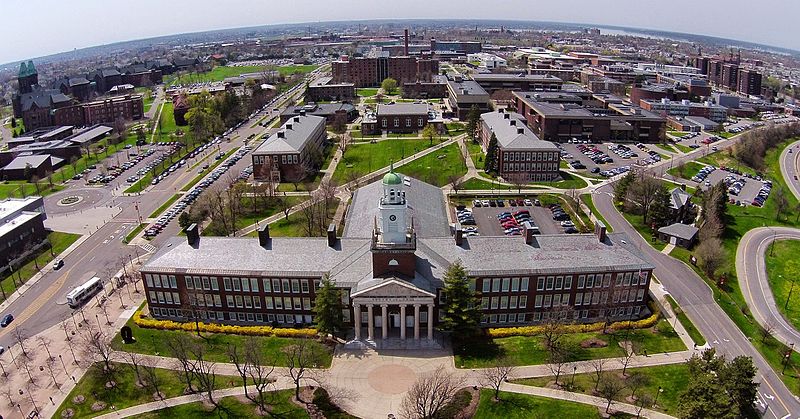
Graduate School of the University at Buffalo, State University of New York


Natural phenomena such as floods, storms, volcanic eruptions, earthquakes, landslides have affected our planet in an unpredictable way. However, these phenomena are merely classified as a hazard when they may affect people and the things they value (Cutter, 2005). The involvement of many agencies and the public is important in planning for disaster relief, in rescuing victims, and in managing the event. A lot of individuals are deprived of help due to poor coordination, late assistance and uneven distribution of food, water, medical assistance, clothes, and vehicles. The need for a proper disaster relief plan is crucial to overcome these challenges. On the other hand, identity theft is one of the most bizarre and rapidly growing crimes present in the world. Identity thieves are active more than ever as the e-commerce trading keeps on growing. Earlier the thieves used to buy pieces and parts of someone’s personal identification information but now they could have hold of everything. Similarly there has been an increase in illegal immigration, smuggling of weapons and terrorist activities noticed in last 2 decades in the United States. This study focuses on the current condition of disaster management, identity theft, border security and controlling the misuse of weapon of mass destruction. It proposes the use of advanced technological methods like Blockchain to overcome the loss of time and cost to provide a quick response to the victims and to provide secure ways to store personal identification information and better national security. The study helps to understand how better disaster management and national security can be achieved by using various use cases and implementation models. By implementing these models, the border security can be improved and proper handling of weapons of mass destruction can also take place.

University at Buffalo

*We have noticed that access to the complete paper has been spotty.   You may communicate directly with the author by CLICKING HERE


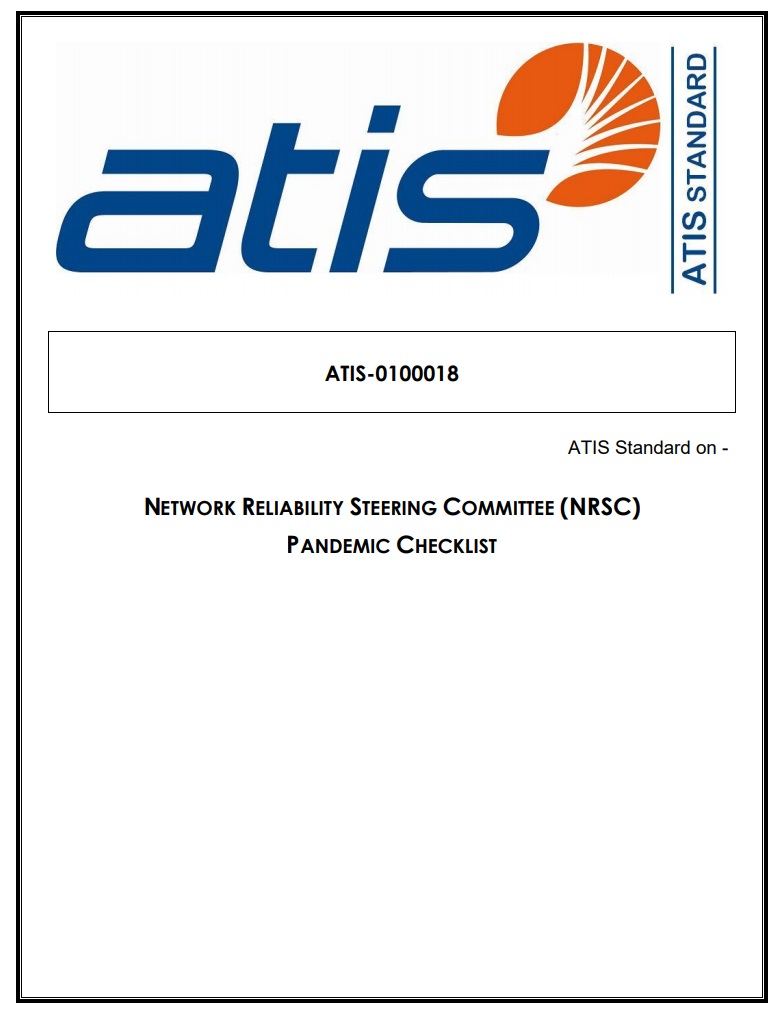
PANDEMIC CHECKLIST

CLICK ON IMAGE


Standards for Healthcare Personnel

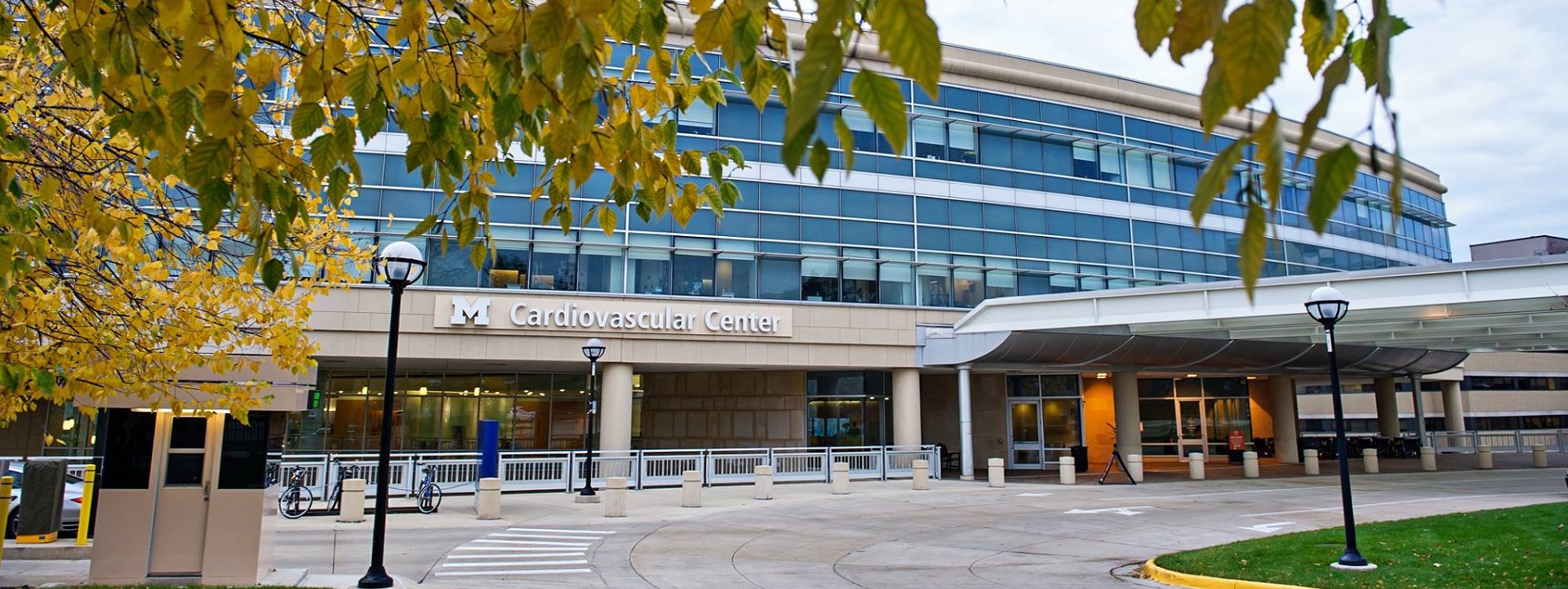
Michigan State University College of Human Medicine

To Support COVID-19 Response, ANSI Launches Portal for Freely Available ISO Standards

CDC References Standards for Recommended Personal Protective Equipment for Healthcare Personnel during Coronavirus Outbreak

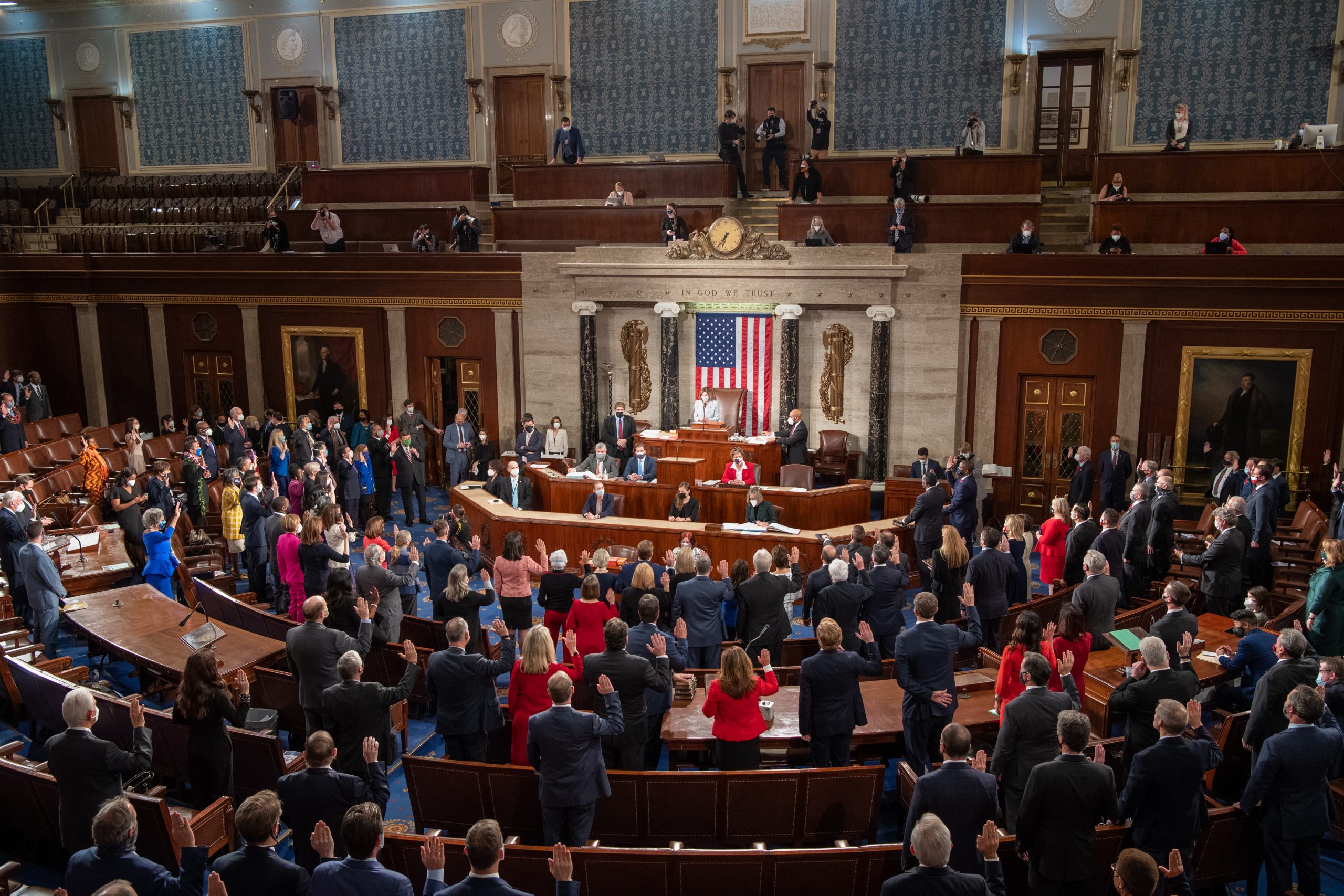
H.R. 3531 Resilient Communities Act of 2019

434 lawmakers, including 89 new freshman Members, were sworn in to the 116th Congress on January 3, 2019. Photo by Phi Nguyen.

To amend the Robert T. Stafford Disaster Relief and Emergency Assistance Act to allow the Administrator of the Federal Emergency Management Agency to provide capitalization grants to States to establish revolving funds to provide assistance to reduce the harmful impacts to people and property from multiple hazards, and for other purposes.


Ventilation of Health Care Facilities

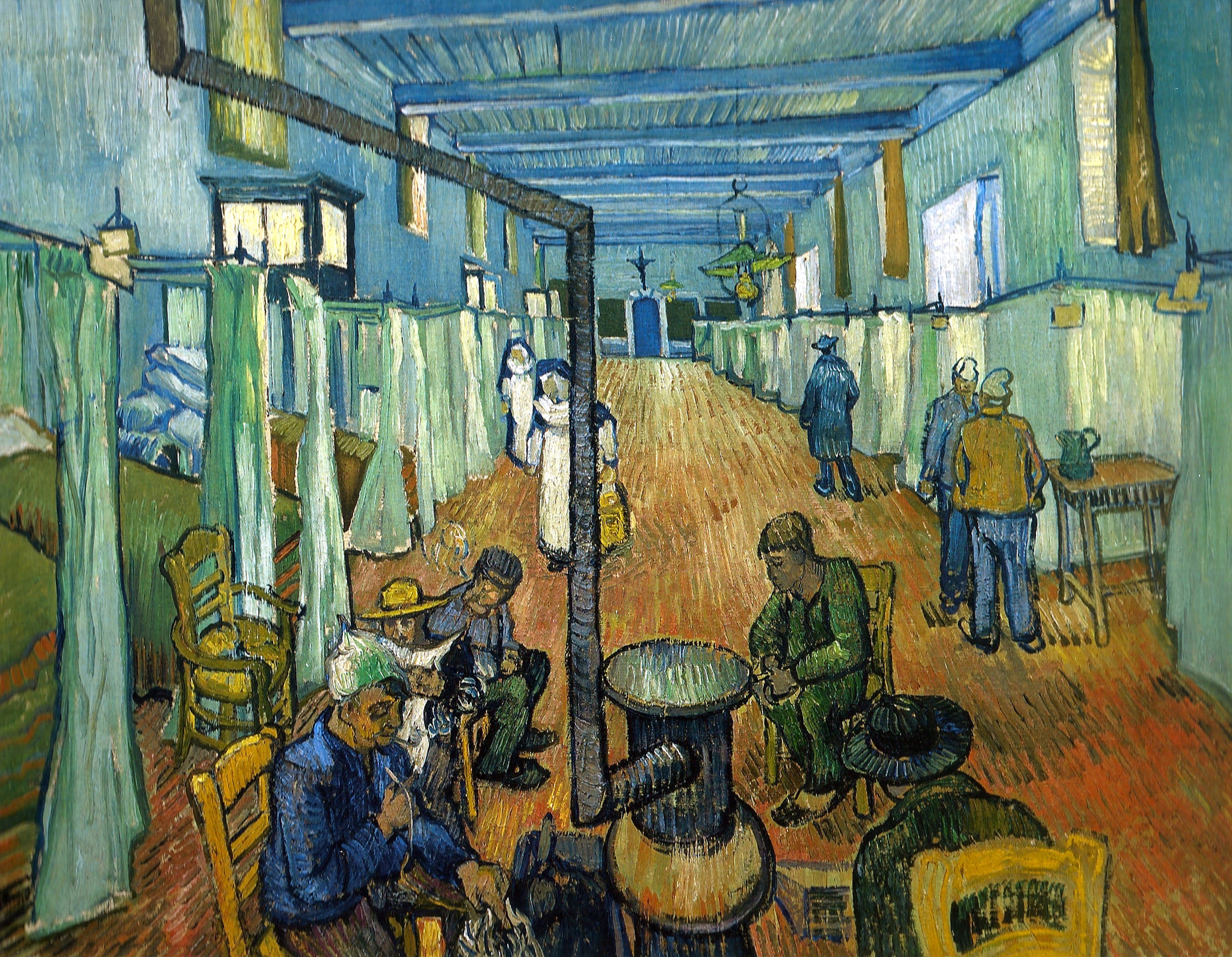
“Ward in the Hospital in Arles” | Vincent Van Gogh (1889)


It is wise to keep pace with this ASHRAE product because heightened interest in the complexity of environmental air management systems for in healthcare settings for treatment of contagious respiratory diseases.  First, the scope statement from the ASHRAE 17o prospectus:

1. PURPOSE: The purpose of this standard is to define ventilation system design requirements that provide environmental control for comfort, asepsis, and odor in health care facilities.

2. SCOPE:

2.1 The requirements in this standard apply to patient-care areas and related support areas within health care facilities, including hospitals, nursing facilities, and outpatient facilities.

2.2 This standard applies to new buildings, additions to existing buildings, and those alterations to existing buildings that are identified within this standard.

2.3 This standard considers chemical, physical, and biological contaminants that can affect the delivery of medical care to patients; the convalescence of patients; and the safety of patients, health care workers, and visitors.

The standard of care for university-affiliated healthcare facilities is virtually identical to the standard for private, for-profit healthcare facilities though, as with all consensus products developed by accredited standards developers, out-of-step conditions in state level adaptions of all consensus products applicable to healthcare facilities is possible.

ASHRAE has not released any addenda for this title as of this posting but it is wise to maintain this title and most ASHRAE titles — on the standing agenda of our Mechanical, Health and Nota Bene colloquia.   ASHRAE public consultations are continuously maintained — in 30 to 45 day intervals.  See our CALENDAR for the next online meeting; open to everyone.

Issue: [Various]

Category: Mechanical, Electrical, Energy, Facility Asset Management

Colleagues:  David Conrad, Jonathan Flannery, Richard Robben, Larry Spielvogel


LEARN MORE:

ARCHIVE / ASHRAE 170 Ventilation of Health Care Facilities

4.22.20

Layout mode
Predefined Skins
Custom Colors
Choose your skin color
Patterns Background
Images Background
Standards Michigan
error: Content is protected !!
Skip to content