Abstract: Power grid operation and maintenance decision-making reform is an important part of power system reform. With the construction of massive historical quasi real-time data management platform, the reform of power system is also advancing. However, in the face of massive data explosion, the business level and business logic become disorganized and redundant. Based on the actual situation of Shenzhen Power Supply Bureau, the sg-erp data center is composed of structured data center, massive data center, unstructured data center and power grid GIS data center. With the unprecedented growth of business application data, the data center can improve business logic and promote power system reform. The experimental results show that big data technology has a broad application prospect in the reform of power industry.
Open source standards development is characterized by very open exchange, collaborative participation, rapid prototyping, transparency and meritocracy. The Python programming language is a high-level, interpreted language that is widely used for general-purpose programming. Python is known for its readability, simplicity, and ease of use, making it a popular choice for beginners and experienced developers alike. Python has a large and active community of developers, which has led to the creation of a vast ecosystem of libraries, frameworks, and tools that can be used for a wide range of applications. These include web development, scientific computing, data analysis, machine learning, and more.
Another important aspect of Python is its versatility. It can be used on a wide range of platforms, including Windows, macOS, Linux, and even mobile devices. Python is also compatible with many other programming languages and can be integrated with other tools and technologies, making it a powerful tool for software development. Overall, the simplicity, readability, versatility, and large community support of Python make it a valuable programming language to learn for anyone interested in software development including building automation.
As open source software, anyone may suggest an improvement to Python(3.X) starting at the link below:
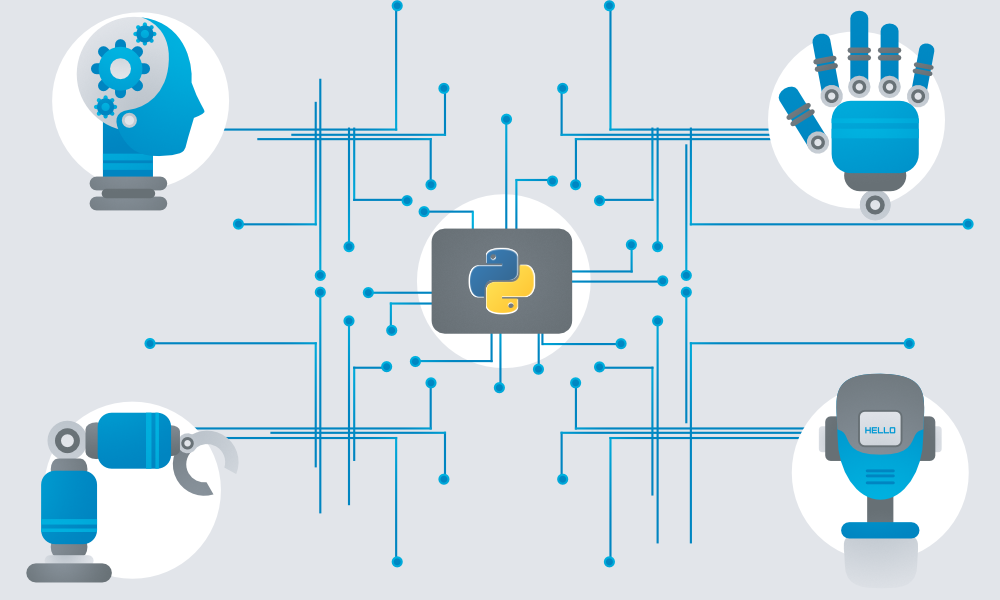
Python can be used to control building automation systems. Building automation systems are typically used to control various systems within a building, such as heating, ventilation, air conditioning, lighting, security, and more. Python can be used to control these systems by interacting with the control systems through the building’s network or other interfaces.
There are several Python libraries available that can be used for building automation, including PyVISA, which is used to communicate with instrumentation and control systems, and PyModbus, which is used to communicate with Modbus devices commonly used in building automation systems. Python can also be used to develop custom applications and scripts to automate building systems, such as scheduling temperature setpoints, turning on and off lights, and adjusting ventilation systems based on occupancy or other variables. Overall, Python’s flexibility and versatility make it well-suited for use in building automation systems.
.@PyCon US 2025 is a wrap, and our hearts are full with #Python community love! Thanks to every single one of you who organized, volunteered, attended, & sponsored 🐍🫶 #PyConUS
The PSF office will be closed May 26-28 so our staff can rest & recover. See you back online soon! pic.twitter.com/Sy1hiRmvw4
— Python Software Foundation (@ThePSF) May 27, 2025
“A Philosopher Lecturing on the Orrery” | Joseph Wright (1766)
Most nations follow the day/month/year format (07/01/19 for January 7, 2019, for example), but the United States adheres to its own format of month/day/year (1/7/19 or 1/7/2019). The potential for misinterpreting dates across national boundaries is the logic for ISO 8601:2019 – Data Elements And Interchange Formats – Information Interchange – Representation Of Dates And Times, the ISO format for dates represents year, month, and day from the largest unit to the smallest, most specific unit of time. The ISO date format is the date format used in SQL and is the default date setting on many computers.
The bookwheel, also known as a revolving bookcase, was invented by an Italian scholar and polymath named Agostino Ramelli. Ramelli was born in 1531 in Ponte Tresa, a town in present-day Italy, and he lived during the Renaissance period.
Ramelli’s invention, described in his work titled “Le diverse et artificiose machine del capitano Agostino Ramelli” (The Various and Ingenious Machines of Captain Agostino Ramelli), was published in 1588. This book showcased a collection of 195 mechanical devices.
Ramelli’s work contributed to the growing interest in mechanical inventions during the Renaissance period. His bookwheel design remains a fascinating example of early engineering and ingenuity, highlighting the desire for knowledge and practical solutions in the pursuit of learning and scholarly endeavors.
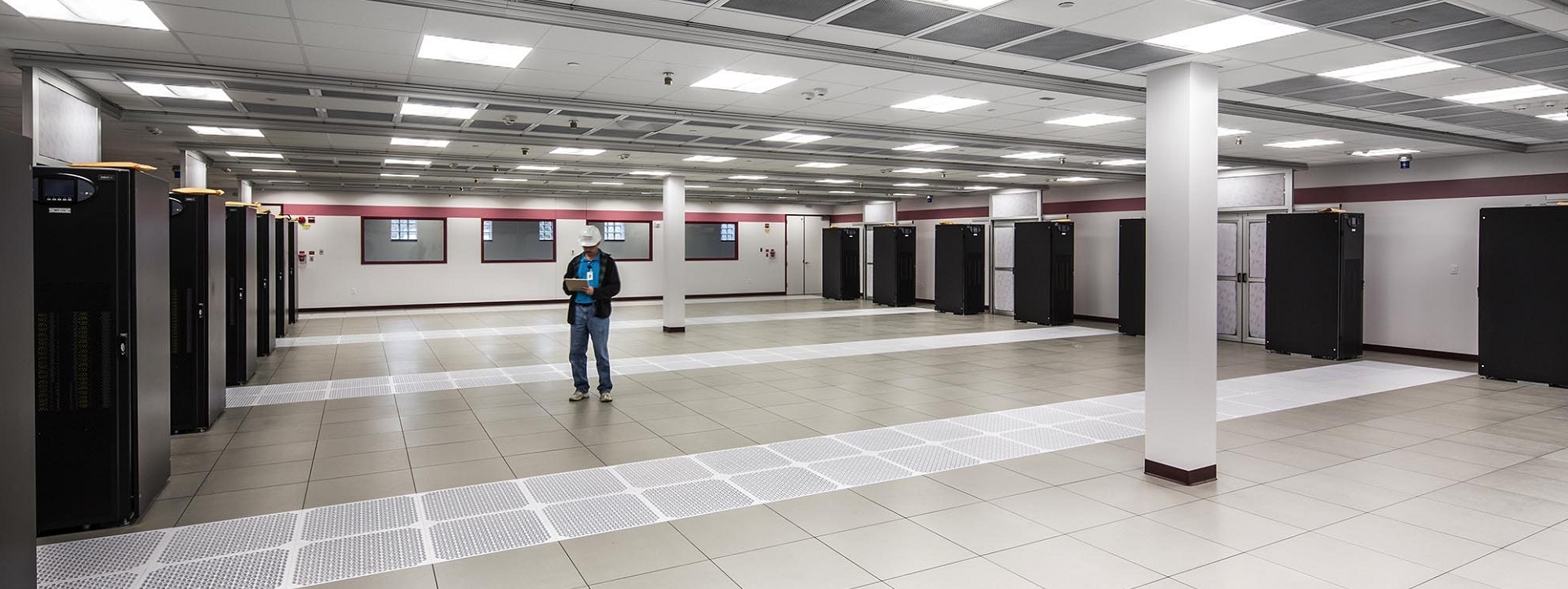
The standard of care for wiring safety for data centers — a continually expanding presence in education communities even before the pandemic — is established in National Electrical Code Articles 645 (Information Technology Equipment), Article 646 (Modular Data Centers) and Article 647 (Sensitive Electronic Equipment). You will notice that these articles cover the topic comprehensively and bear the imprint of competing Producer-Interest groups. There are no User-Interest representatives on Code-Making Panel 12 that represent the final fiduciary in education communities even though education communities are one of the largest markets for information and communication technology systems.
Transcripts of technical committee action during the 2026 revision (CMP-16) are linked below because they will inform our recommendations for the 2026 National Electrical Code. Keep in mind that the Technical Correlating Committee is moving content around the Code in order to make the NEC easier to use by experts.
The transcripts of technical committee action during the 2023 revision are linked below because they will inform our recommendations for the 2026 National Electrical Code.
The issues that have been in play in these articles of the NEC are familiar to veterans of the “food fight” – occupancy classification, cable specifications, fire protection, ventilation, energy consumption, surge protection, licensing of engineers. etc. We look for market-making excesses by opposing stakeholders that seek to limit their risk while raising the (financial) risk to education communities.
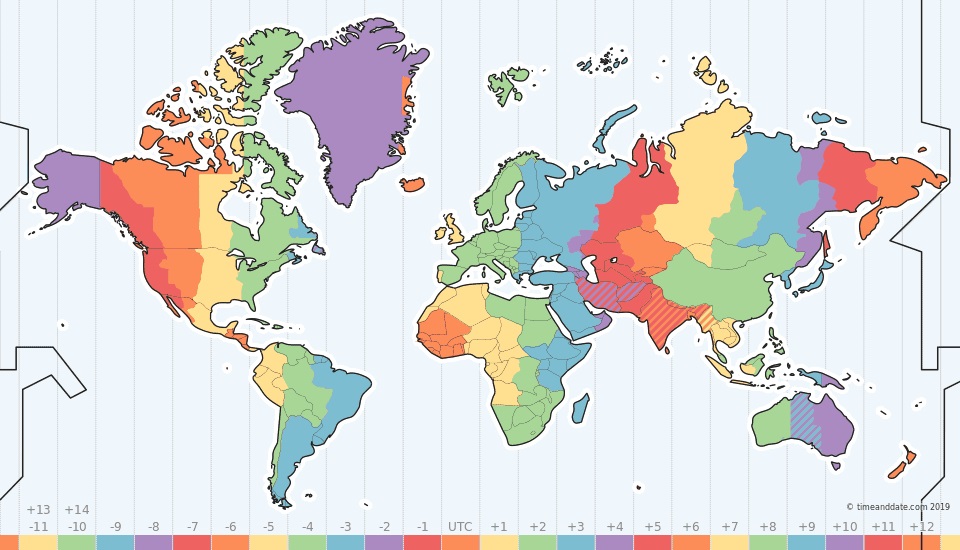
We encourage our colleagues to participate in the NFPA code development process directly. We also encourage stakeholders in education communities — students, faculty and staff to join us during any of the teleconferences we co-host with the IEEE Education & Healthcare Facilities Committee 4 times monthly in both European and American time zones. See our CALENDAR for the next online meeting.
The framework primarily serves educational and research purposes, where it is often important to identify groups of roughly comparable institutions. The classification includes all accredited, degree-granting colleges and universities in the United States that are represented in the National Center for Education Statistics Integrated Postsecondary Education Data System.
PORDALS, pushes the boundaries of minimalism and narrative through a micro-to-macro approach, the smallest unit of measurement for digital color is a pixel. Inscriptions magnify the canvas to a visible size on Bitcoin. We create… pic.twitter.com/wsWNEqfZBq
Blockchain is a decentralized, immutable, and transparent digital ledger that securely records and verifies transactions across multiple computers or nodes. It operates through a network of participants who collectively validate and store each transaction, creating a chain of interconnected blocks. Each block contains a unique cryptographic hash that links it to the previous block, ensuring data integrity.
The distributed nature of blockchain eliminates the need for intermediaries, increases security, and fosters trust among participants. It has applications beyond cryptocurrencies, enabling efficient and reliable solutions in various industries such as finance, supply chain management, healthcare, education and accreditation.
John Domingue | TEDxOpenUniversity:
“I believe that with blockchain technology we can create a radically new type of university: a DAO University. A DAO is a Decentralised Autonomous Organisation which operates with no central control and no humans in the loop and are based on Smart Contracts: pieces of computer code on a blockchain which can represent and enact financial and legal contracts. ”
Miguel de Cervantes (Don Quixote): “Ladran Sancho, señal que cabalgamos”
“Let the dogs bark Sancho, it is a sign that we’re moving forward.”
IEEE Standard for Interconnecting Distributed Resources with Electric Power Systems is effectively the global standard for interconnection of distributed resources with large scale electric power systems. It provides requirements relevant to the performance, operation, testing, safety, and maintenance of the interconnection. Apart from the power reliability and sustainability zietgeist we have seen in campus bulk power distribution systems, this title is usually referenced in research projects undertaken in university research enterprises. The standard is intended to be universally adoptable, technology-neutral, and cover distributed resources as large 10 MVA. To wit:
We collaborate with the IEEE Education & Healthcare Facilities Committee on this an related titles. This committee’s meetings are held 4 times monthly in European and American time zones. International Electrical Technical Commission titles are items on the standing agenda; a few representative titles are listed in addition to IEEE titles below:
IEEE 21451-001-2017 Recommended Practice for Signal Treatment Applied to Smart Transducers: This guide supports the ability to uniformly processing and classifying data from sensors and actuators in a smart system. The standard enables a common interpretation of data and grid interoperability. NIST personnel served on this standard’s working group, providing NIST research on sensors and actuators.
IEEE 2030.7-2017 Standard for the Specification of Microgrid Controllers: This standard established requirements for controllers, used to sense and manage microgrids. These requirements inform the manufacturing of controllers, and ultimately enable grid interoperability. NIST funding aided this standard’s development.
IEEE 2030.8 Standard for Testing Microgrid Controllers: This testing standard helps verify that microgrid controllers meet these requirements, and, thus, will work as intended. NIST funding aided this standard’s development.
“The greatest danger in modern technology isn’t that machines will begin to think like people, ut that people will begin to think like machines.” — Michael Gazzaniga
The “next big thing” reveals itself in hindsight. Some areas of interest and potential advancements include:
Edge Computing: Edge computing brings computation closer to the data source, reducing latency and bandwidth usage. It enables processing and analysis of data at or near the edge of the network, which is especially important for applications like IoT, real-time analytics, and autonomous systems.
Quantum Computing: Quantum computing holds the promise of solving complex problems that are currently beyond the capabilities of classical computers. Cloud providers are exploring ways to offer quantum computing as a service, allowing users to harness the power of quantum processors.
Serverless Computing: Serverless computing abstracts away server management, enabling developers to focus solely on writing code. Cloud providers offer Function as a Service (FaaS), where users pay only for the actual execution time of their code, leading to more cost-effective and scalable solutions.
Multi-Cloud and Hybrid Cloud: Organizations are increasingly adopting multi-cloud and hybrid cloud strategies to avoid vendor lock-in, enhance resilience, and optimize performance by distributing workloads across different cloud providers and on-premises infrastructure.
Artificial Intelligence and Machine Learning: Cloud providers are integrating AI and ML capabilities into their platforms, making it easier for developers to build AI-driven applications and leverage pre-built models for various tasks.
Serverless AI: The combination of serverless computing and AI allows developers to build and deploy AI models without managing the underlying infrastructure, reducing complexity and operational overhead.
Extended Security and Privacy: As data privacy concerns grow, cloud providers are investing in improved security measures and privacy-enhancing technologies to protect sensitive data and ensure compliance with regulations.
Containerization and Kubernetes: Containers offer a lightweight, portable way to package and deploy applications. Kubernetes, as a container orchestration tool, simplifies the management of containerized applications, enabling scalable and resilient deployments.
New update alert! The 2022 update to the Trademark Assignment Dataset is now available online. Find 1.29 million trademark assignments, involving 2.28 million unique trademark properties issued by the USPTO between March 1952 and January 2023: https://t.co/njrDAbSpwBpic.twitter.com/GkAXrHoQ9T