Category Archives: Sport

Loading
loading...

Milano Cortina

you shall above all things…


The Spectator: Americans are erasing European culture

(And Many Americans Are Also Unhappy About It)

Un mondo fatto bene

Science at the Winter Olympics


Sports Equipment & Surfaces

Student Membership | @ASTMStudentFans

“The National Game” 1889 Arthur Streeton


Sport is the bloom and glow of a perfect health.

—Ralph Waldo Emerson


Sport programs, facilities and equipment support one of the most visible and emotionally engaging enterprises in the education communities.   These programs are central to the brand identity of the community and last, but not least, physical activity keeps our young people healthy in body and mind.

ASTM International is one of the first names among the 300-odd ANSI accredited standards setting organizations whose due processes discover and promulgate the standard of care for the design, construction, operations and maintenance of the facilities that support these enterprises.   The parent committee is linked below:

ASTM Committee F08 on Sports Equipment, Playing Surfaces, and Facilities

While ASTM bibliography is largely product-oriented, there are many titles that set the standard of care for sport enterprises and the accessories to these enterprises.  To identify a few:

ASTM 1487-17 Standard Consumer Safety Performance Specification for Playground Equipment for Public Use

ASTM F1774  Standard Specification for Climbing and Mountaineering Carabiners

ASTM F2060-00(2011) Standard Guide for Maintaining Cool Season Turfgrasses on Athletic Fields

ASTM F1703-13 Standard Guide for Skating and Ice Hockey Playing Facilities

ASTM F1953-10 Standard Guide for Construction and Maintenance of Grass Tennis Courts

ASTM F1081-09(2015) Standard Specification for Competition Wrestling Mats

ASTM F2950-14 Standard Safety and Performance Specification for Soccer Goals

ASTM F2461-16e1 Standard Practice for Manufacture, Construction, Operation, and Maintenance of Aquatic Play Equipment

When the General Requirements of an athletic facility construction project indicates: “Conform to all applicable standards” then, in the case of an sport facility, the ASTM title is likely the document that defines the standard of care from a product standpoint.  Interoperability of the products in a sport setting are quite another matter.

At the international level, we track action in ISO/TC 83 Sports and other recreational facilities and equipment administered globally by the Deutsches Institut für Normung e.V.   ASTM International is ANSI’s Technical Advisory Group for  this committee.
University of Maine

The ASTM standards development process depends heavily on face-to-face meetings — typically two times per year – in different parts of the United States.   The benefit of this arrangement lies in the quality of discussion among subject matter experts that results produced from face-to-face discussion.  The price to pay for this quality, however, lies in the cost of attendance for the user-interest in the education industry.   Relatively few subject matter experts directly employed by a school district, college or university who are charged with lowering #TotalCostofOwnership can attend the meetings.   Many of the subject matter experts who are in attendance at the ASTM meetings from the education industry tend to be faculty who are retained by manufacturers, insurance, testing laboratories, conformity and compliance interests.  (See our discussion of Incumbent Interests)

That much said, ASTM welcomes subject matter experts on its technical committees (Click here)  We encourage participation by end users from the education industry — many of them in the middle of athletic facility management organization charts.   The parent committee meets twice a year; after which we usually find public review redlines developed during those meetings to hit our radar.  The link to the schedule of face-to-face meetings appears below:

F08 Meetings

Note that the August 2020 cancelled but the November 2020 meeting still appears on the schedule.  It is likely that much of the committee work will be done online.

We are required to review draft ASTM consensus products with some care — owing to copyright restrictions — so we do it interactively online during teleconferences devoted to Sport.  See our CALENDAR for the next online meeting; open to everyone.

Issue: [7-7] [10-32] [13-165] [20-156] 

Category: Sport, Management, Risk Management

Contact: Mike Anthony, Jack Janveja, George Reiher, Richard Robben

Synthetic Turf Guidelines

 

Winter Sport


“Indians Playing Lacrosse on the Ice” 1934 Yale University Art Gallery

The literature for designing, building and maintaining sport and recreation related spaces in education settlements cuts across so many safety and sustainability risk aggregations that, starting 2024, we begin breaking up the topic according to four seasons; mindful that not all seasons are present in all settlements at all times of the year and in different age groups.

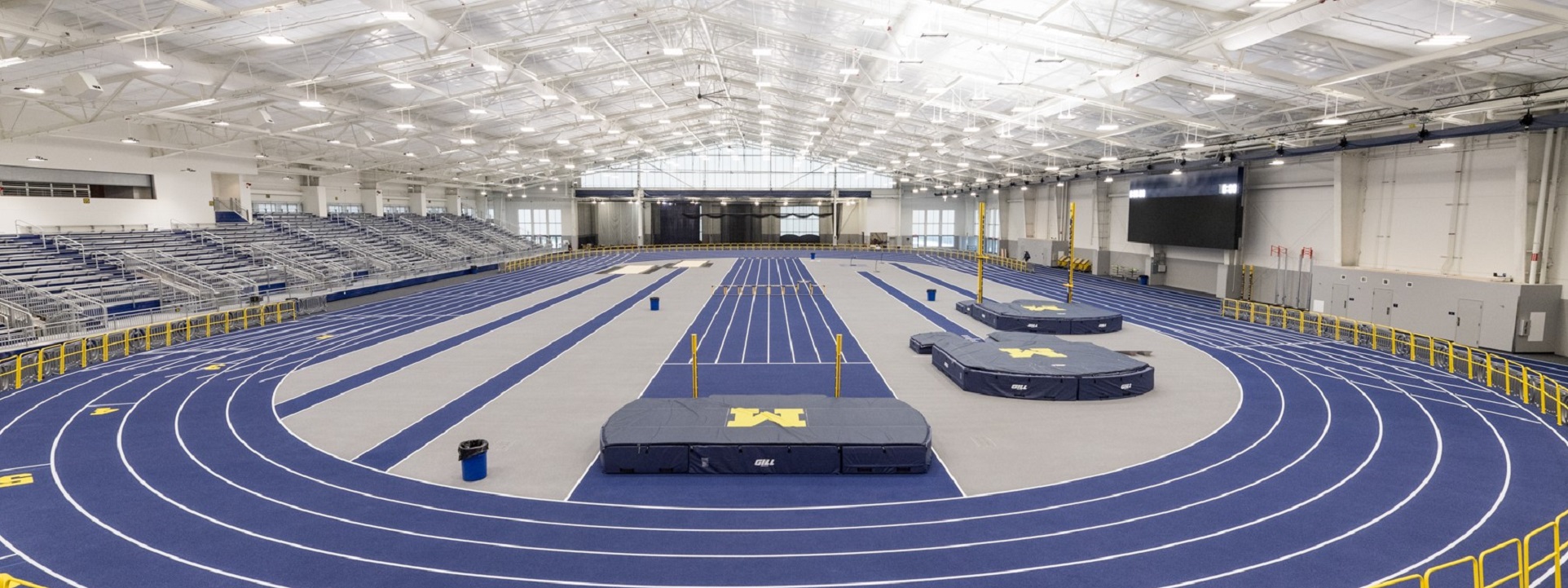
Volleyball at the high school level in the USA is a winter sport but a fall sport at the collegiate level.  Rifle and Fencing is only a collegiate sport.  Swimming “short course” (25 meter) competition is a winter sport depending upon regional facilities. (e.g. University of Southern California, University of North Carolina Wilmington, University of Michigan)

Join us today when we sort through the literature and any live public consultations on proposed changes to the most frequently referenced titles.


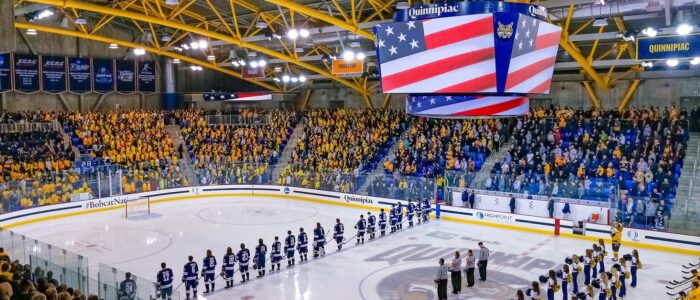
Hockey

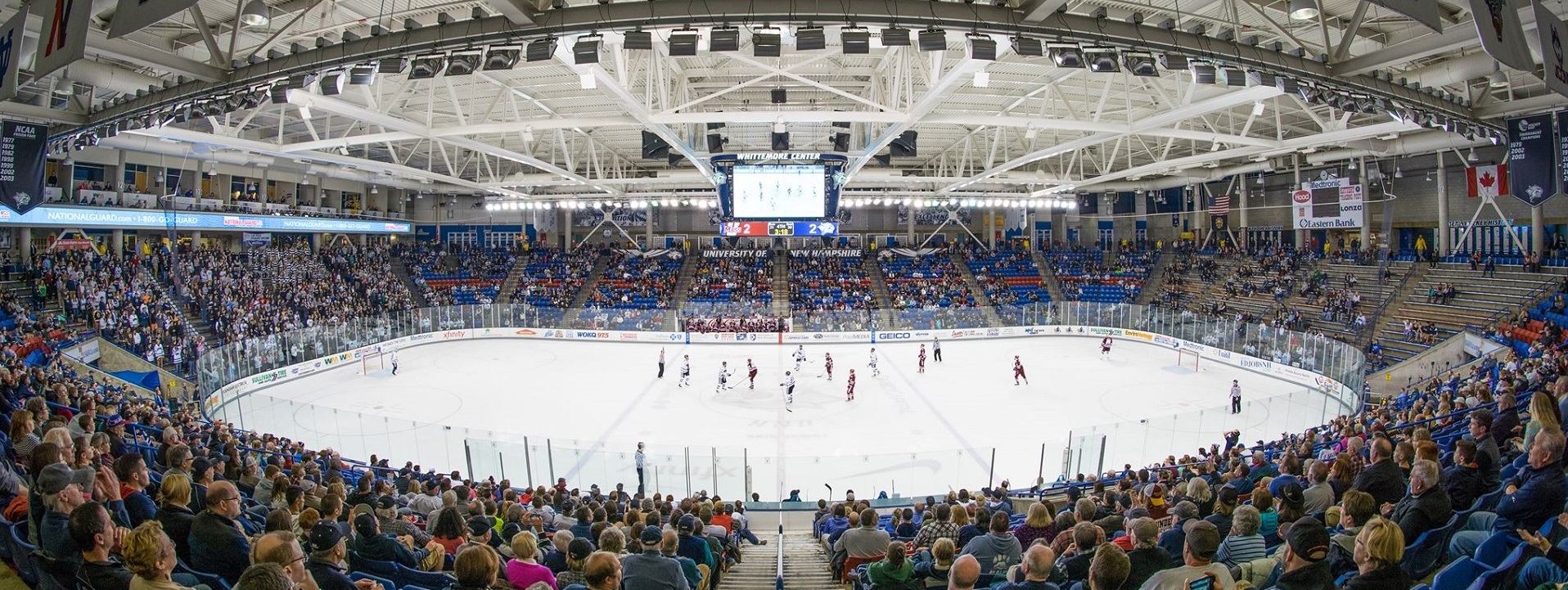
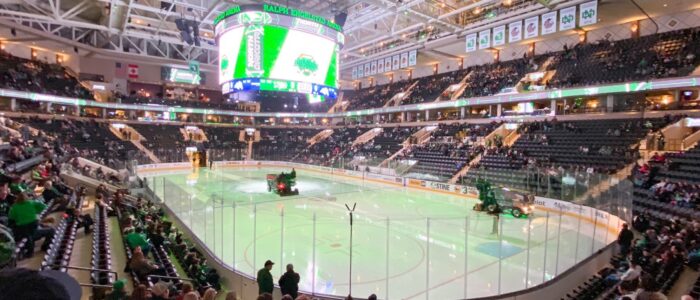
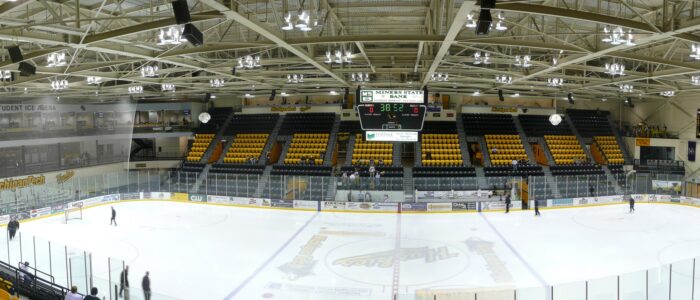
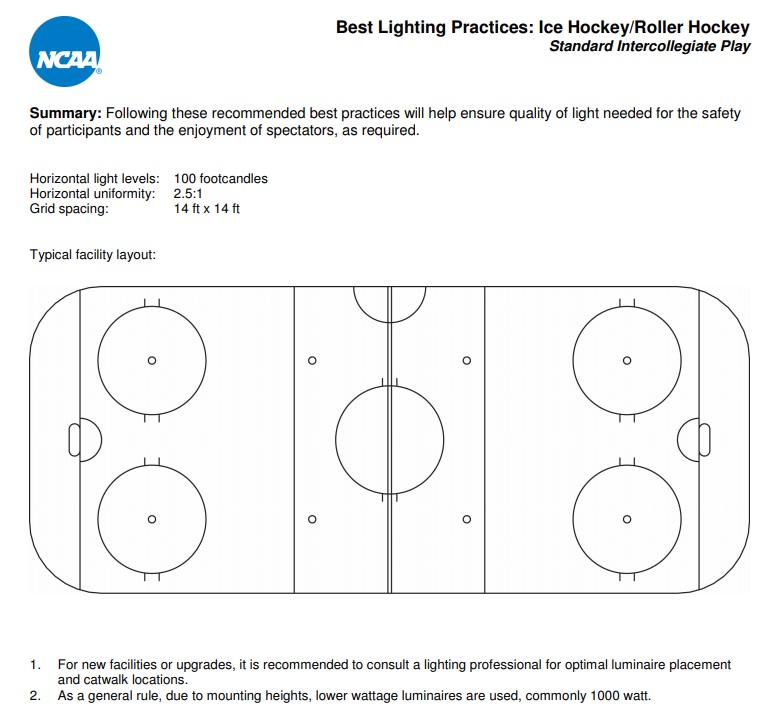
Ice Hockey Arena Lighting


Figure Skating


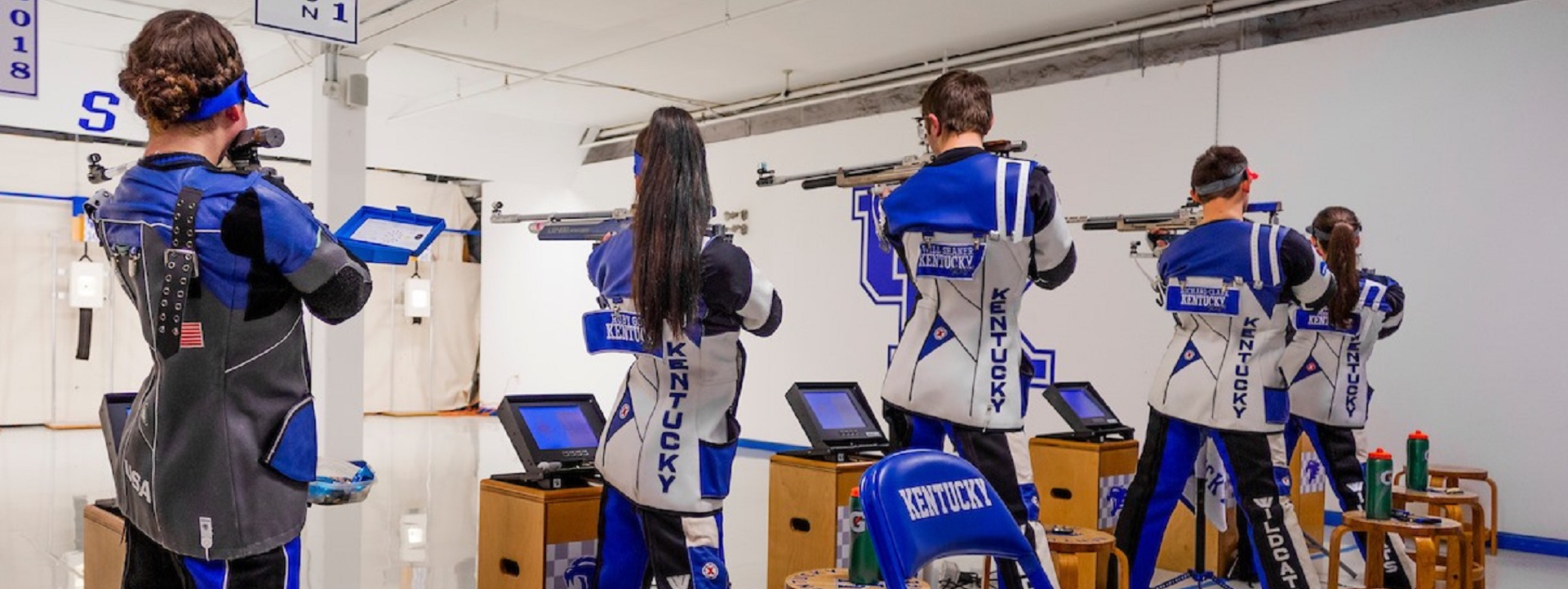
Rifle


Recreation

Darts

Ice Fishing

Curling

Billiards


Swimming

Coetzenburg Swimming Pool


Related:

Readings / Sport, Culture & Society

Maths and Sport

National Center for Spectator Sports Safety and Security

Virtual reality technology in evacuation simulation of sport stadiums


“Citius, Altius, Fortius”

Standards Utah


John Williams composed the official theme for the 2002 Winter Olympics in Salt Lake City as a grand cantata-fanfare for orchestra and chorus, premiered by the Mormon Tabernacle Choir and Utah Symphony. The piece directly draws from the Olympic motto “Citius, Altius, Fortius”(“Faster, Higher, Stronger”), originally coined in Latin by modern Olympics founder Pierre de Coubertin in 1894, but rooted in the ancient Greek ethos of athletic excellence, striving, and human potential celebrated by authors like Pindar and Aristotle.

Williams opens with the choir emphatically chanting “Citius! Altius! Fortius!” repeatedly, building heroic orchestral swells to evoke triumphant effort and glory—mirroring ancient ideals of arete (virtue through competition) and pushing limits, as in Aristotle’s praise of those who act and compete rather than merely possess talent. He innovatively adds “Clarius” (“clearer”) in the finale, suggesting clarity of mind alongside physical prowess, extending the motto to encompass intellectual and spiritual elevation of The Games.

Milano Cortina

Sung Elsewhere:

Rifle


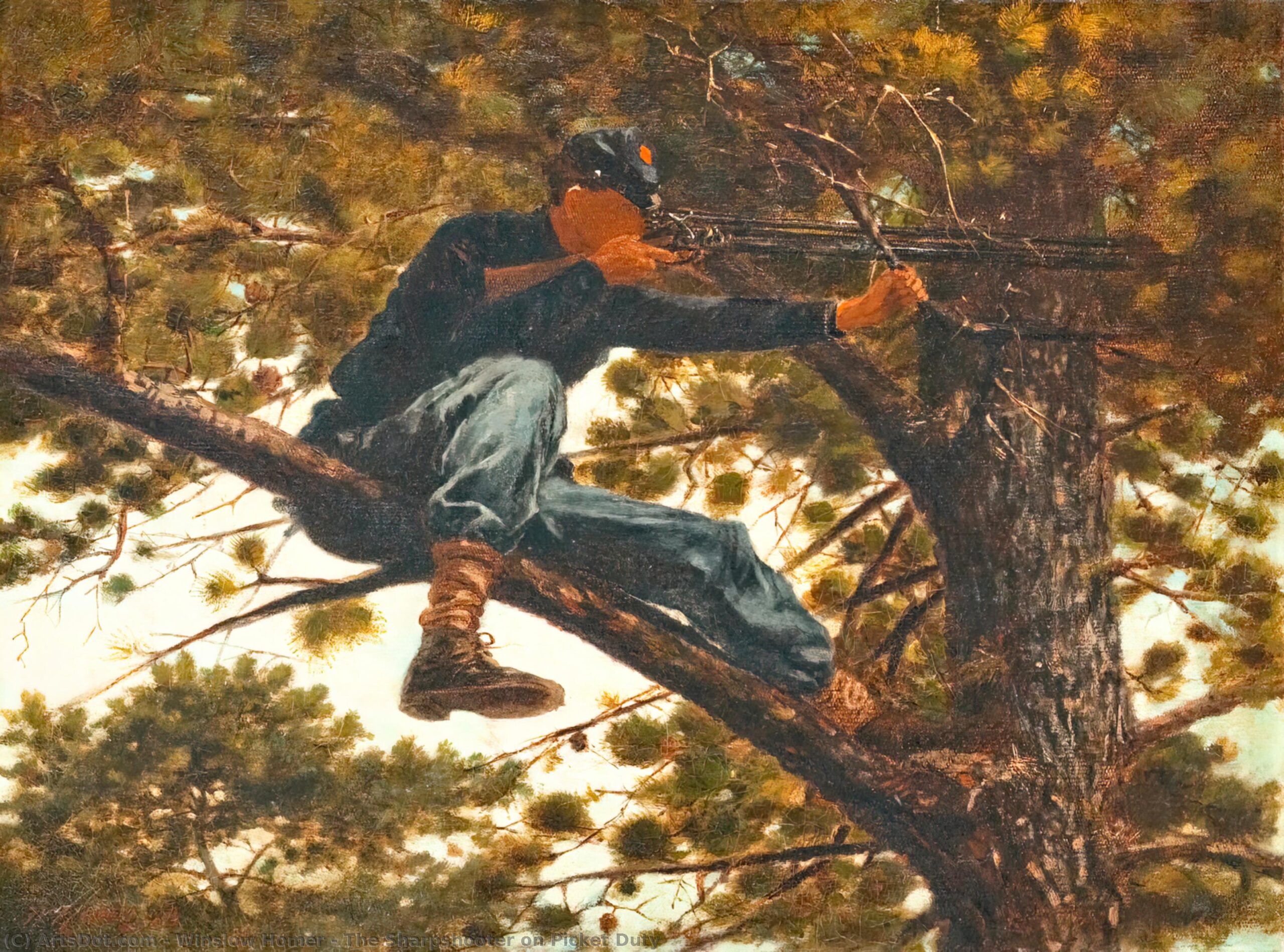
Winslow Homer, “The Army of the Potomac–A Sharp-Shooter on Picket Duty” 1862

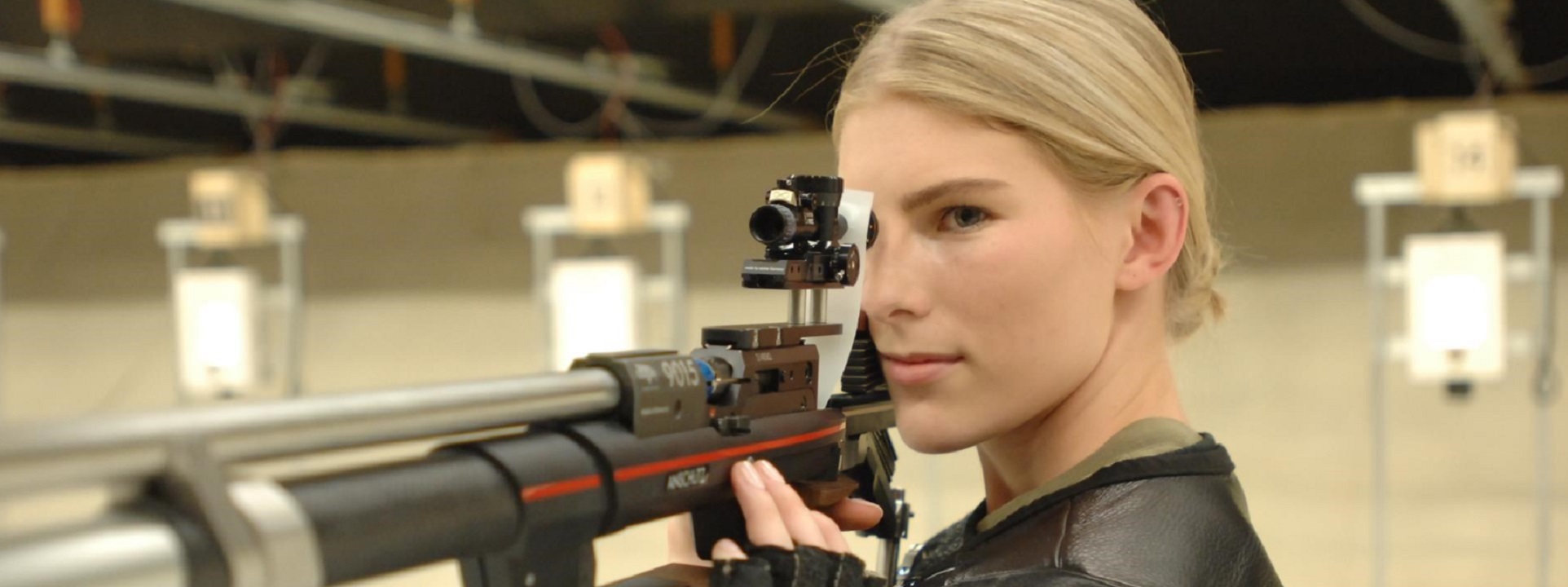
NCAA Rifle Competition began in 1980 and features both men’s and women’s teams competing together. The competition includes smallbore and air rifle events, with each athlete shooting in both disciplines.

The two primary events are smallbore rifle (also known as .22 caliber) and air rifle (using a .177 caliber air gun). Competitions typically involve both individual and team scoring, with athletes shooting a series of targets from different distances and positions.

Several U.S. colleges and universities have competitive rifle teams that participate in NCAA rifle competitions. Some of the notable institutions include:

  1. University of Alaska Fairbanks
  2. West Virginia University
  3. University of Kentucky
  4. Texas Christian University (TCU)
  5. University of Nebraska-Lincoln
  6. Murray State University
  7. Ohio State University
  8. University of Akron
  9. United States Military Academy (Army)
  10. University of Memphis
  11. North Carolina State University
  12. Jacksonville State University
  13. Morehead State University
  14. University of Mississippi (Ole Miss)
  15. U.S. Naval Academy (Navy)

The NCAA rifle competition serves as a pipeline for athletes aiming to compete in international events, including the Olympics where it was part of the inaugural modern Olympics in 1896.  Rifle events scheduled for the 2024 Olympics include:

  • 10m Air Rifle (Men and Women): Athletes will shoot from a standing position using a .177 caliber air rifle at a distance of 10 meters.
  • 50m Rifle Three Positions (Men and Women): Competitors will shoot from kneeling, prone, and standing positions using a .22 caliber smallbore rifle at a distance of 50 meters.
  • Mixed Team 10m Air Rifle: Teams composed of one male and one female shooter will compete together in the 10m air rifle event.

West Point Military Academy New York

University of Kentucky | Fayette County


Ice Hockey Arena Lighting

National Collegiate Athletic Association: August 2022 IRS Form 900 Tax Filing

"People don’t notice whether it’s winter or summer when they’re happy" -- Anton Chekhov

After athletic arena life safety obligations are met (governed legally by NFPA 70, NFPA 101, NFPA 110,  the International Building Code and possibly other state adaptations of those consensus documents incorporated by reference into public safety law) business objective standards may come into play.For almost all athletic facilities,  the consensus documents of the Illumination Engineering Society[1], the Institute of Electrical and Electronic Engineers[2][3] provide the first principles for life safety.  For business purposes, the documents distributed by the National Collegiate Athletic Association inform the standard of care for individual athletic arenas so that swiftly moving media production companies have some consistency in power sources and illumination as they move from site to site.  Sometimes concepts to meet both life safety and business objectives merge.


During hockey season the document linked below provides information to illumination designers and facility managers:

NCAA Best Lighting Practices

Athletic programs are a significant source of revenue and form a large part of the foundation of the brand identity of most educational institutions in the United States.   We focus primarily upon the technology standards that govern the safety, performance and sustainability of these enterprises.  We collaborate very closely with the IEEE Education & Healthcare Facilities Committee where subject matter experts in electrical power systems meet 4 times each month in the Americas and Europe.

See our CALENDAR for our next colloquium on Sport facility codes and standards.   We typically walk through the safety and sustainability concepts in play; identify commenting opportunities; and find user-interest “champions” on the technical committees who have a similar goal in lowering #TotalCostofOwnership.

"People don’t notice whether it’s winter or summer when they’re happy" -- Anton Chekhov

Issue: [15-138]*

Category: Electrical, Architectural, Arts & Entertainment Facilities, Athletics

Colleagues: Mike Anthony, Jim Harvey, Jack Janveja, Jose Meijer, Scott Gibbs


LEARN MORE:

[1] Illumination Engineering Handbook

[2] IEEE 3001.9 Recommended Practice for Design of Power Systems for Supplying Lighting Systems for Commercial & Industrial Facilities

[3] IEEE 3006.1 Power System Reliability


* Issue numbering before 2016 dates back to the original University of Michigan codes and standards advocacy enterprise 

Outdoor Hockey Arena

This content is accessible to paid subscribers. To view it please enter your password below or send mike@standardsmichigan.com a request for subscription details.

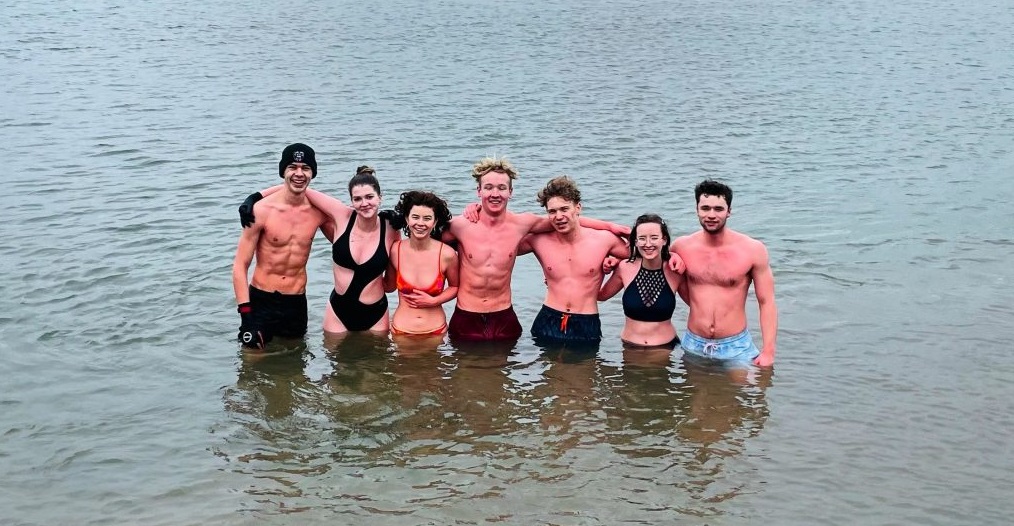
Wild Swimming


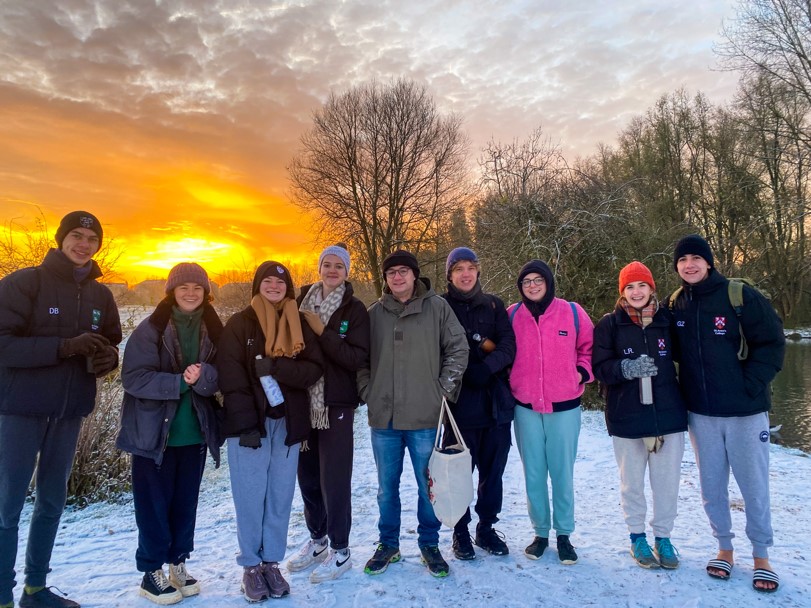
INTERVIEW: Student Ellie Ford on founding the University’s first cold water swimming group


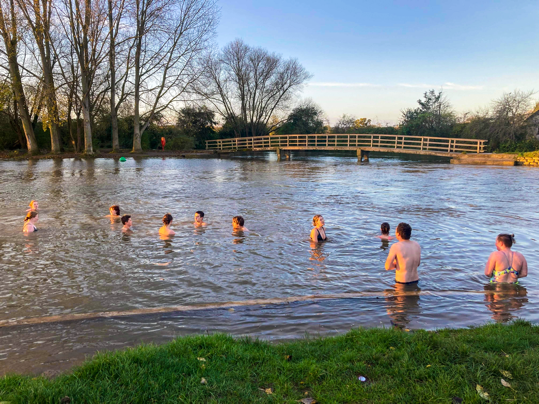
“Port Meadow is absolutely beautiful and a wonderful place to swim. We often swim in a different spot from other open water swimming groups in order to create a more relaxed environment – especially for our beginners. We do special beginners swims on Saturdays, to ease new members into the practise slowly and very carefully.

Safety is paramount, so I’ll walk them in to the water and they can immerse themselves as much as they want. We never allow anyone to jump or dive into cold water – the shock can cause a swimmer to gulp for air and subsequently ingest water; it’s always a gentle process.” — Ellie


Sex Difference in Female and Male Ice Swimmers

Ice Swimming

Layout mode
Predefined Skins
Custom Colors
Choose your skin color
Patterns Background
Images Background
Standards Michigan
error: Content is protected !!
Skip to content