

The legacy of Merry Old England lives on in the American South. pic.twitter.com/ujnDUIz3Q3
— 𝒩𝒶𝓉𝒶𝓁𝒾𝒶 (@classicspilled) October 3, 2025


The legacy of Merry Old England lives on in the American South. pic.twitter.com/ujnDUIz3Q3
— 𝒩𝒶𝓉𝒶𝓁𝒾𝒶 (@classicspilled) October 3, 2025

University of Bolton Lancashire

A rare find in best practice literature is a title that slices horizontally through a number of “silos” owned by US-based domain incumbents such as NFPA, ICC, IEEE and others. Several occupancy classifications run interstitially and present challenging risk aggregations–similarly recognized in the EU–when 100,000 people must be put out of harms way in less than 60 seconds. One such title is Code of Practice: BS 7827 Designing, specifying, maintaining and operating emergency sound systems for sports grounds, large public buildings, and venues. From the project prospectus:
Maintenance, Emergency measures, Safety devices, Reports, Crowd safety, Certification (approval), Inspection, Audio systems, Forms (paper), Speech transmission systems, Reliability, Instructions for use, Personnel, Sound intensity, Approval testing, Training, Audio equipment, Performance, Stadia, Warning devices, Electric power systems, Alarm systems, Signal distortion, Sports facilities, Safety measures, Public-address systems, Audibility, Acoustic measurement, Reception, Sound reproduction, Buildings, Control panels
The current 2019 Edition was released October 2019 and is assumed to be stable. You can tell by the list of normative references from European Union standards developers that event safety is an established discipline and one that requires continual attention despite the circumstances of the pandemic.
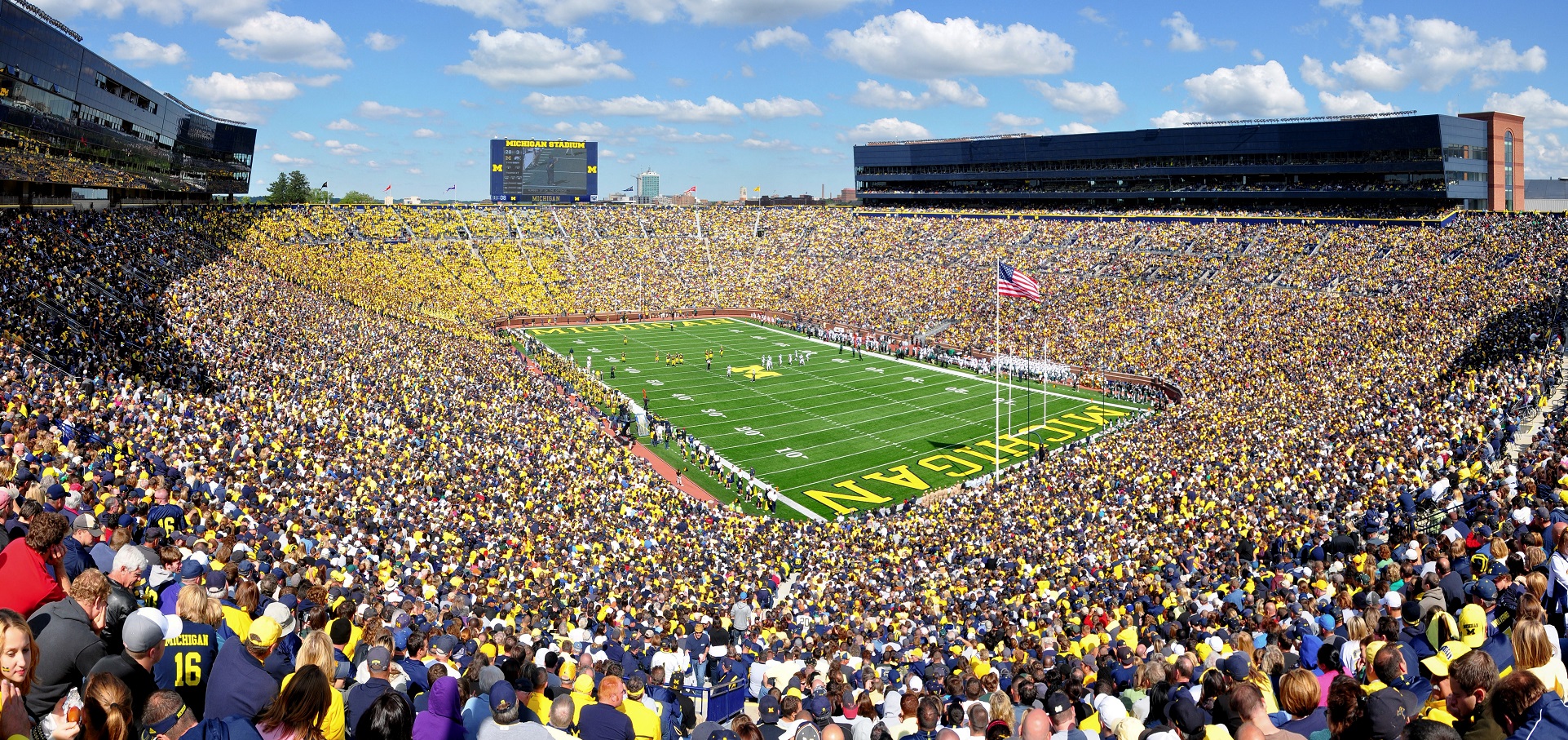
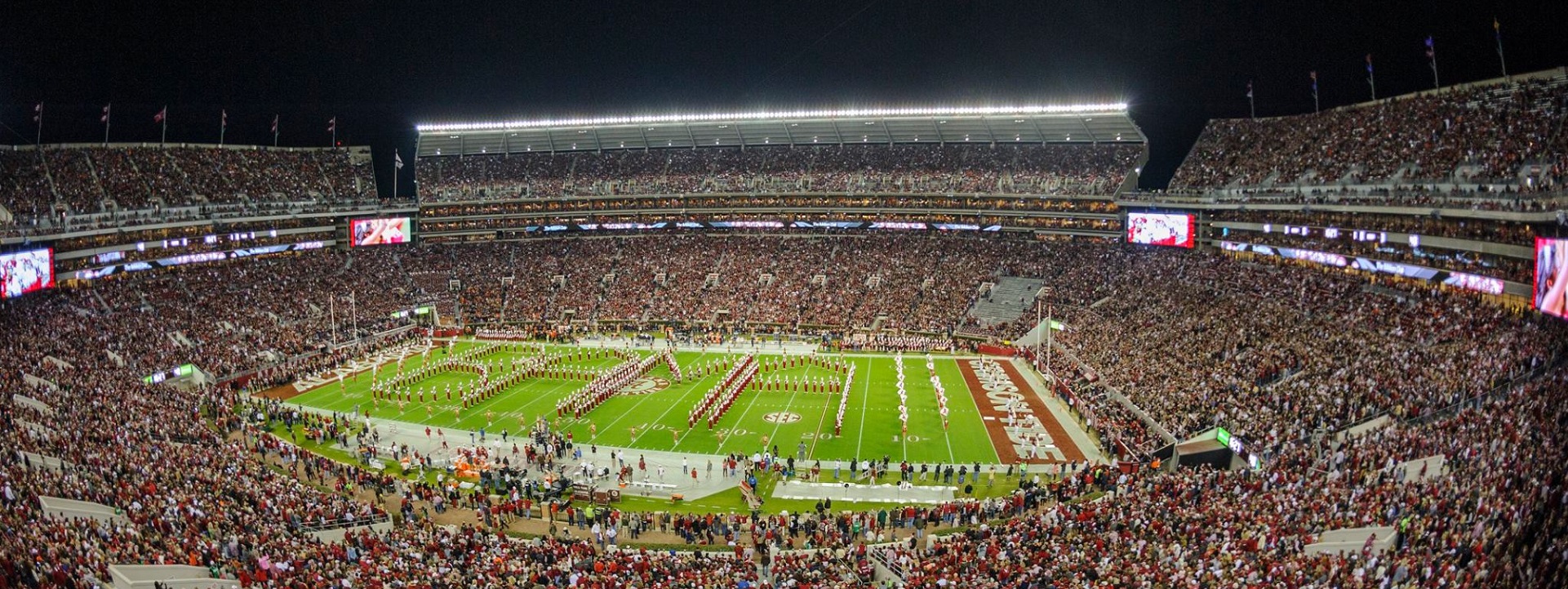
Michigan Stadium is the largest university-owned sports venue in the world. with nominal seating capacity of 110,000 and auxiliary enterprises that add another 20,000.
More information about how our colleagues may contribute to the development of future revisions to this titles should communicate directly with BSI Group Technical Committee EPL/100. We collaborate with European Union electrotechnical professionals through the IEEE Education & Healthcare Facilities Committee which meets online 4 times monthly in European and American time zones.
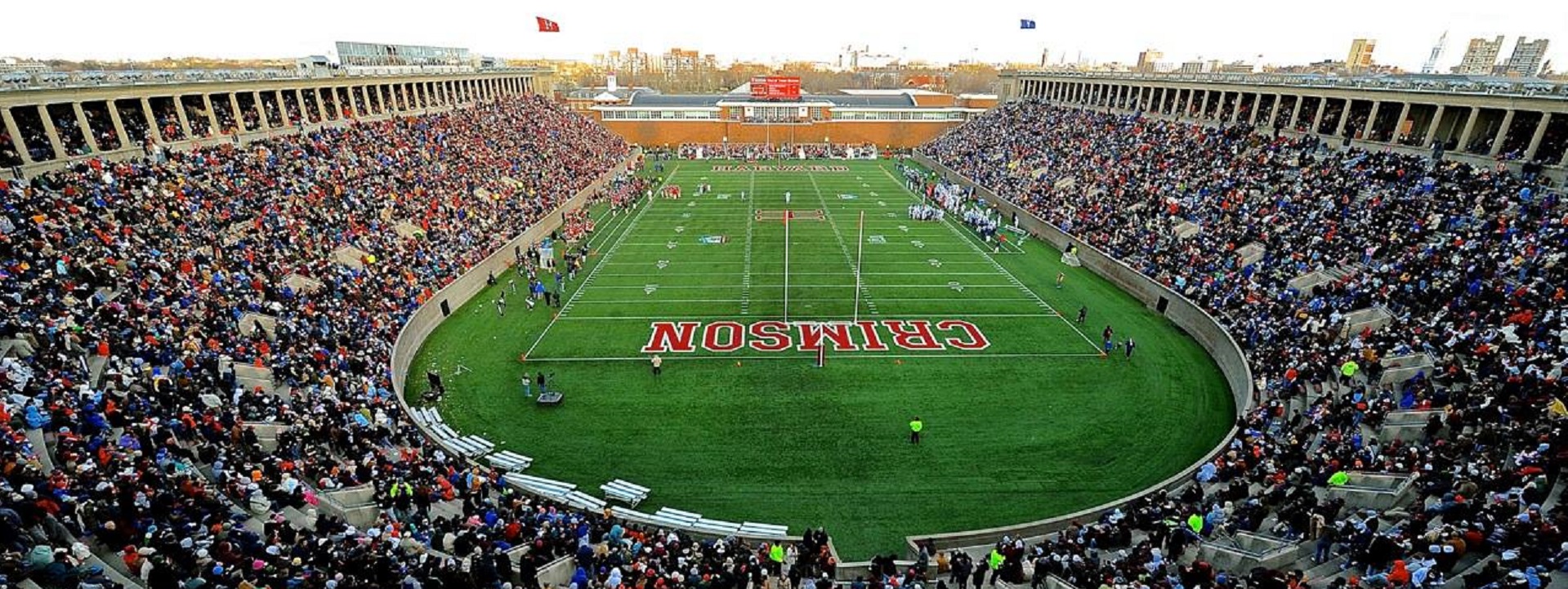
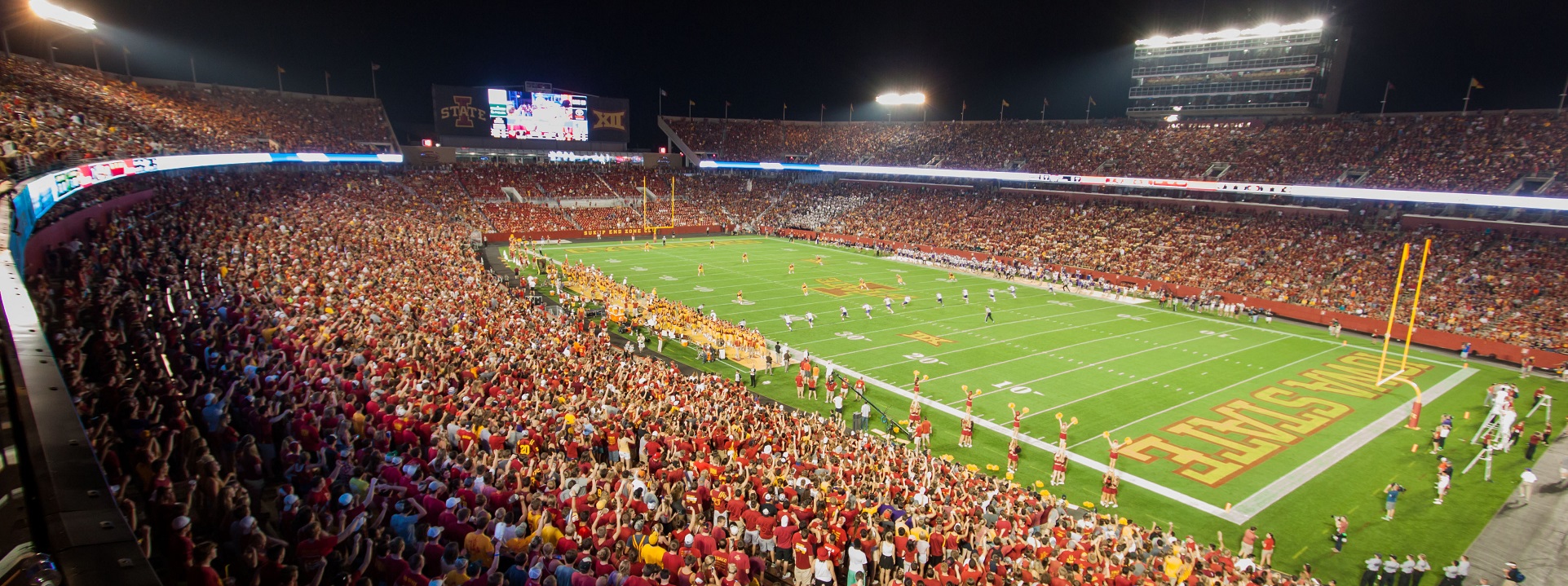


We maintain this title on the standing agenda of our Sport and Global colloquia. See our CALENDAR for the next online meeting; open to everyone.
Issue:[19-158]
Category: Sport, Global, Information & Communications Technology, Life Safety
Colleagues: Mike Anthony, Jim Harvey, Mike Hiler
“Quiet people have the loudest minds.”
— Stephen Hawking

Donegan Acoustics
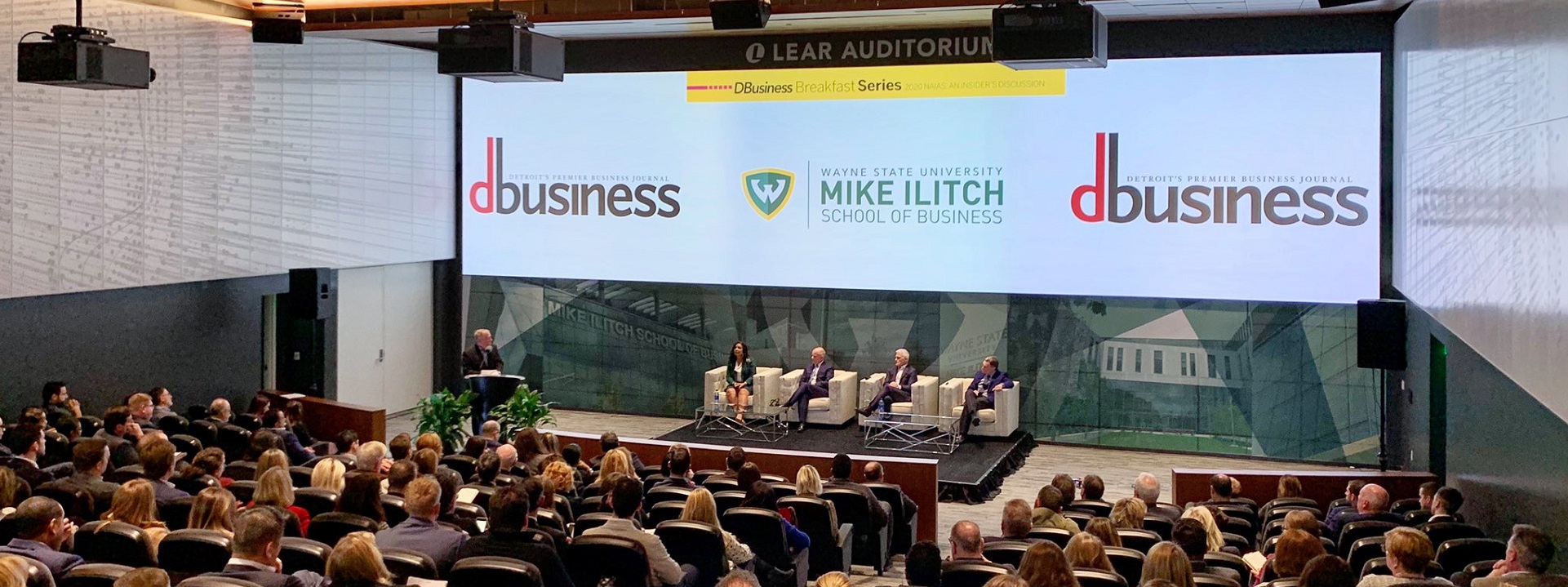
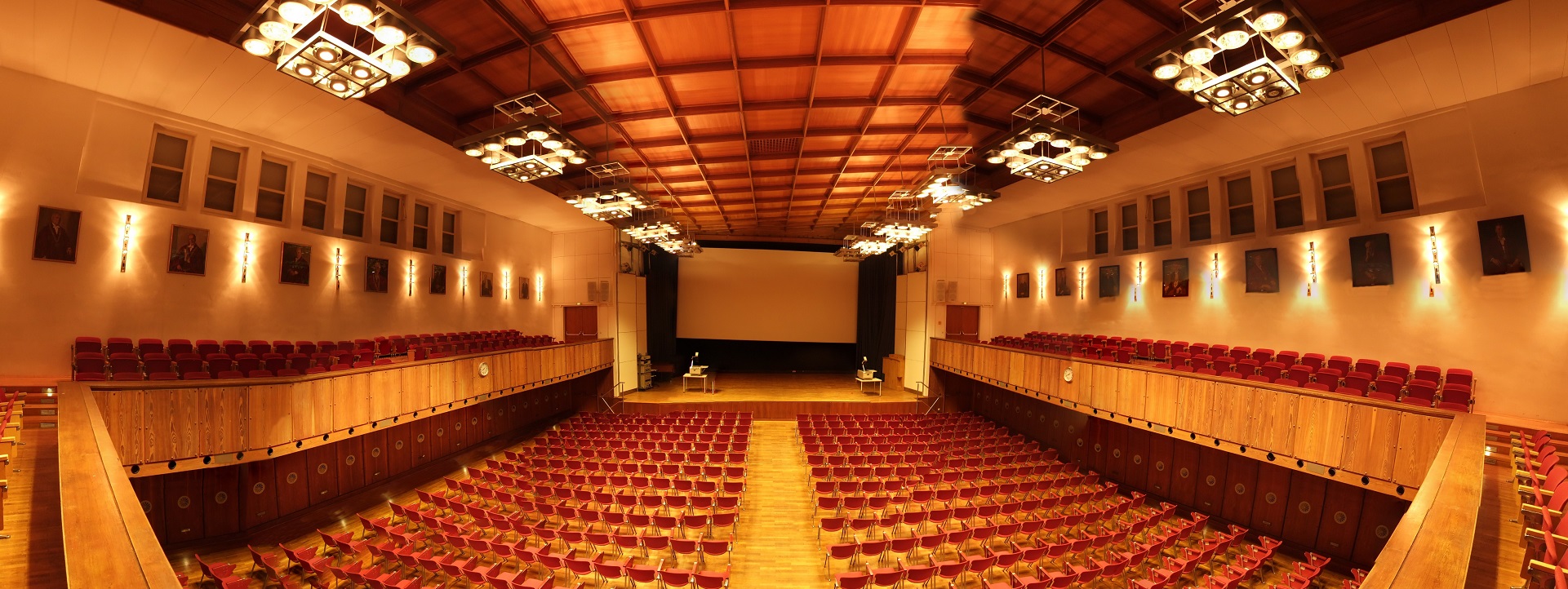
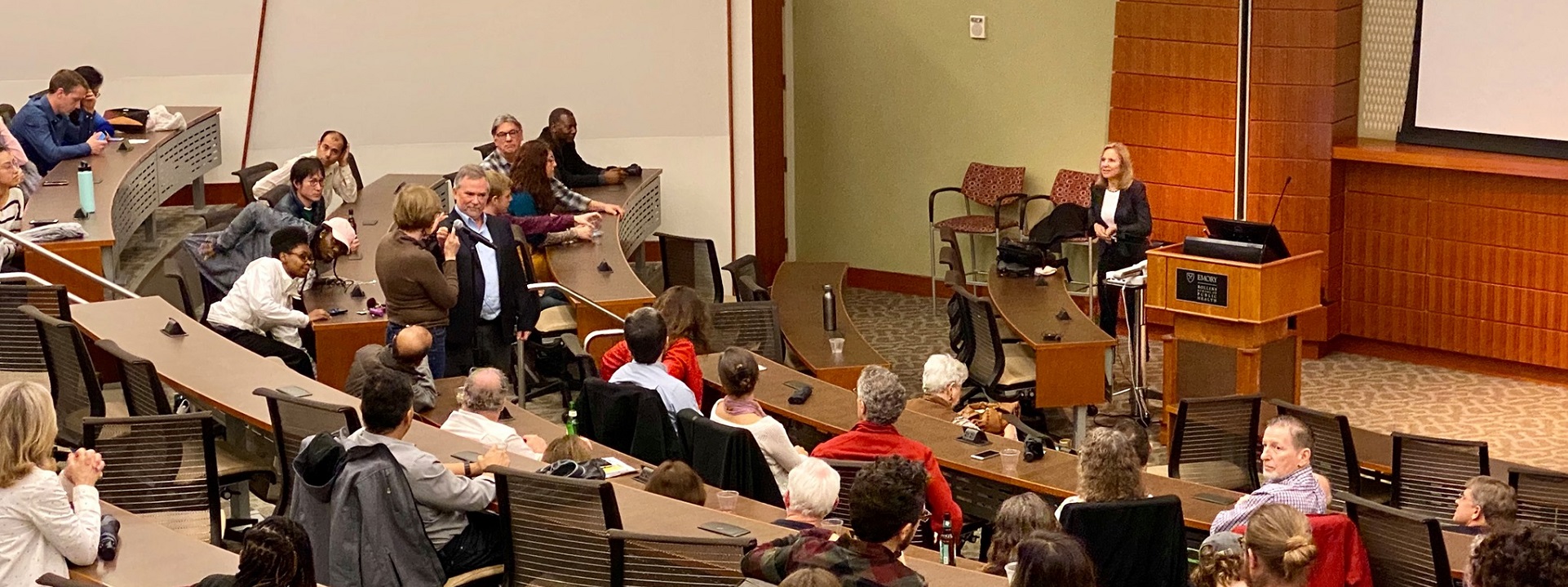
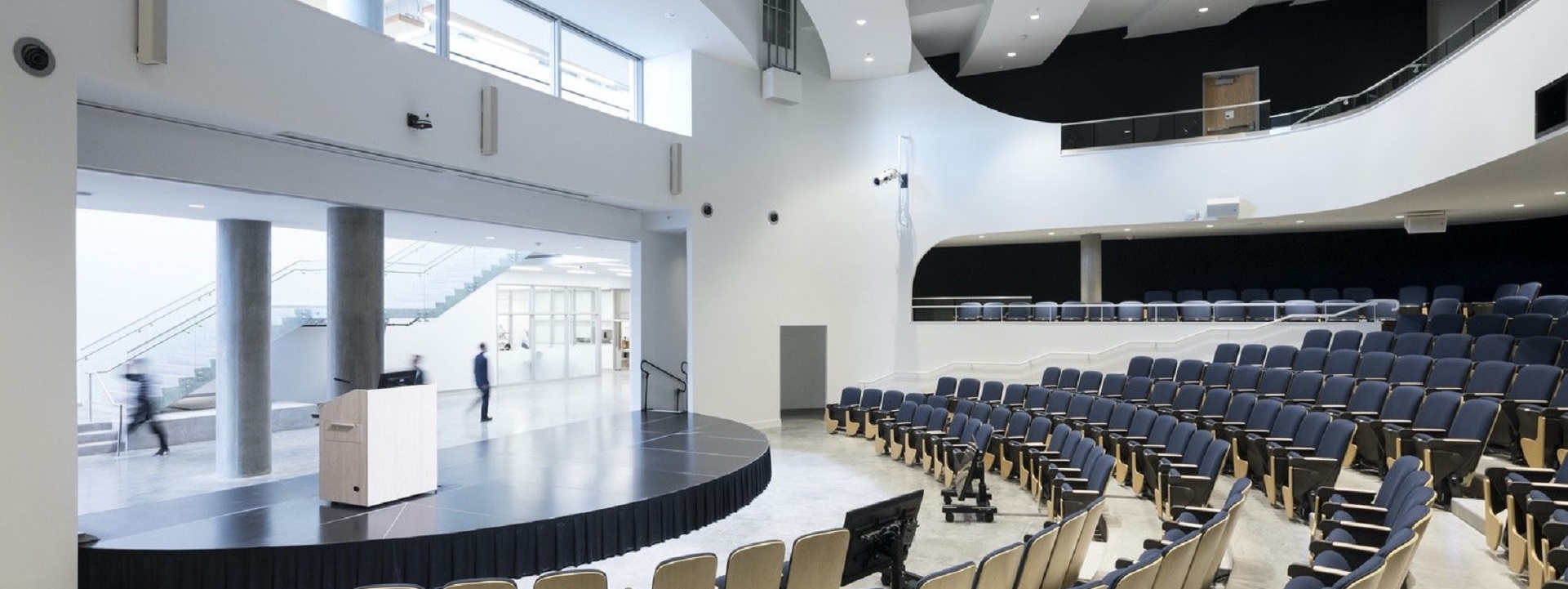
With acoustic considerations a substantial contributor to the effectiveness of learning spaces — classrooms, lecture hall, performance arts and athletic venues, etc. — we follow action in the Acoustical Society of America (ASA) suite of ANSI-accredited standards.
For example, building codes in the United States identify horizontal and vertical acoustic insulation between floors and between walls, respectively, as design considerations. Section 1206.2 of the International Building Code deal with horizontal and vertical wall sealant applications for “airborne sound” mitigation, for example. Fire protection and mass notification systems identified in NFPA 72 and UL 2572 depend upon alarms actually being heard by the occupants underscore the importance of acoustic design. When lively art spaces are also instructional spaces we seek to understand the standard of care for acoustic design of classroom spaces. Of particular interest to us in the ASA bibliography is the title linked below:
This is a fairly stable standard; though other sound related technologies we cover in other sound related technologies (ISO TC/43 Acoustics and IEC Electroacoustics TC 29). Last year’s update was required by ANSI and we had no comments to submit; absent queries from students, faculty and staff. It is wise to keep it on our radar, however, given the step-change in education communities owed to the pandemic.
On your own you may communicate with Caryn Mennigke at ASA: (631) 390-0215, asastds@acousticalsociety.org. The ASA uses ANSI Standards Action for issuing live public consultation notices.

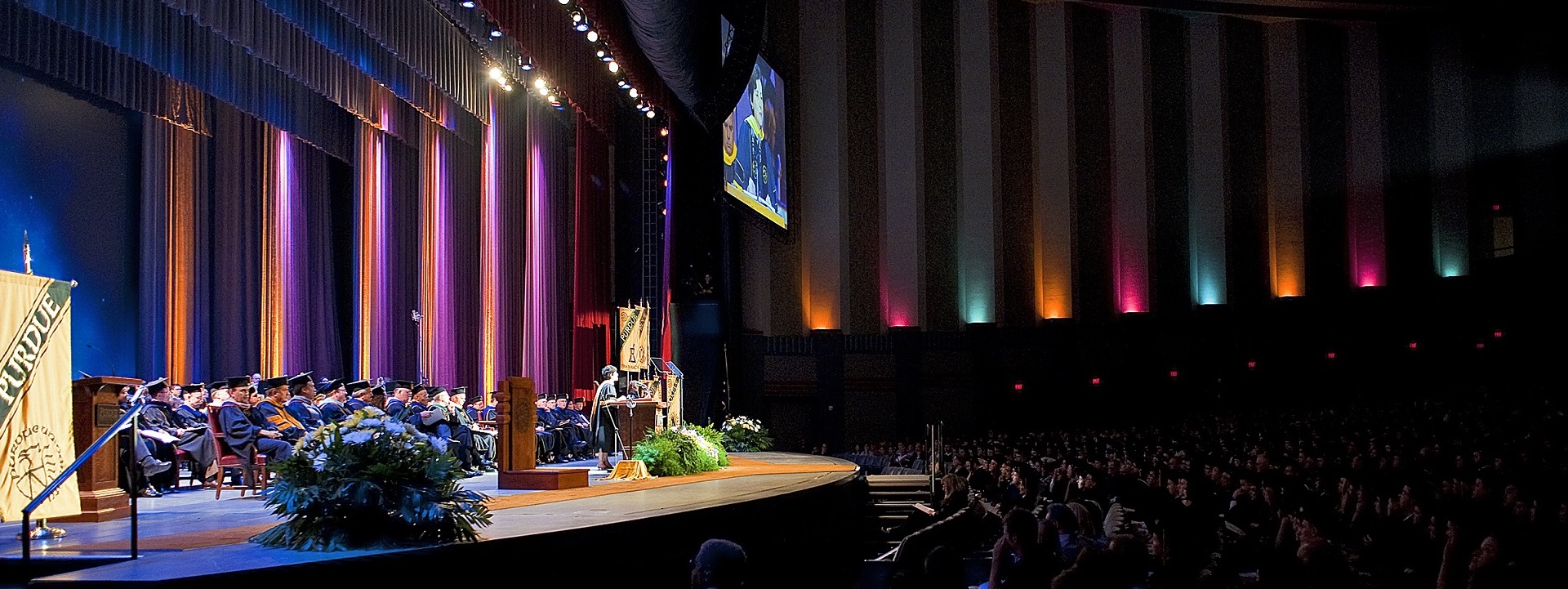


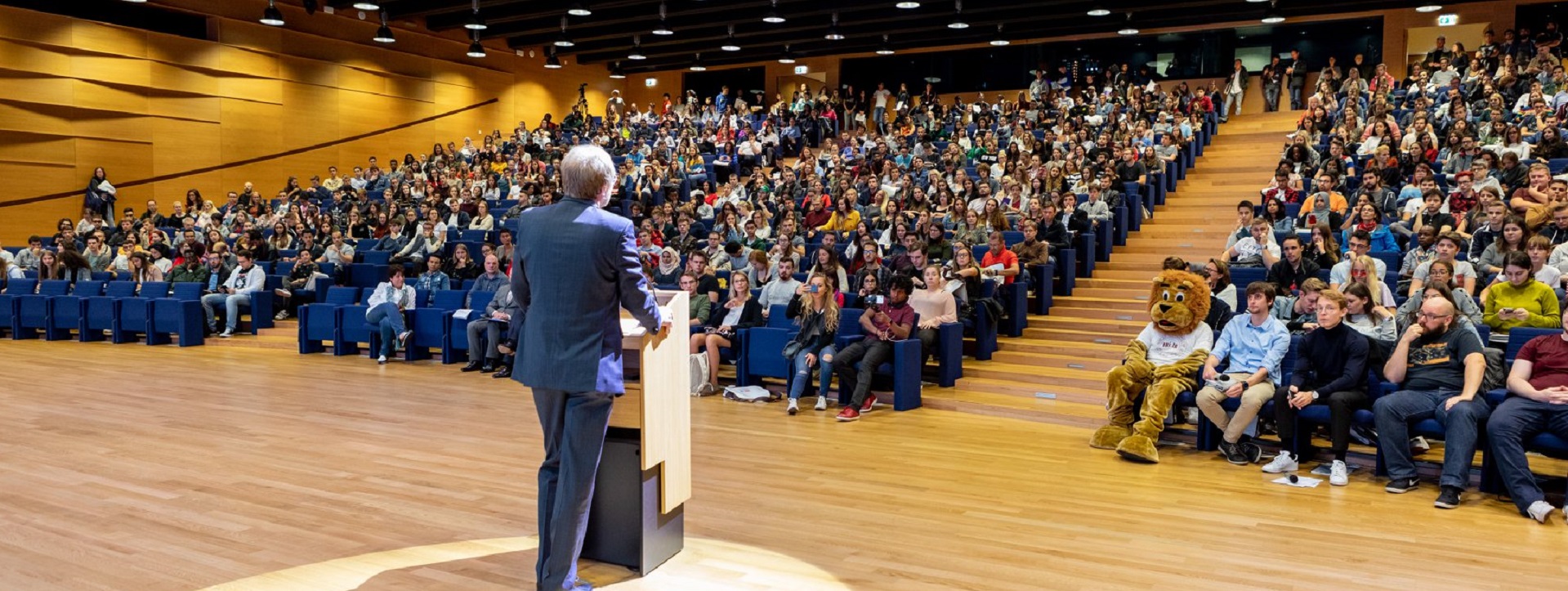
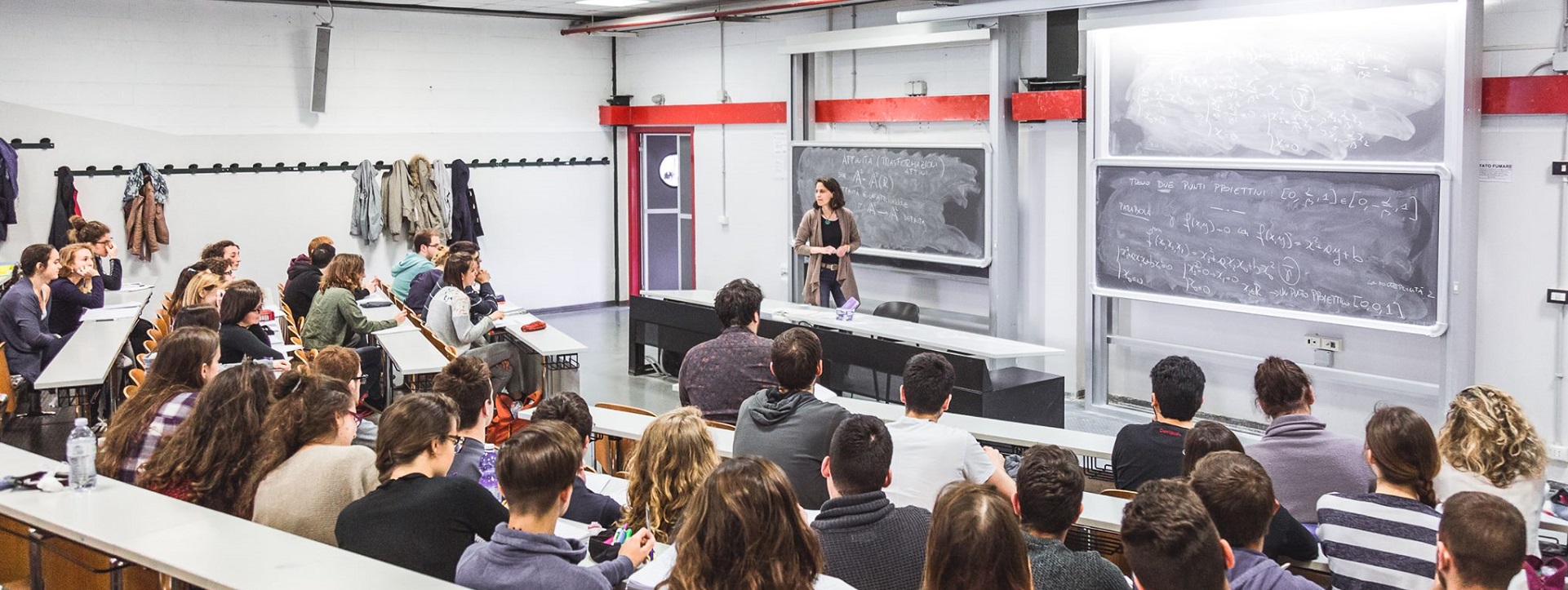
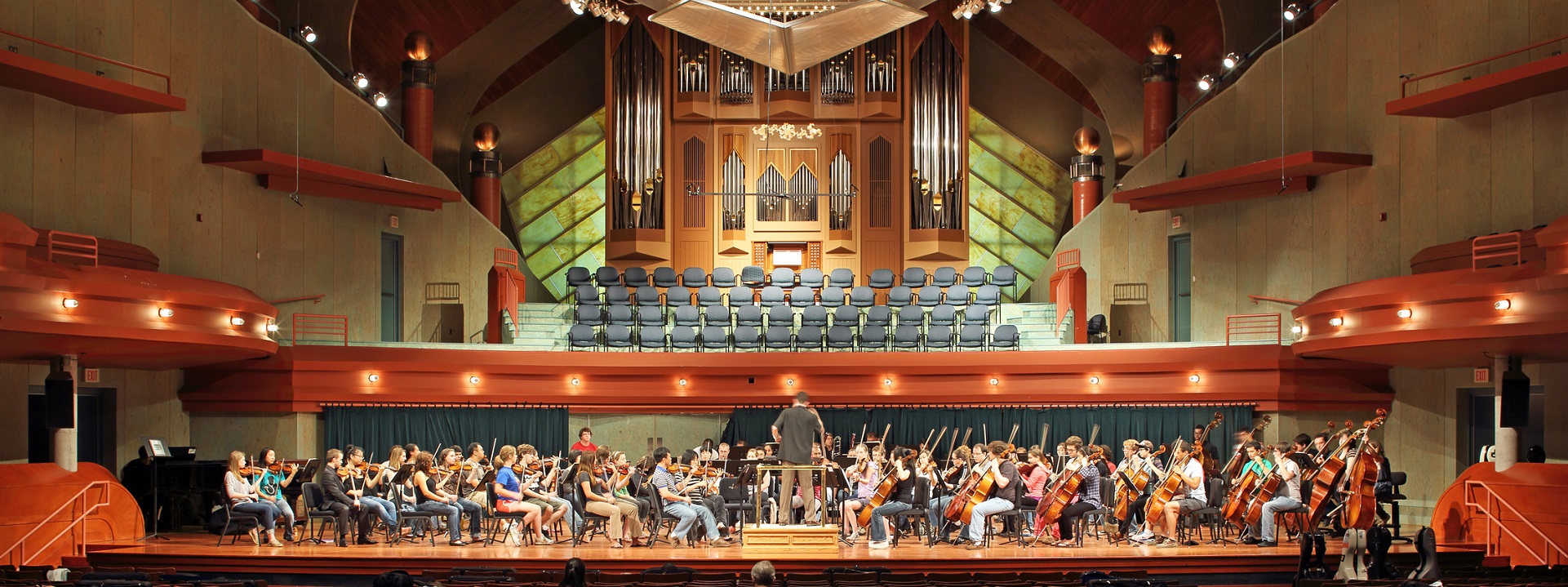
Since acoustic technologies cut across many disciplines we maintain it on the standing agenda of our Construction, Lively Art and Nota Bene teleconferences. See our CALENDAR next scheduled meeting; open to everyone.
Issue: [19-140]
Category: Academics, Architectural, #SmartCampus
Colleagues: Mike Anthony, Kristen Murphy
LEARN MORE:
Room acoustic design, measurement, and simulation techniques to reduce hospital noises within patients’ environment | Mojtaba Navvab, University of Michigan
Acoustical/Performance Criteria, Design Requirements, and Guidelines for Schools International Code Council

Abstract: In this paper, correlation coefficients between the five objective estimates of speech quality, on the one hand, and the Speech Transmission Index as speech intelligibility measure, on the other hand, were estimated. This comparison was performed using binaural room impulse responses corresponded to different points of the three university auditoriums of different sizes. Speech quality was assessed using intrusive speech quality measures: Segmental Signal-to-Noise Ratio, Logarithmic Spectral Distortion, Frequency-Weighted Segmental Signal-to-Noise Ratio, Bark Spectral Distortion, and Perceptual Evaluation of Speech Quality. The formation of signals distorted by reverberation was performed by convolving of pure signals with binaural room impulse responses of the premises. A high level of correlation (0.6-0.99) of Bark Spectral Distortion estimates with estimates of the Speech Transmission Index for rooms of different sizes was revealed. Correlation of estimates (0.65-0.98) of Frequency-Weighted Segmental Signal-to-Noise ratio with Speech Transmission Index estimates was observed for medium and large rooms. Significant correlation (0.96-0.99) of Perceptual Evaluation of Speech Quality with Speech Transmission Index estimates was observed only for large audiences. At the same time, estimates of the Segmental Signal-to-Noise Ratio and Logarithmic Spectral Distortion turned out to be practically uncorrelated with Speech Transmission Index estimates for all studied premises.
CLICK HERE to order complete paper
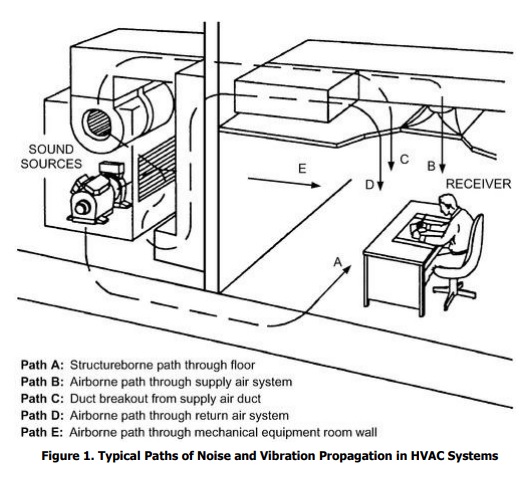
HVAC equipment for a building is one of the major sources of interior noise, and its effect on the acoustical environment is important. Further, noise from equipment located outdoors often propagates to the community. Therefore, mechanical equipment must be selected, and equipment spaces designed, with an emphasis on both the intended uses of the equipment and the goal of providing acceptable sound levels in occupied spaces of the building and in the surrounding community. Operation of HVAC equipment can also induce mechanical vibration
that propagates into occupied spaces through structureborne paths such as piping, ductwork, and mounts. Vibration can cause direct discomfort and also create secondary radiation of noise from vibrating walls, floors, piping, etc.
In this chapter, sound and noise are used interchangeably, although only unwanted sound is considered to be noise.
CLICK IMAGE
Related ASHRAE titles:
These standards aim to ensure that HVAC&R systems and equipment operate efficiently and provide a comfortable indoor environment while minimizing excessive noise levels and potential acoustic issues. They play a vital role in promoting occupant comfort and overall building performance in terms of noise control and sound quality.
This content is accessible to paid subscribers. To view it please enter your password below or send mike@standardsmichigan.com a request for subscription details.

The Control of Noise at Work Regulations came into force for all industry sectors in Great Britain on 6 April 2006 (except for the music and entertainment sectors where they came into force on 6 April 2008). The aim of the Noise Regulations is to ensure that workers’ hearing is protected from excessive noise at their place of work, which could cause them to lose their hearing and/or to suffer from tinnitus (permanent ringing in the ears).
The level at which employers must provide hearing protection and hearing protection zones is 85 dB(A) (daily or weekly average exposure) and the level at which employers must assess the risk to workers’ health and provide them with information and training is 80 dB(A). There is also an exposure limit value of 87 dB(A), taking account of any reduction in exposure provided by hearing protection, above which workers must not be exposed.
New update alert! The 2022 update to the Trademark Assignment Dataset is now available online. Find 1.29 million trademark assignments, involving 2.28 million unique trademark properties issued by the USPTO between March 1952 and January 2023: https://t.co/njrDAbSpwB pic.twitter.com/GkAXrHoQ9T
— USPTO (@uspto) July 13, 2023
Standards Michigan Group, LLC
2723 South State Street | Suite 150
Ann Arbor, MI 48104 USA
888-746-3670
 |
 |
|
 |
 |
|
 |
 |