Category Archives: Academics/Media

Loading
loading...

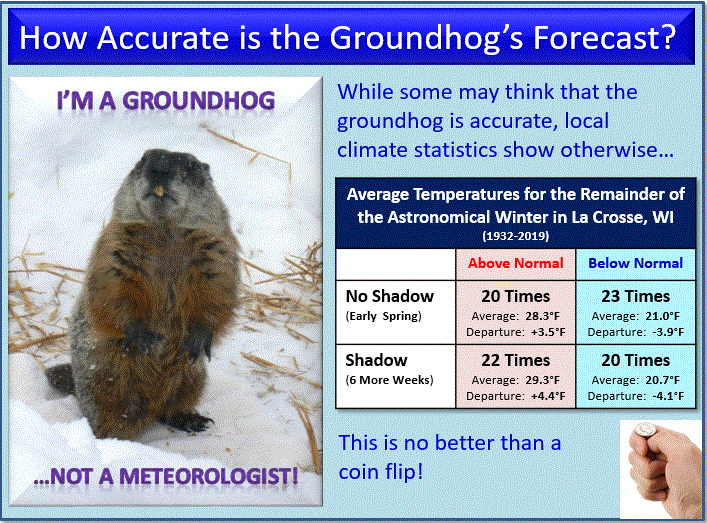
The “Groundhog Day” Effect

United States National Weather Service


Research Without Old Data and Old References


Background: The use of older data and references is becoming increasingly disfavored for publication. A myopic focus on newer research risks losing sight of important research questions already addressed by now-invisible older studies. This creates a ‘Groundhog Day’ effect as illustrated by the 1993 movie of this name in which the protagonist has to relive the same day (Groundhog Day) over and over and over within a world with no memory of it. This article examines the consequences of the recent preference for newer data and references in current publication practices and is intended to stimulate new consideration of the utility of selected older data and references for the advancement of scientific knowledge.

Methods: Examples from the literature are used to exemplify the value of older data and older references. To illustrate the recency of references published in original medical research articles in a selected sample of recent academic medical journals, original research articles were examined in recent issues in selected psychiatry, medicine, and surgery journals.

Results: The literature examined reflected this article’s initial assertion that journals are emphasizing the publication of research with newer data and more recent references.

Conclusions: The current valuation of newer data above older data fails to appreciate the fact that new data eventually become old, and that old data were once new. The bias demonstrated in arbitrary policies pertaining to older data and older references can be addressed by instituting comparable treatment of older and newer data and references.


Related:

ASTM International: Standard Practice for Calculating and Using Basic Statistics

Groundhog Day: Ancient Origins of a Modern Celebration (Library of Congress) 

IMSDb: “GroundHog Day” The Complete Script

Harvard Business Review: When the Groundhog Predicts an Early Spring, Investors Get Optimistic

Indiana University: Groundhog Day Probability in Perspective


Standards Pennsylvania


Animal Safety

“One of the Family” 1880 | Frederick George Cotman

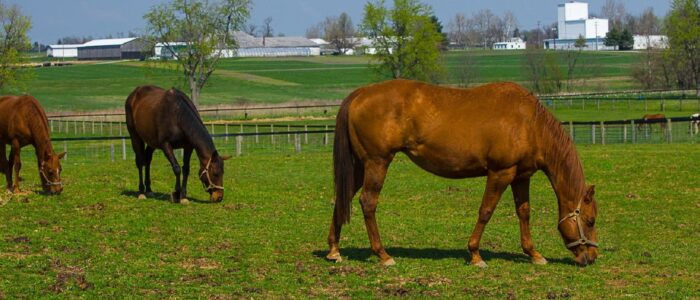
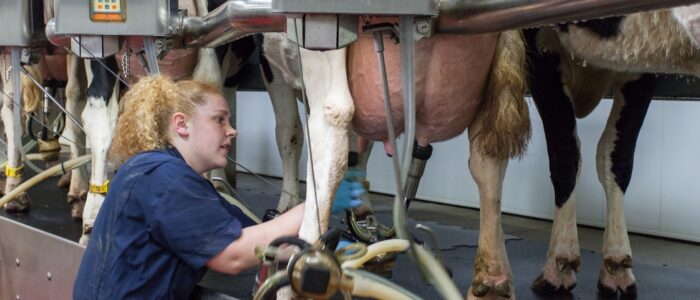
NFPA 150 Fire and Life Safety in Animal Housing Facilities Code has entered its s025 revision cycle.   Many education communities are responsible for animal safety in academic units, research enterprises. museums and even — as in the United Kingdom — large farm animals that wander freely on campus with students, faculty and staff.  The number of colleges and universities that permit students to live with their pets has expanded; and with it the responsibilities of university administration.

From the document scope:

This standard shall provide the minimum requirements for the design, construction, fire protection, and classification of animal housing facilities.  The requirements of NFPA 150 recognize the following fundamental principles:

(1) Animals are sentient beings with a value greater than that of simple property.

(2) Animals, both domesticated and feral, lack the ability of self-preservation when housed in buildings and other structures.

(3) Current building, fire, and life safety codes do not address the life safety of the animal occupants. The requirements found in NFPA 150 are written with the intention that animal housing facilities will continue to be designed, constructed, and maintained in accordance with the applicable building, fire, and life safety codes.

The requirements herein are not intended to replace or rewrite the basic requirements for the human occupants. Instead, NFPA 150 provides additional minimum requirements for the protection of the animal occupants and the human occupants who interact with those animals in these facilities. 


A full description of the project is linked below:

Fire and Life Safety in Animal Housing Facilities Code

Access to the 2025 Edition is linked below:

FREE ACCESS NFPA 150

We provide the transcript of the back-and-forth on the current 2022 edition to inform how education communities can contribute to the improvement of this title; a subject that stirs deep feelings about animal safety in research enterprises.

NFPA 150 First Draft Agenda

NFPA 150 Second Draft Report

Public comment on the Second Draft of the 2025 Edition will be received until March 27, 2024.   

We have been advocating risk-informed animal safety concepts in this document since the 2013 Edition and have found that it is nearly impossible to overestimate the sensitivity of educational communities to the life safety of animals — either for agriculture or medical research.

We maintain the entire NFPA catalog on the standing agenda of our Prometheus colloquia.  See our CALENDAR for the next online meeting; open to everyone.

"i thank You God for most this amazing day:for the leaping greenly spirits of trees and a blue true dream of sky;and for everything which is natural which is infinite which is yes" -- e.e.cummings ('Seventy-One Poems' 1950)


Issue: [11-1] and [19-5]

Category: Fire Protection, Facility Asset Management, Academic, Risk Management

Colleagues: Mike Anthony, Josh Elvove, Joe DeRosier

More:

Protecting Animals When Disaster Strikes

Animals 300


Bibliography:

25 Most Pet-Friendly Colleges

National Institute of Health: Policy on Humane Care and Use of Laboratory Animals

International Building Code: Section 304 (Business Group B): Animal hospitals, kennels and pounds

Terrestrial Animal Health Code

IEEE Guide for Animal Deterrents for Electric Power Supply Substations

ASHRAE Animal Facilities

IEEE Livestock Monitoring System

Ventilation Design Handbook on Animal Research Facilities

HVAC Design in Animal Facilities

USDA Animal Welfare Information Center

ISO Assistance Dogs

US Department of Agriculture: Animal Welfare Act and Animal Welfare Regulations

S. 4288: Reducing Animal Testing Act

Guaranteeing safety of animals under risk of fire: conceptual framework and technical issues analysis

Protecting Animals When Disaster Strikes


Standards Curricula Program

NIST Standards Coordination Office Curricula Development Cooperative Agreement Program.

How to Apply | Awardees 2012-2025 | News Items

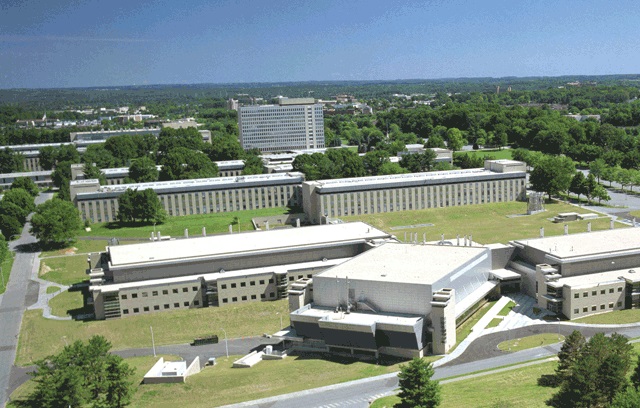
NIST Headquarters (Click on image)


NIST continues its Standards Curriculum program through the Standards Coordination Office Curricula Development Cooperative Agreement Program (SCO CD CAP), formerly known as the Standards Services Curricula Development Cooperative Agreement Program.  This ongoing initiative, started in 2012 (initially as Education Challenge Grants), funds U.S. colleges and universities to develop and integrate undergraduate and/or graduate-level curricula on documentary standards, standards development, and standardization into courses, modules, seminars, and learning resources.  The University of Michigan is a past recipient of a standards education award through this program.

The most recent funding round was for Fiscal Year 2025 (FY25):

  • The Notice of Federal Funding Opportunity (NOFO) was released on January 14, 2025.
  • Applications were due by April 14, 2025.
  • NIST anticipated awarding up to 8 grants, each up to $100,000, with project periods of up to 3 years (potentially extending into 2027–2028).

Projects funded under FY25 involve curriculum development and implementation that may continue into 2026 and beyond, including required workshops.

As of early 2026, no new Notice of Federal Funding Opportunity (NOFO) has been announced for FY2026. The program has historically issued funding rounds annually or near-annually, with recent awards in prior years (e.g., 2024 awards totaling over $1.1 million to 8 universities). However, due to proposed budget reductions for NIST in FY2026, future rounds may be impacted or delayed.


2024 Update: NIST Awards Funding to 8 Universities to Advance Standards Education


The Standards Coordination Office of the National Institute of Standards and Technology conducts standards-related programs, and provides knowledge and services that strengthen the U.S. economy and improve the quality of life.  Its goal is to equip U.S. industry with the standards-related tools and information necessary to effectively compete in the global marketplace. 

Every year it awards grants to colleges and universities through its Standards Services Curricula Cooperative Agreement Program  to provide financial assistance to support curriculum development for the undergraduate and/or graduate level. These cooperative agreements support the integration of standards and standardization information and content into seminars, courses, and learning resources. The recipients will work with NIST to strengthen education and learning about standards and standardization. 

The 2019 grant cycle will require application submissions before April 30, 2019 (contingent upon normal operation of the Department of Commerce).  Specifics about the deadline will be posted on the NIST and ANSI websites.  We will pass on those specifics as soon as they are known.

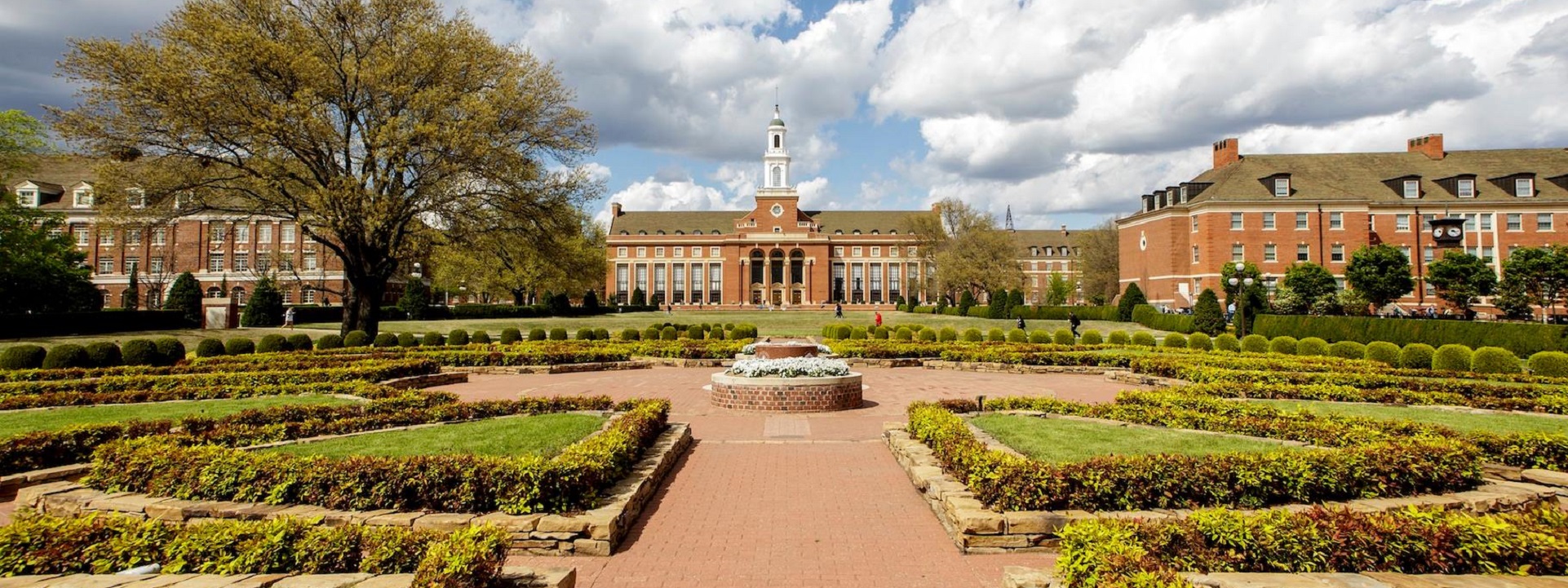
The winners of the 2018 grant cycle are Bowling Green State University, Michigan State University,  Oklahoma State University, and Texas A&M University. (Click here)

The University of Michigan received an award during last year’s grant cycle (2017).   An overview of the curriculum — human factors in automotive standards  — is linked below:

NIST Standards Curricula INTRO Presentation _ University of Michigan Paul Green

Information about applying for the next grant cycle is available at this link (Click here) and also by communicating with Ms. Mary Jo DiBernardo (301-975-5503; maryjo.dibernardo@nist.gov)

LEARN MORE:

Click here for link to the previous year announcement.

Technical Requirements for Weighing & Measuring Devices

Three Felonies a Day: How the Feds Target the Innocent


National Center for Spectator Sports Safety and Security

Standards Mississippi

Audio Standards

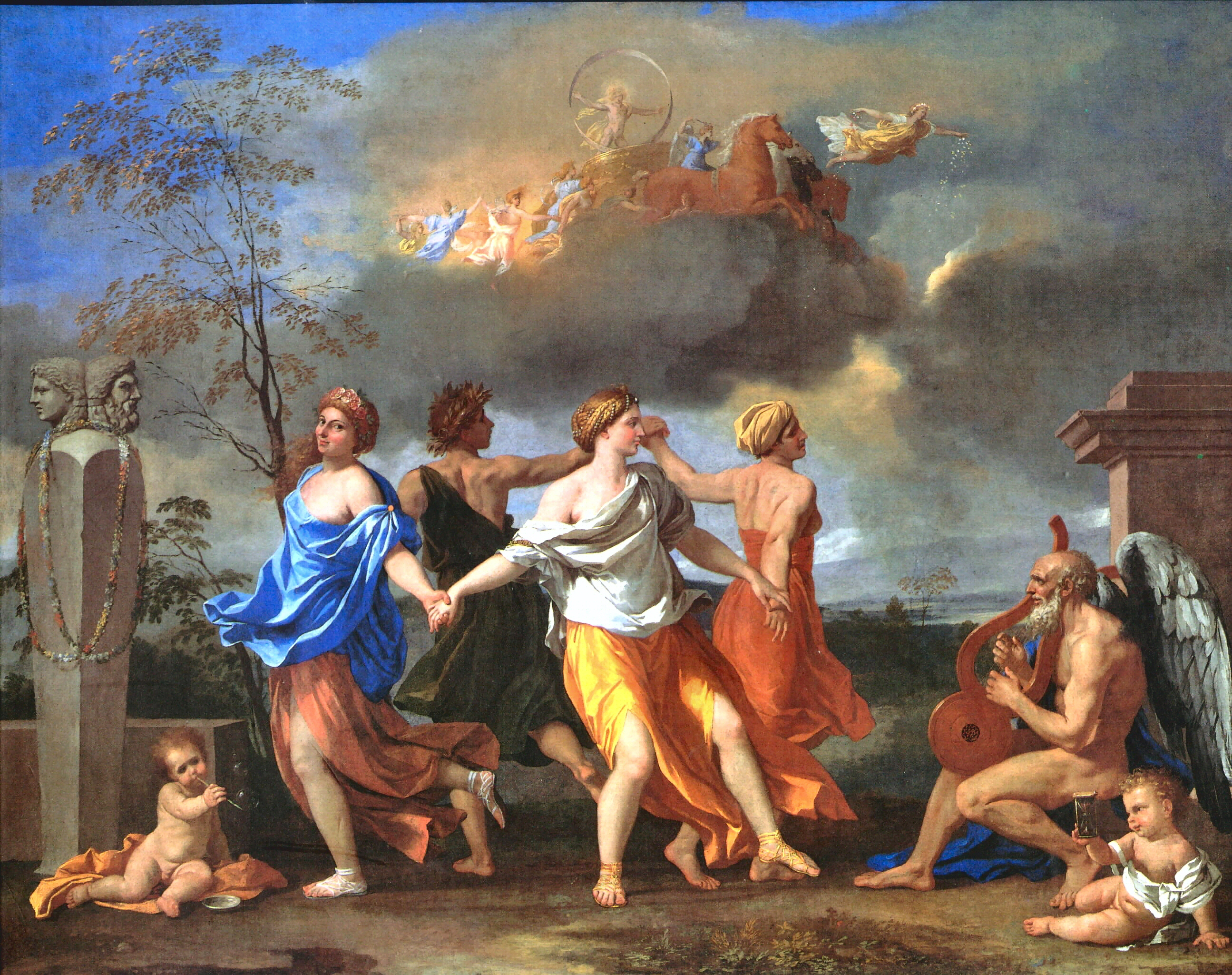
“A Dance to the Music of Time” 1640 Nicolas Poussin


“The voice of the intellect is a soft one,

but it does not rest until it has gained a hearing.”

— Sigmund Freud


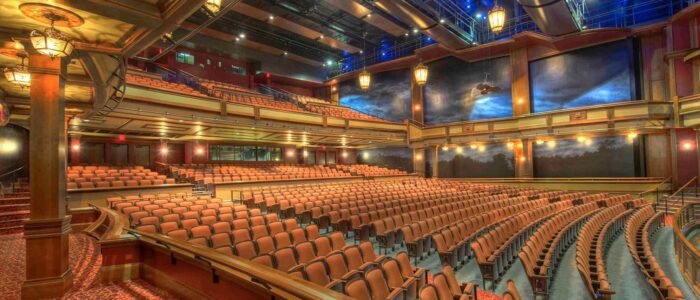
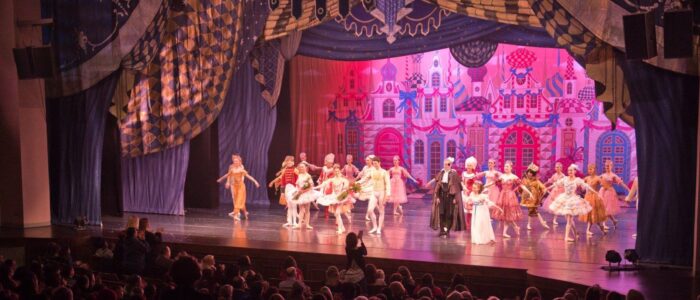
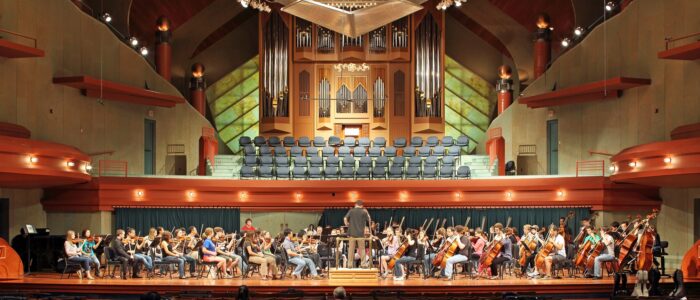
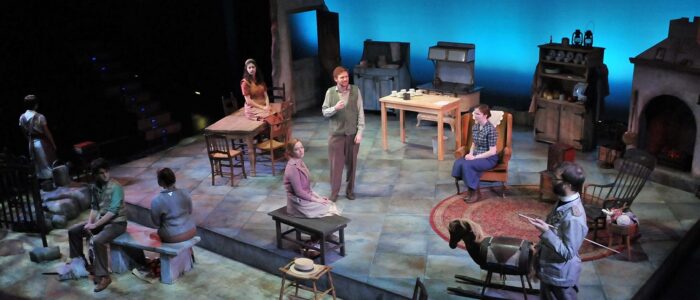
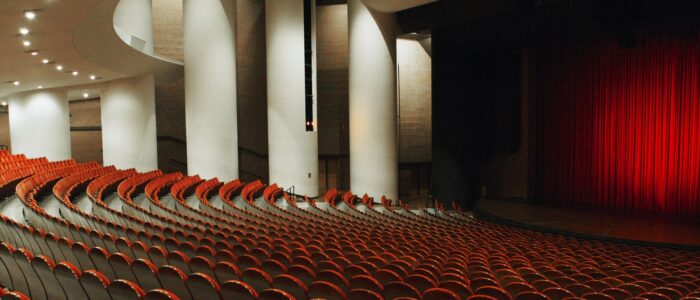
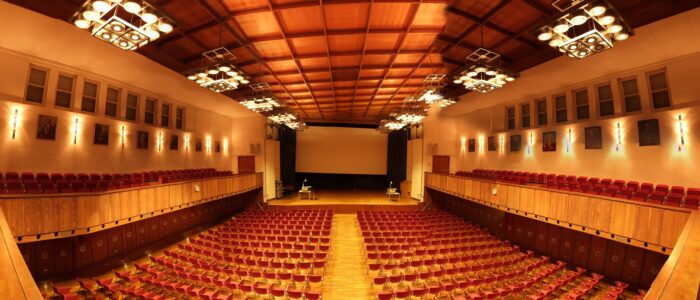
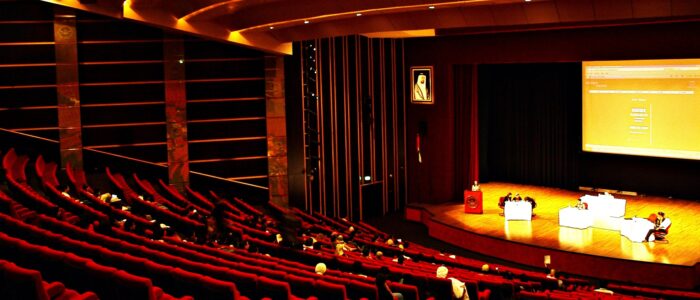
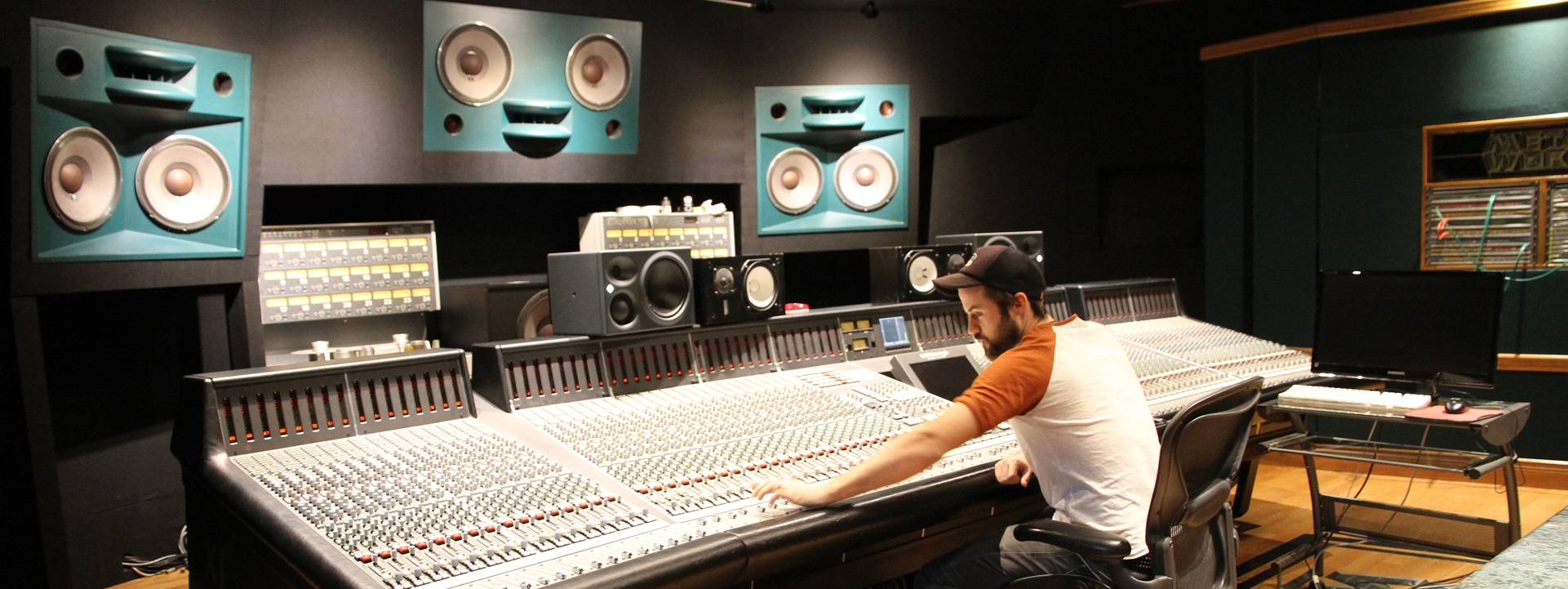
The education industry provides a large market for occupancy classes — athletic stadiums, student assembly spaces, performance theaters, large lecture halls– that depend upon effective audio systems*.   To an unexpected degree the structural engineering, specification of materials and electrical system design and operation is informed by acoustical considerations.  So does the integration of fire safety and mass notification systems into normal state enterprises so it is wise to follow and, ideally, participate in leading practice discovery and promulgation of audio standards.
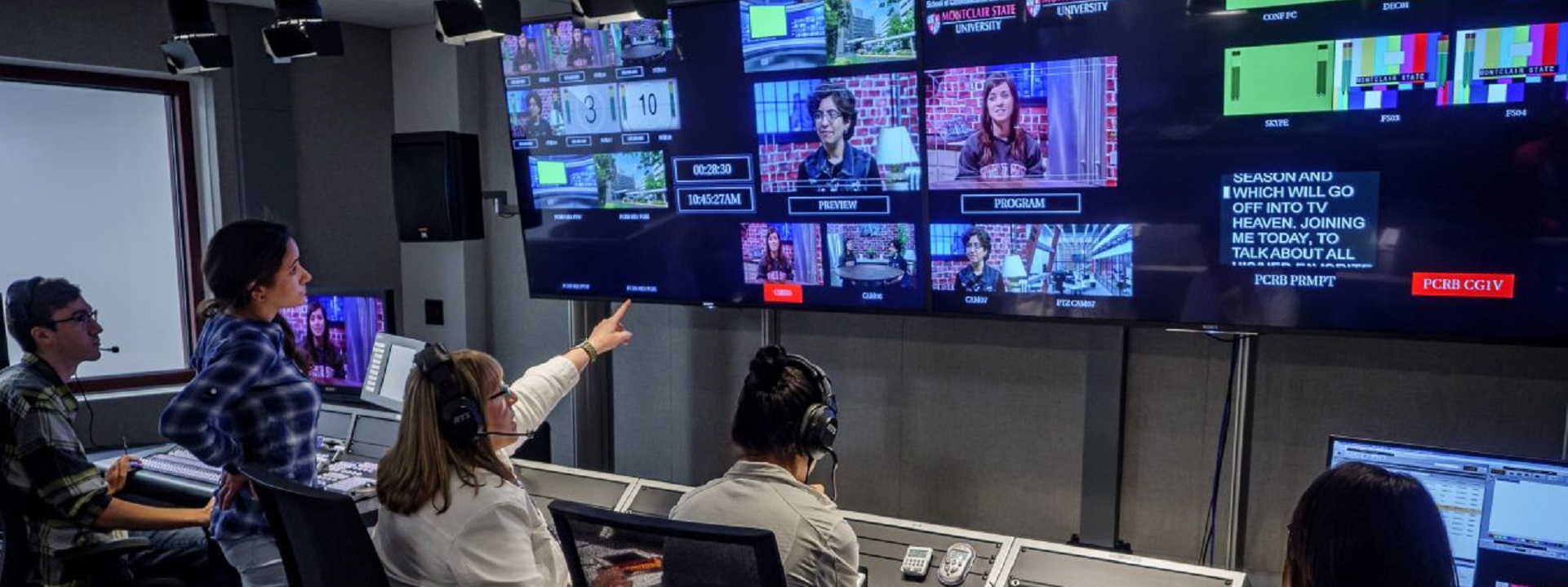
The Audio Engineering Society — one of the first names in this space — has a due process platform that welcomes public participation.   All of its standards open for public comment completed their revision cycle mid-November as can be seen on its standards development landing page below:

AES Standards Development

Note that AES permits access to those revision even after the comment deadline.  You are encouraged to communicate directly with the Direct communication with the standards staff at Audio Engineering Society International Headquarters, 551 Fifth Avenue, Suite 1225, New York NY 10176,  Tel: +1 212 661 8528

We keep the AES suite on the standing agenda of our periodic Lively Arts teleconference.  See our CALENDAR for the next online meeting.

This facility class is one of most complex occupancy classes in education facilities industry so we also collaborate with experts active in the IEEE Education & Healthcare Facilities Committee. Much of the AES suite references, and borrows from, International Electrotechnical Commission system integration and interoperability standards.   The IEEE E&H committee meets online again four times monthly in European and American time zones.  The meeting dates are available on the IEEE E&H website
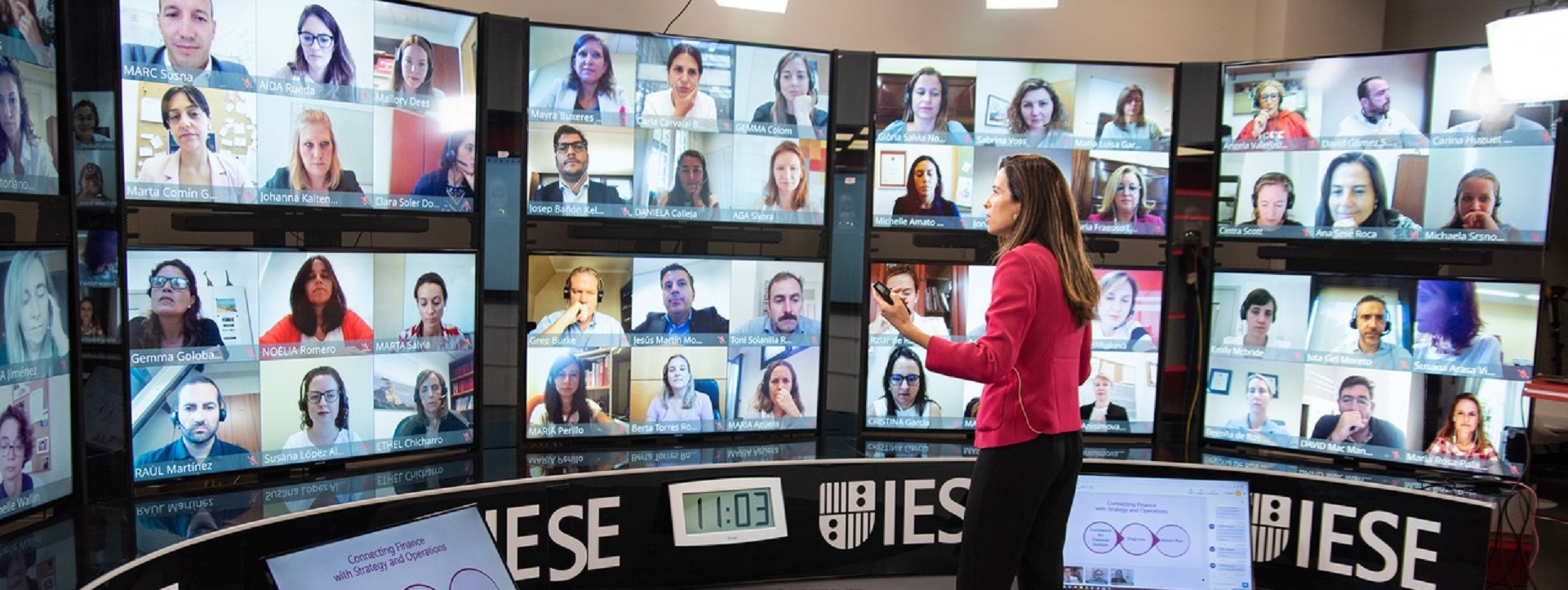
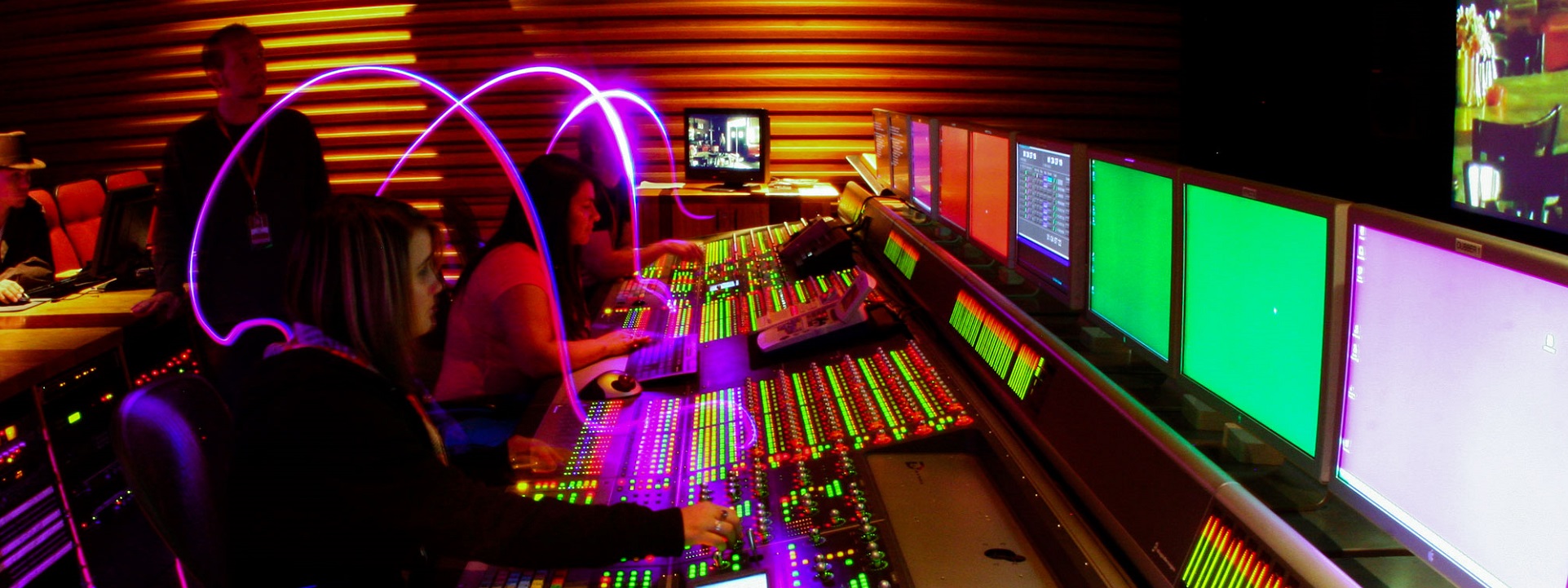
Media production audio visual

Issue: [19-23]

Category: Electrical, Academic,  Athletics, Fire Safety, Public Safety, #WiseCampus

Contact: Mike Anthony, Jim Harvey

*Mass notification systems are governed by NFPA 72 and, while life safety wiring is separate from other wiring, the management of these systems involve coordination between workgroups with different business objectives and training.


LEARN MORE:

Archive / Audio Engineering Society


Requirements for Hybrid Media Production

Media production audio visual

Requirements for the Hybrid Media Production Facility of the Future

Mike Strein – Karl Paulsen

Society of Motion Picture and Television Engineers

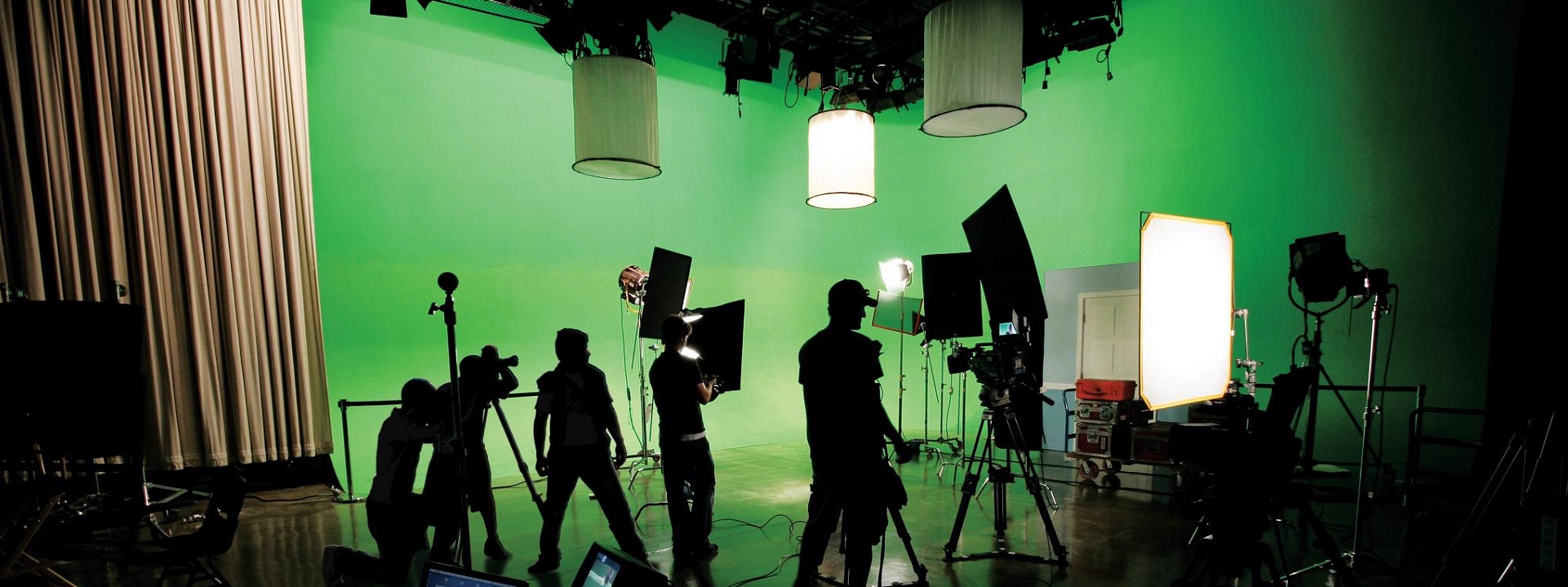
Abstract: People who began their careers in television broadcasting before the 1990s should have seen television and media technical infrastructures endure three significant transitions: standard definition (SD) analog to SD digital; SD digital to high definition (HD) digital; and HD digital to media carried over an Internet Protocol (IP) network in multiple formats. Each transition involved either an infrastructure replacement or a complete rebuild of their technical facilities. Most of the gear and much of the cabling likely had to be replaced, updated, or refined. As changes to the system were made, compressed video, storage, and data management adjusted accordingly. New terminologies evolved, sometimes heightened by “marketing hype,” that drove users to amend workflows, processes, and capital budgets like revolving doors in a hotel.

We live in an age of continual transformation where formats, transport methods, and delivery have moved in full strength to yet another dimension—the era of IP. Yet again the industry is being thrust into yet another significant change in infrastructure, which now includes cloud, realtime over-the-top (OTT) streaming, and virtualization. How does one design a facility for these kinds of transitions without needing a forklift upgrade every decade? These are serious topics that impact return on investment (ROI), timing, and capital versus operational alterations. This article examines new hybrid models for media production, explores their components, and gives examples of how to compose the media future for live production environments at the studio and enterprise levels.

CLICK HERE to order complete paper

Stage Technical Standards for Outdoor Live Performance Theater

Media


“The entropy of a message source measures the average amount

of information produced by that source.”

Claude Shannon (University of Michigan, B.A. 1936) 

 A Mathematical Theory of Communication, 1948


Media production audio visual

Today at the usual time we run a status check on the technical literature informing best practice for remote/hybrid working, teaching, learning and lively art performance.  We start with the following incumbent standards developers primarily involved with hardware interoperability permanently installed in the built environment (classrooms, studios, auditoriums and the like) for which stewards of physical assets are responsible.

We generally avoid spending any time on content creation and distribution by United States propaganda outlets  – which includes the vast network of national public radio stations domiciled in educational settlements (and partially funded by the US federal government).

Acoustical Society of America

Acoustics

ASHRAE International

Thermal Environmental Conditions for Human Occupancy

Energy Standard for Data Centers

ASTM International

ATIS

Audio Engineering Society

Audio Standards

Classroom Acoustics

BICSI International

Entertainment Services and Technology Association

Theater Safety

Illumination Engineering Society

Lighting Theatre & Auditorium Spaces

Institute of Electrical and Electronic Engineers

International Code Council | ICC G2 Guideline for Acoustics

International Telecommunications Unions

National Fire Protection Association | National Electrical Code Chapters 5 through 8

Arenas, Lecture Halls & Theaters

National Standards for Quality Online Courses

Society for Imaging Science & Technology

Society of Motion Picture and Television Engineers

Motion Picture Production

Telecommunication Industry Association


Representative Specifications:
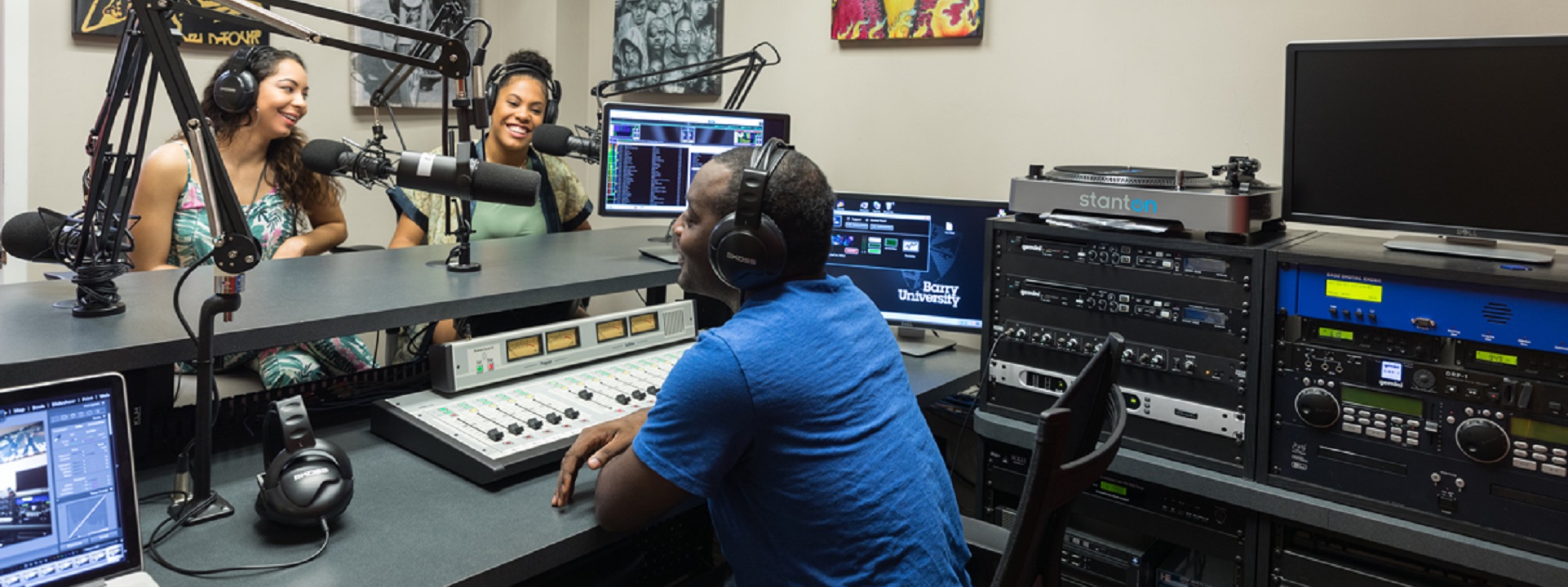
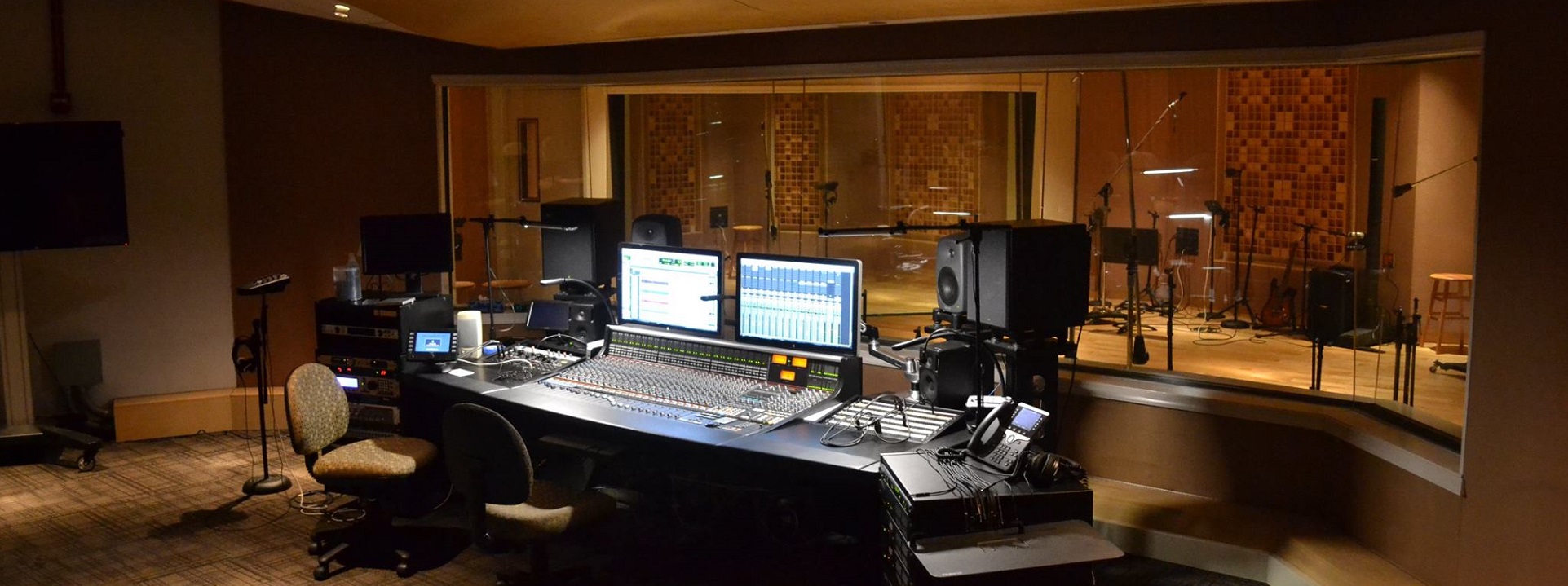
Washington University Audio/Visual & Multimedia Room Specifications

Indiana University Learning Spaces Design – Audio Visual Standards

University of Nebraska: Audio Visual Systems General Standards & Guidelines

As time permits we will review the blistering pace of development in platforms for teleconferencing, security, presentation software, academic content management systems — a domain moving too quickly for our resources but important to understand and navigate.


Information technology for learning, education and training

Illustration from 1913 showing Pythagoras teaching a class of women. Pythagoras believed that women should be taught philosophy as well as men and many prominent members of his school were women.

We follow the catalog of best practice titles developed by a joint committee of the International Organization for Standardization and the International Electrotechnical Commission that should interest educational institutions with an interest in capturing revenue from students outside their home country (which is nearly every educational organization as far as we can see, save for secondary school districts).

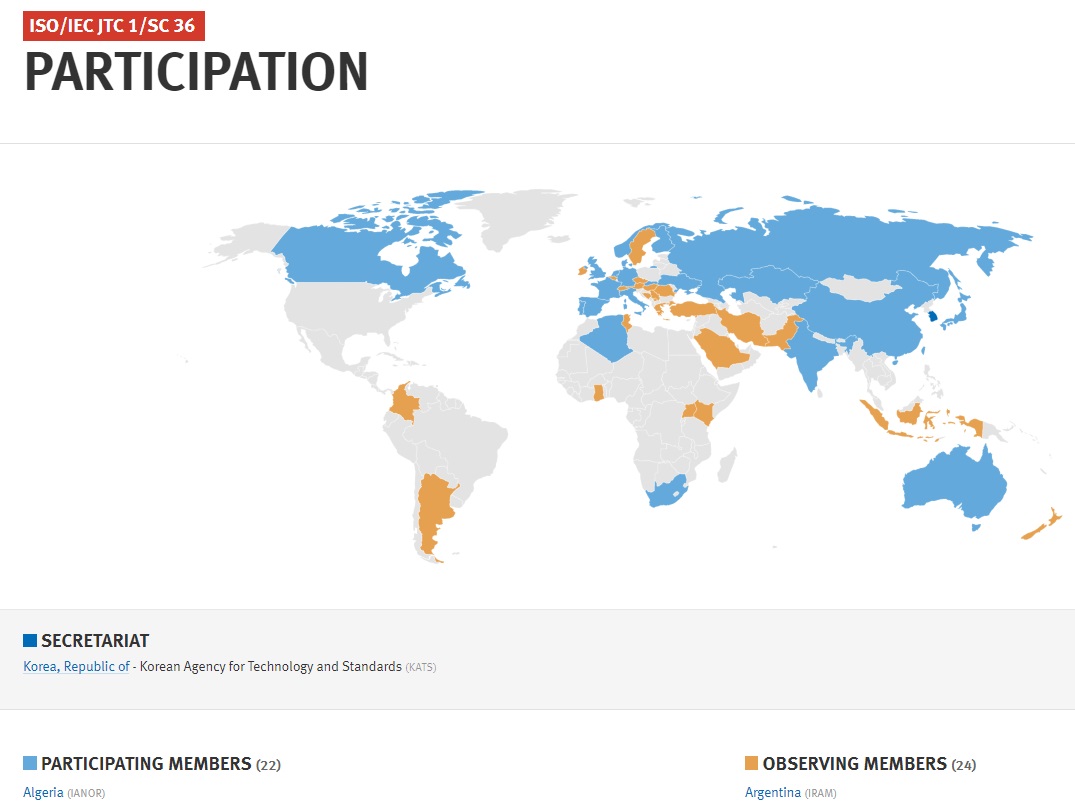
ISO/IEC JTC 1/SC 36 Information technology for learning, education and training is charged with standardization in the field of information technologies for learning, education, and training to support individuals, groups, or organizations, and to enable interoperability and reusability of resources and tool. Excluded from this scope are: •standards or technical reports that define educational standards (competencies), cultural conventions, learning objectives, or specific learning content.  Work done by other ISO or IEC TCs, SCs, or WGs with respect to their component, specialty, or domain. Instead, when appropriate, normative or informative references to other standards shall be included. Examples include documents on special topics such as multimedia, web content, cultural adaptation, and security.   The landing page for all ISO/IEC JTC 1 is linked below.

ISO/IEC JTC 001/SC 36 “Information technology for learning, education and training”

The Korean Agency for Technology and Standards is the Global Secretariat.  INCITS is ANSI’s US Technical Advisory Group administrator.   CLICK HERE for a list of committees.

We maintain the work products of this committee on the standing agenda of our Global, ICT and Acoustics colloquia.  See our CALENDAR for the next online meeting; open to everyone.

Issue: [13-100]

Contact: Mike Anthony, Christine Fischer, Paul Green

Category: Academic, Finance, Global, ICT

Freely Available ICT Standards


LEARN MORE:

Workspace ISO/IEC JTC1

Motion Picture Production

Education communities in every nation provide a locus for community cultural art production, enjoyment and instruction.   It is both a consumer and producer; with the expansion of massive open online curricula drawing from the best practices conveyed from the visual arts.

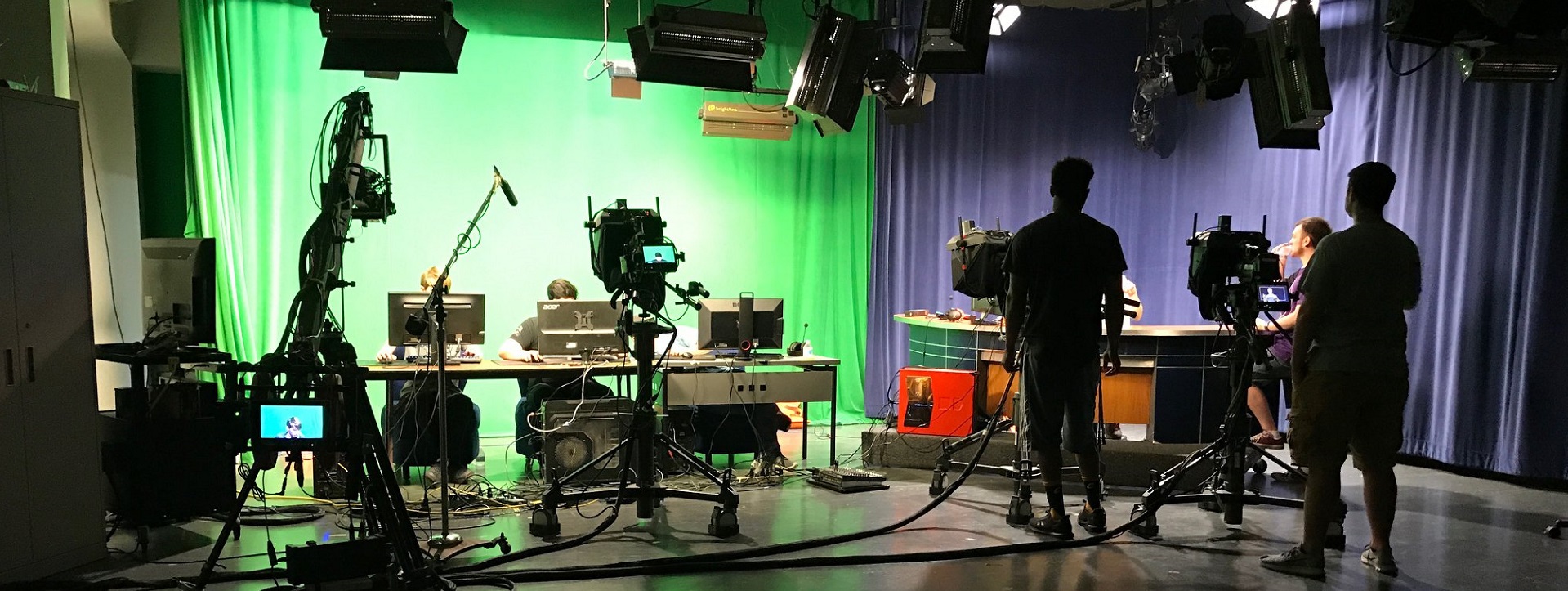
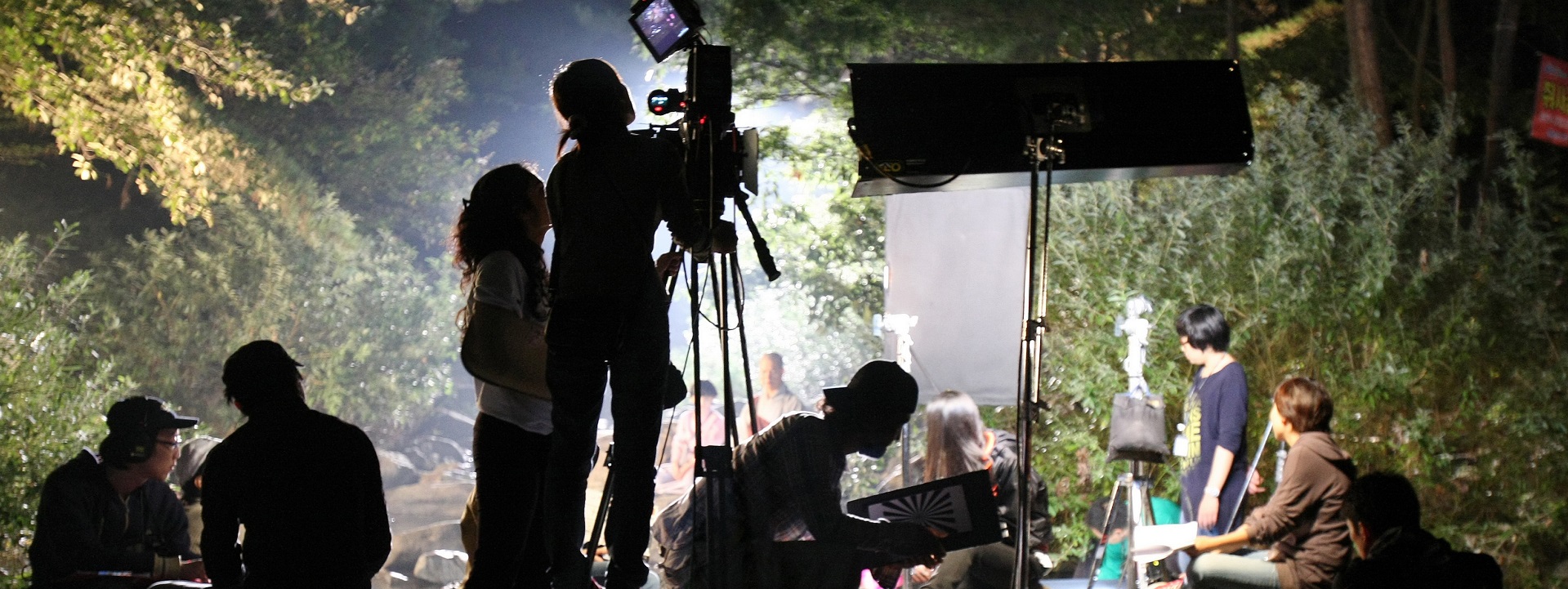
One of the first names in this domain is the Society of Motion Picture and Television Engineers that support the technical framework and global professional community that makes motion picture, television and professional media available for all humanity to enjoy for artistic, educational and social purposes.  The landing pages for its standards development enterprise are linked below:

SMPTE Standards  

There are no open consultations on any SMPTE practice titles but one of its quarterly standards updates will happen sometime during January 2020

We maintain SMPTE titles  on the standing agenda of our Lively Arts, Power, Fine Art and Infotech colloquia.   We also collaborate with the IEEE Education & Healthcare Facilities Committee which meets 4 times monthly in European and American time zones.  See our CALENDAR for the next online meetings; open to everyone.

Media production audio visual

Issue: [Various]

Category: Academics, Seven Lively Arts Facilities, Electrical, Telecommunication

Contact: Mike Anthony, Sanne Clare Anthony, Jim Harvey, Richard Robben


More

SMPTE Standards Annual Report 2019

Language Metadata Table

Cinematography

Layout mode
Predefined Skins
Custom Colors
Choose your skin color
Patterns Background
Images Background
Standards Michigan
error: Content is protected !!
Skip to content